
Weeding in Paradise: Volunteers Take On Niue’s Invaders
Most of us know Niue for its famed coral reefs, sea caves and whales. Fewer people know that the island’s forests are under pressure from invasive plants that smother native trees and crowd out food crops. For the past two years, a small team of volunteers called Friends of Niue have been travelling to the island to help do something about it.
In August 2026, our own Frank Visser from Key Industries joined them. This is the story of that trip, with thanks to Friends of Niue co-ordinator Barry Scott, who shared the group’s field report with us.
Who Are Friends of Niue?
Friends of Niue is a self-funded volunteer group co-ordinated by Barry Scott – Emeritus Professor Massey University. The group works alongside Takatakaimotu Niue – the Niue Department of Environment – and village communities to control invasive weeds. Some on-the-ground costs have been supported through the GEF6 and GEF7 projects.
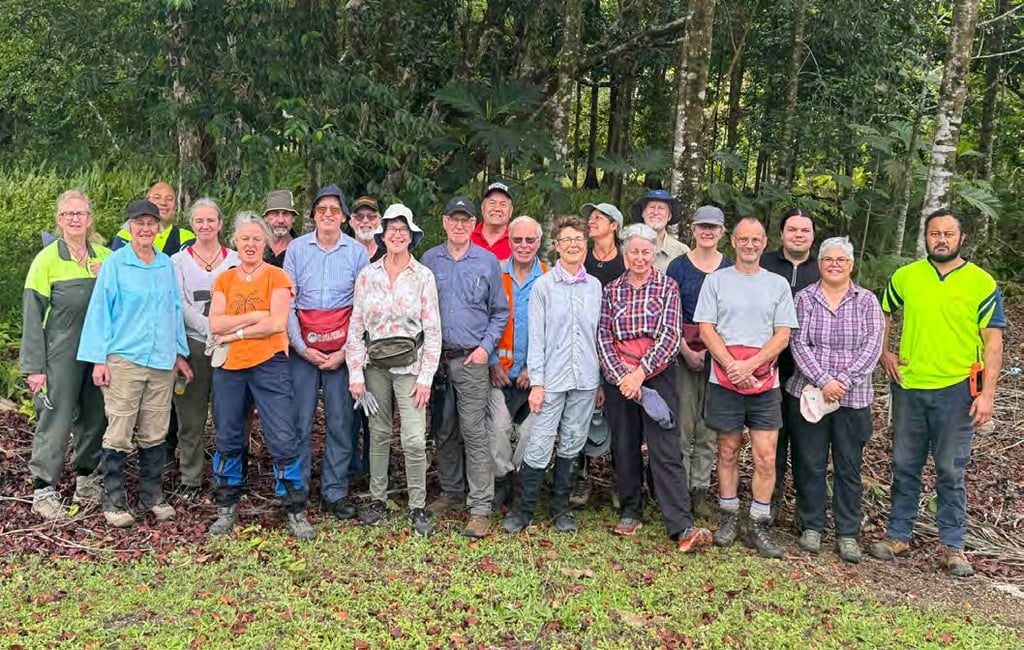
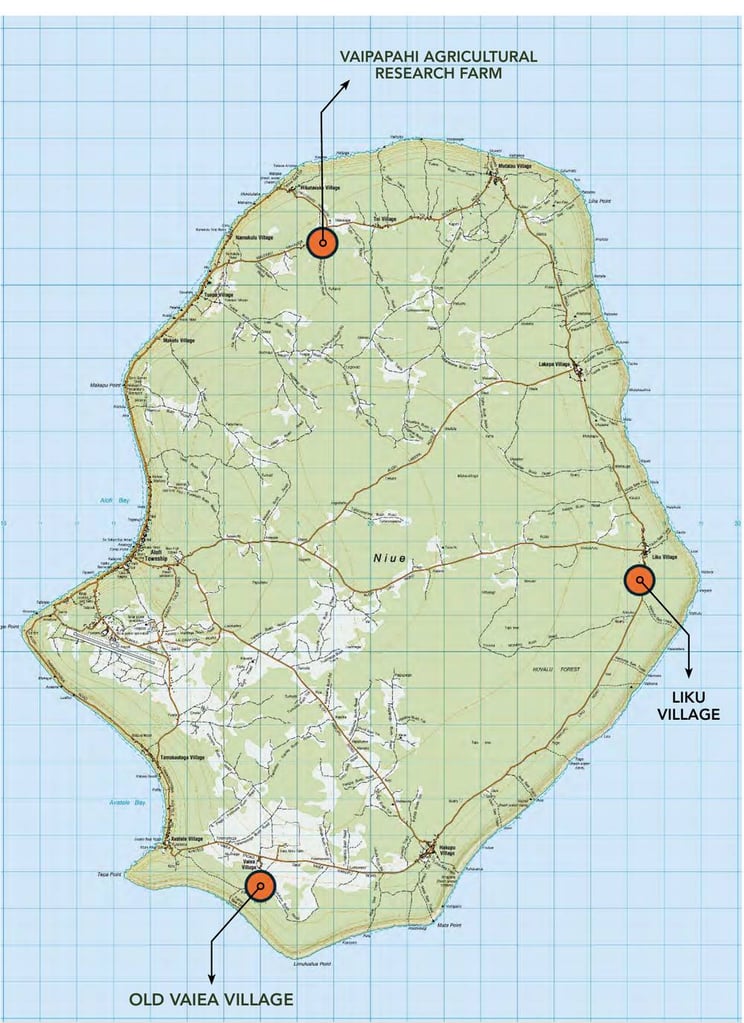
The group’s first trip in September 2025 brought 12 volunteers. The second, from around 19 to 27 August 2026, grew to 19, with five working bees across the villages of Avatele, Vaiea, Liku, Lakepa and Namukulu.
The Targets
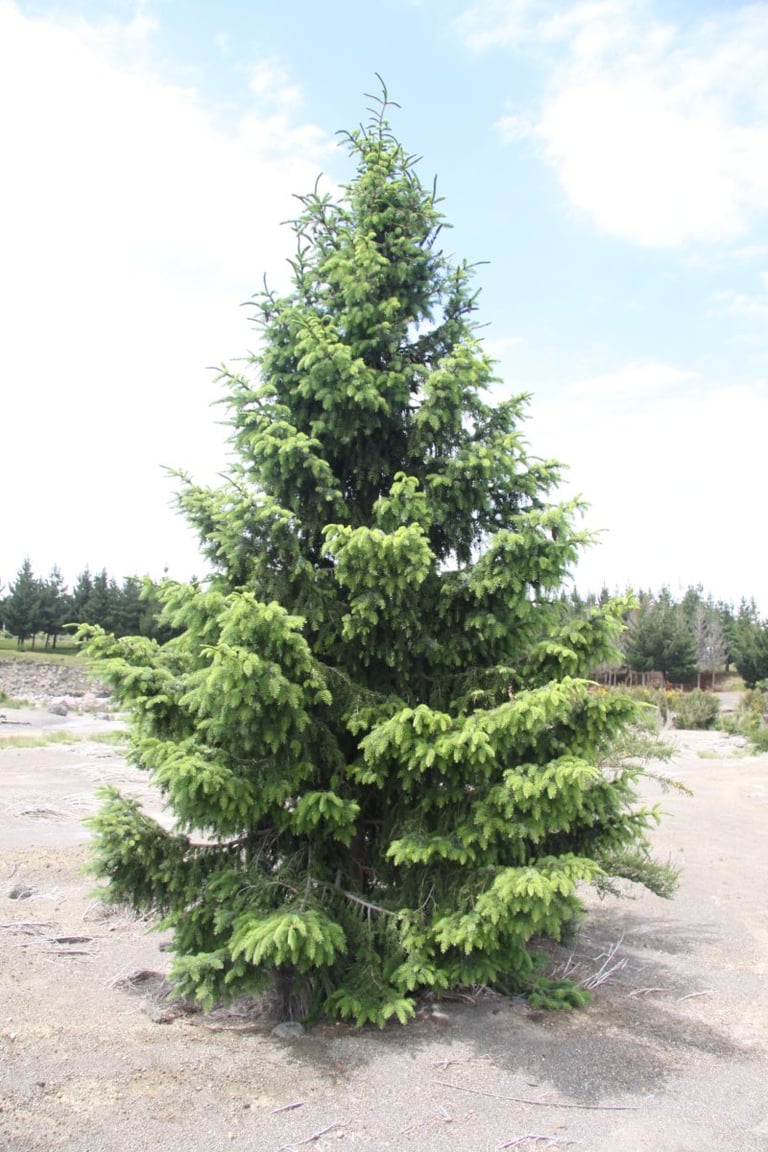
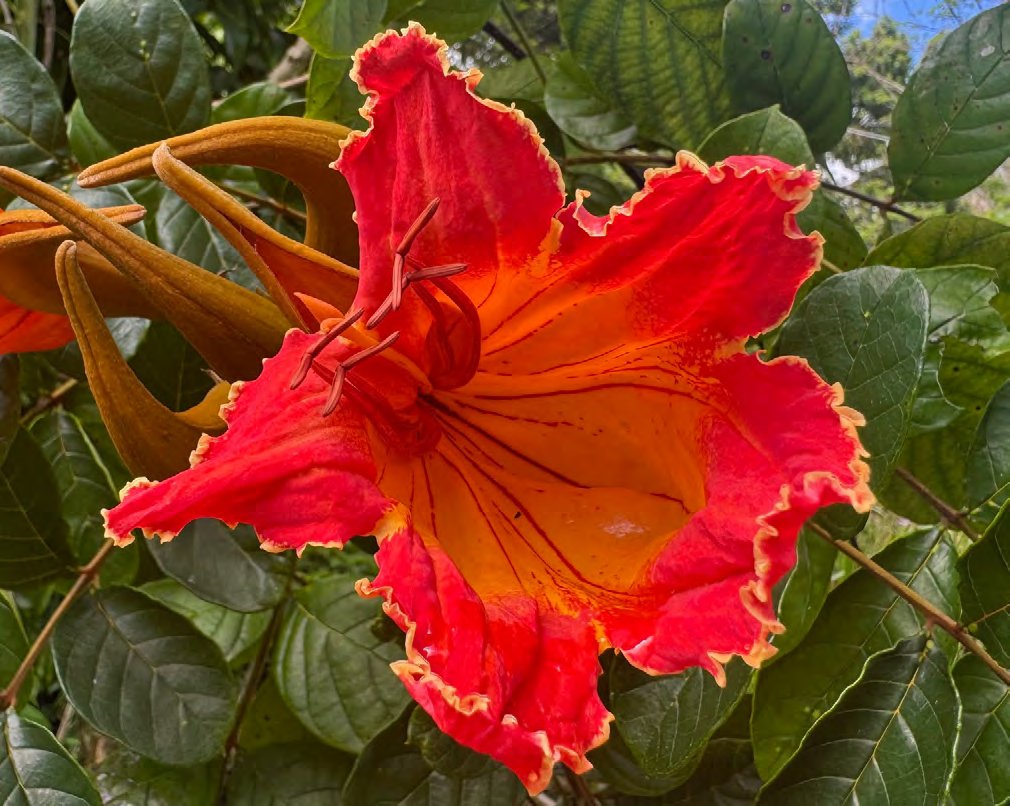
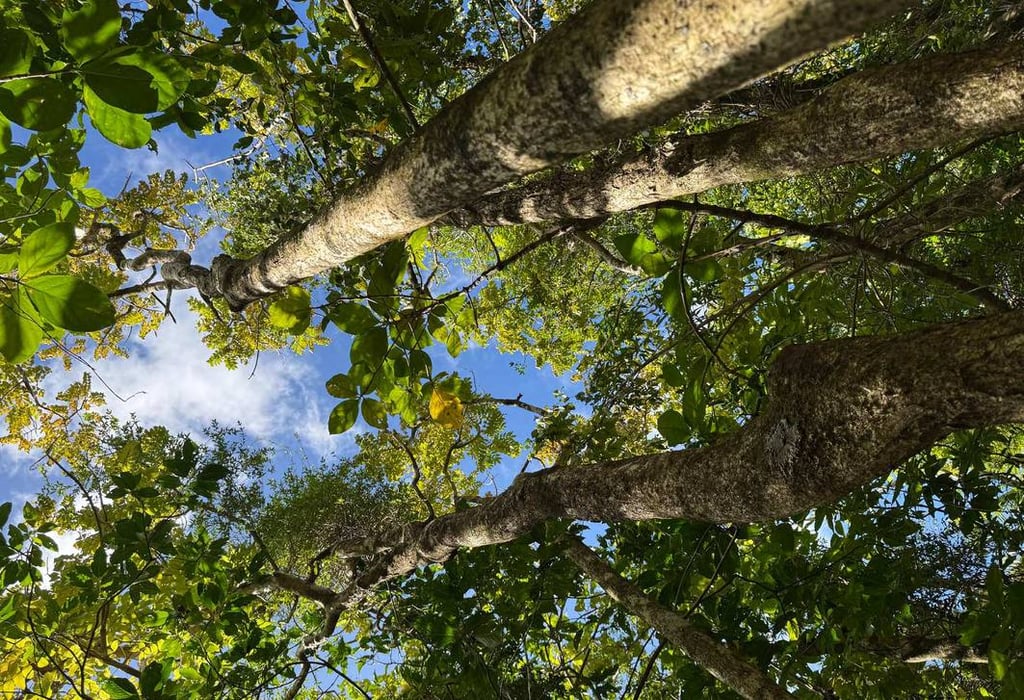
African Tulip Tree (Spathodea campanulata)
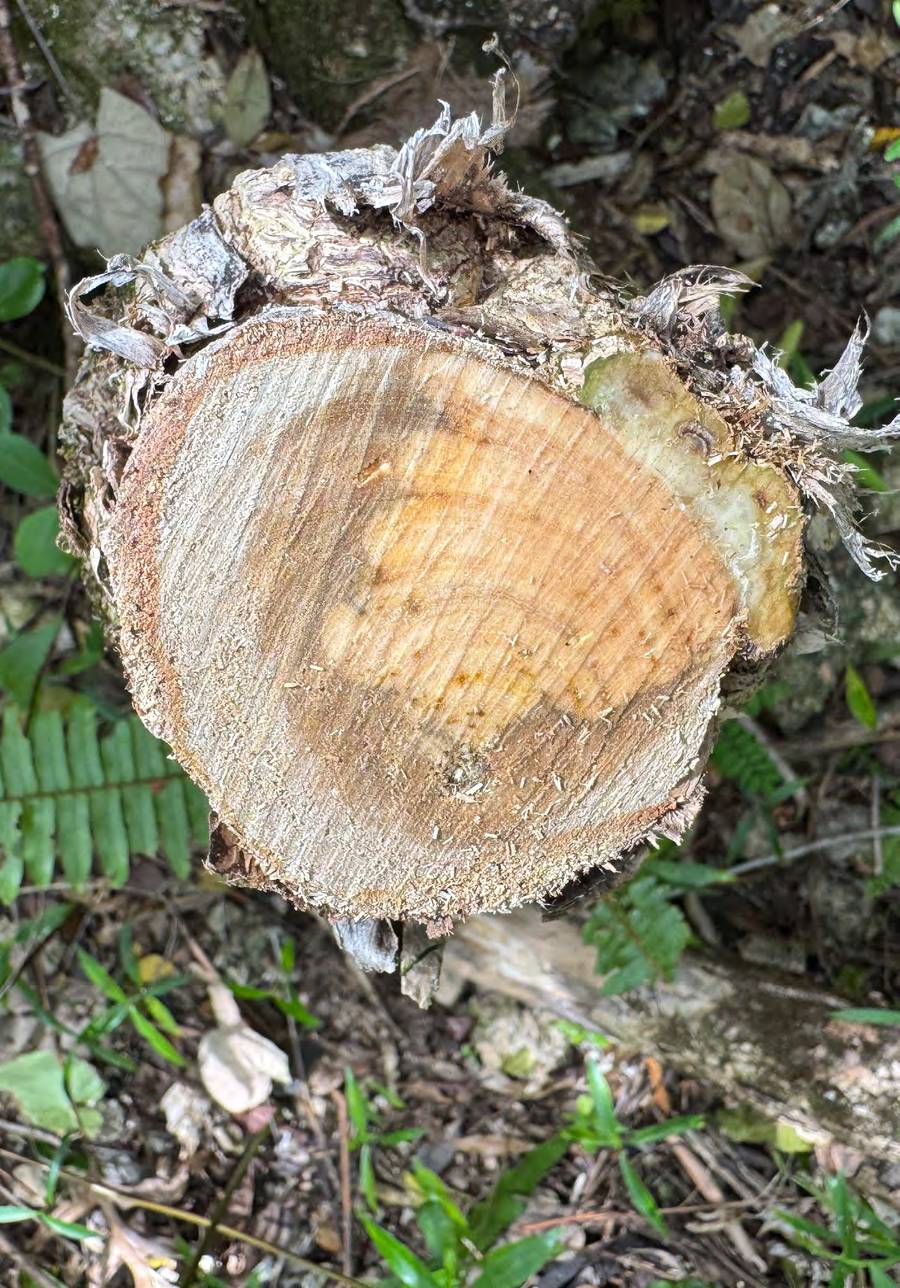
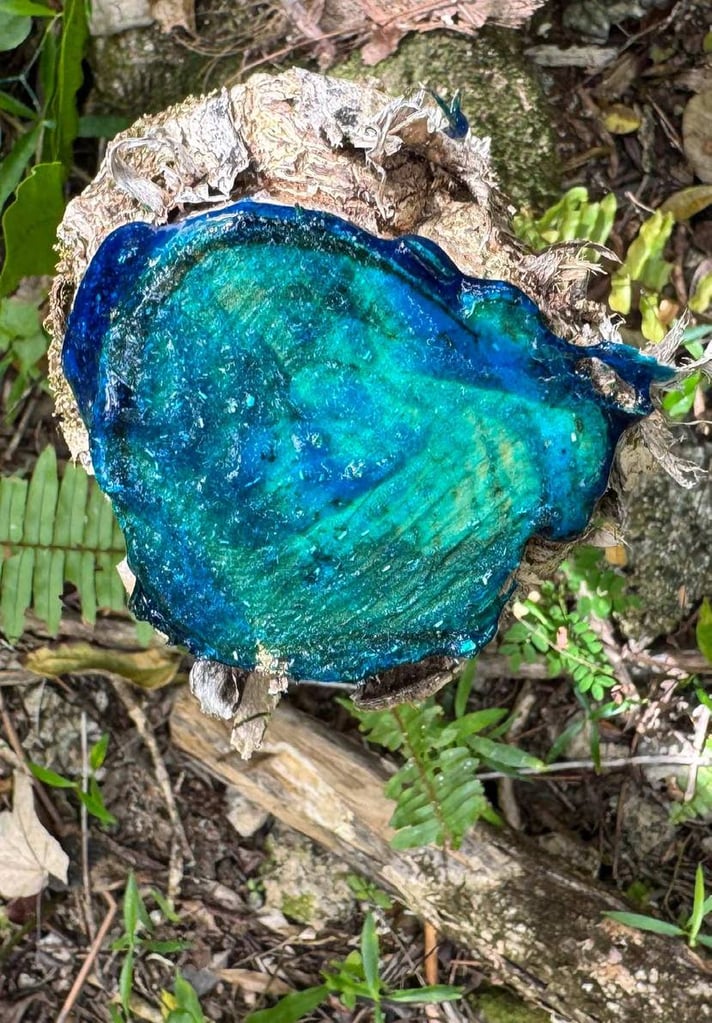
African tulip tree is one of the Pacific’s most aggressive invasive trees. On Niue it is known to be at only three sites, which gives the island a real chance to wipe it out before it spreads. The team first cleared these sites in September 2025. Returning in August 2026, they cut and pasted every seedling and tree they found with Cut’n’Paste Glimax Professional, treating both cut ends. If follow-up checks confirm no regrowth, Niue could be one of the first Pacific islands to eradicate it, which is incredible.
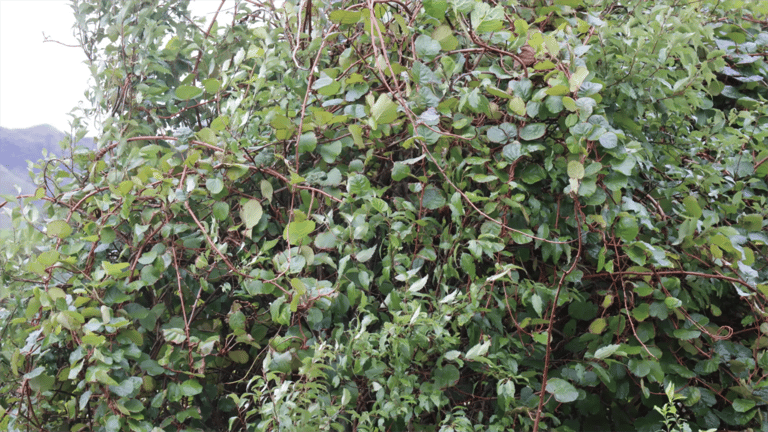
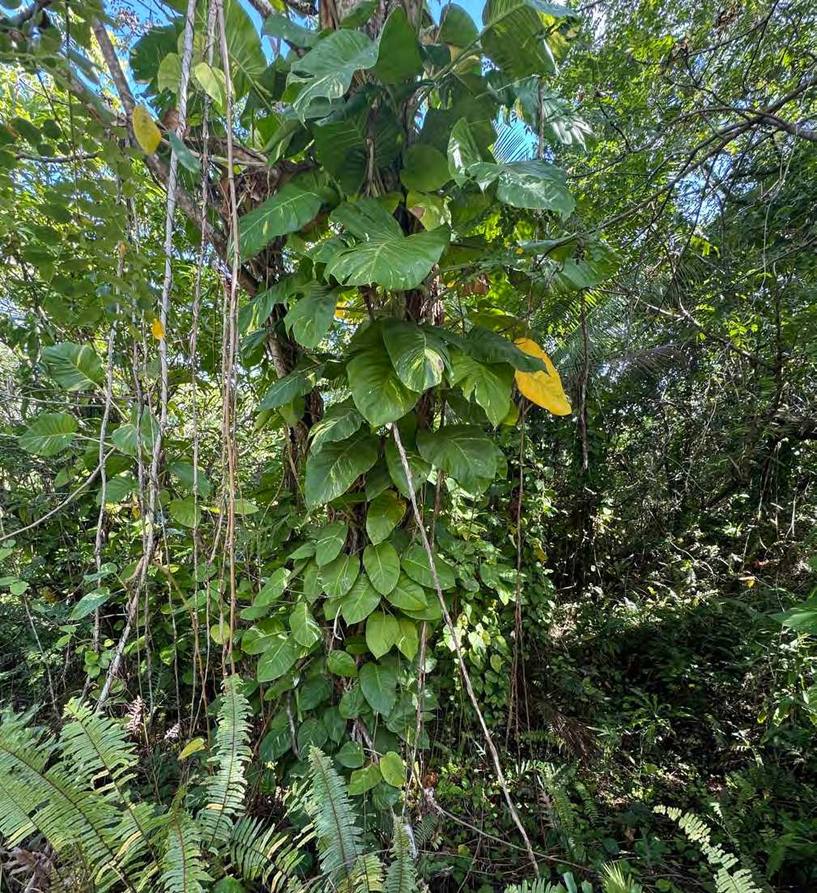
Taro Vine (Epipremnum pinnatum)
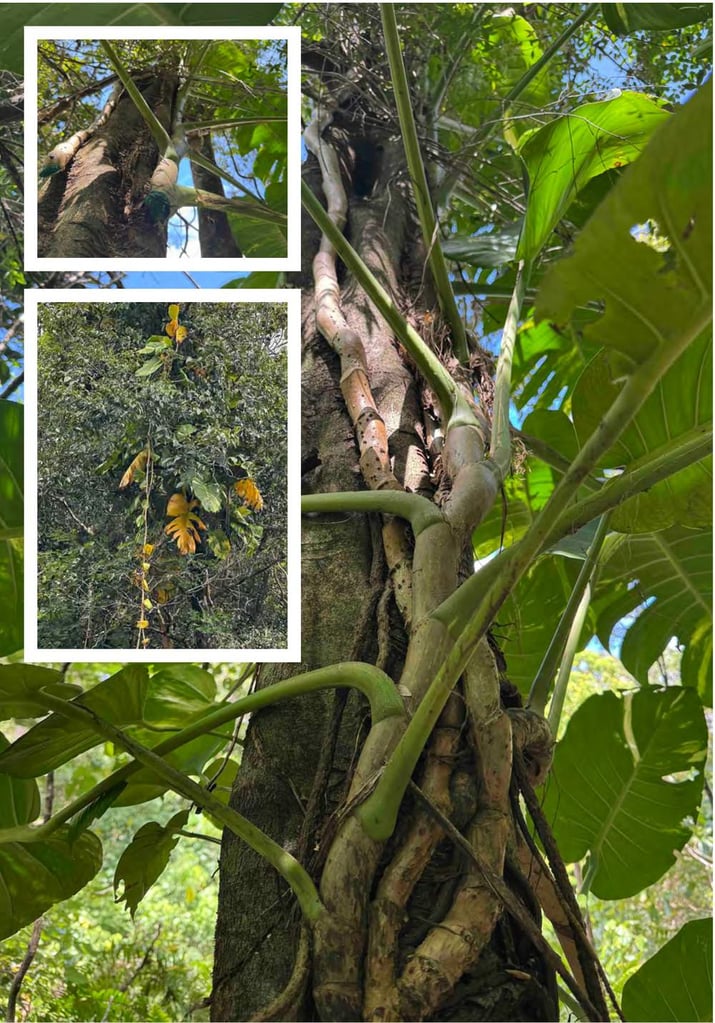
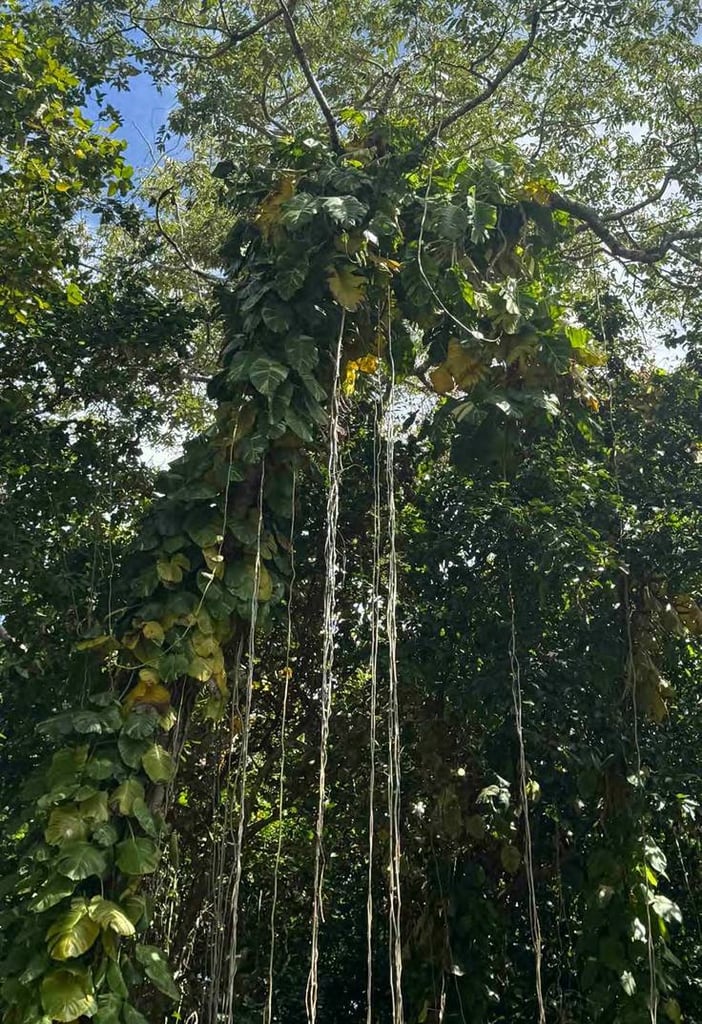
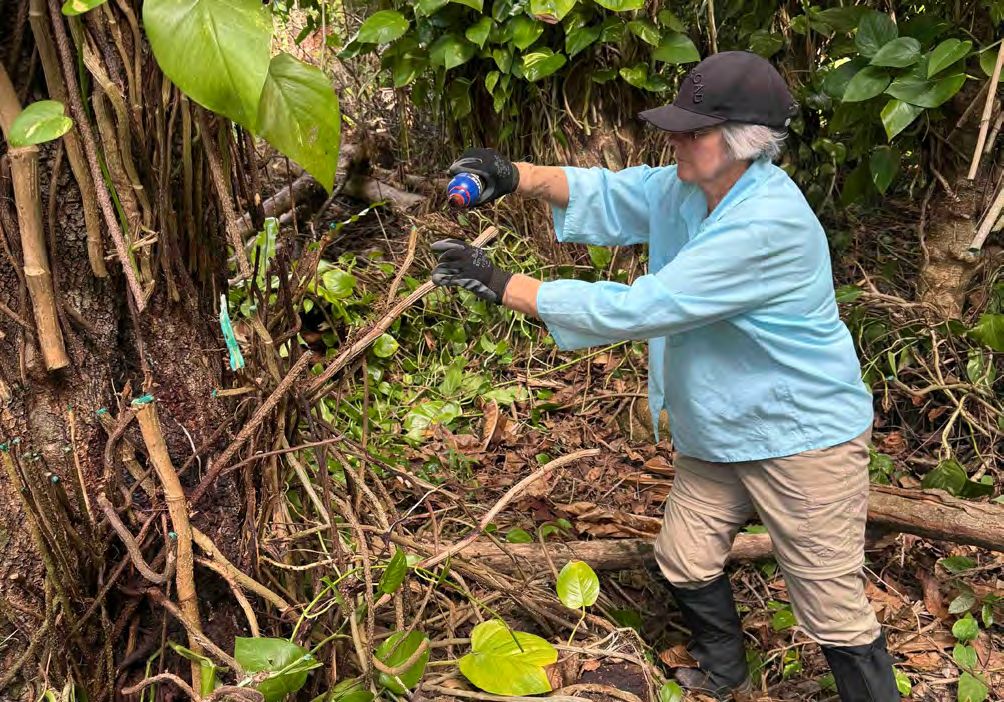
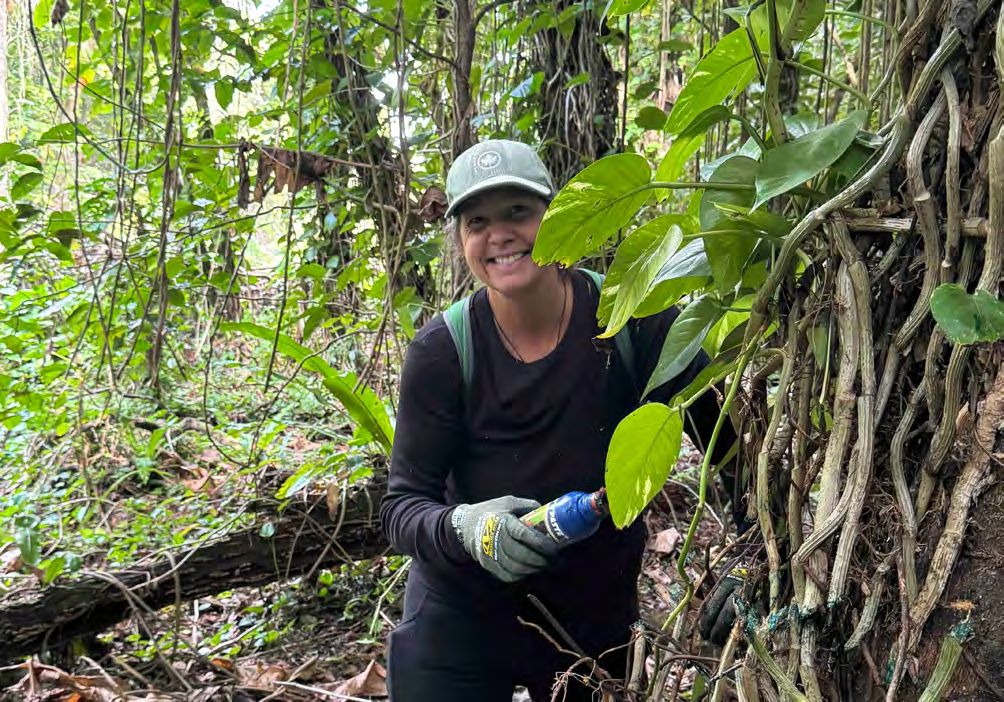
Taro vine (also sold as pothos) is also a problem here, as it climbs into the forest canopy and smothers host trees. The group trialled cutting the vines and treating the stems with MetGel and Glimax Professional, donated by Cut’n’Paste and shipped over by sea ahead of the trip. In their observations, treated vines collapsed within six to eight days and the host trees were not affected. The longer-term Glimax results will be checked on the 2027 trip.
There were encouraging signs from the year before, too. In 2025 the team cleared a small taro vine patch at Liku, pulling out the vines and runners by hand and trialling MetGel on one large vine. When they went back in August 2026, there was no taro vine left at the site. At Lakepa this year, the volunteers saw no obvious difference between MetGel and Glimax on the climbing vines. And near the entrance to the Vaipapahi Agricultural Research Farm, vines pasted with Glimax were dying within a week, with some runners dying well away from where they’d been cut.
Hawaiian Wood Rose (Distimake tuberosus)
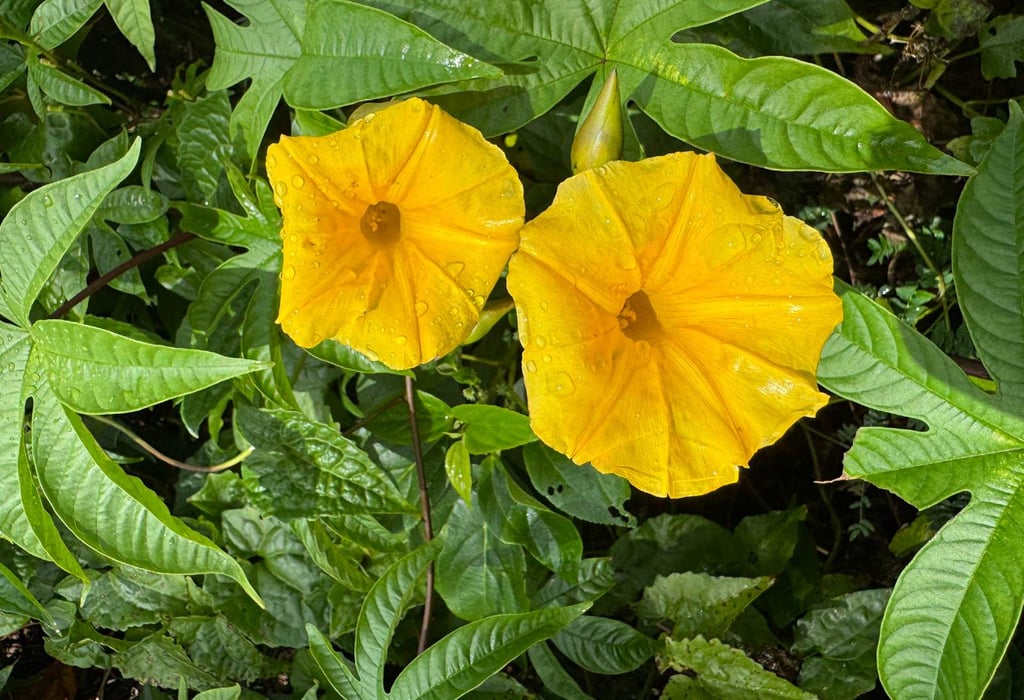
Hawaiian wood rose was also on the team’s list. A vigorous climber from tropical America, related to morning glory, it has spread around the Pacific as an ornamental, partly for its dried seed capsules – the woody, petal-like “roses” used in flower arrangements. Left unchecked, it races up into the canopy and smothers whole stands of trees in a thick blanket of leaves until they collapse. Also known as Merremia tuberosa, on Niue it’s still confined to a handful of sites around South Alofi and the Vaiea secondary landfill, so there’s a real window to act before it takes off. No control work has been done on it yet – the team’s report recommends cutting the vines and pasting the stumps, with trials to find the most effective gel.
Working Side by Side
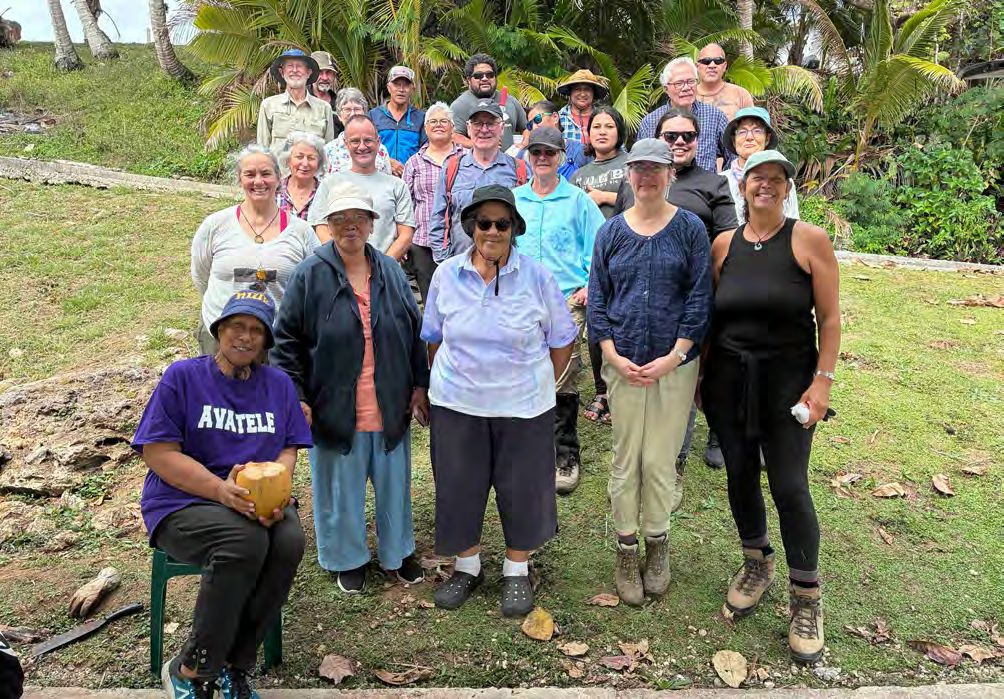
One of the highlights was the day at Avatele. As is customary in Niue, the day began with a blessing. One of the elders, Matua Hetututama Speedo Hetutu – Avatele’s Member of the Niue Assembly – blessed the tools before around 30 locals and volunteers got to work side by side.
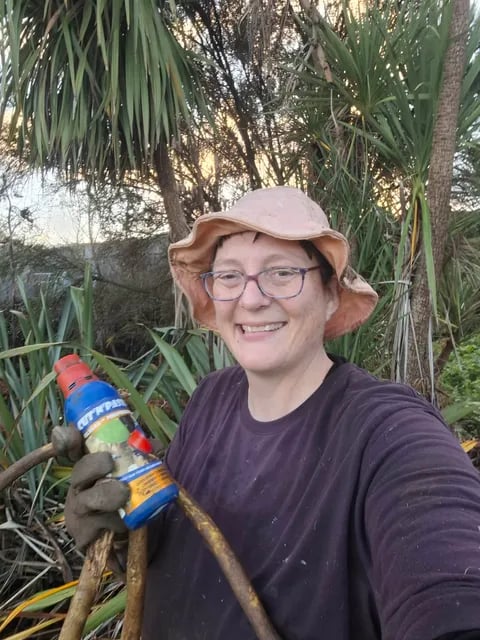
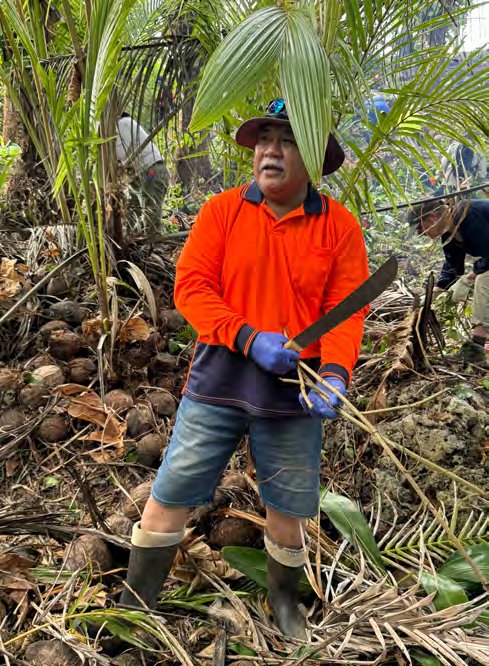
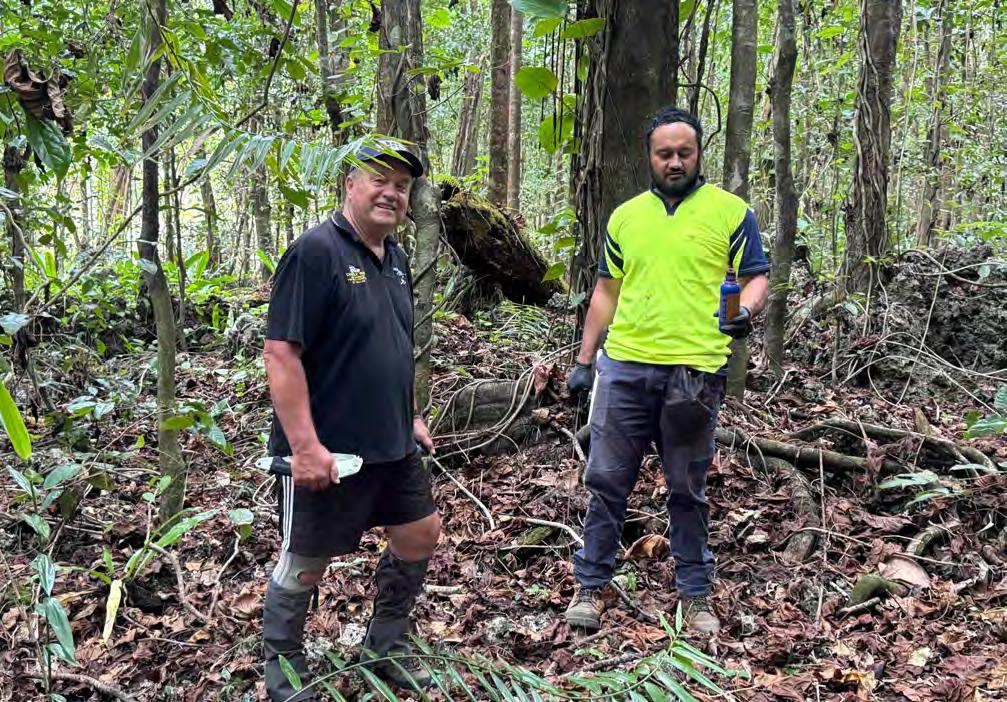
The team worked under the guidance of the Avatele RMAC (the village resource management committee) and its chairperson, Daniel Makaia, who helped lead the day. University of Queensland students on New Colombo Plan scholarships also joined the group. Huggard Tongatule, Biodiversity and Conservation Officer at the Department of Environment, chose the sites, worked with landowners and was in the field throughout. Frank and Huggard worked together cutting and pasting taro vine at Lakepa.
In Frank’s Words
I heard about the trip through a member of the Friends of Niue team, who put me in touch with Barry Scott and the rest of the group. Cut’n’Paste donated all of the MetGel and Glimax weed gels for the project. They had to be shipped over by sea and took a couple of months to arrive.
What stood out for me was how organised and committed the volunteers were. Working in one long band, the team covered the target area in just a few days in hot, humid conditions. The gels were straightforward to apply in the field, so everyone could work steadily and accurately. As you’d expect with any volunteer group, application technique varied a bit from person to person. That’s something we’ll build on with more best-practice training next time.
Niue’s taro vines are enormous, and they behave quite differently from vines like ivy here in New Zealand. Cut an ivy vine and the top part dies off. Cut a Niuean vine and it doesn’t die. It sends down more aerial roots to draw moisture from the tree. So on Niue you have to treat both cut surfaces, top and bottom.
The ground on Niue is porous rock, a bit like Rangitoto, so rain soaks straight through and the island depends on its underground water. Product choice was made with the island’s water supply in mind.
The gels are being trialled at the moment. We’re waiting on interim feedback from Huggard, and the treated areas will be assessed on an ongoing basis to decide which product goes forward. We’re looking forward to seeing those areas recover and native species return.
Volunteers like these give a huge amount of their own time, and we’re glad to help them get more done, especially somewhere as special as Niue. I really enjoyed being part of it. It was a rewarding experience, and it was lovely to work with such a diverse team. It’s likely to become an annual trip, and we’d be glad to keep supporting the project.
Frank Visser, Key Industries
What the Team Learned
The after-trip report written by the FON team is refreshingly honest about what didn’t work. Some African tulip trees and stumps treated in 2025 regrew, with shoots coming from below the cut or from the roots. The group’s recommendation for the future is to drill into larger stumps and fill the holes with gel, so the herbicide goes straight into the living tissue – the same approach behind Cut’n’Paste’s own Drill and Fill method.
These are the volunteers’ own field observations, and the group notes that the best treatment for each species is still being worked out. Results from the 2026 Glimax trials will be checked on the next visit.
TV Niue covered the team’s work on the island. In this short report, Barry Scott talks through the project, with footage of the volunteers in the field putting Cut’n’Paste to work.
Video: Broadcasting Corporation of Niue (TV Niue), via Facebook.
Tips from the Field
The Friends of Niue report is full of practical lessons that work just as well in a New Zealand backyard or bush block:
- Work in pairs. One person cuts and the other pastes straight away, so the gel goes on before the wound starts to seal and no cut gets missed.
- Cut low. Cut as close to the ground as you can, so side shoots can’t regrow from what’s left of the stem.
- Keep the rain off. When showers came through, the team laid a large leaf over freshly pasted stems as a little umbrella to give the gel a better chance to soak in.
- Drill and Fill big stumps. For larger stumps and trees, drill a ring of holes around the outer living layer just inside the bark and fill them with gel, so it goes straight into the living tissue.
- Deal with the cut material. Vines like taro vine can regrow from small fragments. The team trialled leaving cut vine to rot down on site in a fadge bag weighted with a rock, and some was burnt on site. If you’re thinking of burning weeds in New Zealand, check whether you need a fire permit at checkitsalright.nz first, and check your local council’s rules.
A Working Holiday
It wasn’t all work. The volunteers pay their own way, and between working bees they made the most of being on one of the Pacific’s most unspoilt islands. The August trip fell in Niue’s humpback whale season, and the team enjoyed some spectacular whale watching. There was also time to explore the island’s famous sea caves and rugged coastline, and to settle into Niue’s relaxed, friendly pace of life.
For anyone looking for a holiday with a difference, it’s hard to beat: clear water, warm people and the chance to give something back to a very special place.
What’s Next
Friends of Niue plan to return in 2027 to check the sites and hope to carry out an aerial survey. Village resource management committees are also taking on more of the work themselves, which is the real long-term win for the island.
Donate & Help Friends of Niue
At the time of writing, Friends of Niue doesn’t have a website yet, but a Facebook page is on the way, so keep an eye out for updates. If you’d like to make a donation towards the group’s work or get involved, please contact us and we’ll pass your interest on.
Further Reading
- The Fight for Niue – New Zealand Geographic’s feature on Niue’s invasive species, which inspired Friends of Niue
- Friends of Niue – Barry Scott’s write-up of the first 2025 trip, Aotea Great Barrier Environmental Trust
- Niue News report – Broadcasting Corporation of Niue – Barry Scott on Niue TV during the 2026 working bees.
- From Fiji to Niue: a biocontrol solution for taro vine – Manaaki Whenua
- Facebook page: Niue in Focus – article on Friends of Niue
- Facebook page for Niue Department of Environment – Takatakaimotu Niue
Thank You
Our thanks to Barry Scott and Harley Betts for sharing their report, to Takatakaimotu Niue / the Department of Environment and Huggard Tongatule, to the Avatele RMAC and the villages of Avatele, Vaiea, Liku, Lakepa and Namukulu, to the Namukulu Cottages owners, and to Manaaki Whenua for their work on biocontrol.
Friends of Niue used Cut’n’Paste products supplied by Key Industries. This post is not an endorsement by Friends of Niue.
Photos: Frank Visser and Friends of Niue, used with permission.
For media enquiries, please contact Cut’n’Paste in the first instance and we’ll forward your query on.