Moth Plant Competition – Winners Announced :: Find Out


Mexican Daisy – The Pretty Spreader
Home » Help » Weed Directory
Exotic daisies that carpet walls and cliffs
Mexican daisy (Erigeron karvinskianus), sometimes called seaside daisy, is a low, scrambling perennial from Mexico and Central America. Gardeners have long loved it for softening stone walls, steps and path edges with its masses of tiny flowers - and many Kiwi gardens still have it. It might look cute and pretty, but it's now listed under the National Pest Plant Accord, so it can't be sold, propagated or given away.
The problem with it, is how easily it spreads. Each plant produces huge numbers of fluffy, wind-borne seeds, and its trailing stems root as they go. It copes with almost anything - sun or shade, wet or dry, cracks in concrete, bare rock and gravel - and once it escapes it forms thick mats over cliffs, banks, riverbeds and coastal areas, smothering the small native herbs and grasses that grow there. Therefore, it's now a pest in New Zealand.
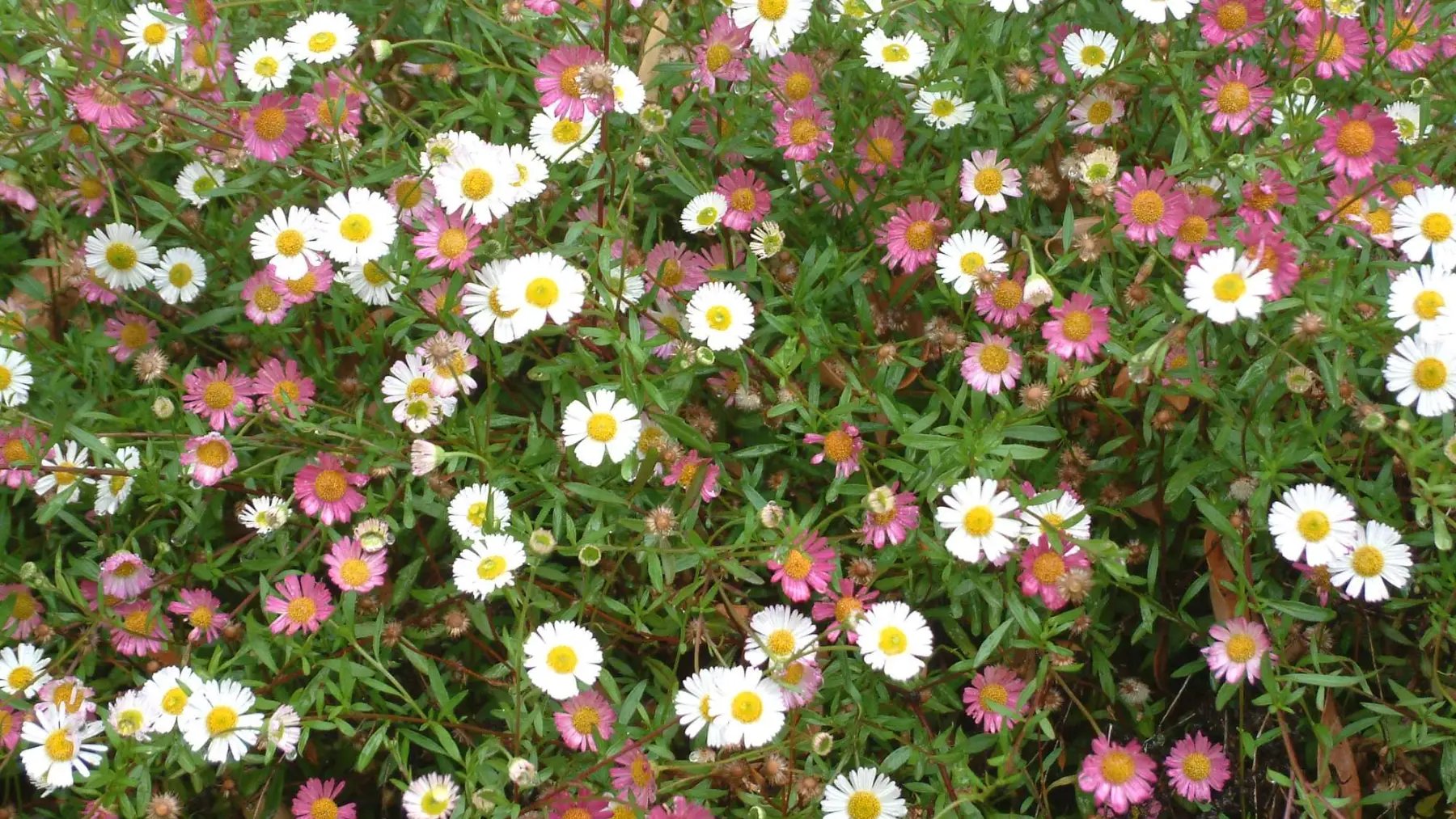
Mexican daisy is easy to spot once it’s in flower. Look out for these key features:
- The Plant: A loose, sprawling, many-branched daisy, usually under 40 cm tall, often spilling over walls, steps and banks.
- The Stems: Thin and wiry, and they put down roots where they touch the ground.
- The Leaves: Small and narrow. Many of the upper leaves have three small lobes at the tip, and the leaves have a light scent when crushed.
- The Flowers: Small daisies about 1.5–2.5 cm across, with a yellow centre and fine petals. The petals open white and fade to pink or mauve as they age, so you’ll often see both colours on one plant. Flowering is heaviest from spring through autumn.
- The Seeds: Fluffy seed heads follow the flowers and blow away easily.
- Lookalikes: The common lawn daisy has similar flowers, but its leaves are wider and sit flat in a rosette at the base, rather than along sprawling stems.
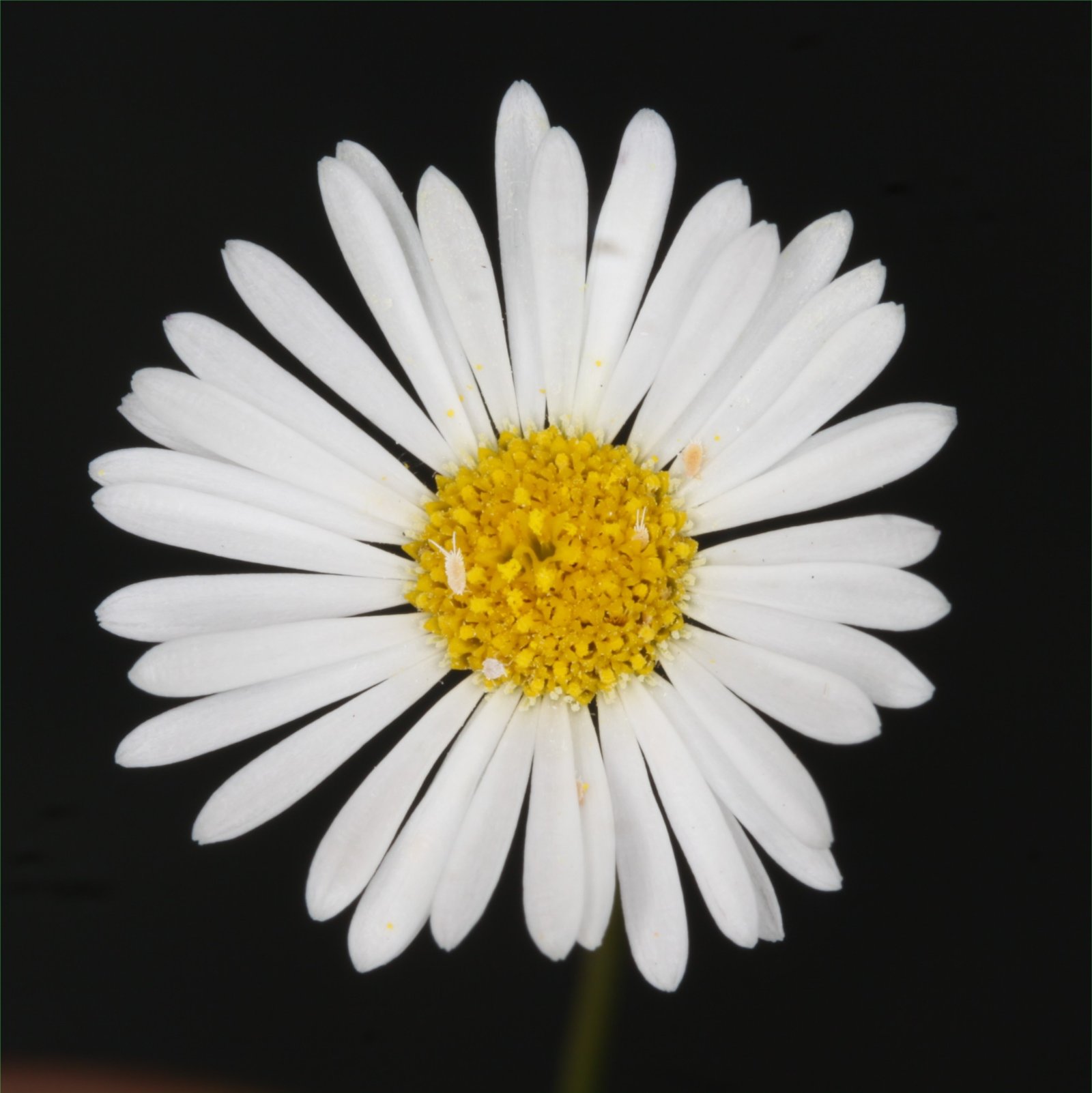
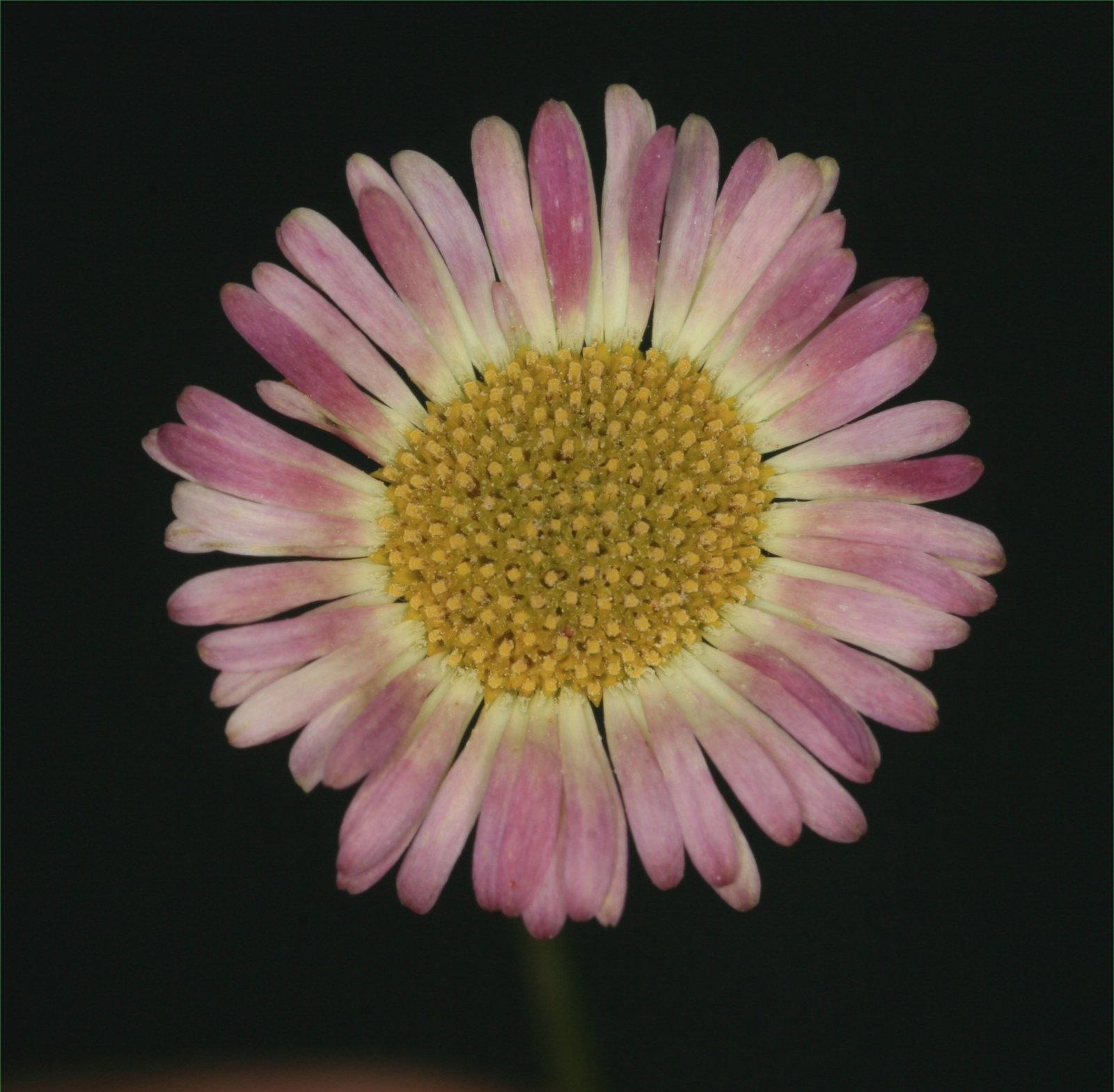
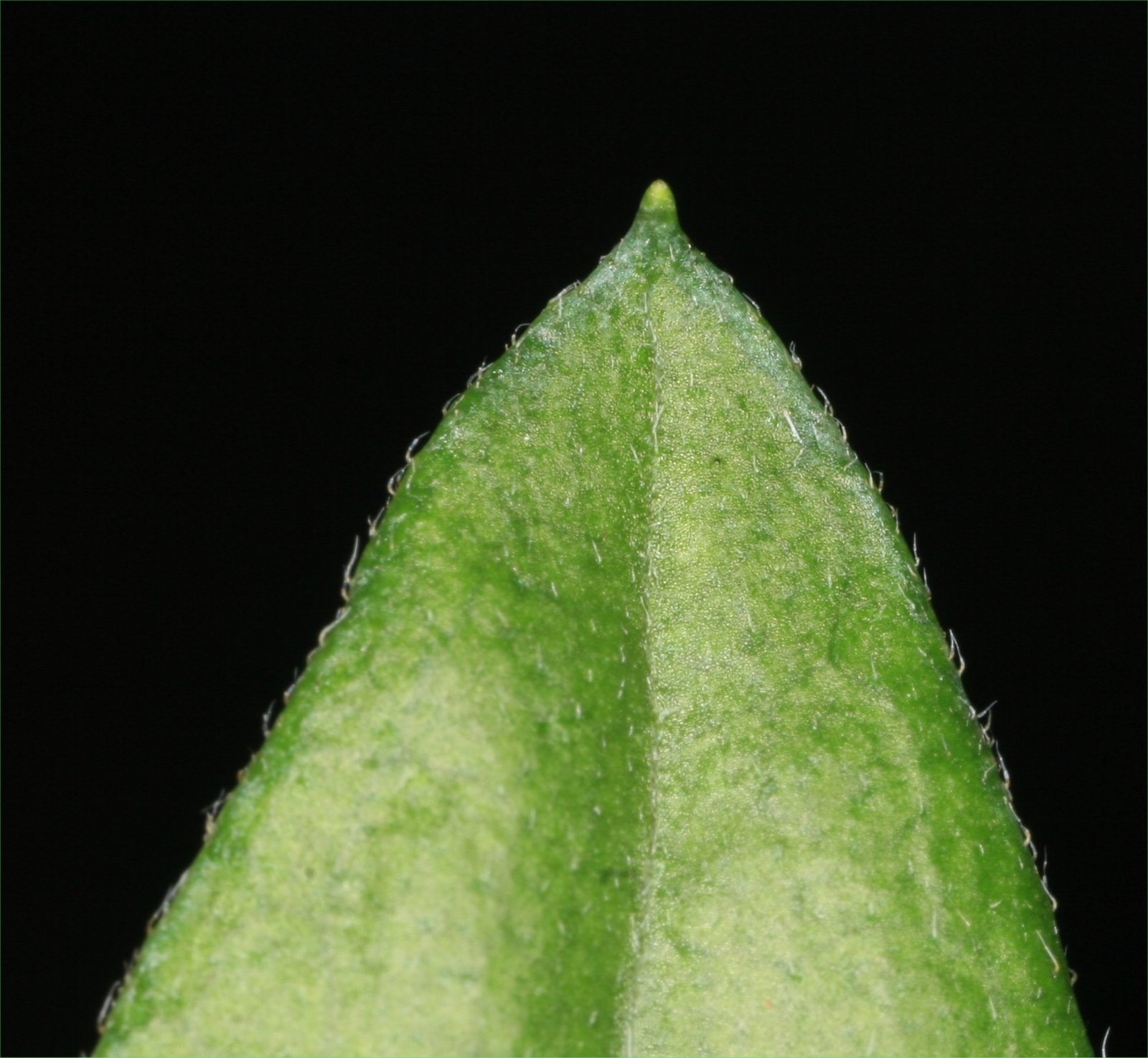
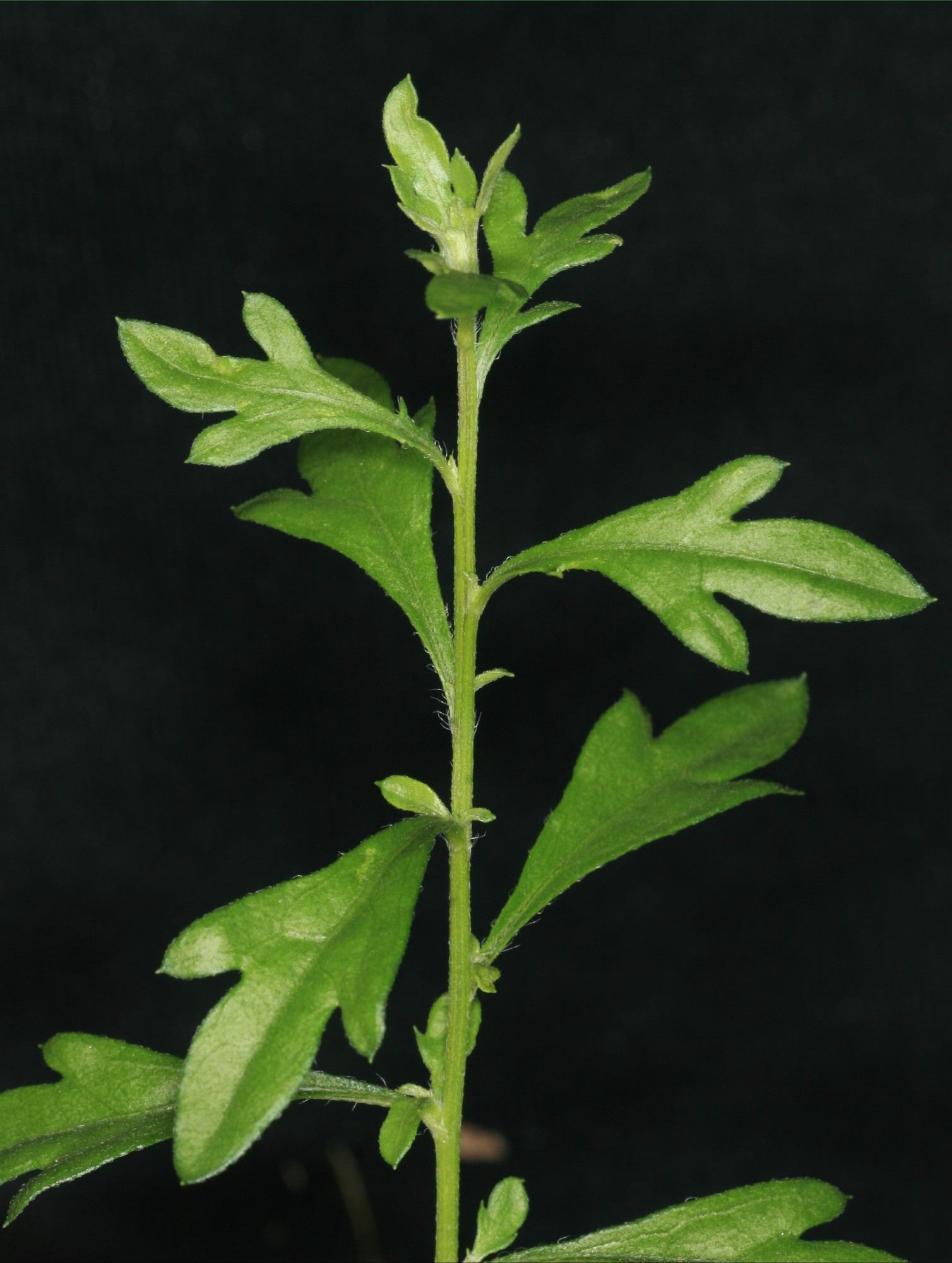
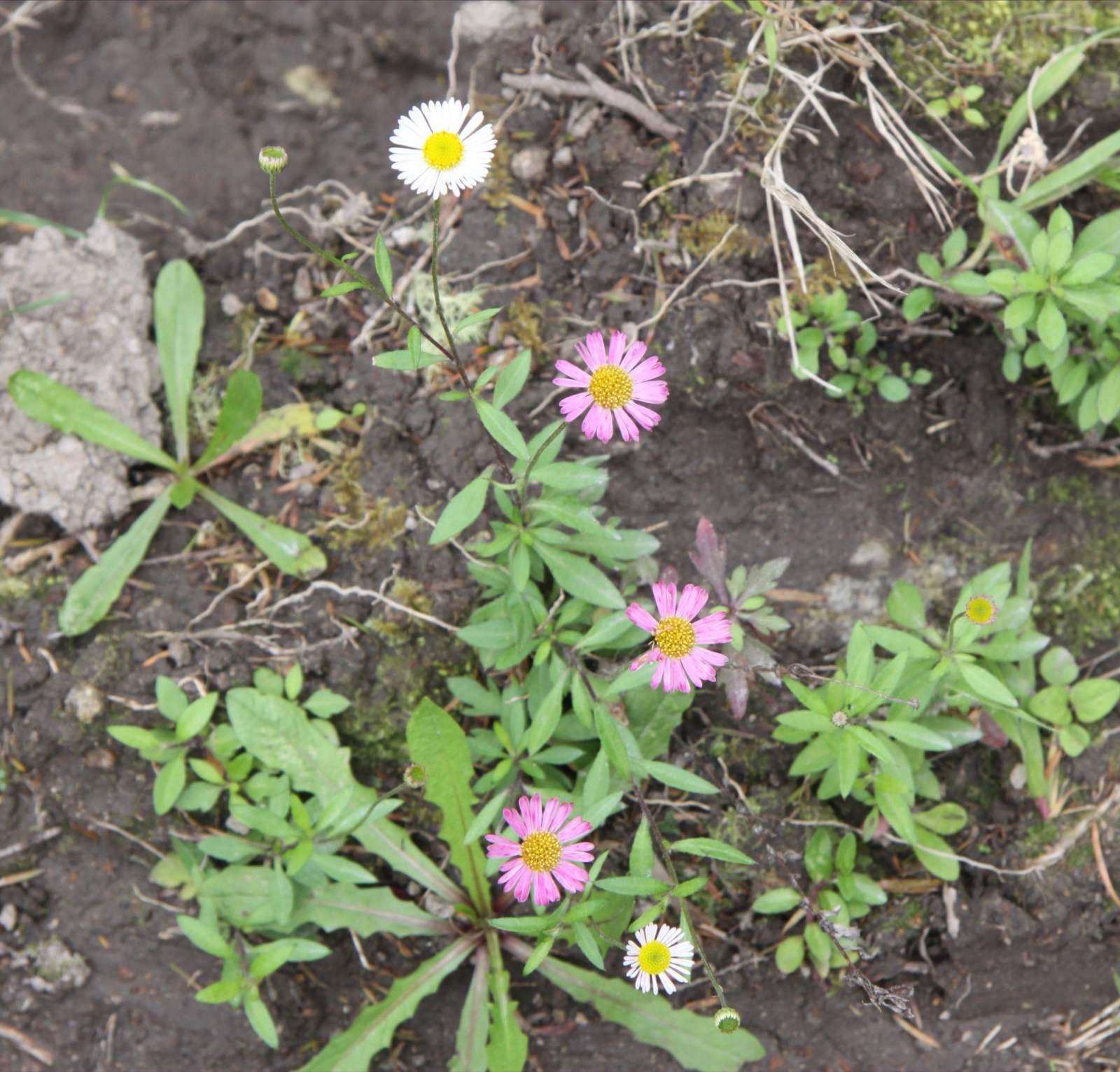
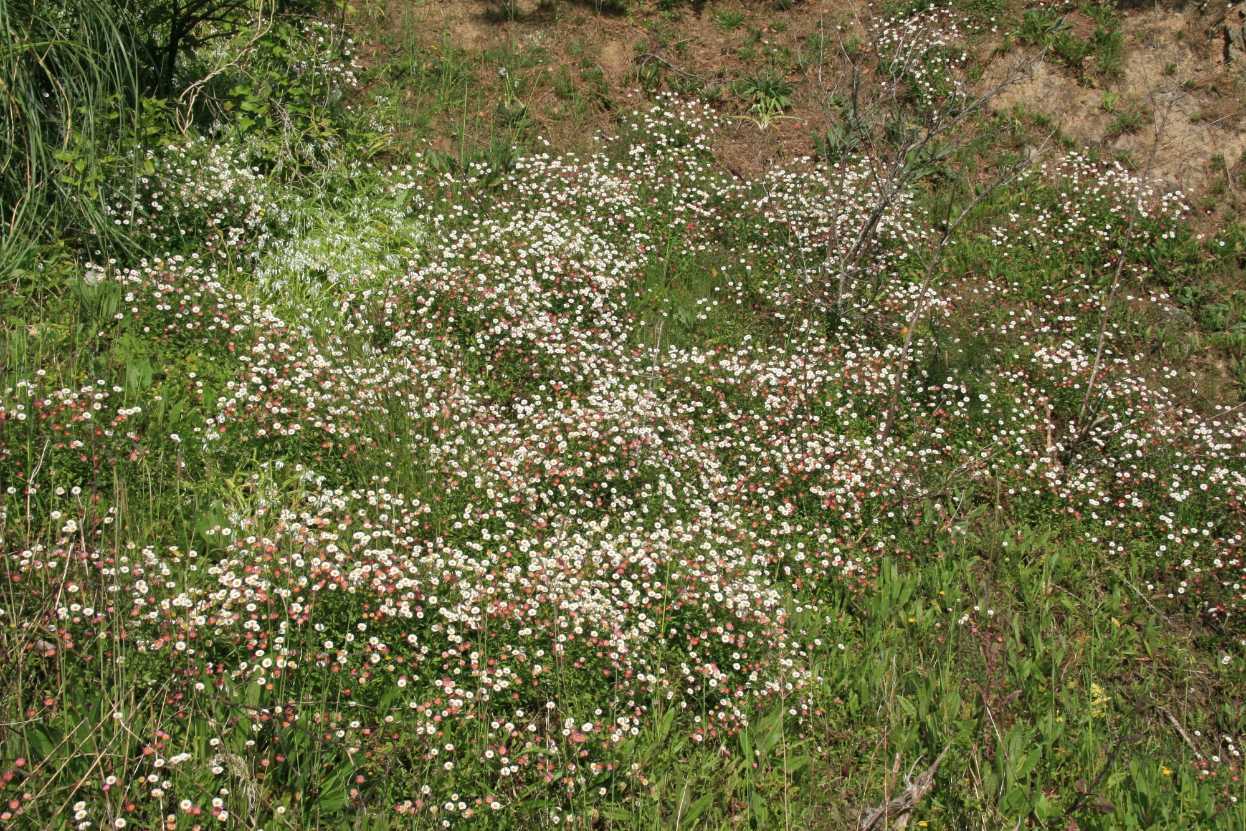
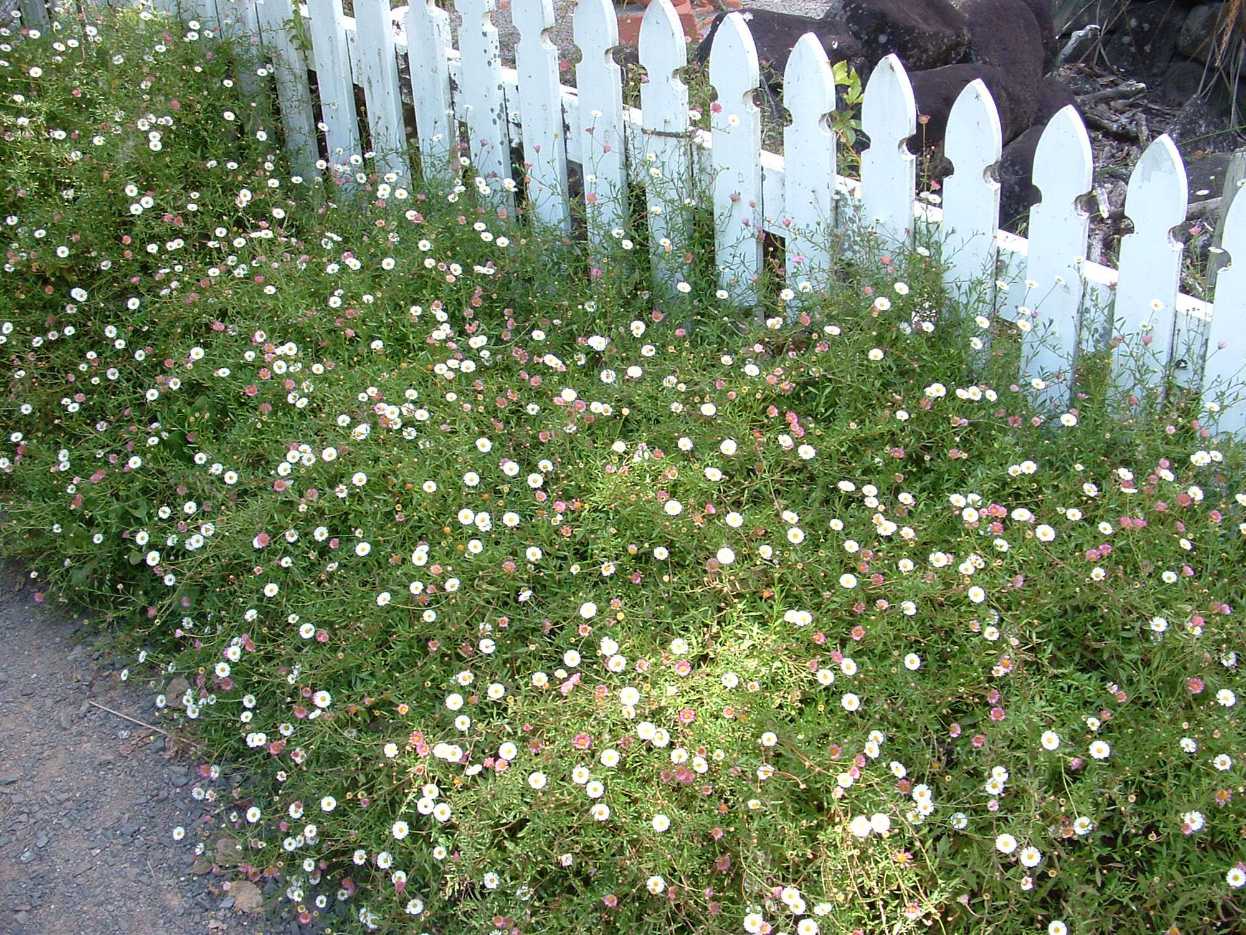
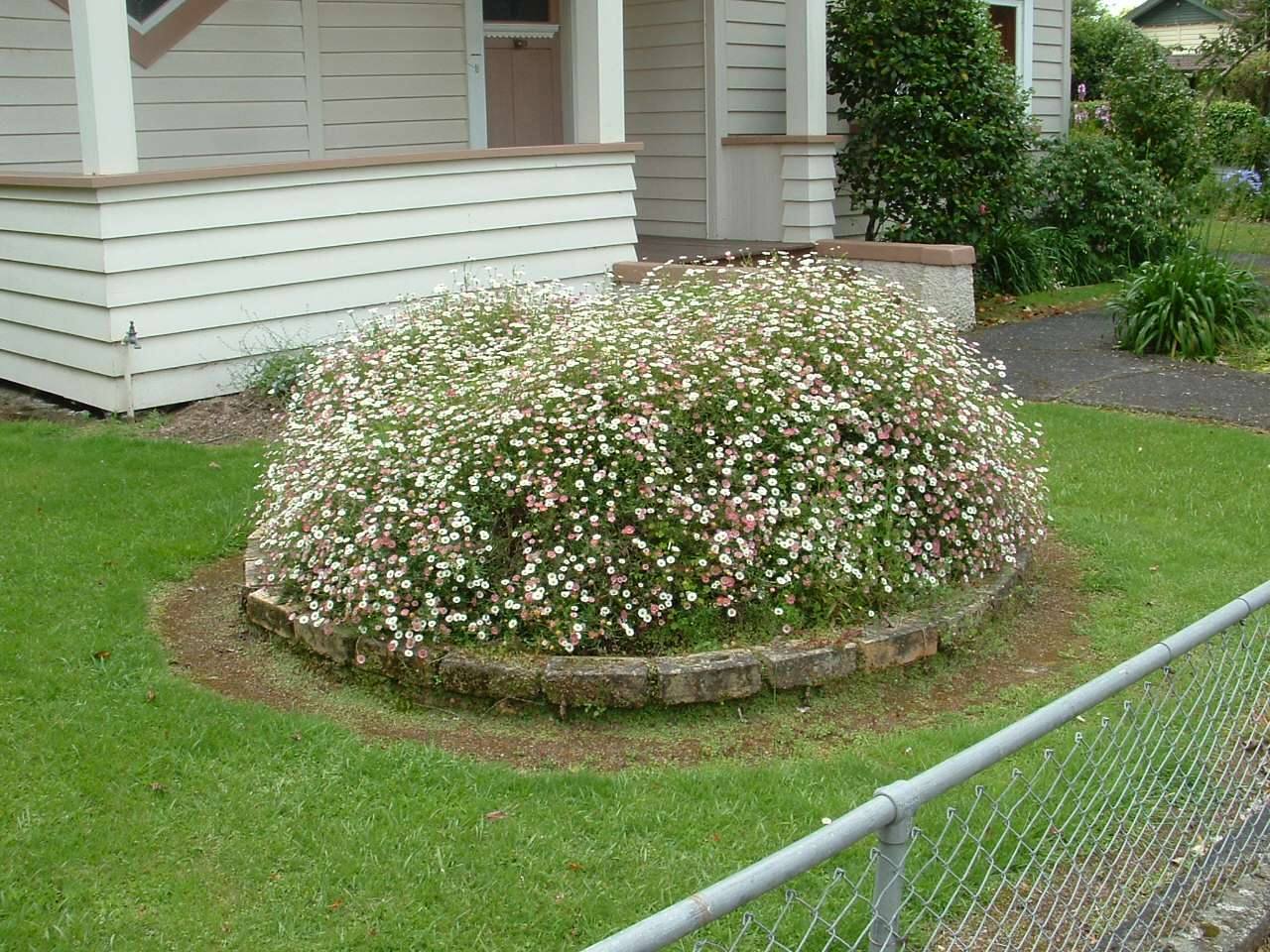
Photos courtesy of Weedbusters – credit Trevor James and Carolyn Lewis
Pulling Mexican daisy out of walls and paving usually snaps the stems and leaves roots behind, not to mention it’ll take all day. Spraying them is an option, but with Cut’N’Paste you don’t need to, so there’ll not be any spray drift onto everything nearby. Simply wiping the gel onto the foliage lets you hit the weed and nothing else – the plant draws it down to the roots and dies back over the following weeks.
—
Method A: The Glove Smear – Recommended for ‘Mats and Walls’
- Prepare Your Hands: Put on chemical-resistant nitrile gloves.
- Apply Gel: Squeeze a generous dollop of gel onto your gloved palm.
- Smear Upward: Grab a handful of stems and draw your hand up through the foliage, coating as many leaves as you can.
- Small Clumps: For plants tucked into cracks, simply brush gel straight onto the leaves and stems.
—
Method B: Hand Pull – Best for a small number of weeds
Small plants in soft soil can be dug or pulled out if you have more time. Remove every bit of root and stem, bag it, and take it to a refuse transfer station – stems left lying on damp ground will re-root.
—
What Product To Use?
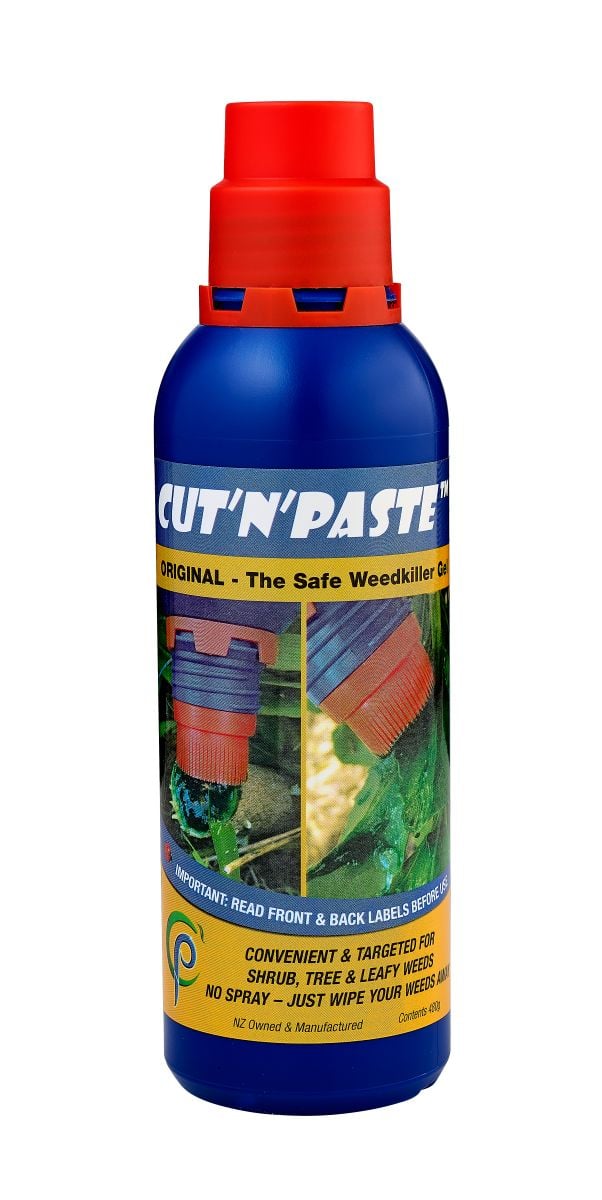
For Mexican daisy in gardens, walls and steps, we recommend Cut ‘N’ Paste Original Weed Gel. It wipes straight onto leafy weeds with no spray drift onto nearby plants or paving.
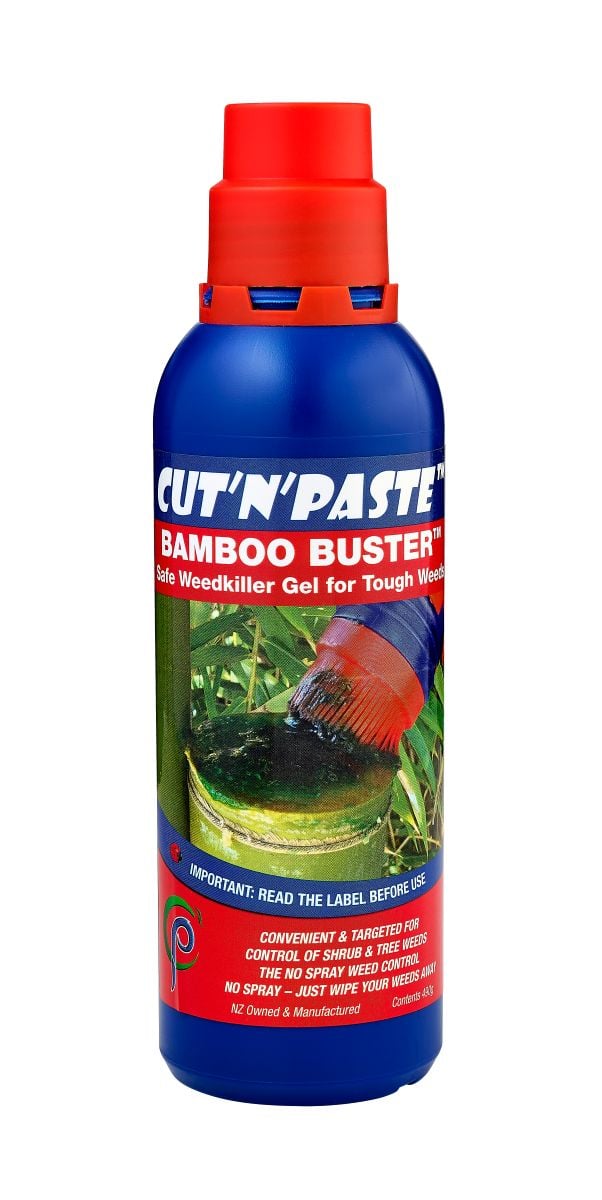
For large, established mats, or for plants growing near streams and wetlands, use Cut ‘N’ Paste Bamboo Buster. Use only as directed on label.
—
Important Notes:
- MetGel & Picloram Safety Warning: Both MetGel (metsulfuron) and Picloram have significantly more residual soil activity than the glyphosate gels, and can move through ground moisture — MetGel’s soil half-life is roughly 30-90 days, Picloram’s half-life is 2–6 months – perhaps longer in clay soils. Do not use either near desirable non-target plants, within the root zone of prized trees, or around waterways and wetlands.
- When using MetGel or Picloram, never apply it inside the drip line (canopy edge) of prized trees or broadleaf garden plants. On flat ground, keep a 3 to 5-metre safety buffer. On sloping ground where the weed is uphill from desirable species, extend that buffer to 5 to 10 metres to account for soil water movement during heavy rain.
- If working near waterways, wetlands, or prized native root zones, use Cut ‘n’ Paste double-strength Bamboo Buster – the glyphosate formula seals the stump and prevent any lower foliage from keeping the root system alive.
- Safety First: Wear gloves and protective clothing and observe all safety protocols, especially when using machinery, chainsaws and other tools.
- When using any herbicide ensure you READ THE LABEL THOROUGHLY, follow all instructions and directions for the purchase, use and storage of the product.
- If in doubt, seek professional advice.
- Deadhead First: Snip off and bag flower and seed heads before treating, so the fluff doesn’t blow into your neighbours’ gardens.
- Fill the Gaps: Bare soil and empty cracks invite new seedlings. Replant cleared areas with low, dense groundcovers that will hold the space.
- Dispose of It Safely: Never dump Mexican daisy with garden waste or over the fence into bush. Bag it and take it to a refuse transfer station.
- Keep Checking: Look over treated areas every few weeks and touch up any regrowth or seedlings.
Plant This Instead – If you love the daisy look:
- Papataniwhaniwha / NZ daisy (Lagenophora pumila) is a tiny native daisy with white flowers on short stems. It forms a low, creeping mat in lawns, path edges and between pavers.
- Pānakenake (Lobelia angulata, formerly Pratia) is a dense native groundcover with small white star flowers in summer, followed by purple-red berries. It’s best in damp or semi-shaded spots.
For stone walls, banks and rockeries:
- Pinatoro / NZ daphne (Pimelea prostrata) has grey-green foliage that hugs the ground and scented white flowers. It’s very tough in dry, sunny, exposed sites.
- Creeping pōhuehue (Muehlenbeckia axillaris) is a wiry little mat-former that drapes over walls and rocks beautifully and copes with drought and wind.
- Scleranthus (Scleranthus biflorus) forms bright green, cushion-like mounds that look great tucked between rocks and along wall tops.
- Rengarenga (Arthropodium cirratum) is a larger option for banks and the base of walls, with lush leaves and sprays of starry white flowers in early summer.