Moth Plant Competition – Winners Announced :: Find Out


Banana Passionfruit – The Canopy Smotherer
Home » Help » Weed Directory
Tasty fruit, pretty flowers - and a forest killer!
Banana passionfruit is the common name for two closely related South American vines: Passiflora tarminiana and Passiflora tripartita var. mollissima. They’re so alike we can manage them in exactly the same way. With their pink, lantern-like flowers and sweet yellow fruit, they were popular backyard plants for years, which is how they’ve made their way into the bush. Both are now listed under the National Pest Plant Accord, so they can’t be sold, propagated or given away anywhere in New Zealand.
Once loose, banana passionfruit races up host trees and spreads across the canopy, piling up into heavy blankets of growth. Starved of light and weighed down, the trees underneath slowly decline and can eventually collapse, opening gaps that let even more weeds in. The vine fruits within a couple of years of germinating, and trailing stems take root wherever they touch moist ground. It's a particular problem on bush edges, in gullies and on regenerating scrubland.
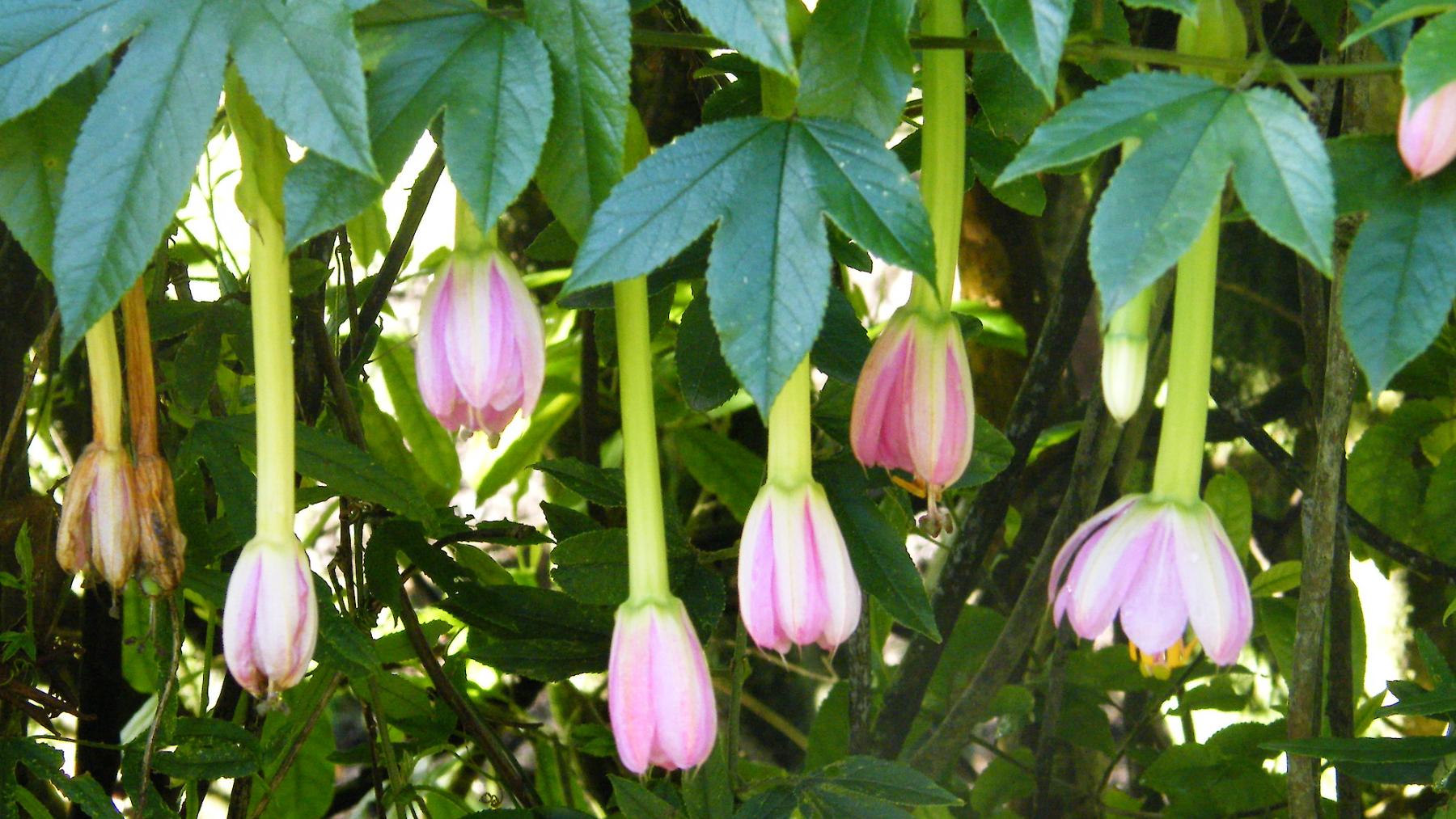
Banana passionfruit is easy to recognise once you know its leaves and flowers. Look out for these key features:
- The Vine: A vigorous evergreen climber that can reach 10 m or more into the canopy, gripping on with long, coiling tendrils. Young stems are softly hairy.
- The Leaves: Deeply divided into three pointed lobes, with finely toothed edges. They’re dark green on top and paler and downy underneath.
- The Flowers: Pink, open-faced flowers around 7 cm across, hanging down at the end of a long green tube. They can turn up in almost any month.
- The Fruit: Sausage- or banana-shaped, around 7–12 cm long, ripening from green to soft yellow, filled with orange pulp and dark seeds.
- Lookalikes: Other passionfruit, such as the purple-fruited black passionfruit and the blue passion flower, can also escape. Banana passionfruit stands out with its long-tubed pink flowers and elongated yellow fruit.
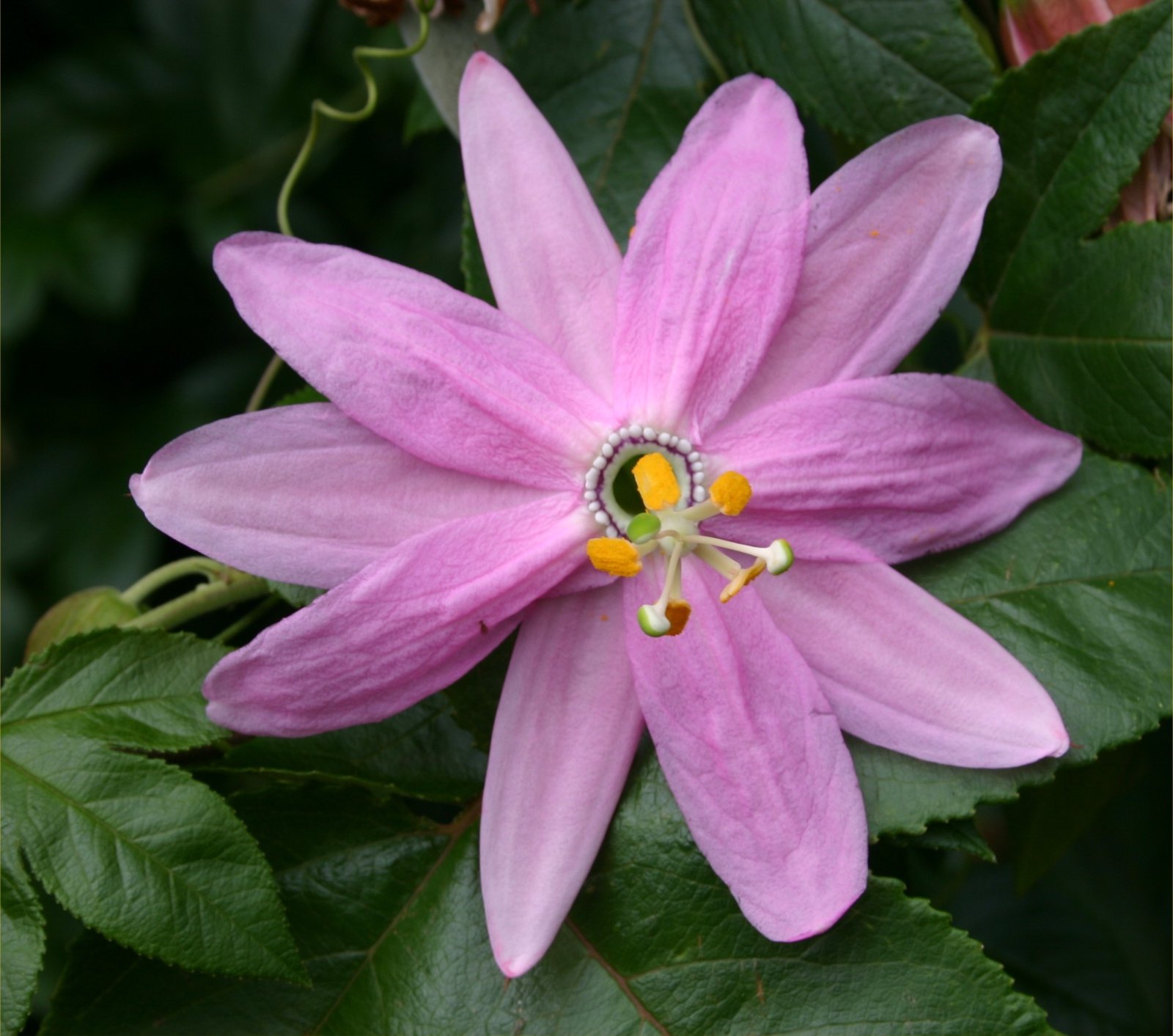
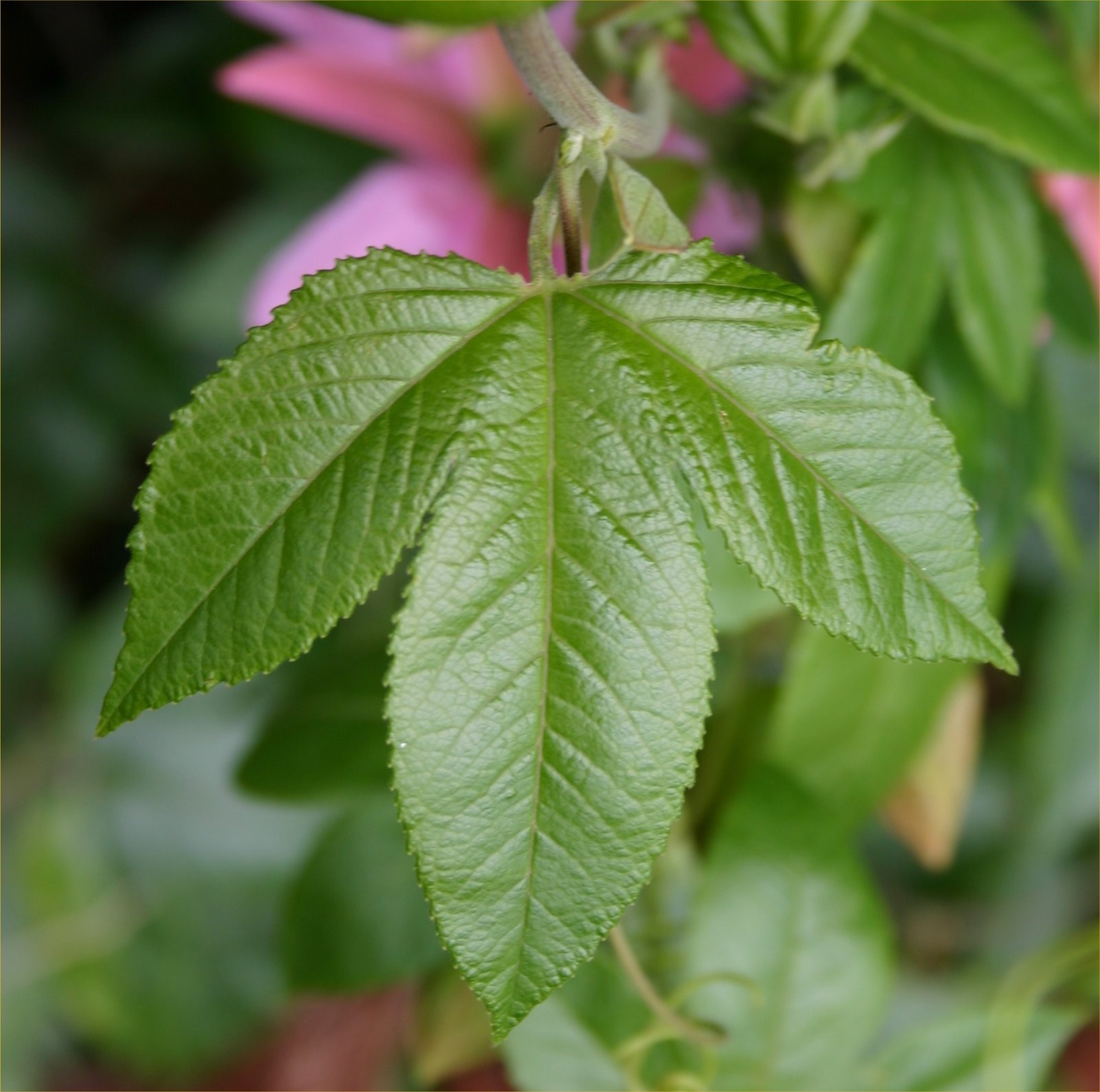
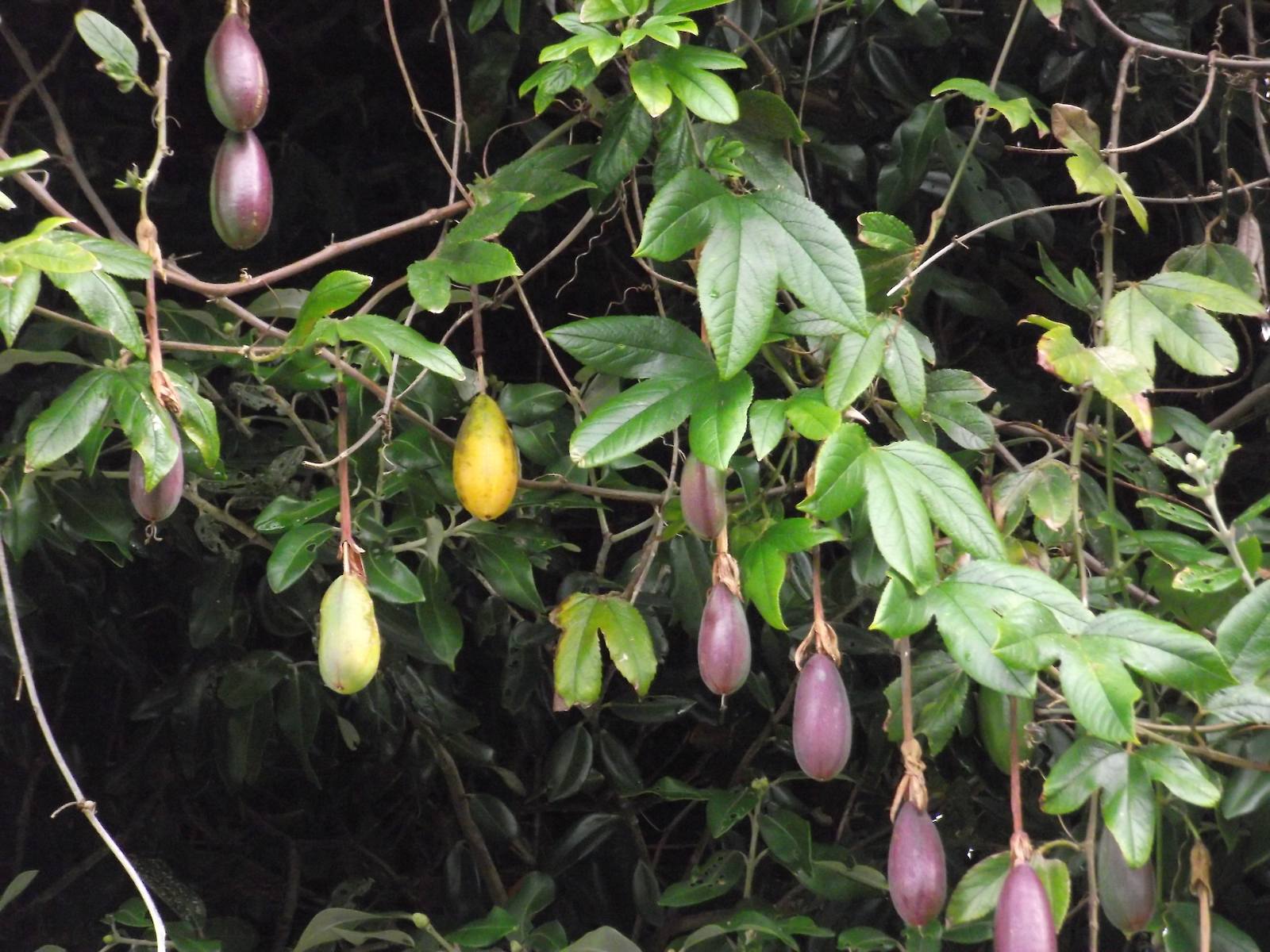
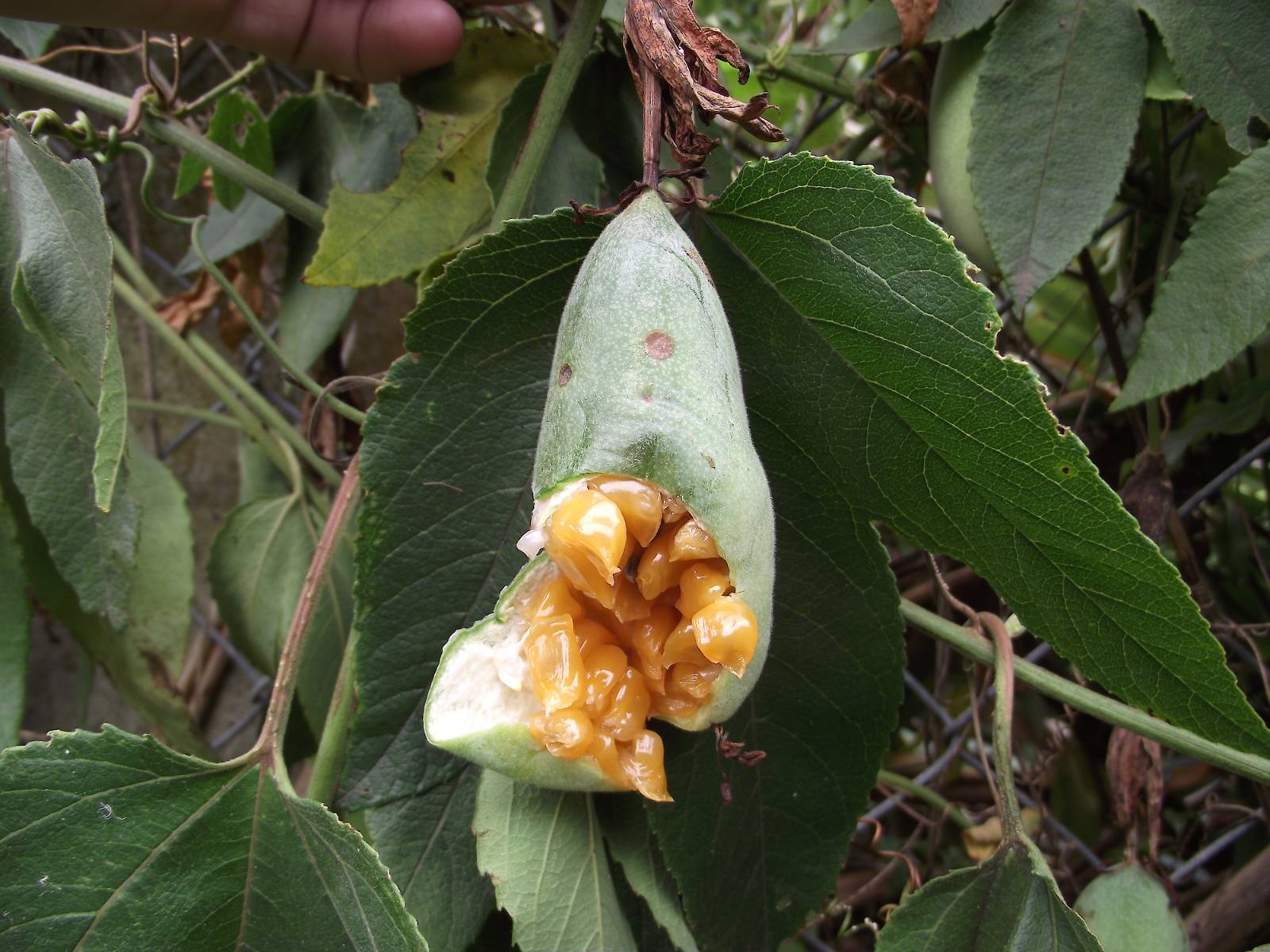
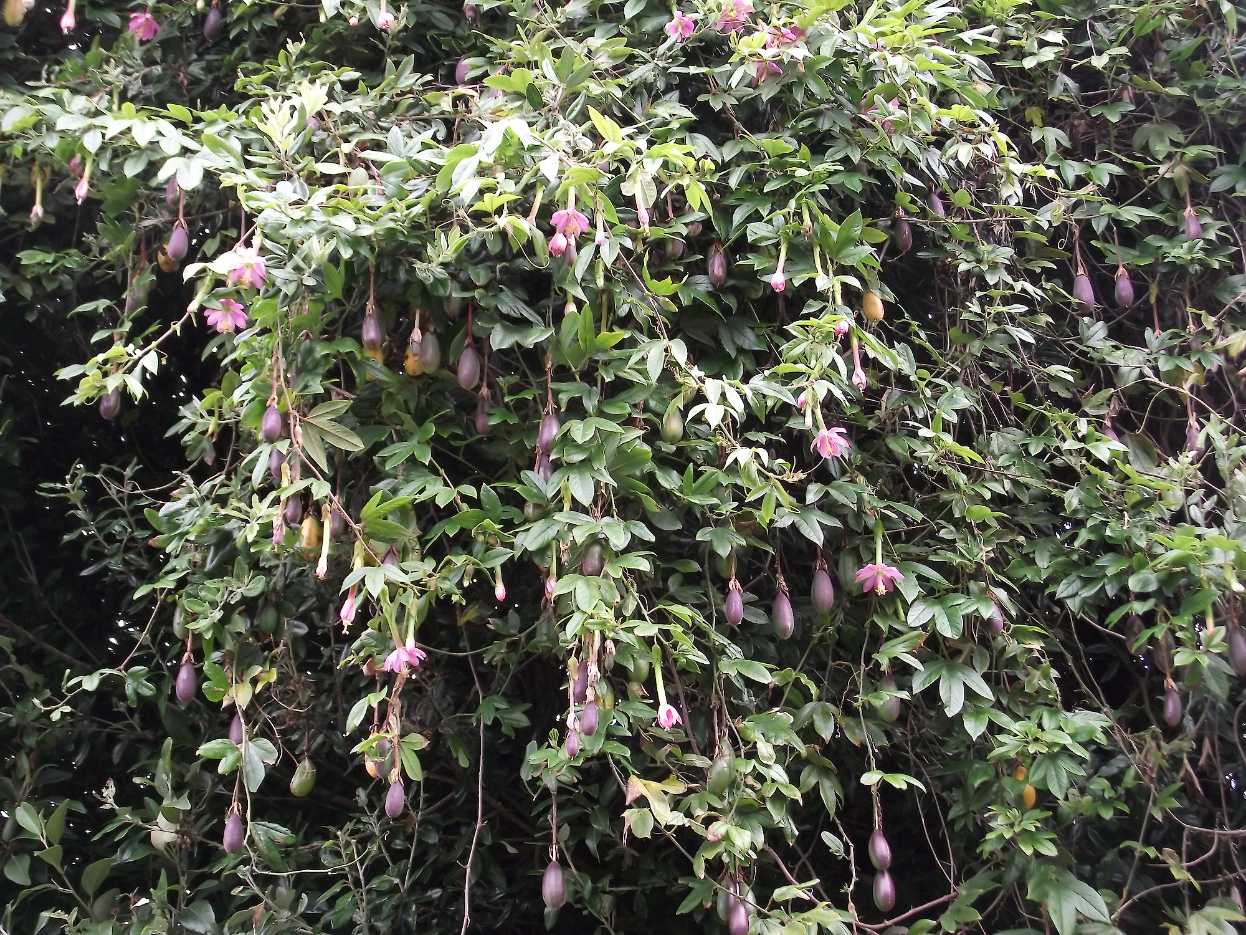
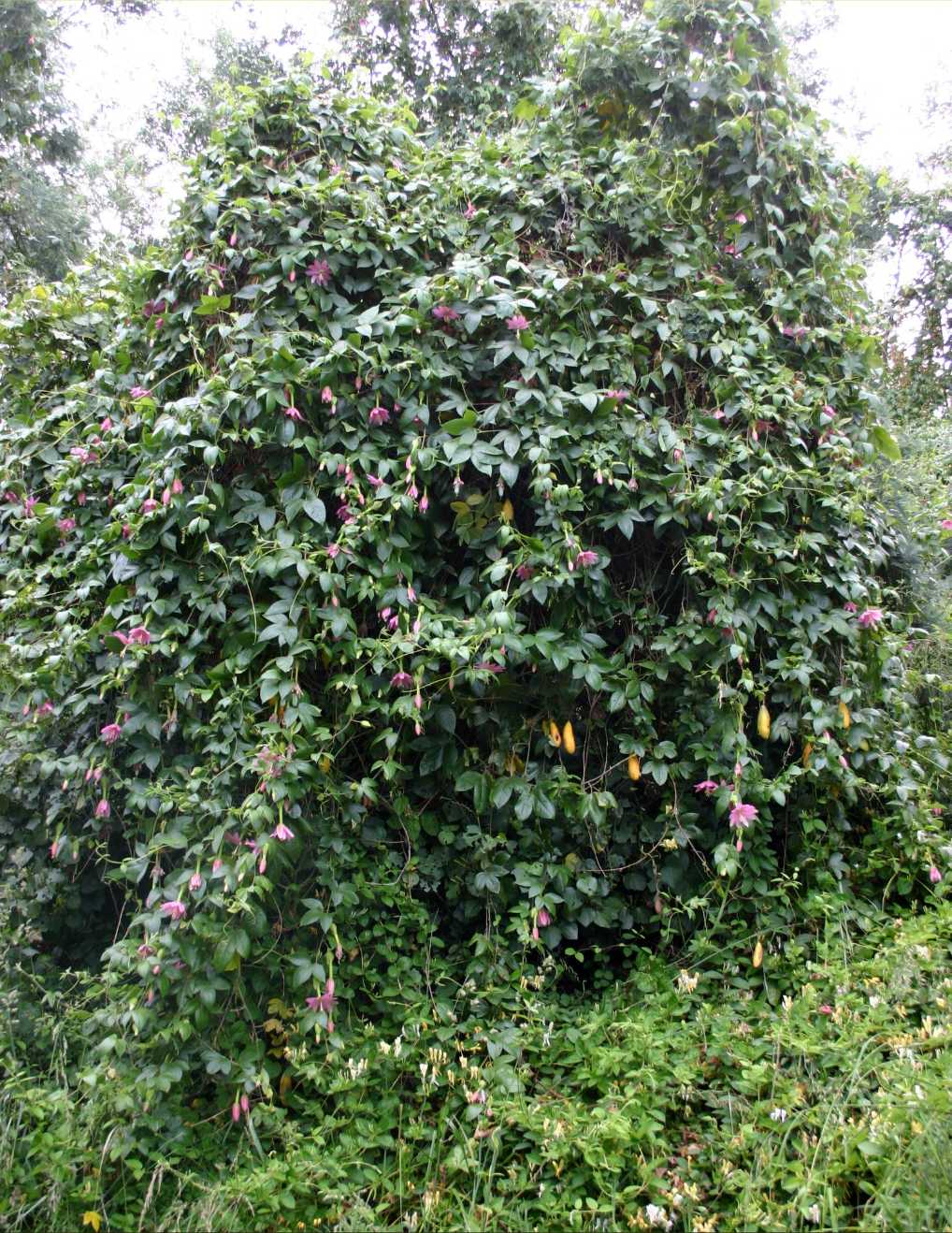
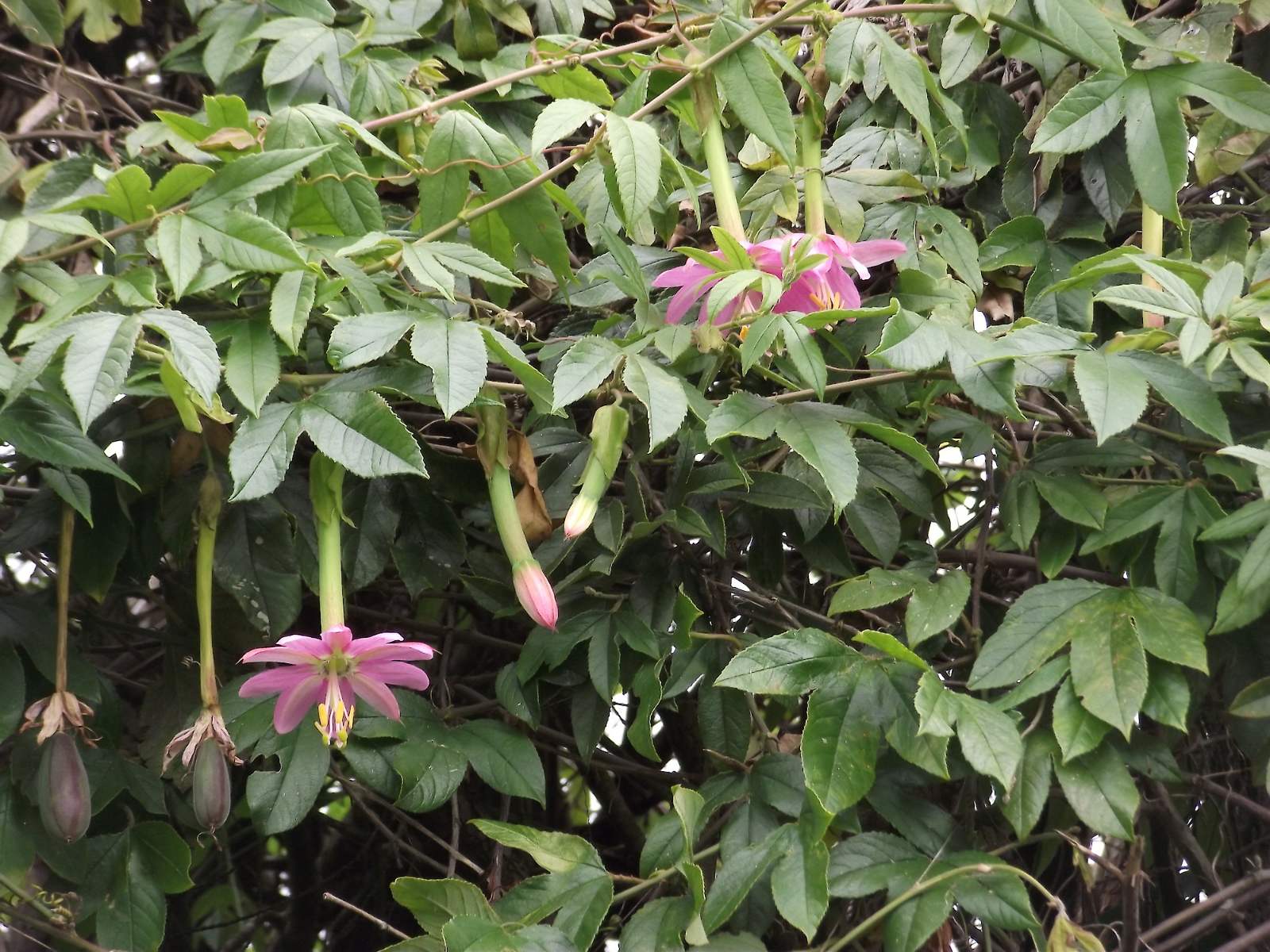
Photos courtesy of Weedbusters – credit Trevor James and Carolyn Lewis
Trying to haul banana passionfruit down out of the trees is hard, risky work, and it leaves the roots alive to grow straight back. Instead, cut the vine off at the base and get the gel into the root system – the top growth will then die and wither where it hangs.
—
Method A: Cut n Paste the Stump – Recommended for Established Vines
- Find Every Stem: Trace the vine back to the ground. Big infestations often have several main stems, plus runners that have rooted nearby.
- The Cut: Cut each stem close to the ground. On thicker stems, take out a short section (a “window”) so you can see at a glance which stems are done.
- Paste: Within 15 seconds, coat the entire lower cut surface with a thick layer of gel.
- Leave the Top: Let the upper vine die in the canopy. Lift any loose stems off the ground so they can’t take root.
—
Method B: Hand Pull – Best for Seedlings
Seedlings and small vines pull out easily, roots and all, at any time of year. Bag the plants and take them to a refuse transfer station rather than composting them.
—
What Product To Use?
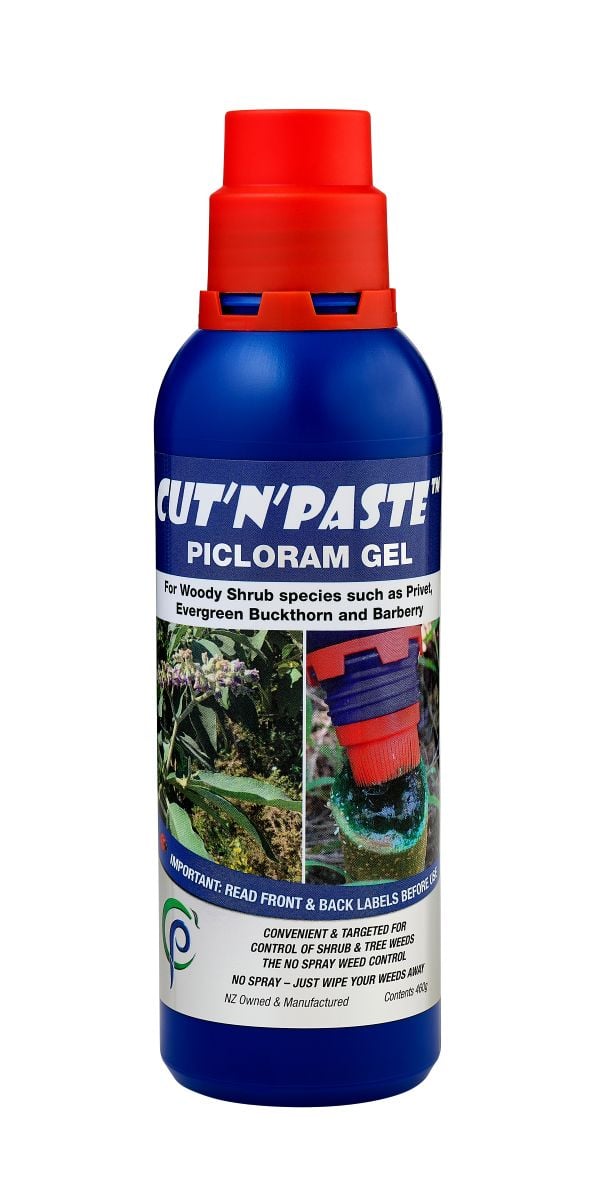
For established vines, we recommend Cut ‘N’ Paste Picloram Weed Gel or MetGel, which travel well through woody vine stems into the roots. For smaller vines, use Cut ‘N’ Paste Original Weed Gel.
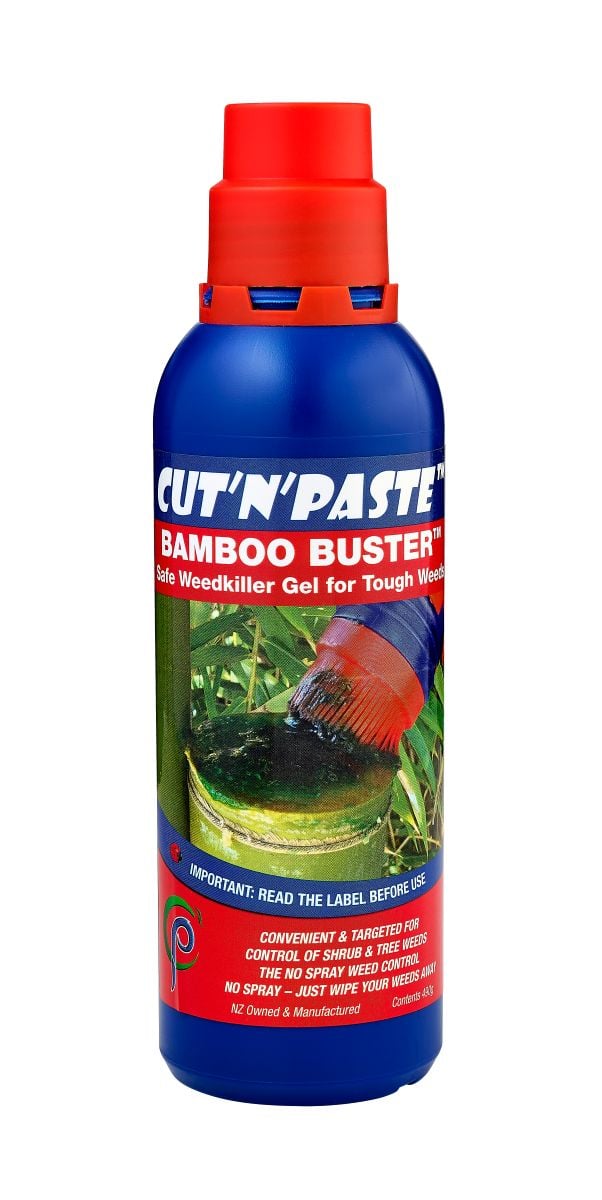
If you’re working near a stream, pond or wetland, or the vine is growing over trees you want to keep, use Cut ‘N’ Paste Bamboo Buster instead. Use only as directed on label.
—
Important Notes:
- MetGel & Picloram Safety Warning: Both MetGel (metsulfuron) and Picloram have significantly more residual soil activity than the glyphosate gels, and can move through ground moisture — MetGel’s soil half-life is roughly 30-90 days, Picloram’s half-life is 2–6 months – perhaps longer in clay soils. Do not use either near desirable non-target plants, within the root zone of prized trees, or around waterways and wetlands.
- When using MetGel or Picloram, never apply it inside the drip line (canopy edge) of prized trees or broadleaf garden plants. On flat ground, keep a 3 to 5-metre safety buffer. On sloping ground where the weed is uphill from desirable species, extend that buffer to 5 to 10 metres to account for soil water movement during heavy rain.
- If working near waterways, wetlands, or prized native root zones, use Cut ‘n’ Paste double-strength Bamboo Buster – the glyphosate formula seals the stump and prevent any lower foliage from keeping the root system alive.
- Safety First: Wear gloves and protective clothing and observe all safety protocols, especially when using machinery, chainsaws and other tools.
- When using any herbicide ensure you READ THE LABEL THOROUGHLY, follow all instructions and directions for the purchase, use and storage of the product.
- If in doubt, seek professional advice.
- Pick the Fruit First: Birds, possums and pigs eat the fruit and spread the seed far and wide. Remove and bag any fruit you can reach before you treat the vine.
- Look Under Perches: Seedlings often pop up under trees, power lines and fences where birds sit. Check these spots regularly.
- Follow Up: Check treated sites every few months for regrowth and new seedlings, and deal with them early.
- See It In Action: Read how Project De-Vine tackles banana passionfruit with Cut’n’Paste.
Alternatives to Plant: Tip: when you remove banana passionfruit, replant the gap quickly with one of these. Bare ground is just a seedbed for the next lot of weeds, especially as birds keep dropping banana passionfruit seed nearby.
- Kōhia, the native NZ passionfruit (Passiflora tetrandra), is a vigorous native climber with small white flowers and bright orange fruit. Birds love the fruit, though it isn’t really eaten by people. Kōhia is a great choice if you want the passionfruit look on a native planting.