

Cut’n’Paste Plus+ Picloram + Aminopyralid
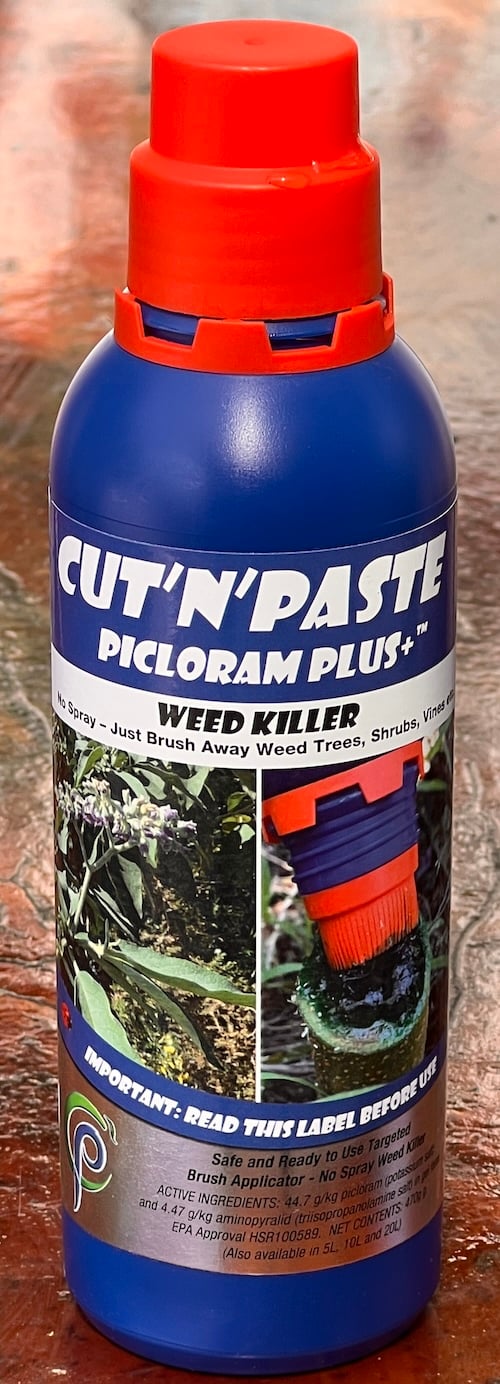
We have added a new Weed Gel to our line. Cut’n’Paste Plus+ Picloram + Aminopyralid. This new Cut’n’Paste Weed Gel has an additional Herbicide ingredient to improve the effectiveness of the Picloram gel. We have added a small premium to the price. Aminopyralid adds an effective additional herbicide effectiveness.
Cut’n’Paste Plus+ Picloram Gel contains a combination of the triisopropanolamine salt of aminopyralid and the potassium salt of picloram. They are powerful selective herbicides used for controlling tough broadleaf and woody weeds. These two active ingredients work together synergistically and are commonly found in commercial formulas.
Cut’n’Paste Plus+ Picloram Weed Gel product includes the triisopropanolamine salt of aminopyralid (at 4.47 g/L) alongside the potassium salt of picloram (at 44.7 g/L).
How the combination works
The two active ingredients target weeds in different ways to produce a more effective and long-lasting result.
- Aminopyralid: This is an auxin inhibitor that disrupts the plant’s growth processes, causing it to die.
- Picloram: This herbicide works by disrupting the plant’s ability to transport nutrients.
- Synergy: When combined, these ingredients create a synergistic effect that broadens the spectrum of weeds controlled and increases soil activity. This is particularly effective for hard-to-kill and perennial species.
Typical uses
Herbicides that combine these active ingredients are used for:
- Controlling difficult-to-manage broadleaf and woody weeds.
- Clearing brush and regrowth in pasture, rangeland, and non-crop areas.
- Targeting specific weeds such as thistles, lantana, gorse, and blackberry.
Key characteristics
- Broad-spectrum control: Effectively manages a wide variety of weeds.
- Rapid knockdown: The dual action results in the quick browning and wilting of leaves and stems.
- Long-lasting residual control: The ingredients remain active in the soil for an extended period, preventing regrowth and the germination of new seeds.
- Soil mobility: Both picloram and aminopyralid are mobile in soil and can persist for months to years, which should be considered to avoid harming non-target plants.
The triisopropanolamine salt of aminopyralid is a chemical formulation of the active ingredient aminopyralid, used as a systemic herbicide for controlling broadleaf weeds in pastures, rangelands, and other areas. It functions as a pyridine carboxylic acid herbicide.
Applications:
- Rangelands and Pastures:
- Used for control of invasive and noxious broadleaf weeds.
- Forestry and Industrial Sites:
- Also used in areas like forestry, woodlands, wildlife openings, and along utility rights-of-way.
Safety and Environmental Considerations:
- Low Toxicity:
- The NZ EPA generally classifies aminopyralid as Low Toxicity to humans and animals.
- Groundwater:
- There is a potential for it to be a ground water contaminant.
- Persistence:
- It is not considered persistent, bioaccumulating, and toxic (PBT) or very persistent and very bioaccumulating (vPvB).
- Compost/Manure:
- To dispose of contaminated materials, spread them on soils where broadleaf plants will not be grown, incorporate them lightly, and irrigate heavily in dry areas.
The New Zealand EPA considers aminopyralid to have a low toxicity to humans, terrestrial vertebrates, and invertebrates, but it is hazardous to soil organisms and toxic to non-target terrestrial plants. It is also persistent in the environment, meaning it breaks down slowly, which can lead to damage to sensitive plants like potatoes, tomatoes, peas, beans, and delphiniums from contaminated compost or manure, according to this EPA decision and this living on one acre article.
Toxicity to Humans and Animals
- Human Health: Aminopyralid has low toxicity via oral, dermal, and inhalation routes, and its formulated end-use products (like Milestone) are classified in toxicity category IV (Caution) by the U.S. EPA.
- Terrestrial Vertebrates (Birds): The EPA does not consider aminopyralid to be toxic to terrestrial vertebrates.
- Terrestrial Invertebrates: Similarly, it is not considered toxic to terrestrial invertebrates.
- Aquatic Organisms: It is not considered toxic in the aquatic environment, according to this EPA decision.
Environmental Toxicity
- Soil Organisms: A formulated end-use product containing aminopyralid was classified as hazardous to soil organisms.
- Non-Target Plants: It poses a risk to non-target plants outside the targeted application area.
- Persistence: Aminopyralid is persistent in the soil and breaks down slowly, taking longer than 30 days.
- Contaminated Compost: Its persistence means it can remain in contaminated manure and compost, potentially damaging sensitive plants when the compost is used. Sensitive plants include potatoes, tomatoes, peas, beans, and flowers like delphiniums and phlox.
Environmental Risk Mitigation
- Targeted Application: With proposed controls, the risks to the environment from targeted application methods are considered low.
- Compost Management: To reduce risks to plants from contaminated compost or manure, spread them on soils where broadleaf plants will not be grown, and incorporate them lightly into the soil. Heavy irrigation in dry areas can also help with this.



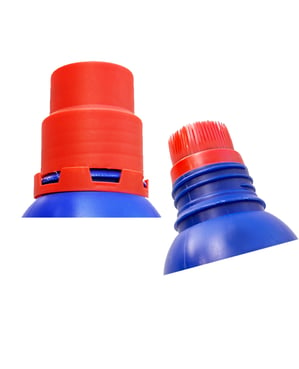 Replacement Cut'n'Paste Brush Top and Cap
 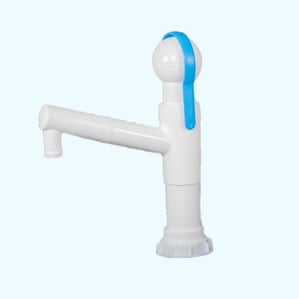 20L Pump for Cut'n'Paste Weed Gel Jerry Cans
 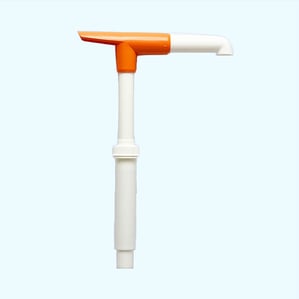 5L Pump for Cut'n'Paste Weed Gel Jerry Cans
 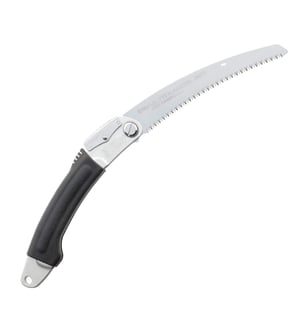 Silky Ultra Accel Folding Saw