Moth Plant Competition – Winners Announced :: Find Out


Palm Grass – Tough and Deceptive Invader
Home » Help » Weed Directory
Palm Grass looks tropical & harmless, but isn't!
Palm Grass (Setaria palmifolia) is a classic garden escapee that catches many New Zealand property owners off guard. Introduced originally as an exotic ornamental plant from India, it looks remarkably like a harmless, tropical palm seedling when young. However, this aggressive perennial grass forms massive, dense clumps with an incredibly tough underground root network (rhizomes).
Once established, Palm Grass creates a total groundcover that aggressively smothers native seedlings, taking over lawns, bush margins, and damp areas. It is highly resilient - tolerating everything from deep shade to full sun, wind, salt, and intense drought - meaning it won't disappear without a targeted approach.
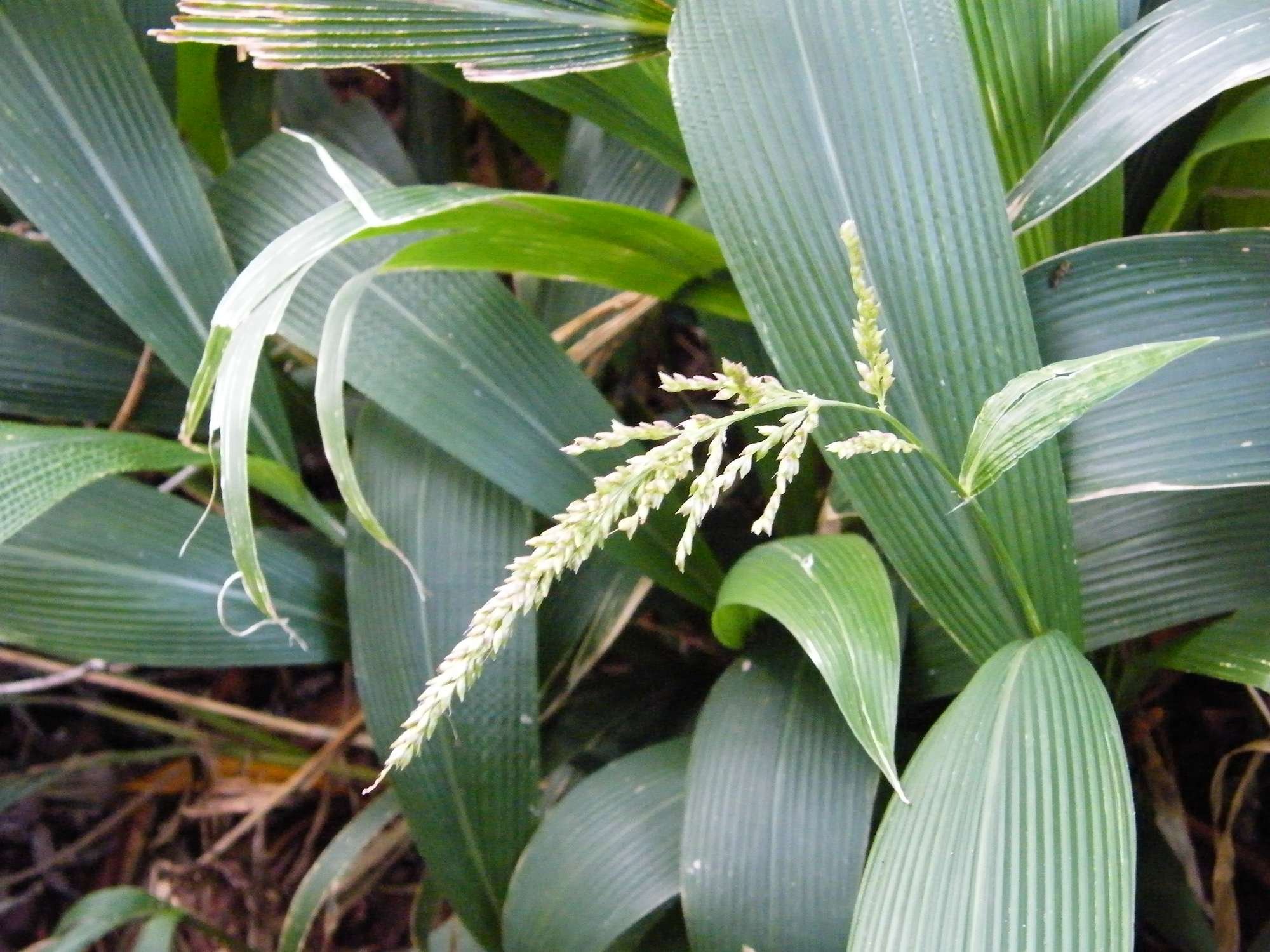
Identifying Palm Grass is relatively straightforward because it behaves quite differently from standard garden grasses. Look out for these key physical features:
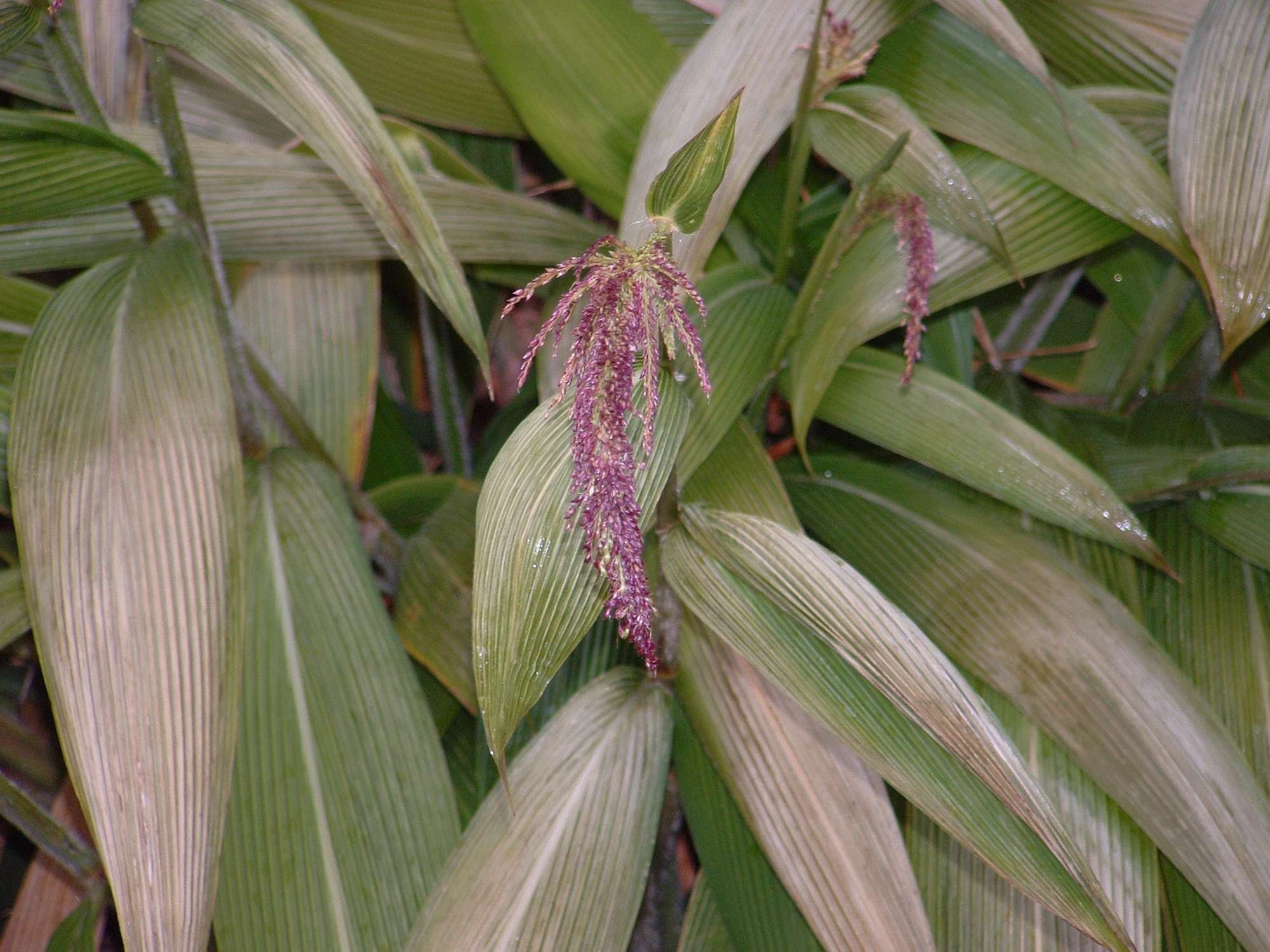
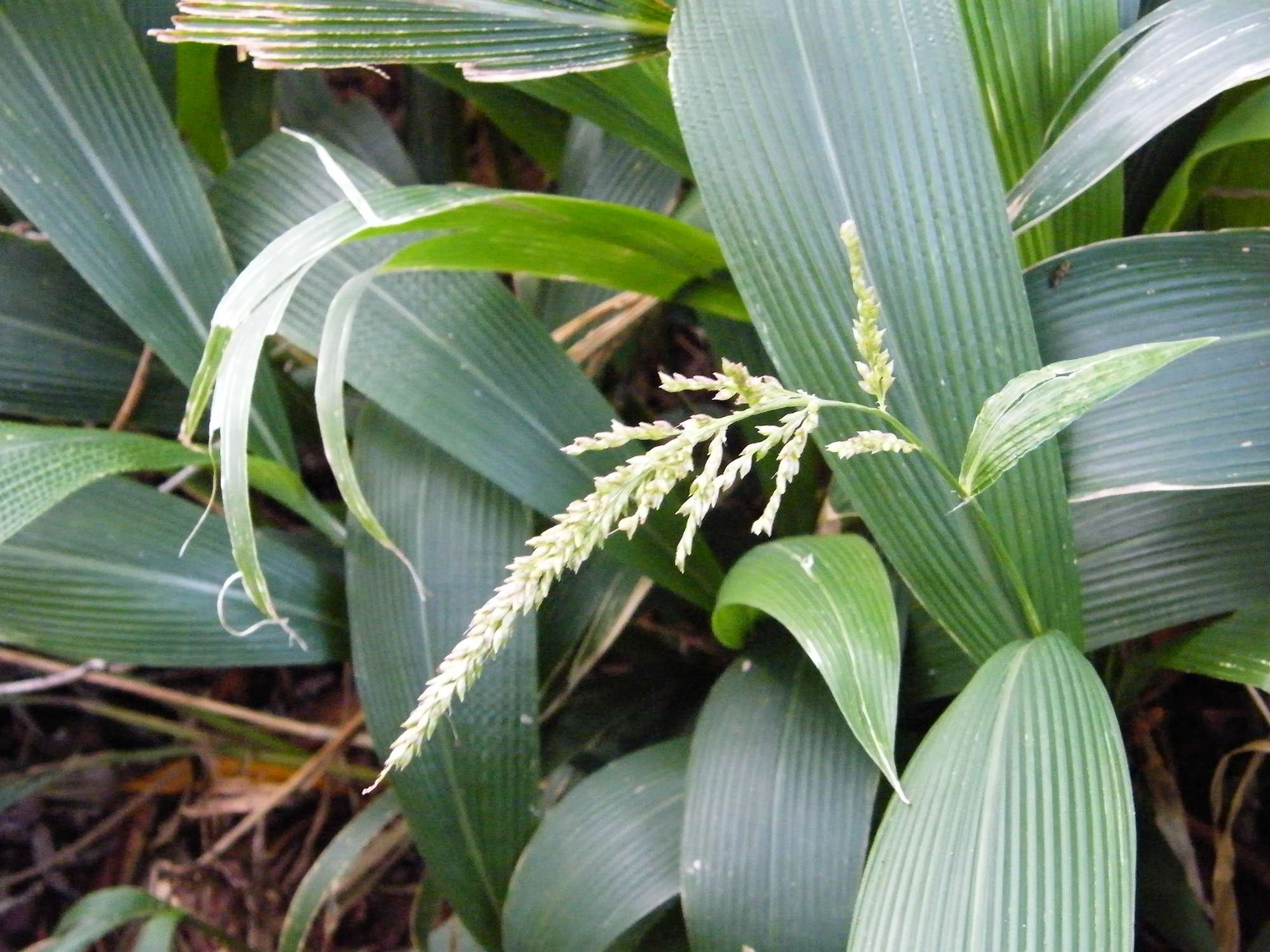
The Leaves: Large, harsh, hanging leaves (measuring up to 1 metre long and 8cm wide) that look exactly like young palm fronds. The leaves are distinctly “pleated” lengthwise and taper to a sharp point.
The Hairs: The leaf stalks and rounded stems are heavily covered in small, stiff, irritating silicate hairs. Running your bare hand over them feels rough, dry, and can easily cause skin irritation.
The Seedheads: Long, narrow, arching flower stems (20-30cm long) appear between December and March, sporting fuzzy, foxtail-like tips.
Lookalikes: There are no true lookalikes in New Zealand; this is the only grass species with distinctly pleated, palm-like leaves.
Photos credit of Weedbusters
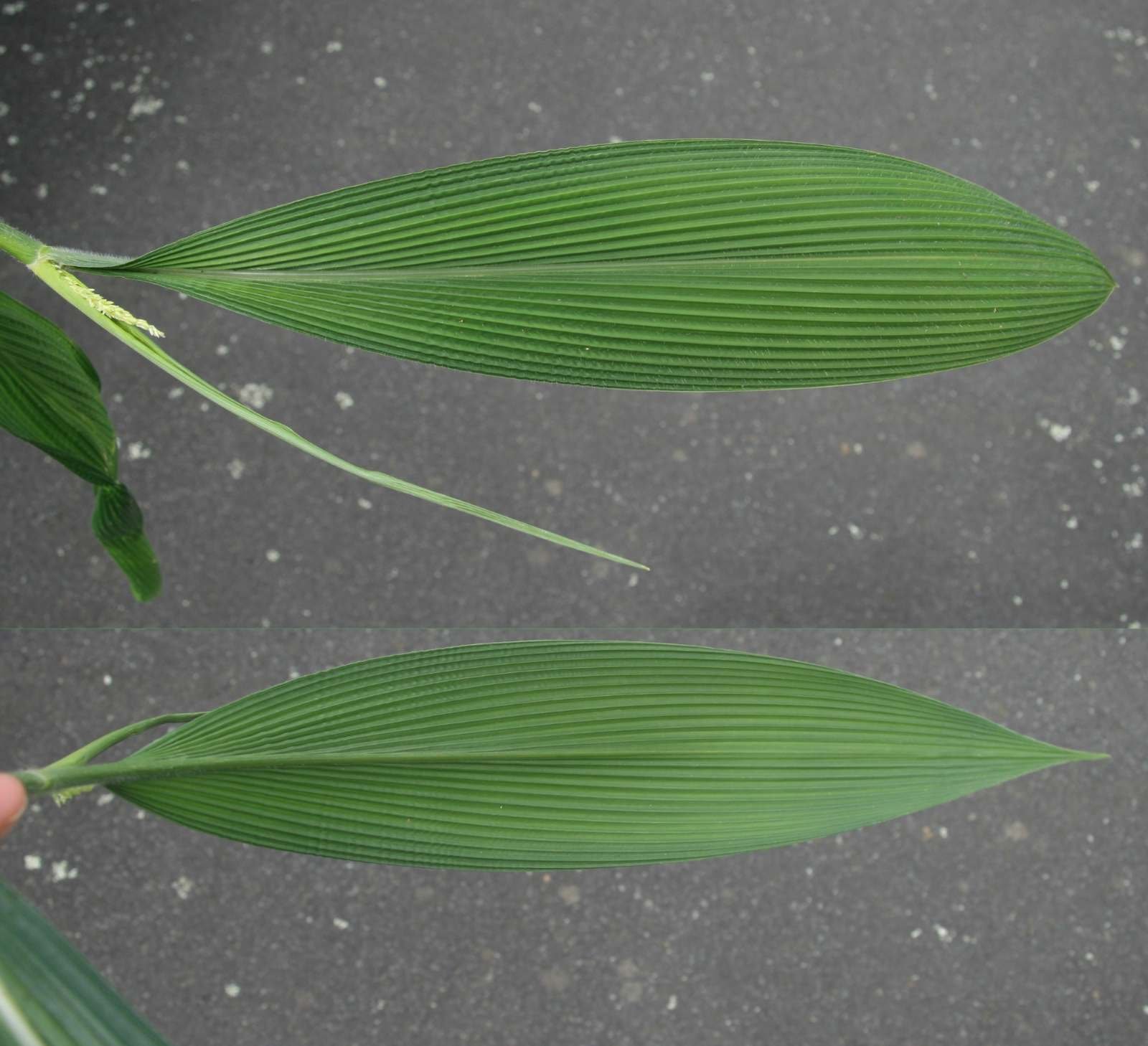
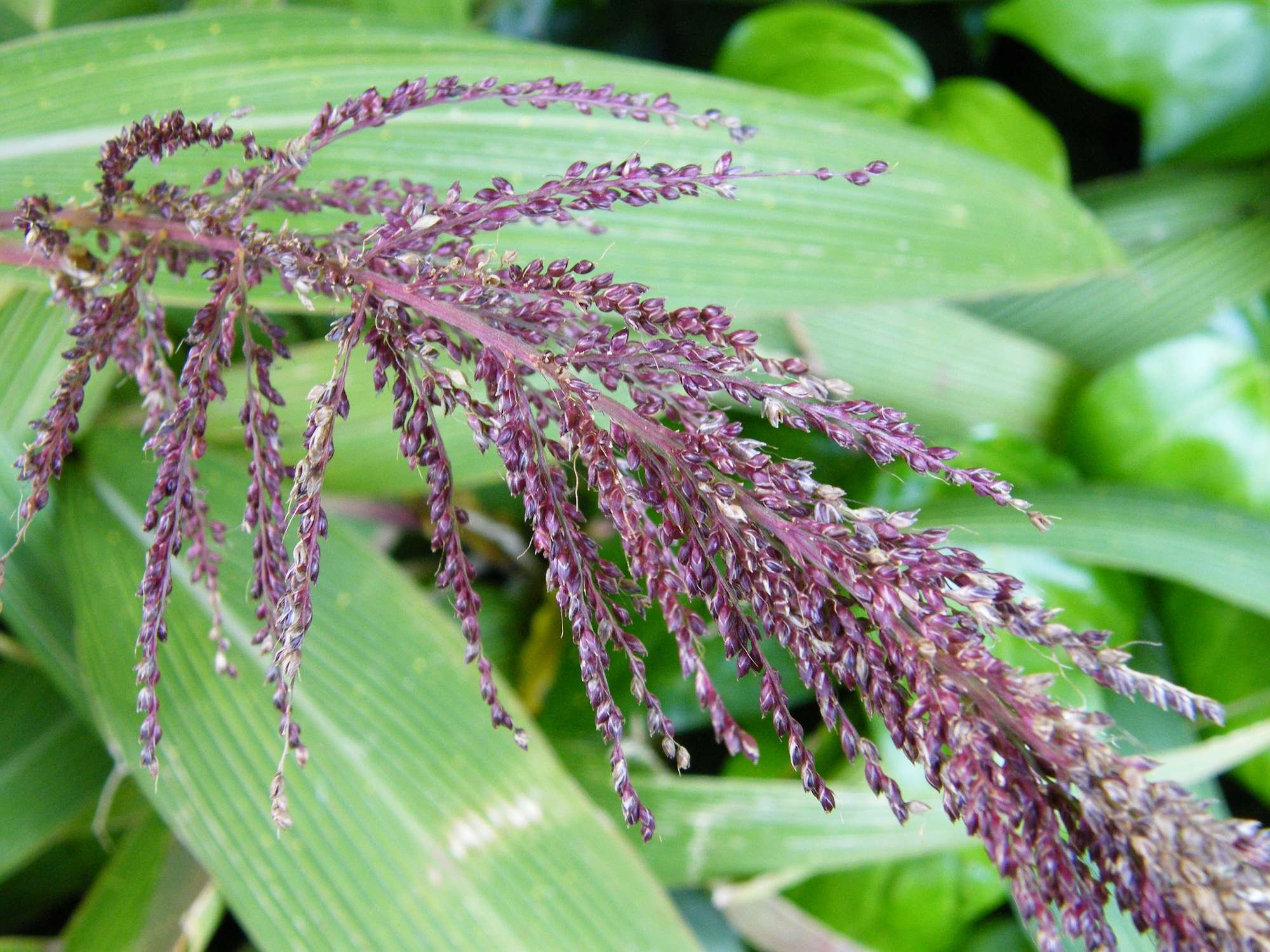
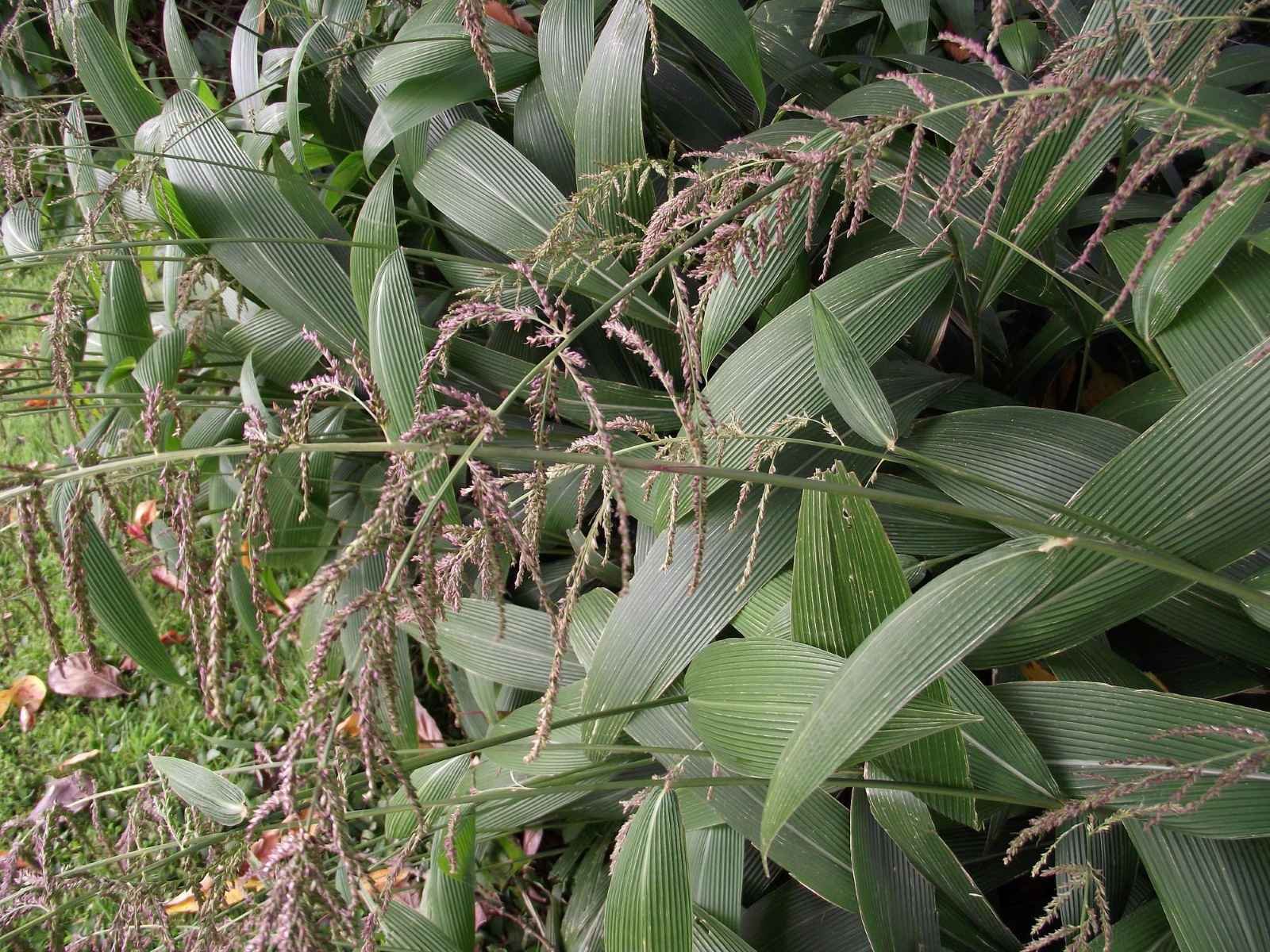
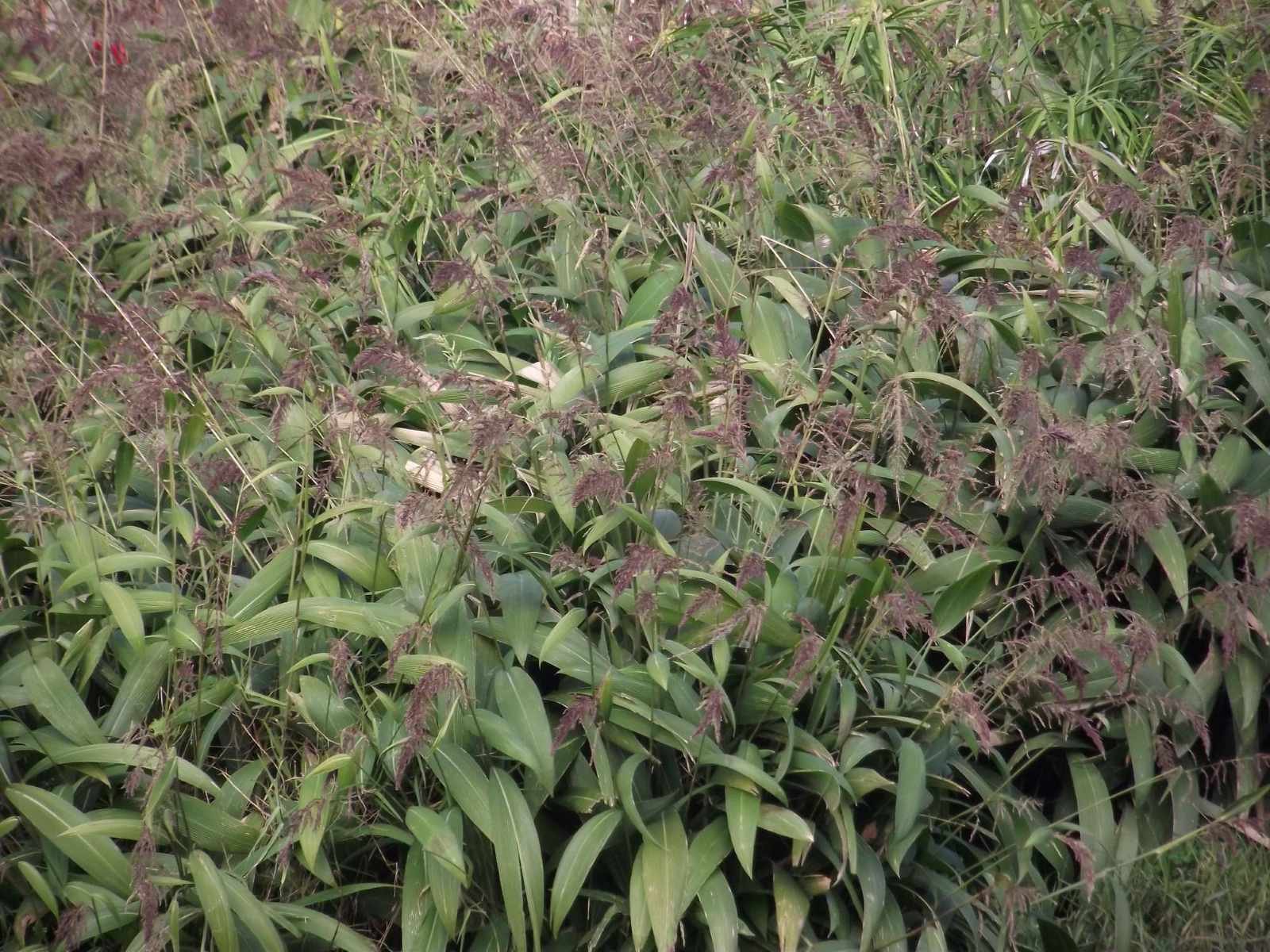
The secret to killing Palm Grass permanently is to destroy its dense mass of tough underground rhizomes (creeping root stems). Simply mowing or hacking the leaves back will achieve nothing – the roots will quickly resprout. To kill it, you must get our systemic herbicide into the plant’s vascular system, and you can achieve this using two highly effective methods depending on the size of the job.
—
Method A: The Simple Leaf-Smear – Recommended for Large Clumps
If the Palm Grass clump is too large or too scratchy to cut down (or too small to find the stem easily) you can simply paste the underside of the leaves. Put on disposable gloves, squeeze out your herbicide gel, and smear a liberal layer of the gel onto the undersides of several healthy, green leaves. The undersides of the leaves will absorb the formula, and the plant will draw the weedkiller straight down into its root system, killing the entire clump over a few weeks while it stands.
—
Method B: The Base Cut – Best for Tight Spaces or if you can locate a large stump / central stem.
If you can access the stem and it’s large enough / easy enough to cut down:
Gear Up: Put on disposable gloves and long sleeves to protect your skin from the irritating, scratchy silicate hairs on the stems.
The Cut: Gather the large leaves into a bunch and cut the entire clump down as close to the ground surface as possible.
Paste: Within 15 seconds of cutting, apply a thick 4-5mm layer of gel across the entire freshly cut base stump before the cells seal.
—
What Product To Use?
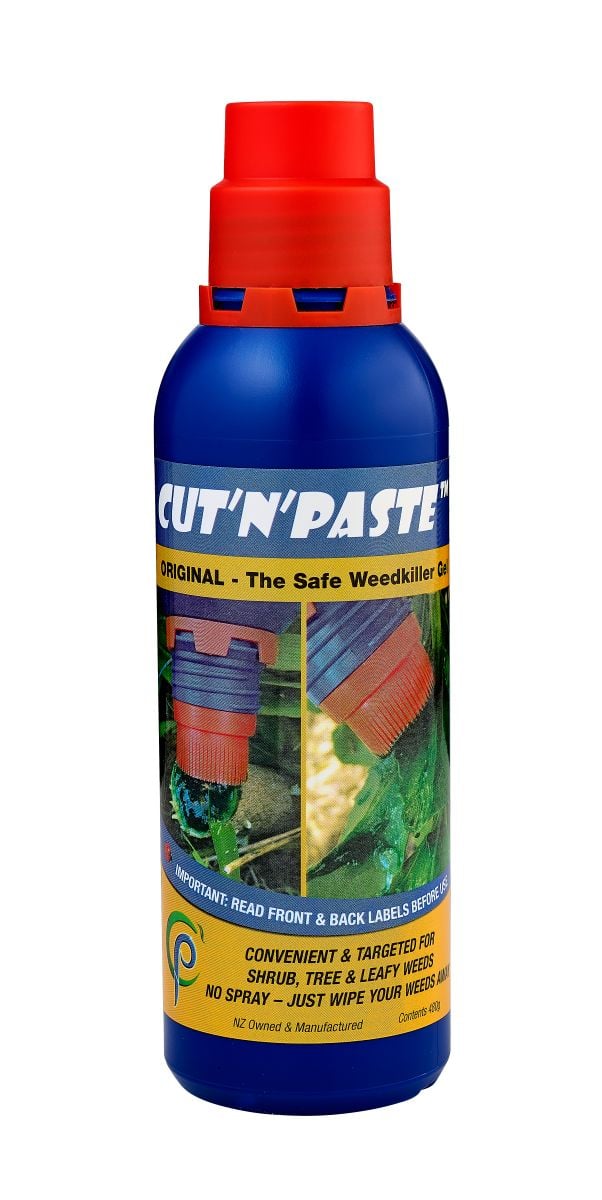
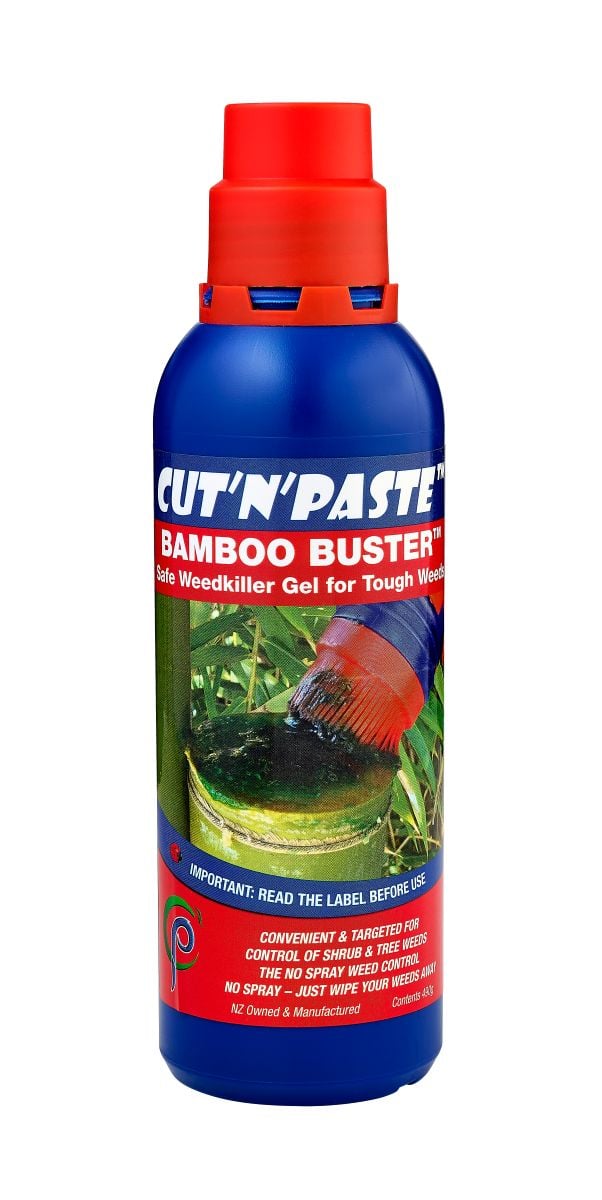
To kill Palm Grass effectively, we have two products that we would highly recommend. If the clump is small and not well established, you can use Cut ‘N’ Paste Original Weed Gel. However, if there are multiple clumps or a large patch or it has been growing / establishing for a while, we would recommend Cut ‘N’ Paste Bamboo Buster – which contains a double-strength glyphosate formula at 240g/L, matching the exact strength recommended by environmental agencies for treating this tough rhizome mass.
With Glyphosate-based gels like these, you can wipe out the dense root core with total precision, knowing that valued native plants and lawns nearby will not be affected. However, because of the concentration of glyphosate in the gel, do not use next to waterways or open wetlands. Use only as directed on label.
Do Not Leave Roots Behind: If you attempt to physically dig out smaller, isolated patches of Palm Grass instead of pasting them, ensure you remove every single piece of the root mass. Any rhizome fragments left behind in damp soil will rapidly sprout into an entirely new clump.
Safe Scrap Disposal: Never toss cut Palm Grass stems or seedheads into your home compost heap or over a fence into nearby bush. Dumped garden waste is the primary way this weed spreads across New Zealand. Bag up the seedheads and root pieces and dispose of them safely at a refuse transfer station, or leave them to dry out completely on a hard surface like concrete where they cannot touch the soil.
Watch out for Regrowth: Palm Grass leaves drop highly viable seeds that build up a seed bank in the soil. Keep an eye on the treated area a few times a year, and quickly paste any new baby seedlings that pop up before they can establish a tough root system.