Moth Plant Competition – Winners Announced :: Find Out


Boneseed (Chrysanthemoides monilifera)
Home » Help » Weed Directory
The golden shrub that’s stealing our coastlines
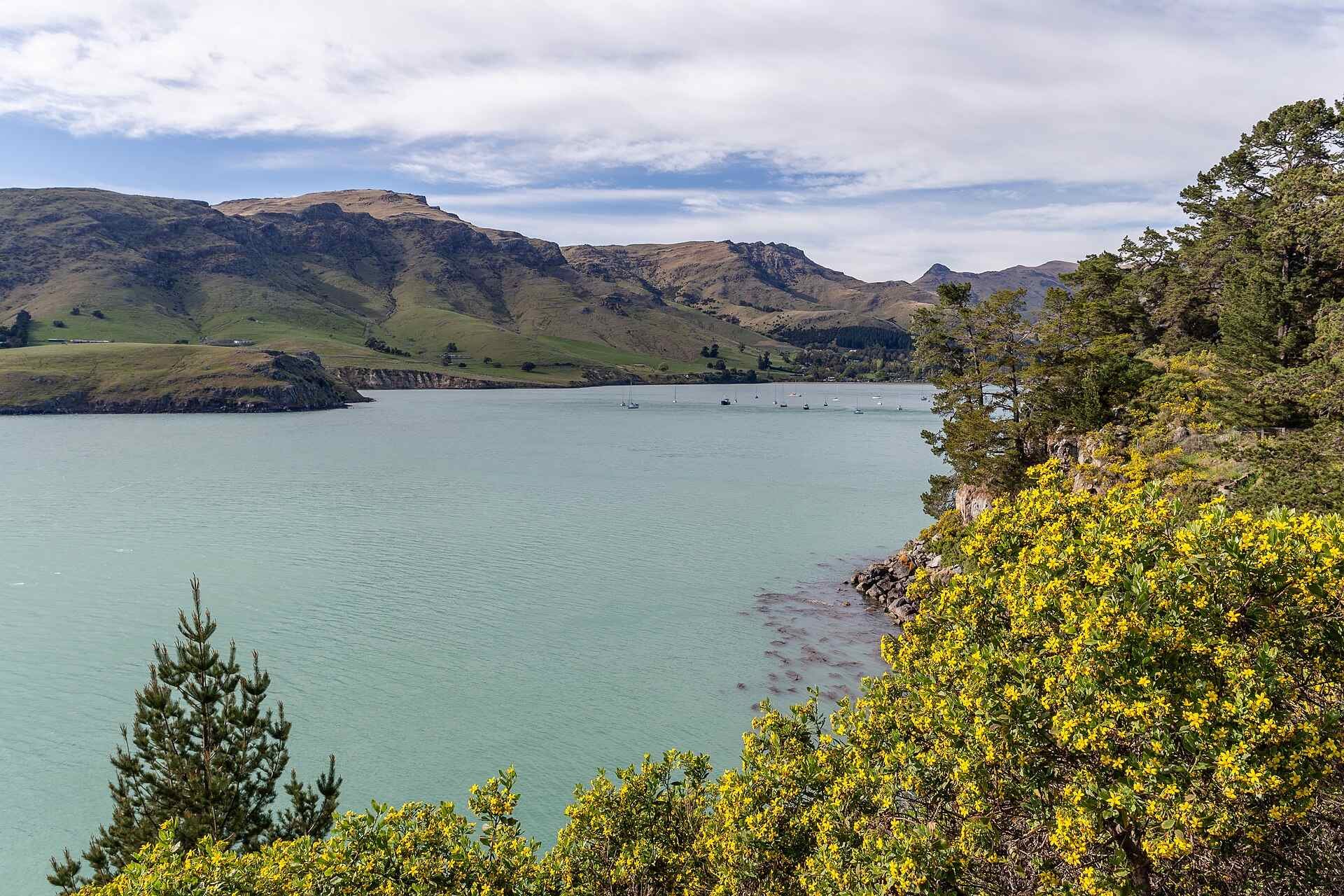
With its bright yellow daisy-like flowers and lush green leaves, Boneseed looks like the perfect addition to a coastal garden. In fact, that’s exactly why it was brought to New Zealand from South Africa in the mid-1800s - because it looks sooo pretty! But don't let those cheerful flowers fool you. Boneseed is a ruthless invader that specializes in taking over our fragile coastal ecosystems.
It thrives where other plants struggle - on salty cliffs, sandy dunes, and poor, dry soils. Because it grows so fast and produces up to 50,000 seeds per plant every year, it quickly forms thick, impenetrable hedges. These hedges act like a wall, blocking light and physical space, eventually pushing out iconic native species like Pohutukawa, Harakeke (Flax), and Ngaio.
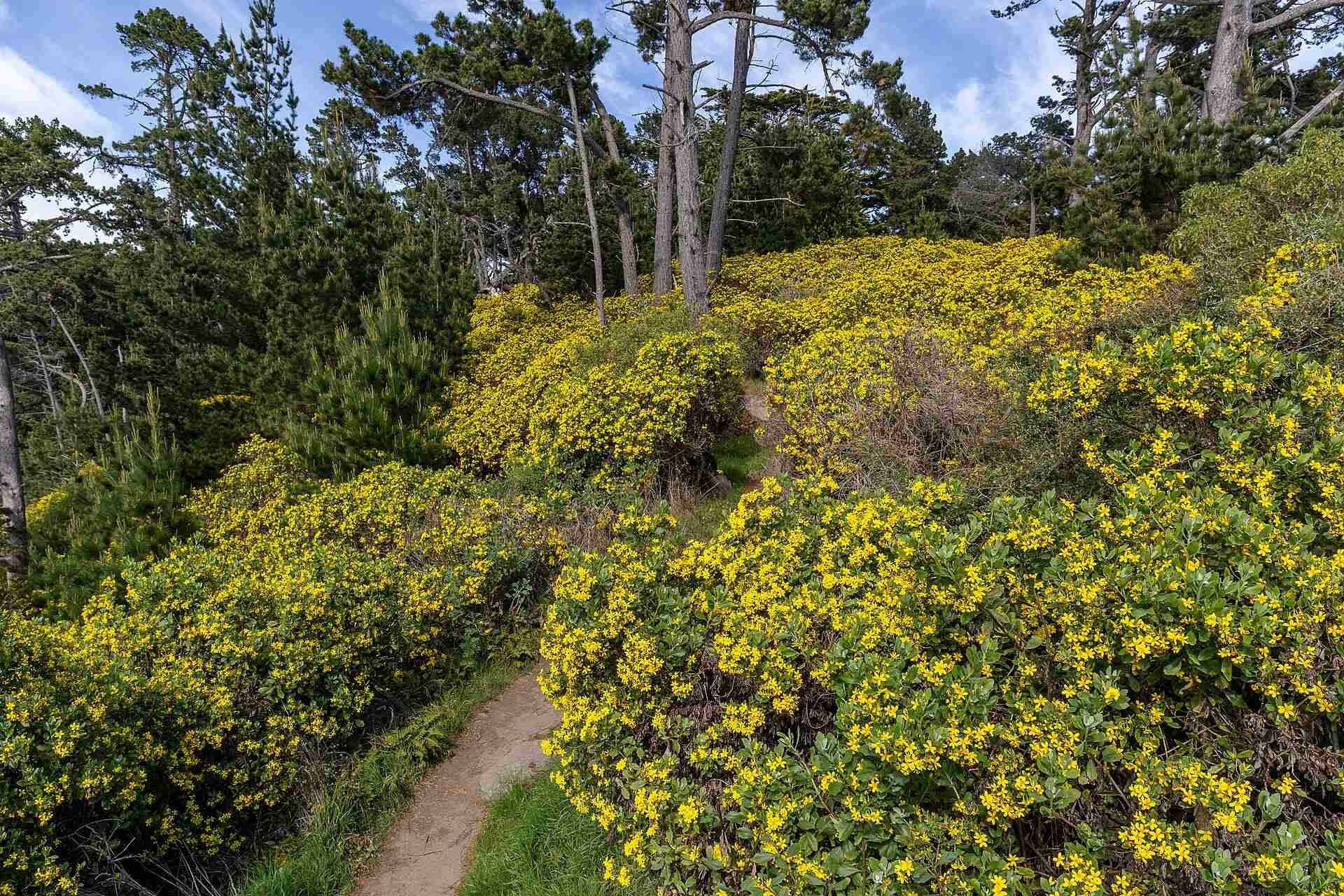
Recognizing Boneseed is easy once you know what to look for, especially the difference between the “woolly” young plant and the “smooth” mature tree.
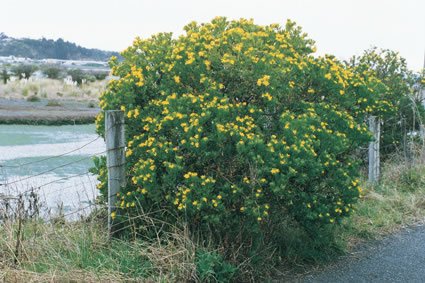
The Growth: It is a bushy, semi-woody shrub that can grow into a small tree up to 2–3 metres tall. You’ll notice it is “much-branched,” meaning it creates a dense, tangled structure.
The Stems: Look closely at the new growth. Young stems are ribbed and woolly (covered in a white, cobweb-like fuzz), but they become smooth and woody as they mature.
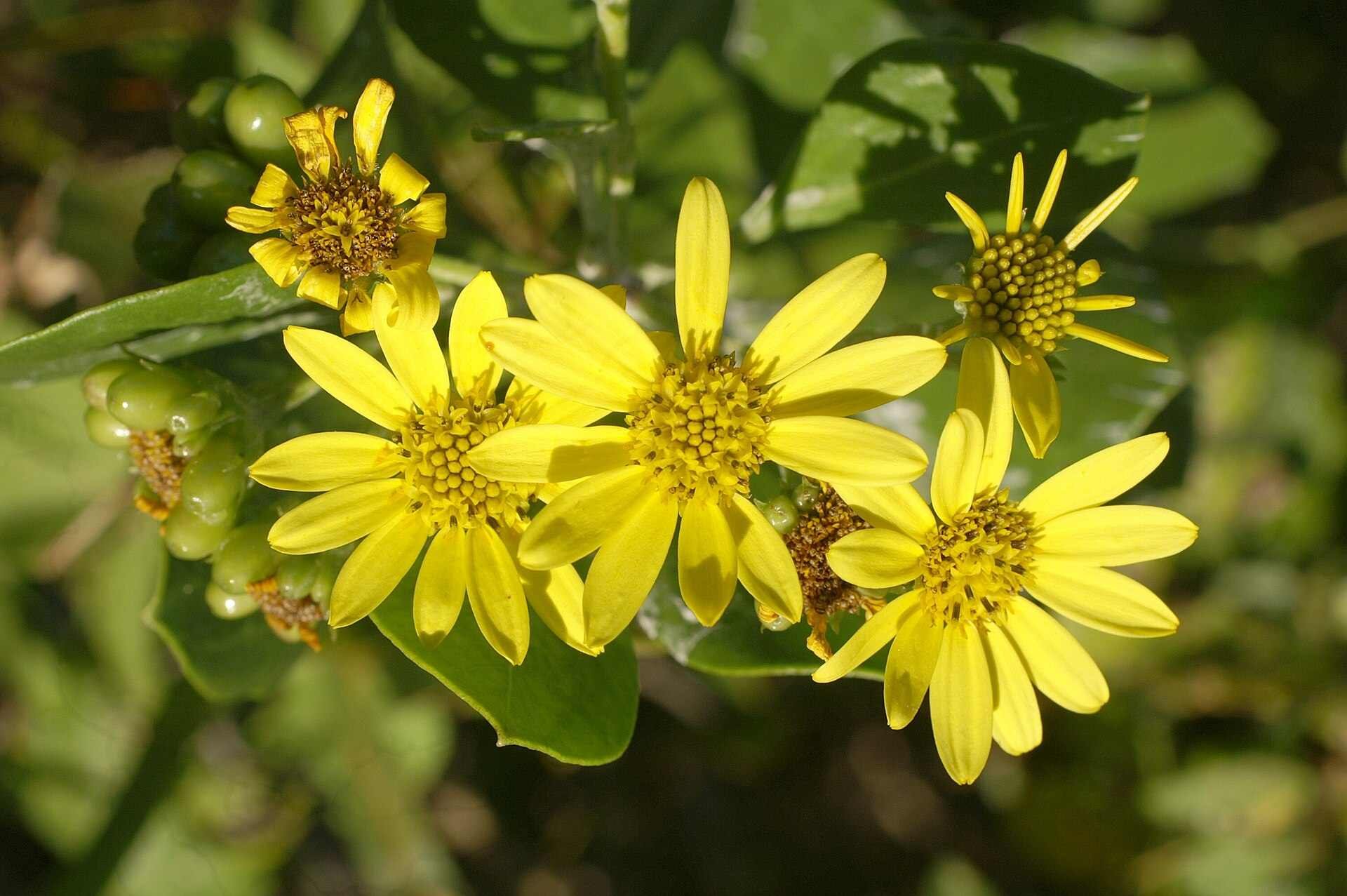
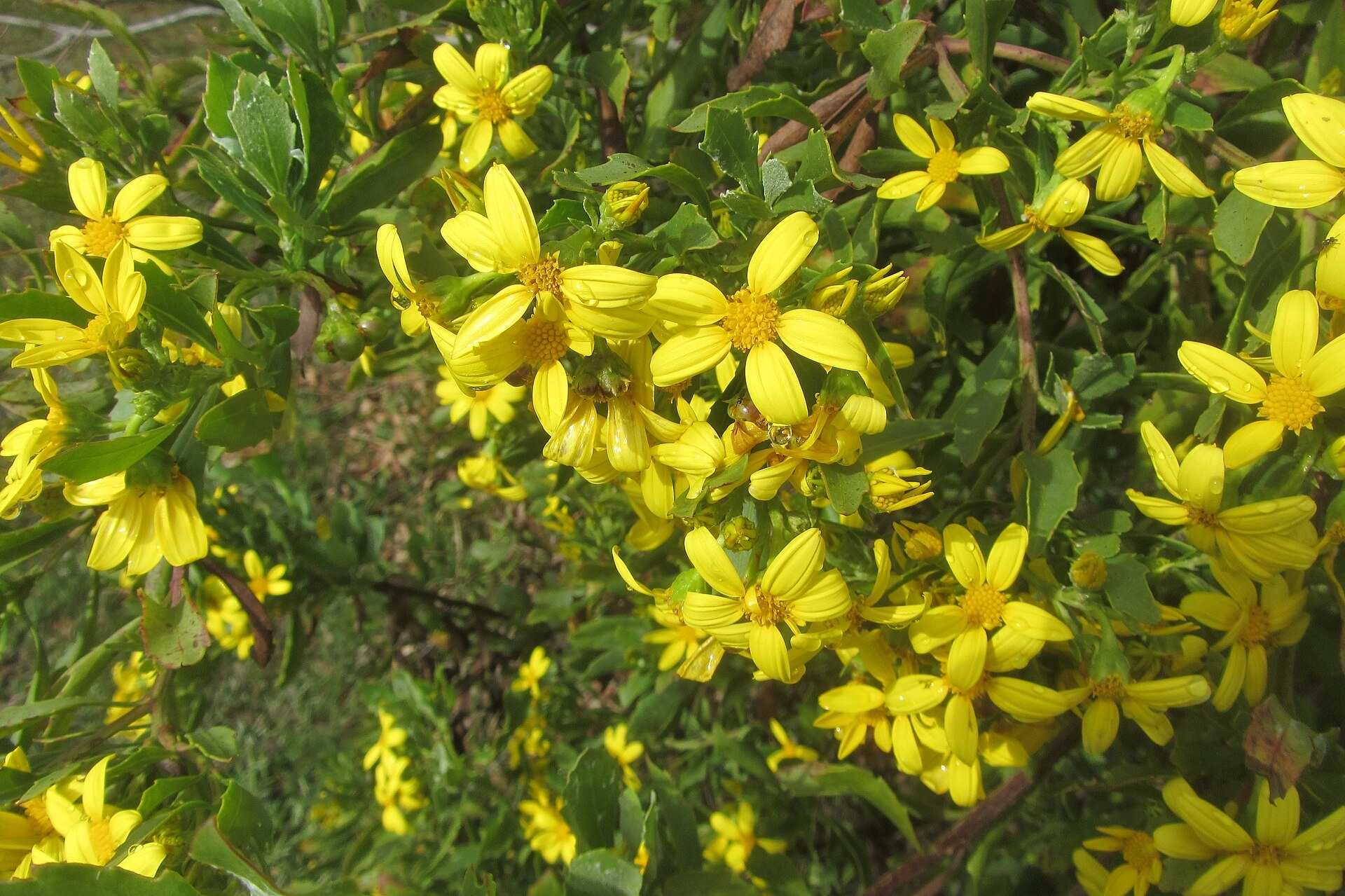
The Leaves: The leaves are bright green, leathery, and smooth (approx. 70mm long by 35mm wide). They are arranged alternately along the stems and have distinct, irregularly toothed edges—almost like a steak knife.
The Flowers: Between September and February, the plant is covered in bright yellow daisy-like flowers (about 25–30mm in diameter).
The Fruit & “Bone” Seeds: After flowering, hard oval green fruits appear (6–9mm long). These ripen to a waxy black. Each fruit contains a single, incredibly hard white seed that looks like a small piece of bone.

The Hands-On Approach (Manual Removal)
If you’ve spotted a few lone seedlings or a very small patch, you can often deal with them by hand.
Pull or Dig: Small seedlings can be yanked straight out of the ground.
Pro Tip: Timing is everything! Try to pull them before the berries turn black.
Stump Treatment: The Cut’n’Paste Method
For established woody shrubs and small trees, cutting them down is the most satisfying and effective way to deal with them.
The Technique: Use loppers or a saw to cut the trunk as close to the soil as you can.
The “30-Second Rule”: Speed is your friend. Apply your herbicide gel to the entire cut surface immediately. If you wait too long, the plant “scabs over” and won’t absorb the gel.
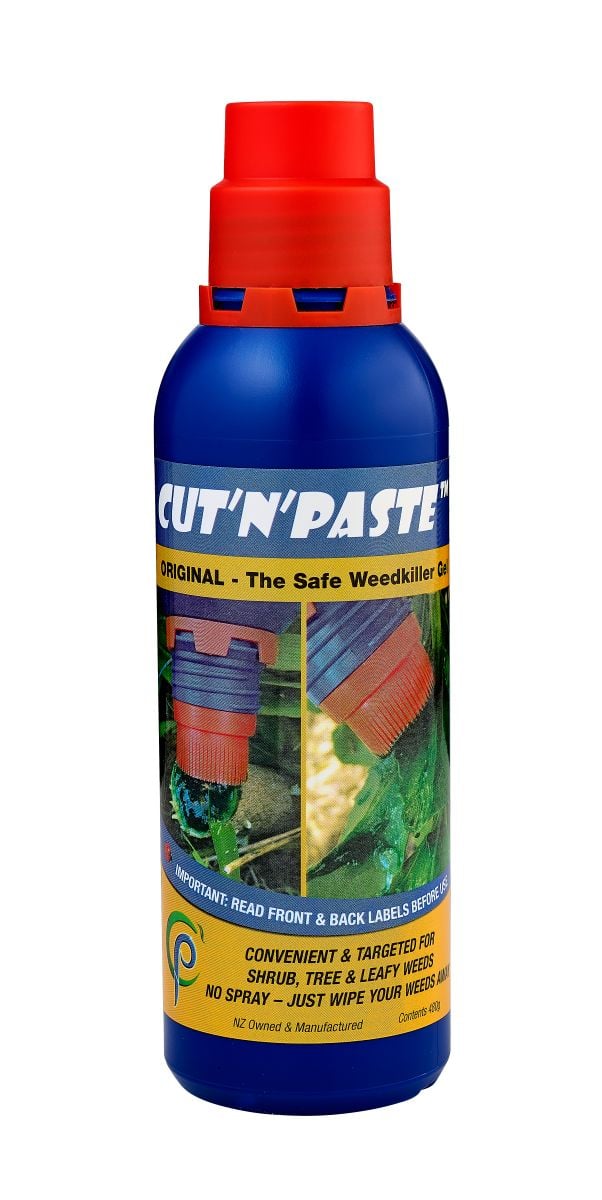
Recommended Gels: * Original WeedGel – The best all-rounder.
The “Leaf Swipe” (For Seedlings & Sensitive Areas)
If you are dealing with a “carpet” of seedlings or the weed is growing right inside a native plant, use this surgical strike.
The Technique: Instead of cutting, simply swipe your Cut’n’Paste gel onto the undersides of the top 2 or 3 youngest leaves.
Precision Matters: Because the gel is non-selective (it will kill any plant it touches), be careful not to let treated leaves drip onto your prize-winning natives. Use your judgment—bigger seedlings might need a couple more leaves “painted” to ensure the roots get the message.
Important Notes:
- ⚠️ Safety Warning: MetGel and Picloram / Picloram Plus+ have significantly more residual soil activity than the glyphosate gels, and can move through ground moisture. MetGel has a soil half-life of roughly 30–90 days, and Picloram roughly 2–6 months, perhaps longer in clay soils. Do not use either near desirable non-target plants, within the root zone of prized trees, or around waterways and wetlands.
- When using MetGel or Picloram, never apply it inside the drip line (canopy edge) of prized trees or broadleaf garden plants. On flat ground, keep a 3 to 5-metre safety buffer. On sloping ground where the weed is uphill from desirable species, extend that buffer to 5 to 10 metres.
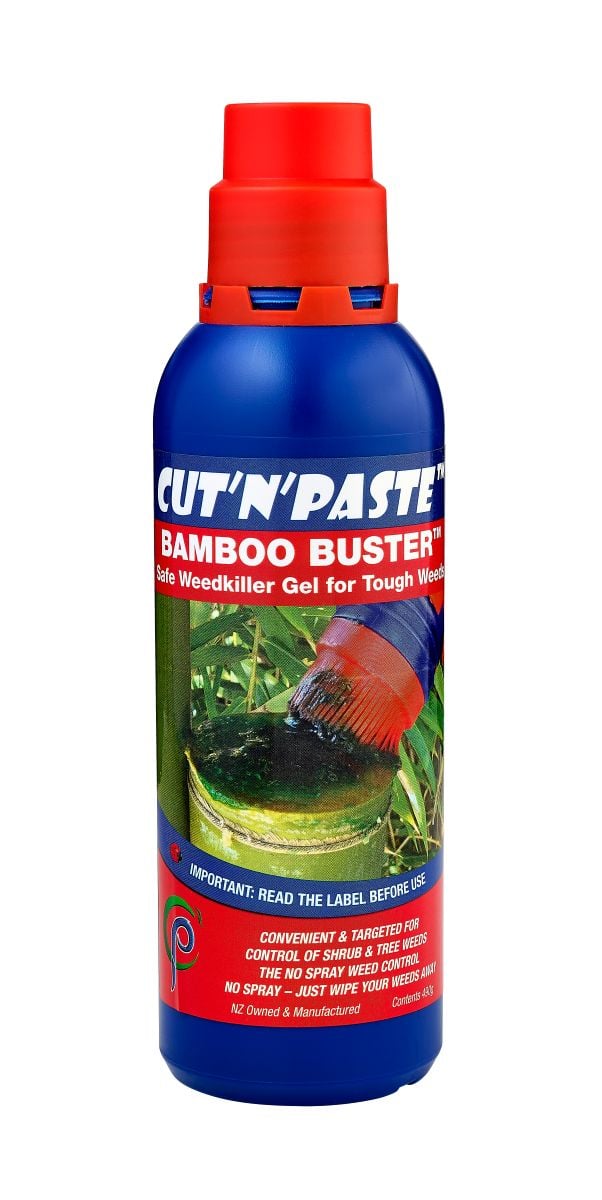
- Weeds often grow along streams and in gullies. If you’re working near waterways, use Bamboo Buster. Do not allow any weed gel to enter the water.
- Only treat weeds / target plants / trees that are on your property, or that you have permission to treat. Be aware that some species might have protection status or have a notable status, or be a designated scheduled tree under the district plan – if in doubt, check with your local council.
- Safety First: Wear gloves and protective clothing and observe all safety protocols, especially when using machinery, chainsaws and other tools.
- When using any herbicide ensure you READ THE LABEL THOROUGHLY, and follow all instructions and directions for the purchase, use and storage of the product.
- If in doubt, seek professional advice.
- Fire Hazard: Boneseed is highly flammable. If you have a large infestation near your home, it can actually increase the fire risk to your property.
- Seed Longevity: Those “bone” seeds are incredibly tough. They can sit in the soil for up to 10 years waiting for a chance to grow. Once you clear an area, keep an eye on it for “baby” boneseed seedlings appearing in the following seasons.
- Check for the “Native Lookalike”: Be careful not to confuse it with the native Golden Tainui (Pomaderris kumeraho). While both have yellow flowers, Golden Tainui has much smaller, fuzzy flowers in large clusters and doesn’t have the “toothed” leaf edges of Boneseed.