Moth Plant Competition – Winners Announced :: Find Out


Ivy
Home » Help » Weed Directory
Ivy might look romantic but it kills native bush
Ivy is a master of deception. It looks lush, green, and classically beautiful with that "romantic cottage covering appeal", but beneath that charming exterior lies an aggressive, eco-smothering predator. Across New Zealand, invasive Ivy runs rampant through backyards, reserve edges, and native bush. They carpet the forest floor, choking out vulnerable native seedlings, and relentlessly scale mature trees, ultimately strangling them or pulling them down under their sheer, massive weight.
Worse yet, traditional spraying often completely fails because Ivy leaves have a thick, slick, waxy protective layer designed to make liquid sprays slide right off. To truly defeat it, you have to bypass the armor and attack the root system directly.
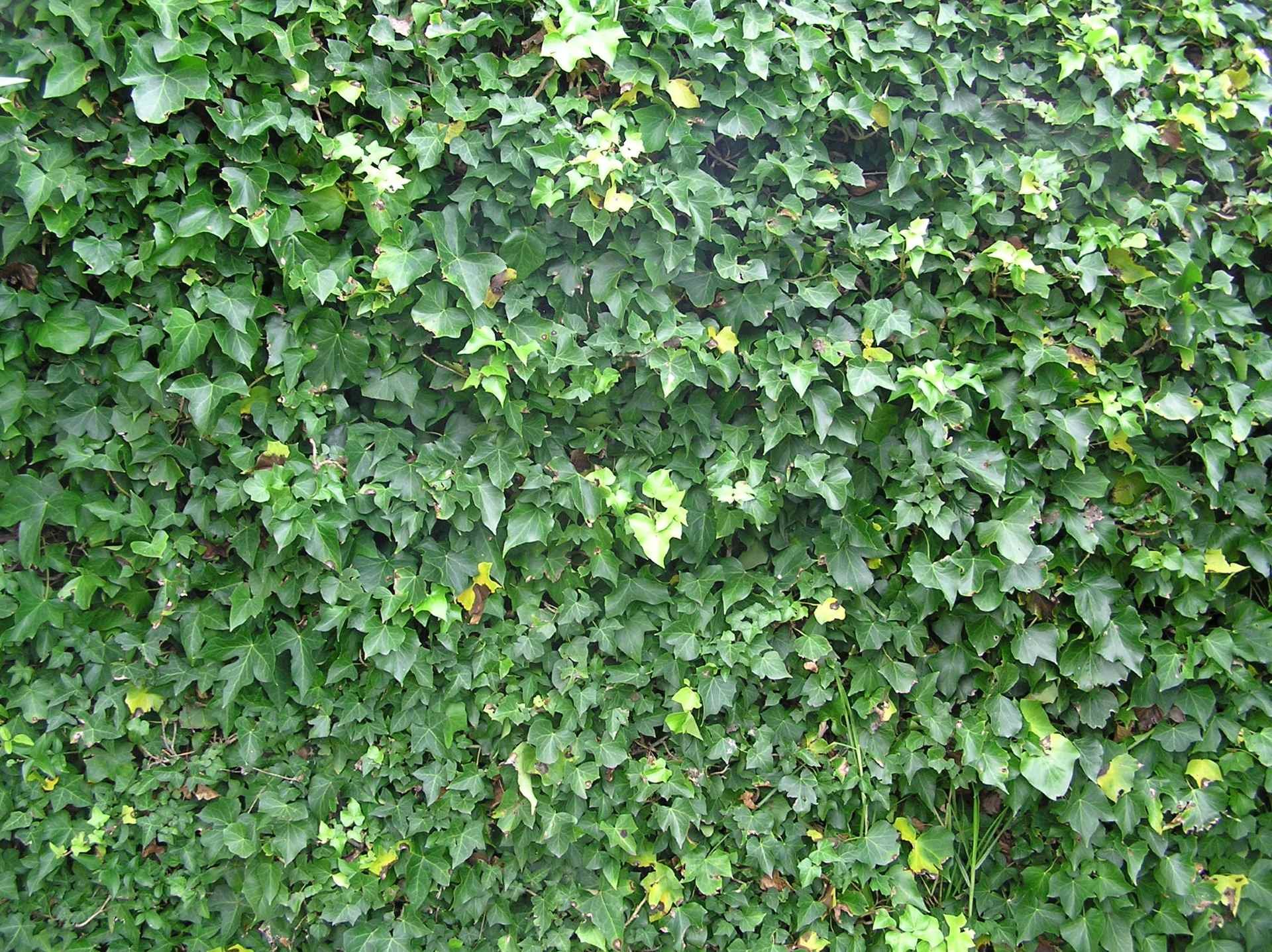
While English Ivy is the standard culprit most Kiwis encounter, Weedbusters NZ identifies a handful of common Ivy variations and lookalikes. Knowing which one is invading your property helps you spot them before they take over:
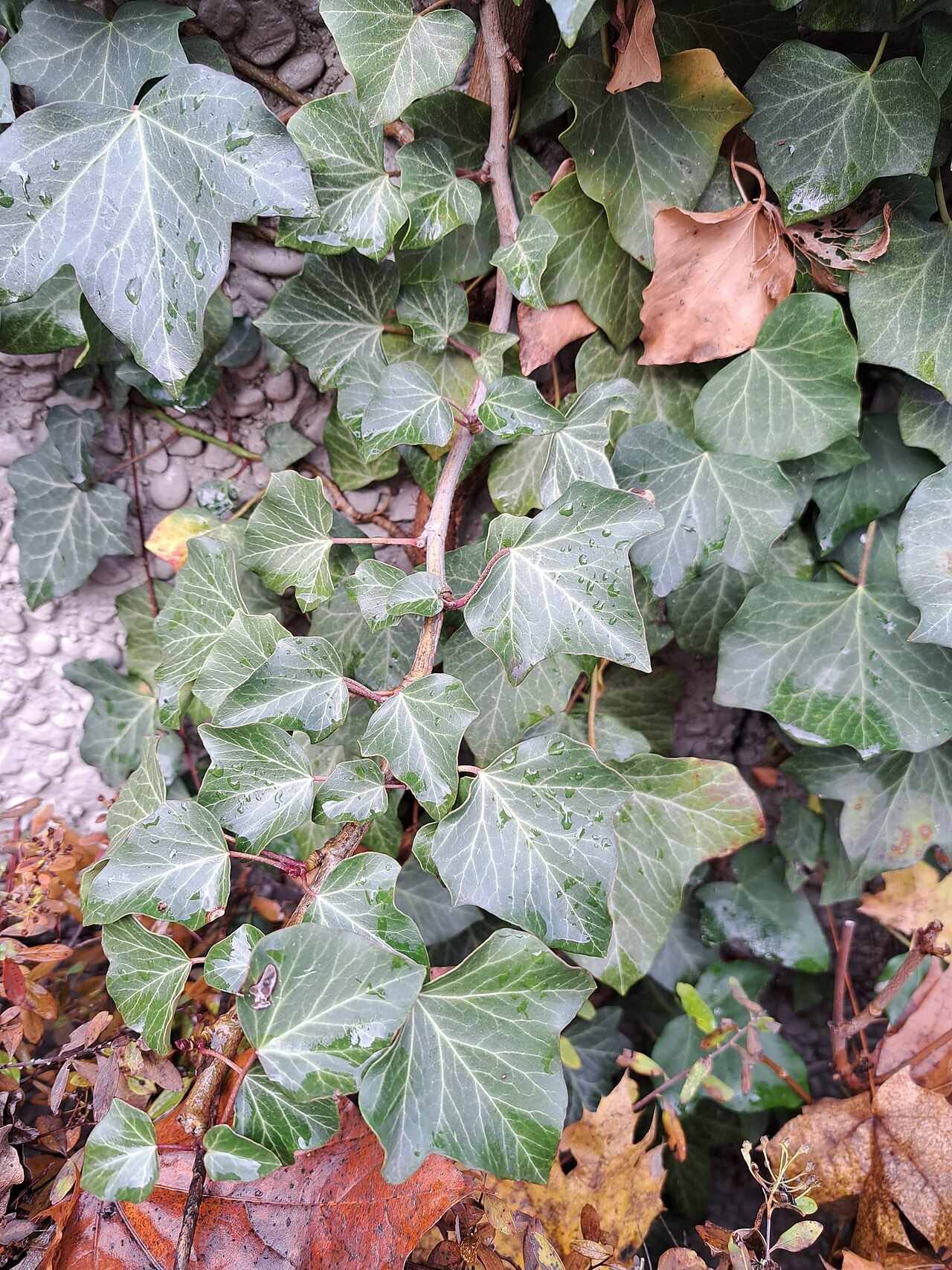
English Ivy (Hedera helix): The primary target. It has thick, waxy, dark-green leaves with light-colored veins. It has two phases: a creeping vine on the ground with lobed leaves, and a woody, mature climbing branch with unlobed leaves that produce toxic purple-black berries.
Cape Ivy (Senecio angulatus): Part of the daisy family, this scrambling climber forms dense, tangled mounds. It features fleshy, semi-succulent, leathery leaves with coarse edges and produces bright clusters of yellow, ragwort-like flowers from autumn to winter.
German Ivy (Delairea odorata): Very similar to Cape Ivy but has much thinner, softer, glossy leaves that feel slightly clammy to the touch. It produces dense button-like yellow clusters of flowers through winter.
Houttuynia (Houttuynia cordata): Often called “Chameleon plant” or Ivy-like due to its heart-shaped leaves, this is a creeping ground cover that emits a strong peppery or fishy smell when crushed.
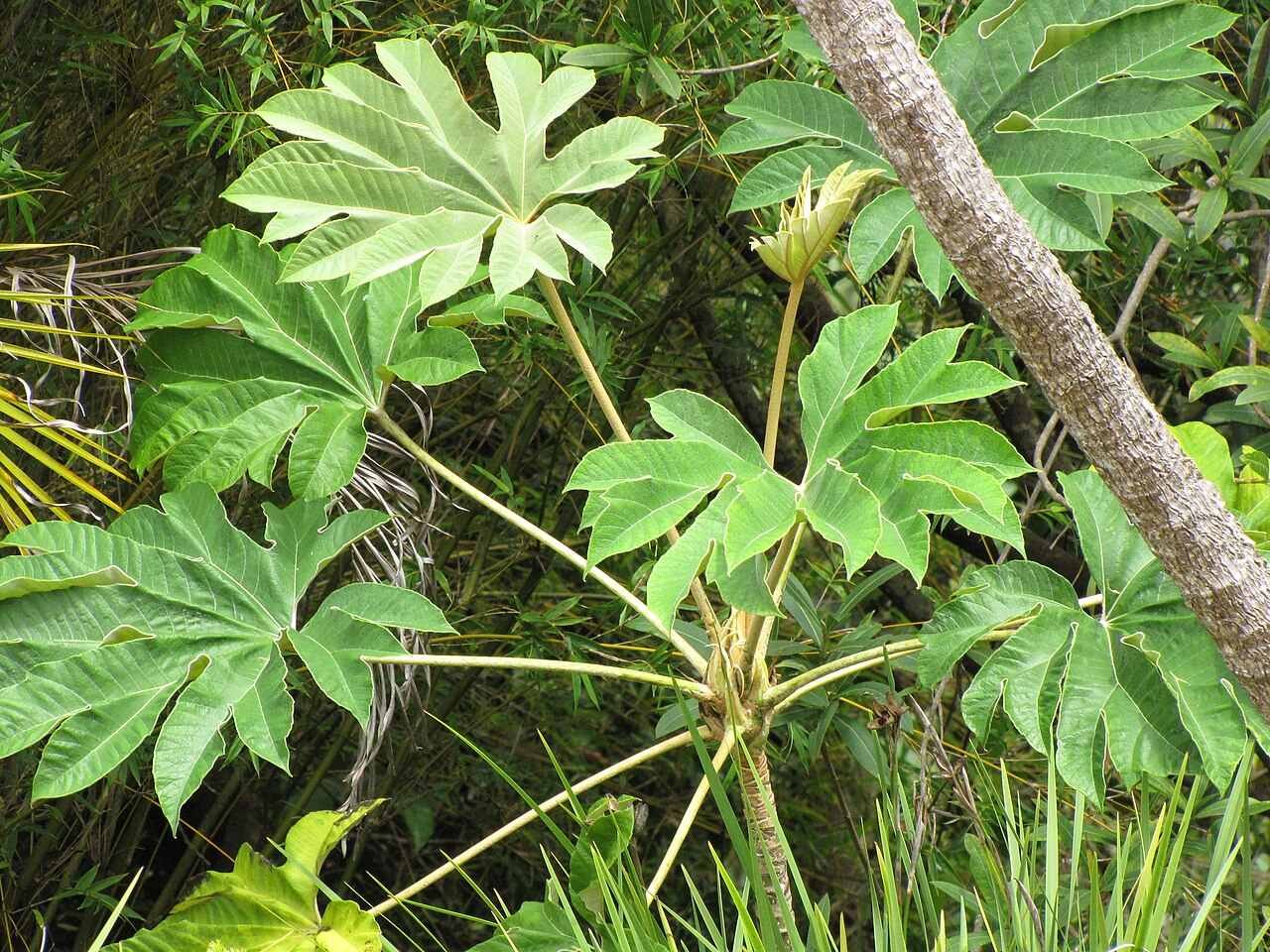
Rice-paper Plant (Tetrapanax papyrifer): While in the same family as true Ivy, this is actually a large, multi-stemmed shrub or small tree with massive, fan-like lobed leaves.
Photo Gallery = Click to enlarge
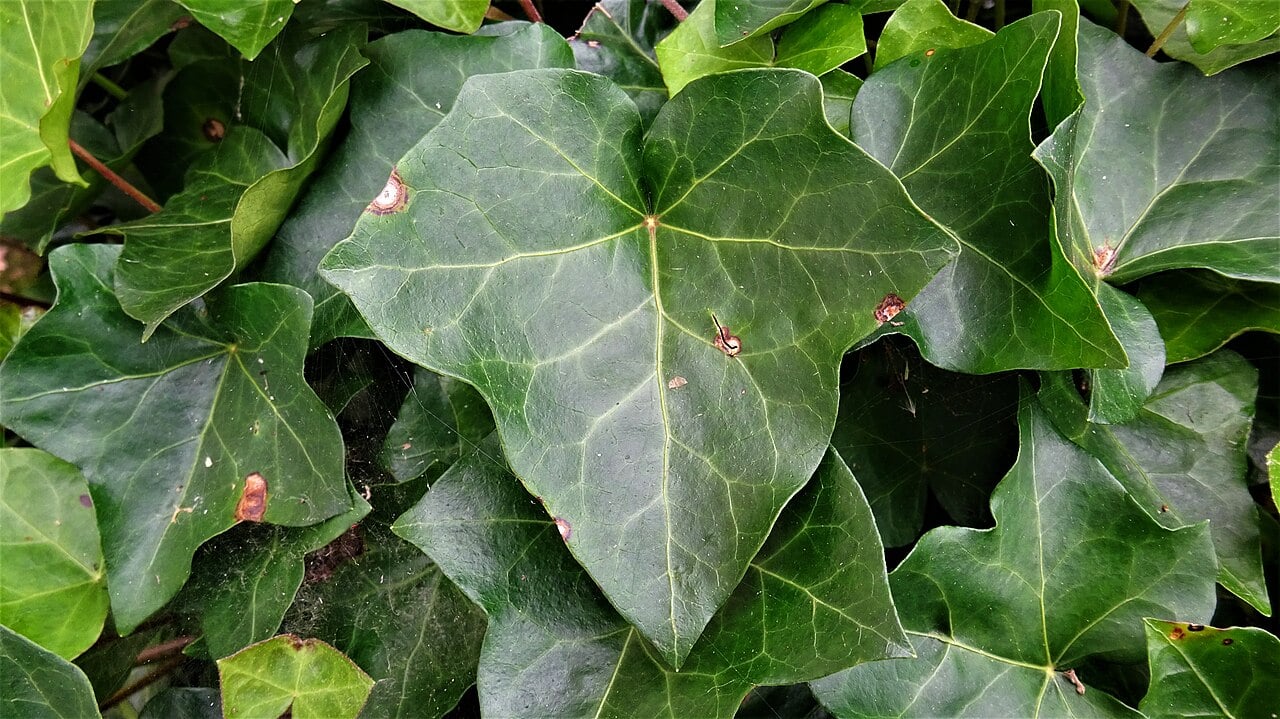
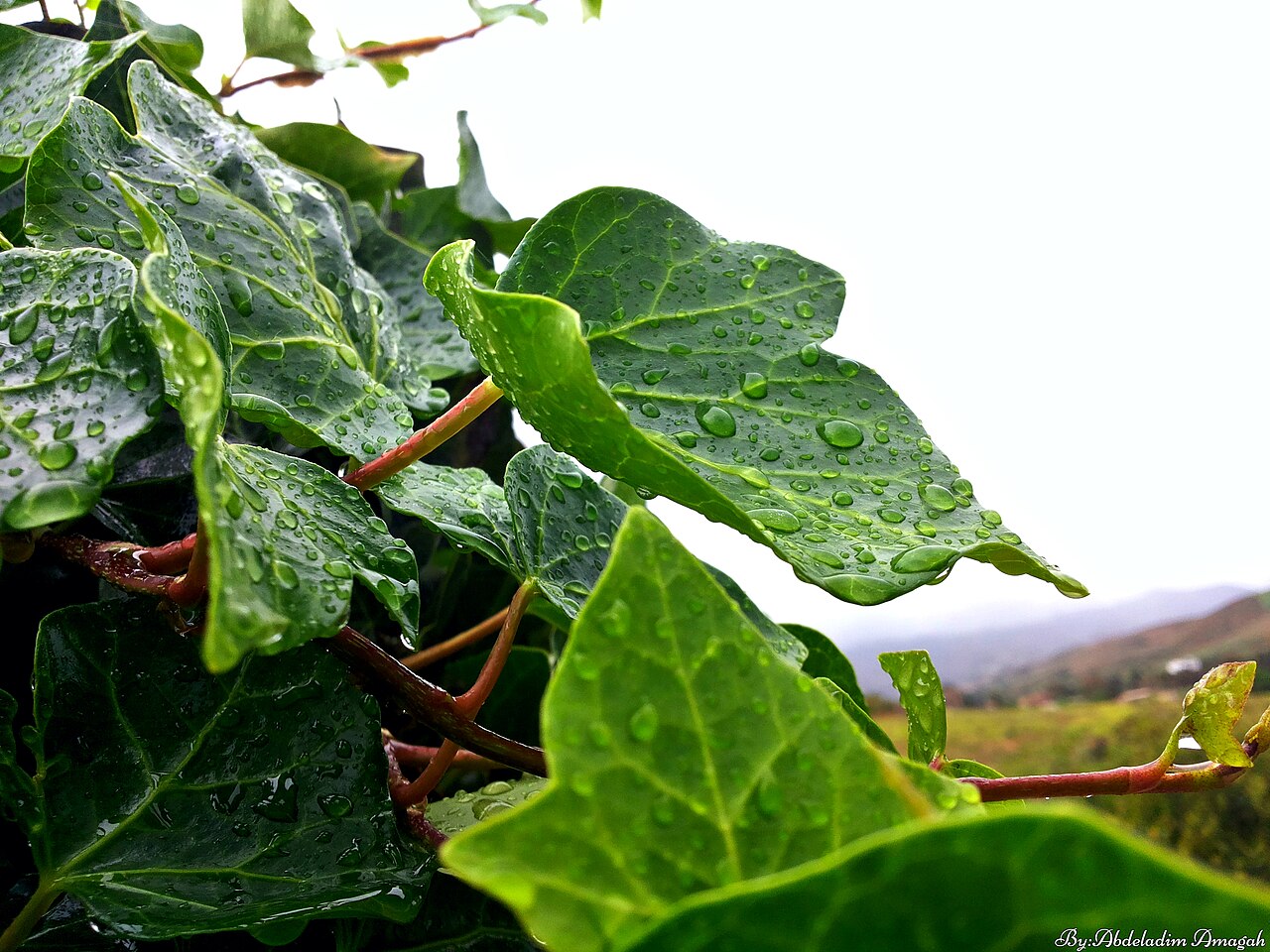
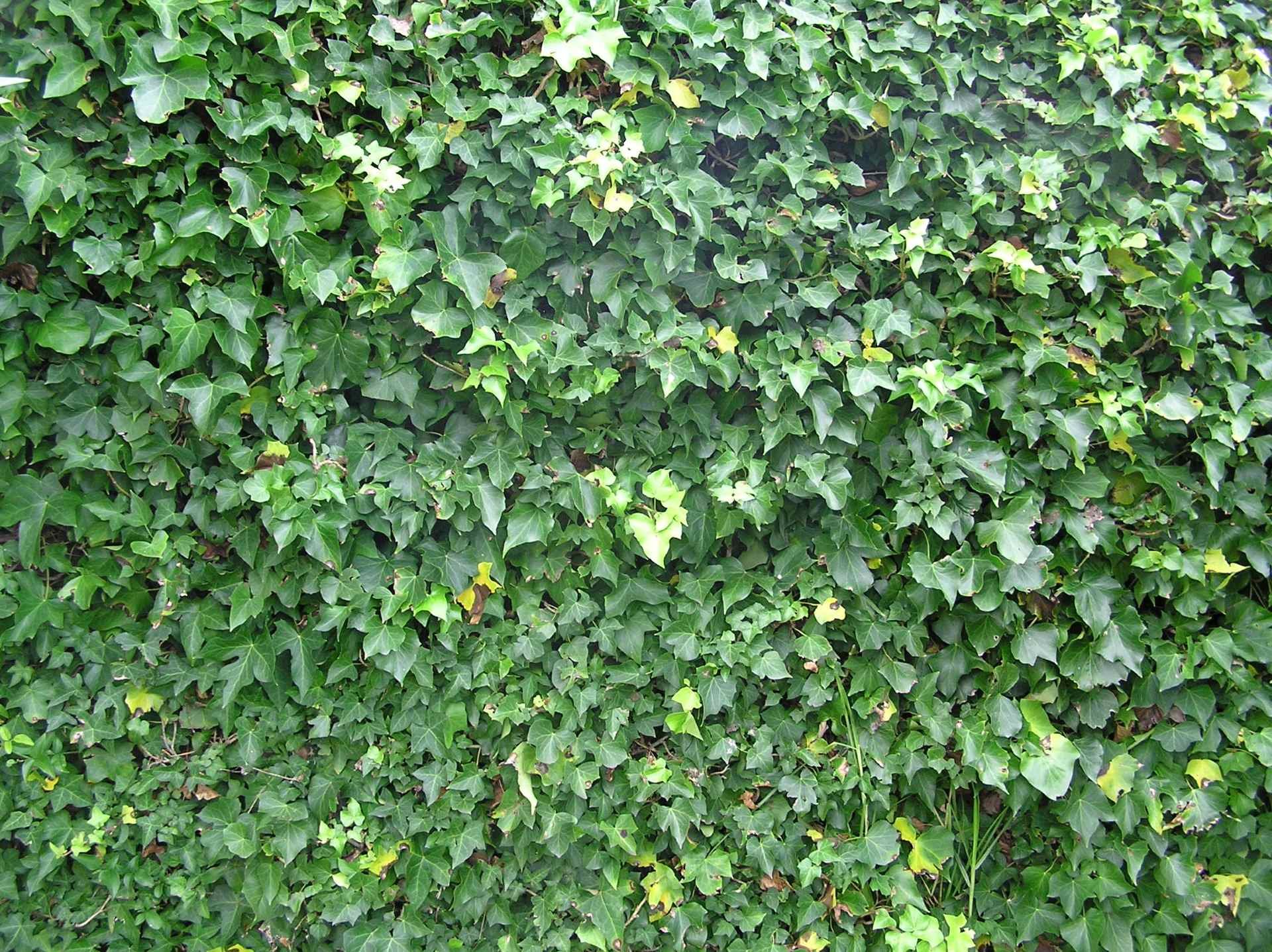
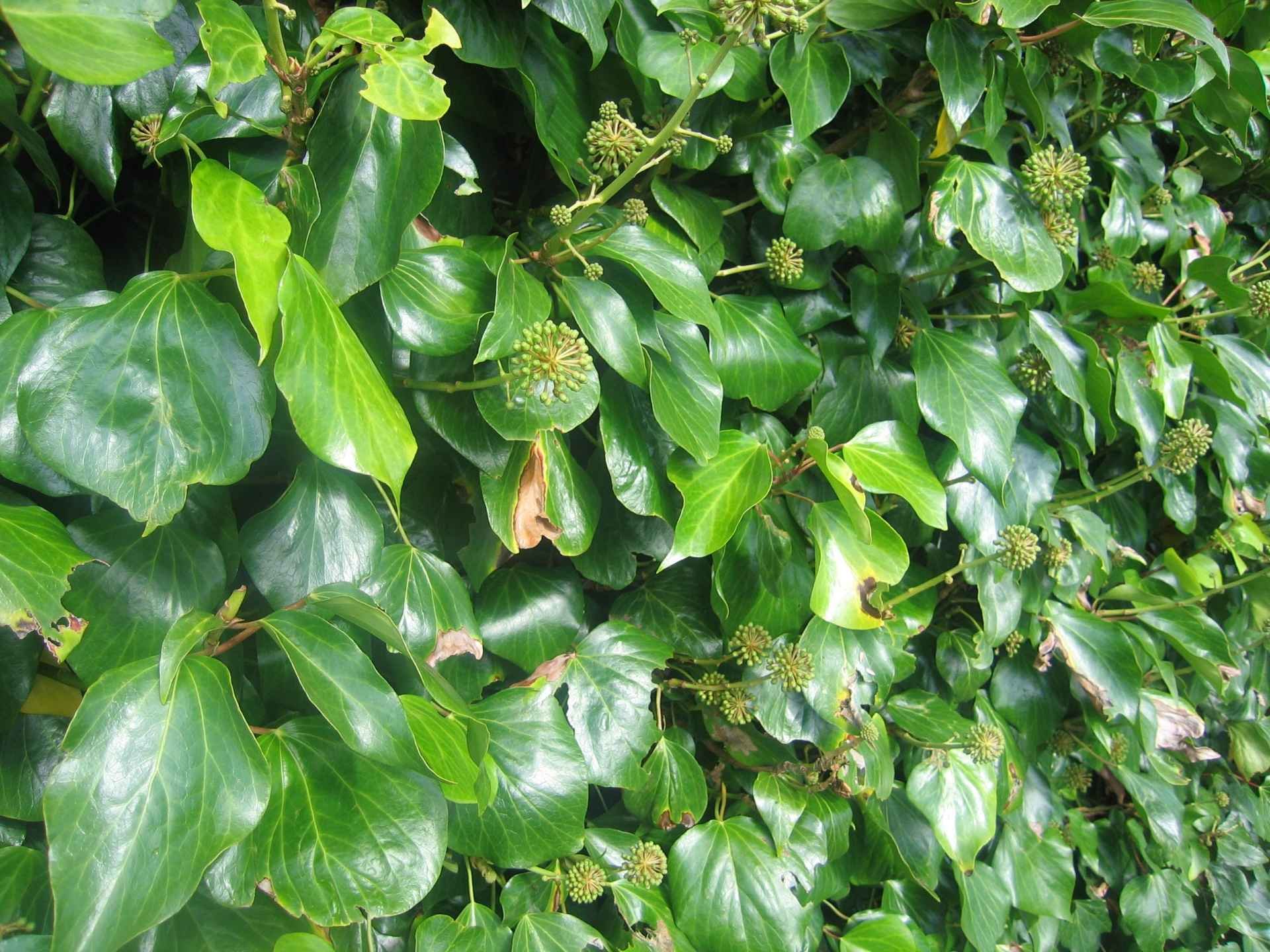
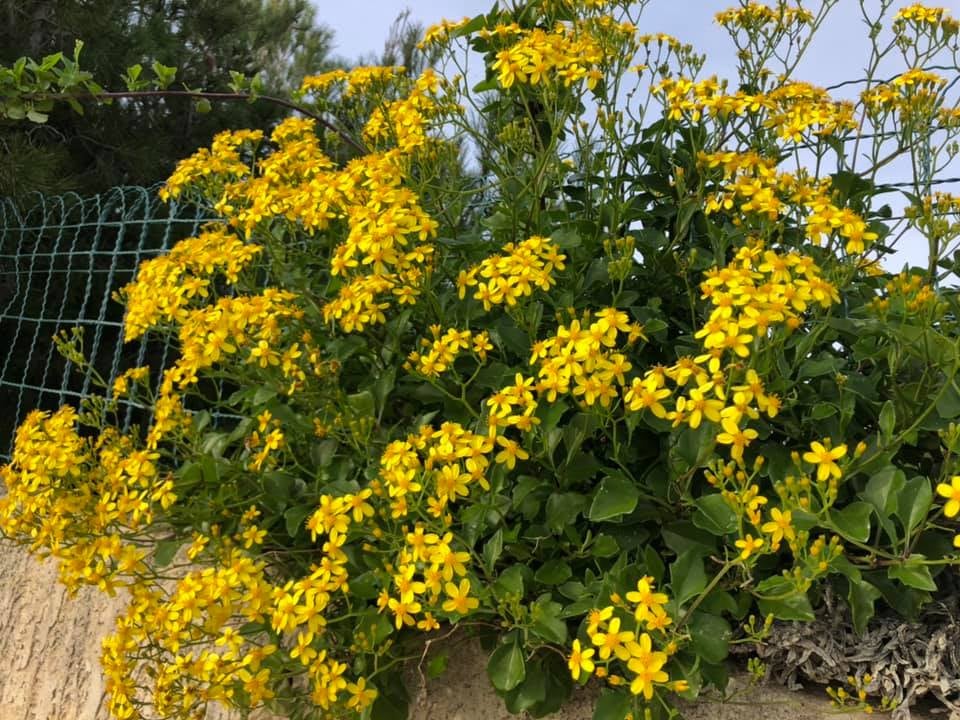
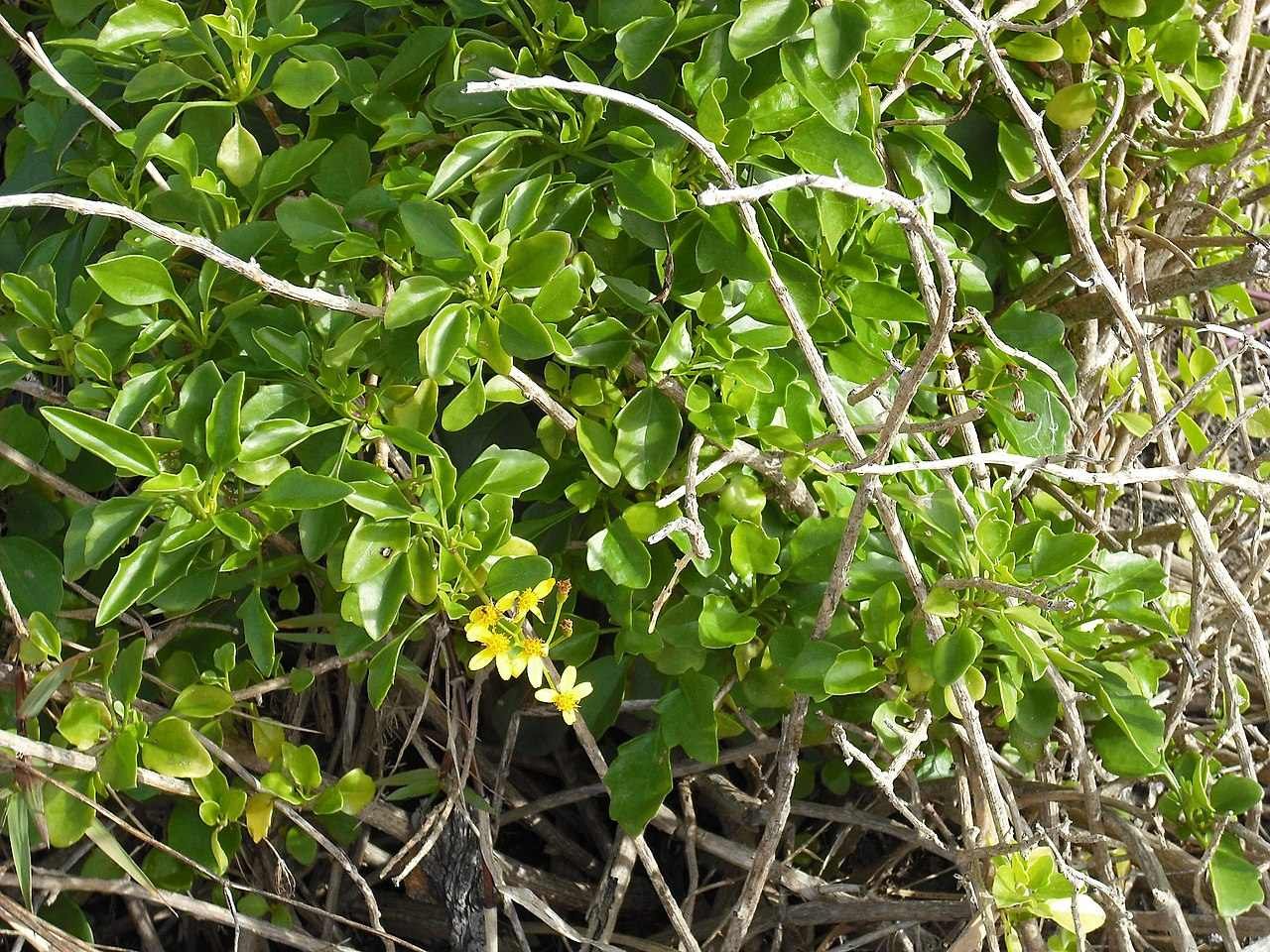
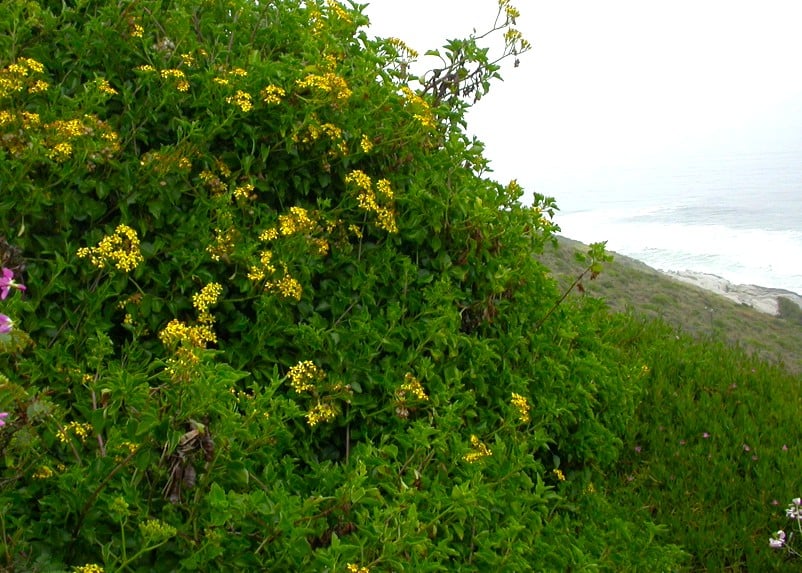
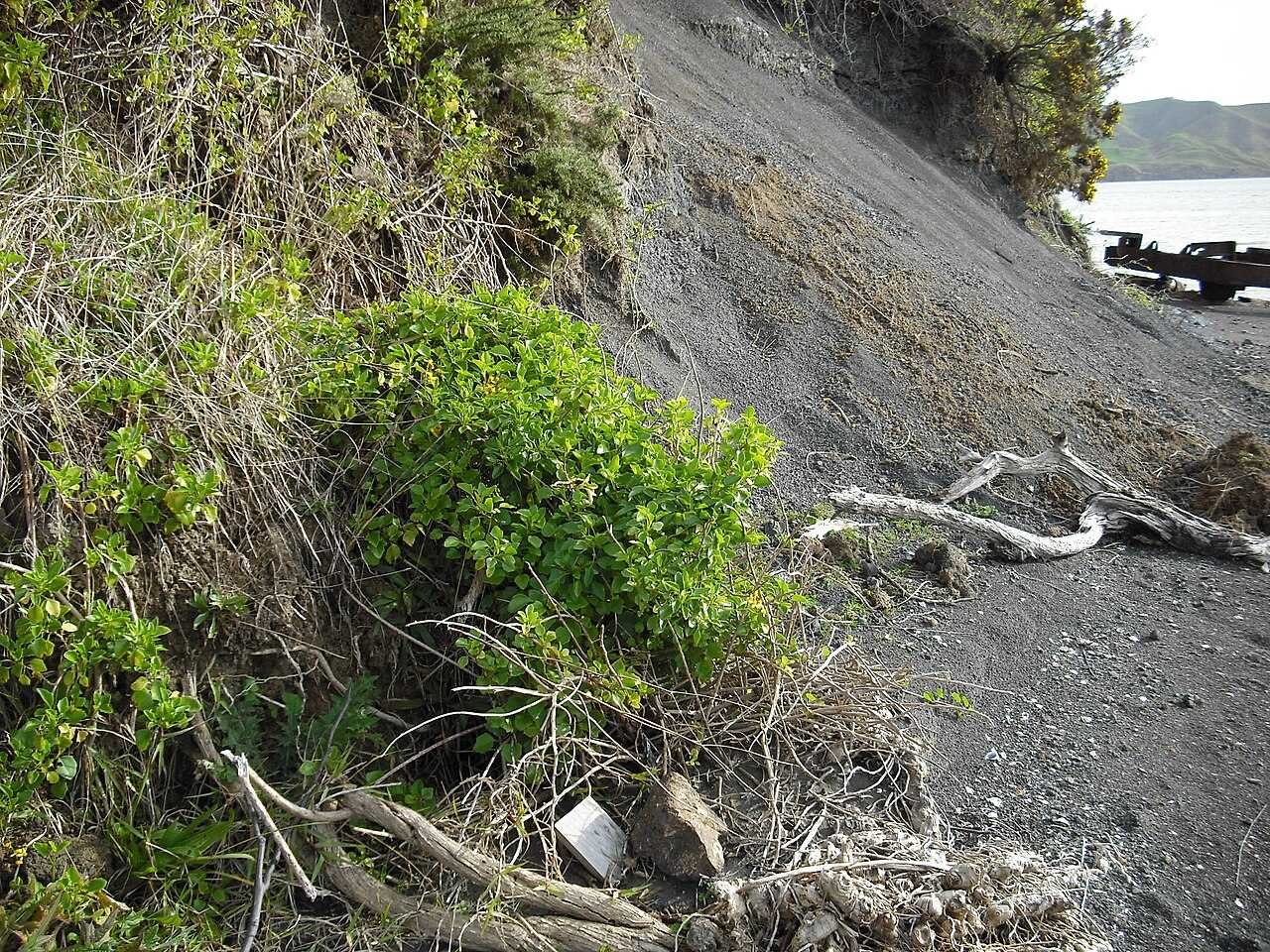
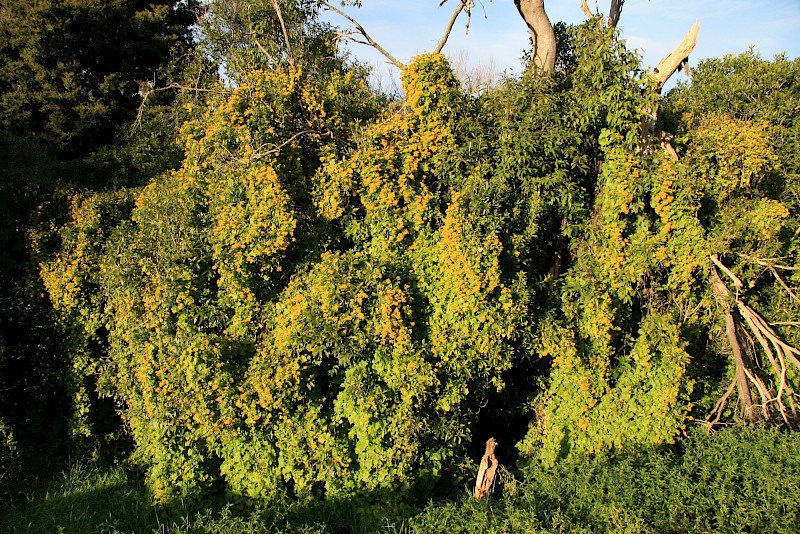
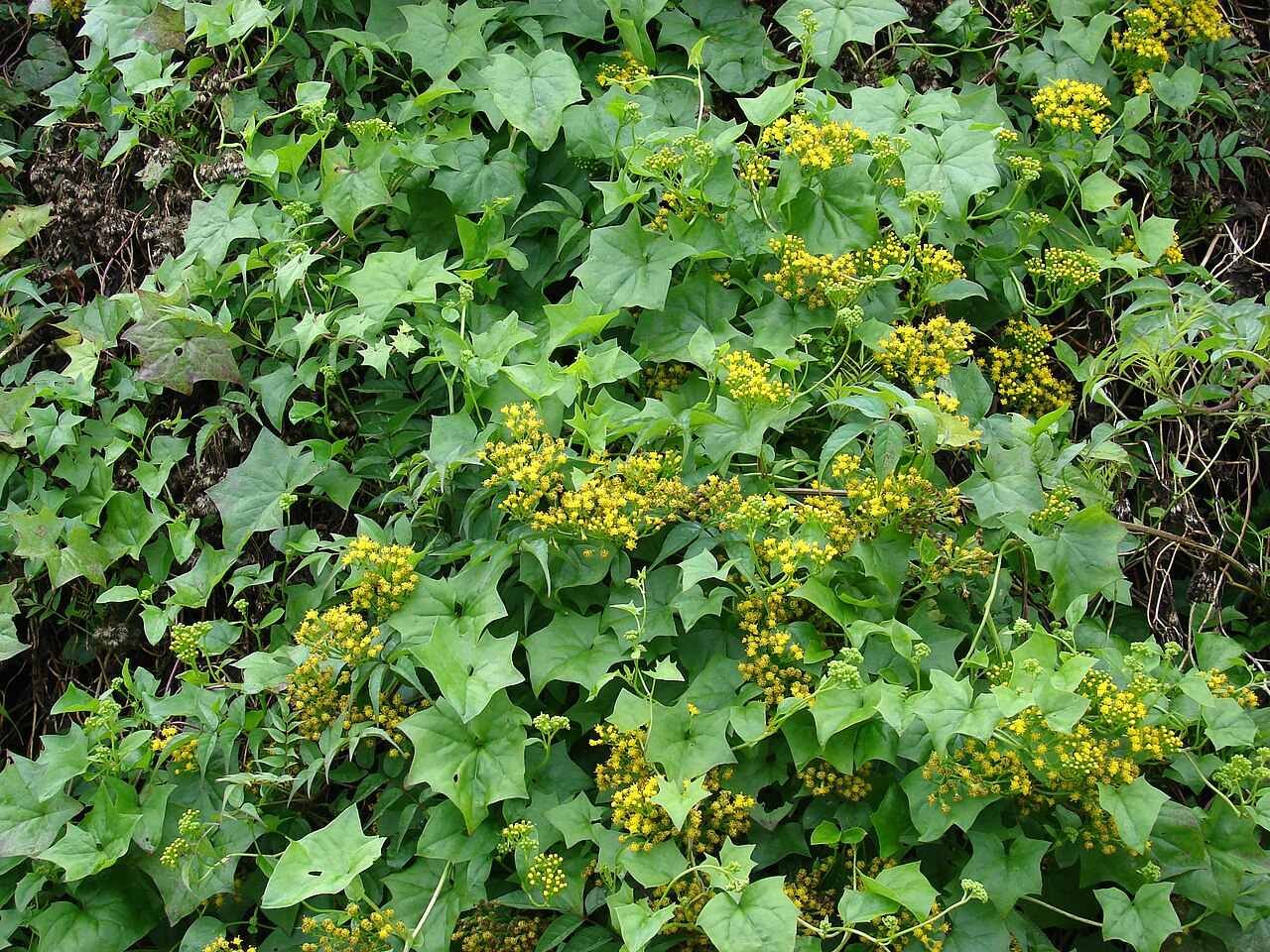
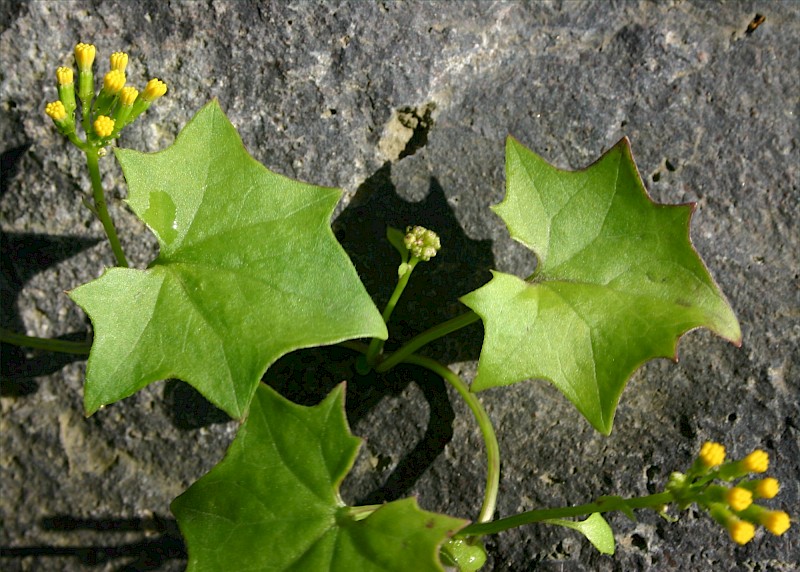
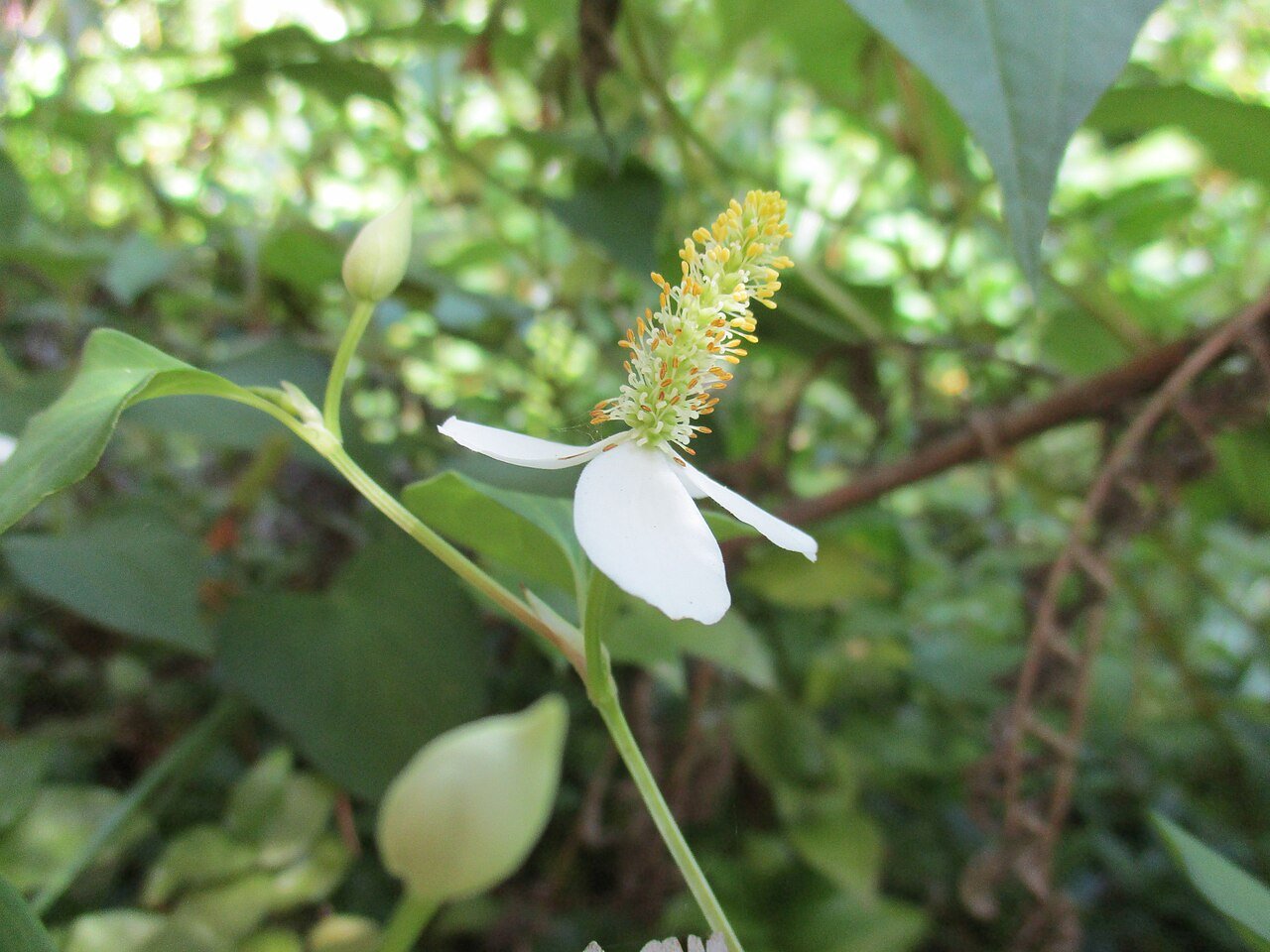
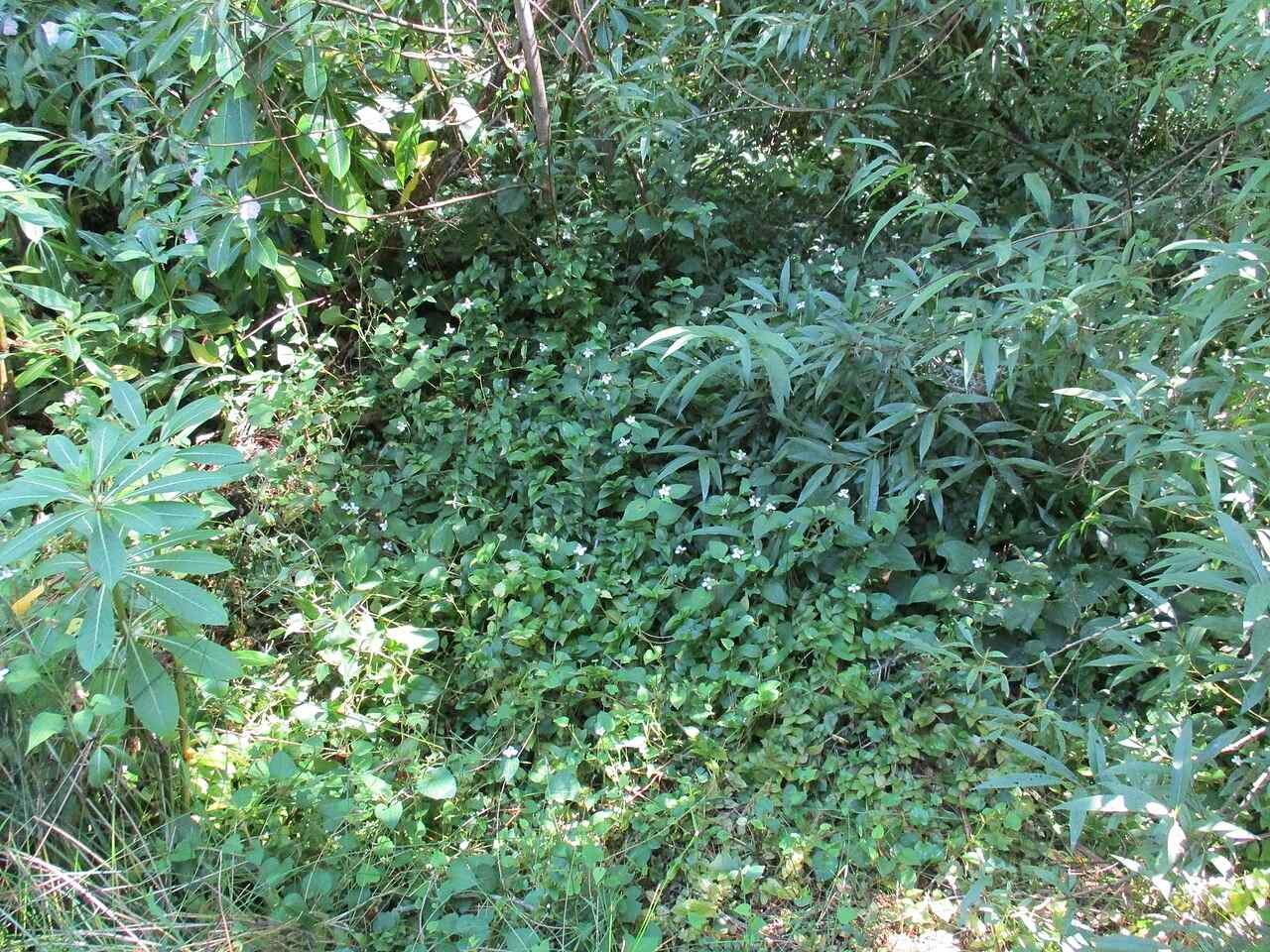
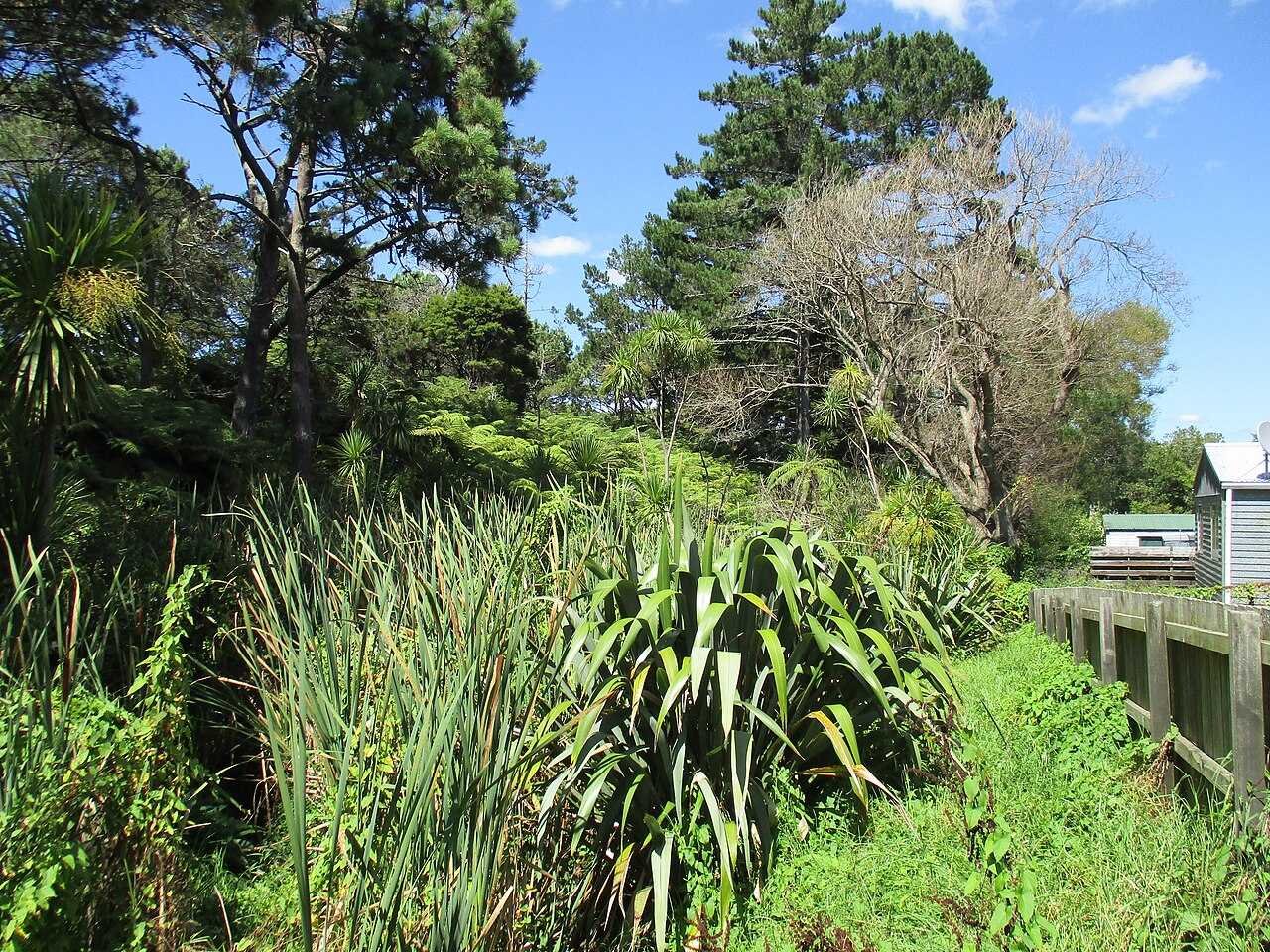
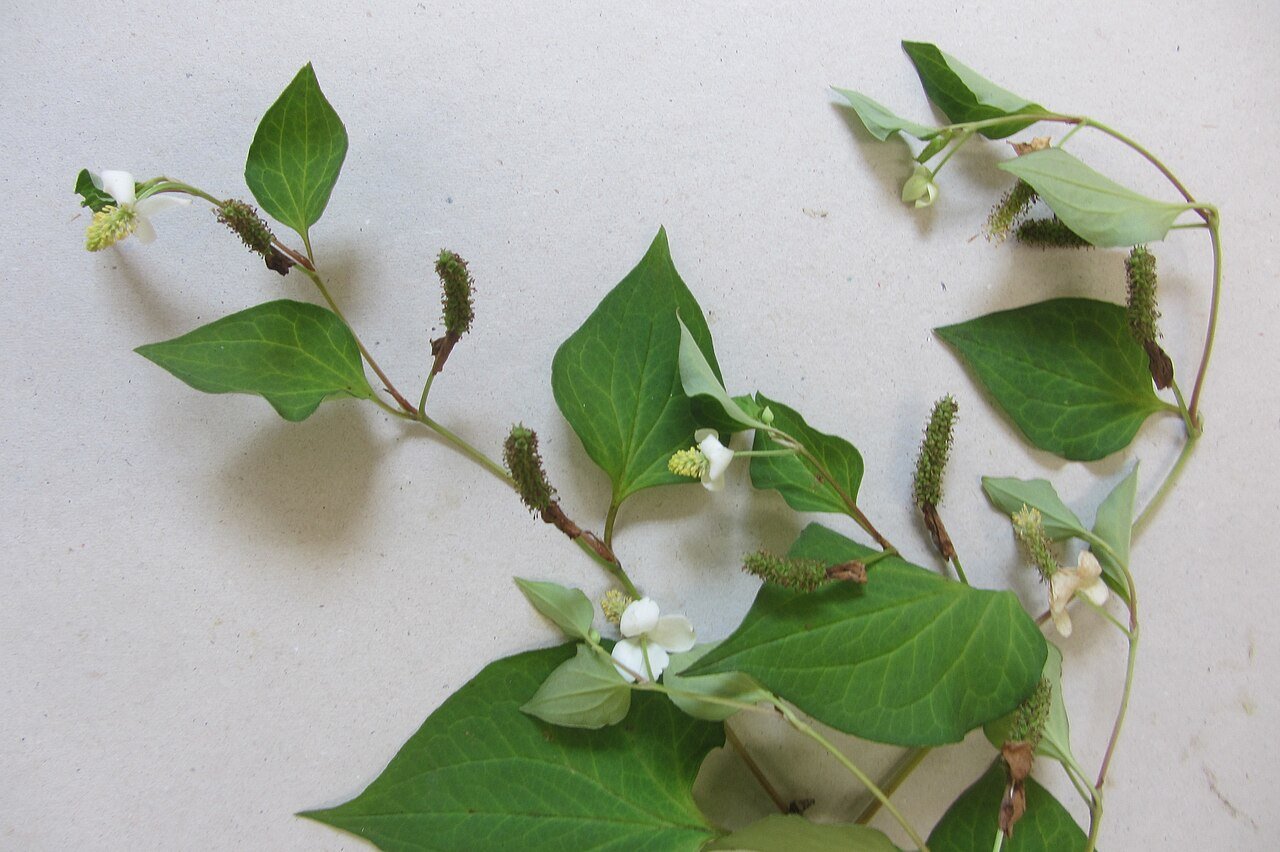
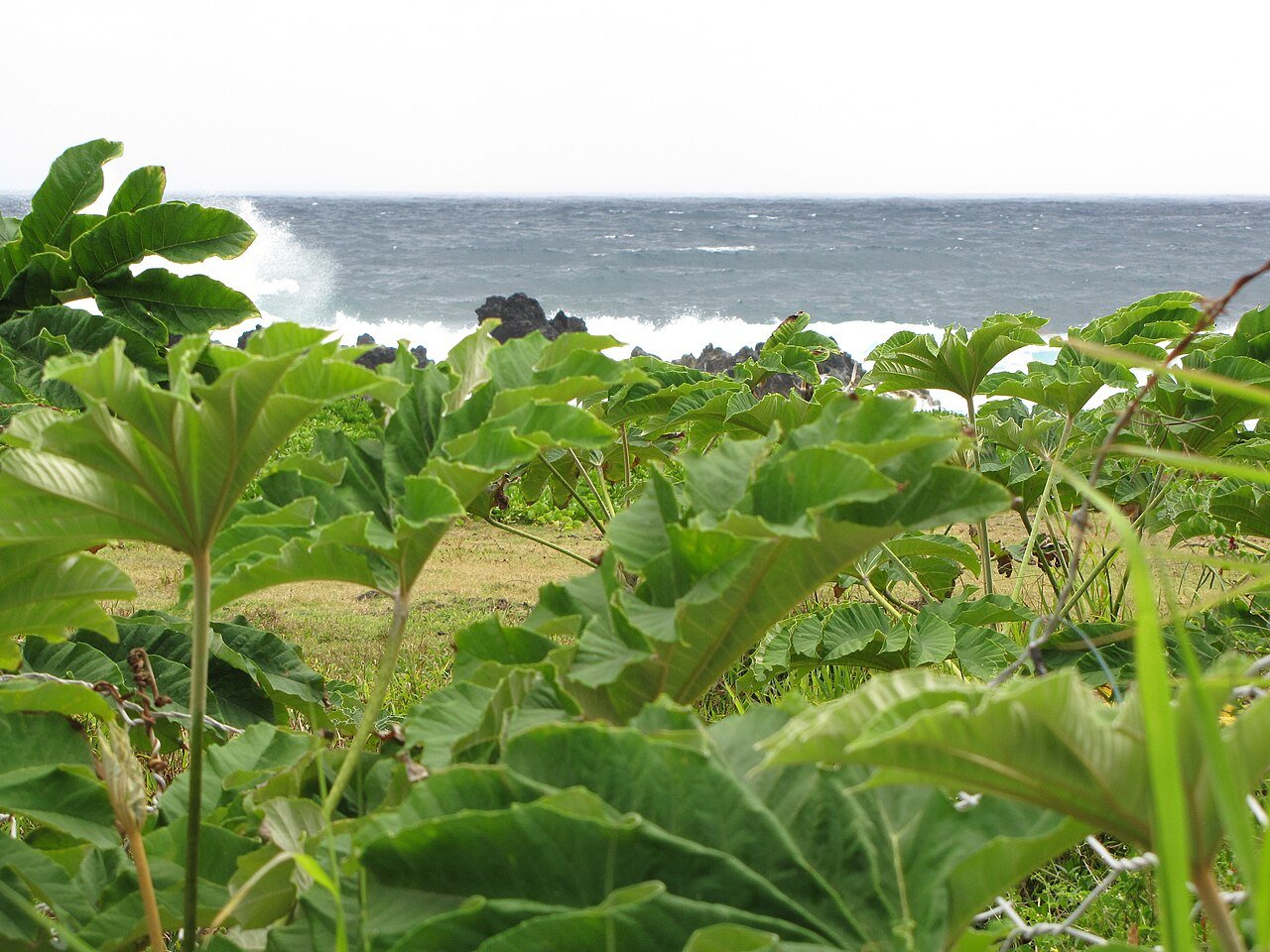
The secret to killing Ivy permanently is to target the stem and roots directly, completely eliminating the need to spray nearby native plants. Since Ivy stems have a relatively small surface area for absorbing weedkiller, we use a high-strength formula combined with a simple stem-scraping trick to get the job done right the first time.
General
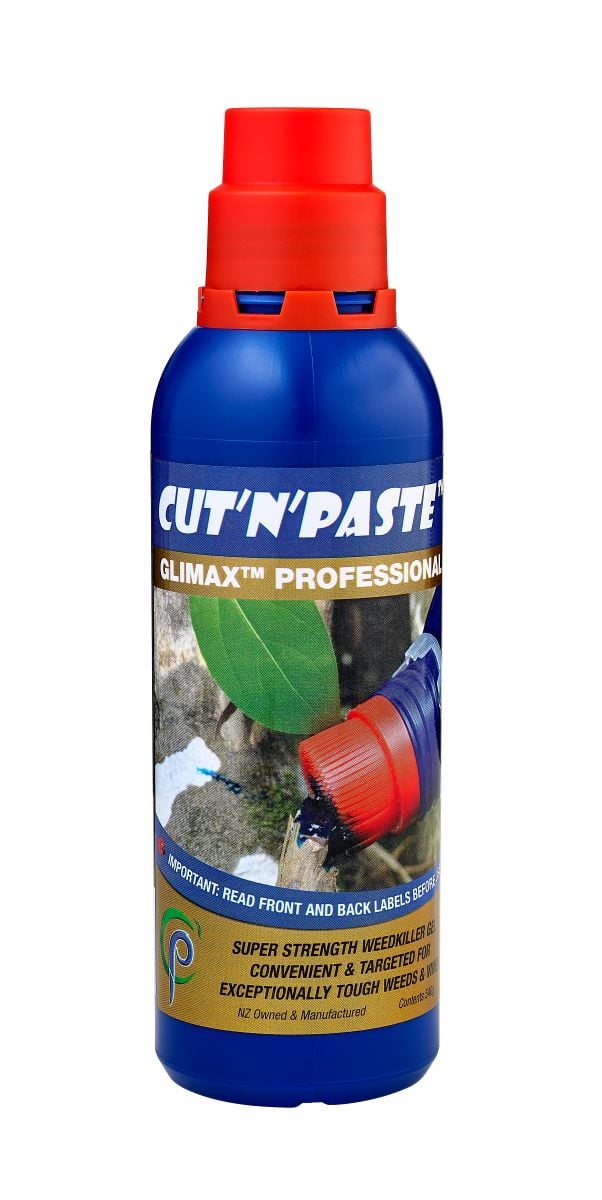
To tackle these waxy invaders effectively, we highly recommend Cut ‘N’ Paste Glimax Professional. It’s our strongest glyphosate-based gel (400g/L Glyphosate IPA salt), specifically engineered to stick perfectly to the small surface areas of tough woody vines like Ivy, Japanese Honeysuckle, and Old Man’s Beard. With Glyphosate gels like Glimax, we don’t use any surfactant in the product, so those possible harmful effects on geckos are avoided and the gel’s toxicity is kept to an absolute minimum. Natives and valued plants nearby will have limited exposure – this is vital when you’re working in sensitive conservation situations and with environmentally conscious customers.
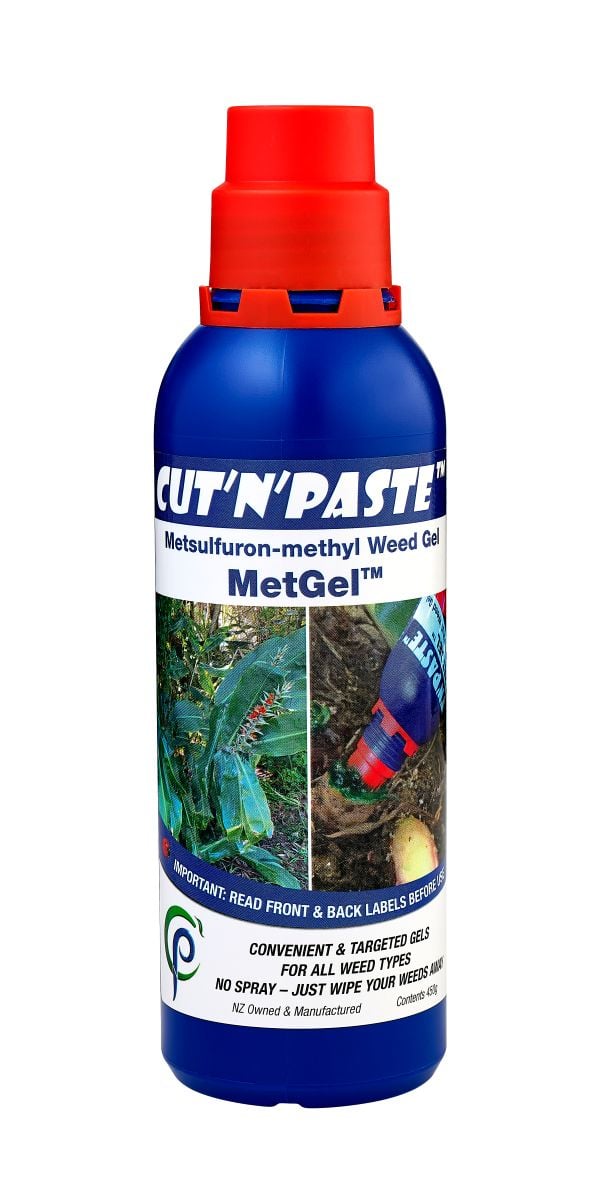
Alternatively, if there are no valued or native plants nearby, you can use Cut ‘N’ Paste MetGel on its own for sprawling ground-carpet infestations. For a “super kill”, try adding a smear of MetGel as well as Glimax.
Safety First
- Remember that due to the concentration of glyphosate in the gel, it’s best not to use Glimax next to waterways. Furthermore, Metgel can be “soil residual” – so if there are any concerns about nearby prized or valued plants, we’d suggest you to consider our medium strength product “Bamboo Buster” instead – it could also be a good alternative option as it is not as strong, however you’ll likely need multiple applications.
- Always read the label and follow the instructions carefully. We strongly advise you to wear gloves, eye protection and decent protective clothing where necessary.
Instructions
- Step 1: Sever Climbing Vines (The Life Support Cut)
For Ivy climbing up native trees you wish to protect, do not yank the climbing vines off the tree bark, as this can tear the host tree’s bark open. Instead, use a pruning saw or loppers to sever the Ivy entirely. The aim is to remove a 10cm section of each vine, so it has no possibility to regrow. Cut completely through each climbing stem at chest height – and make a second cut slightly further down around 10cm. Remove that cut section to leave a completely empty gap on every single vine all the way around the trunk of the native tree. The upper vines, now physically isolated from their ground roots, will safely wither and die on the tree over time. - Step 2: Locate and Cut the Base Stems
Trace the climbing vines or single ground vines down to where they enter the soil. Cut the stems level and horizontal about 4 inches (10cm) from the ground. Making a flat, level cut ensures the gel sits perfectly on the stump without running off. - Step 3: Paste and Scrape Immediately
Apply a thick layer of herbicide gel to the freshly cut bottom end immediately. To maximize absorption, lightly scrape the outer bark off the remaining stem down to the ground to expose the fresh tissue, and wipe the gel down that scraped area too. This gives the vine extra tissue to drink the herbicide deep into the root system. - Step 4: Dealing with Hidden Roots
If you are dealing with a tangled mess of Ivy stems on the ground and simply cannot find the exact spot where a vine enters the dirt, don’t worry. Simply scrape and expose a 4 to 6-inch (10-15cm) section of the vine stems and paste the gel heavily over those exposed, scraped areas.
- Step 1: Sever Climbing Vines (The Life Support Cut)
- Do Not Compost Live Scraps: Any Ivy fragments, stem joints, or roots left touching damp soil can easily take root and create a brand-new infestation. Leave cut climbing sections hanging in the tree to dry out completely, or bag ground scraps up for the landfill.
- Best Time to Treat: While you can cut and paste Ivy all year round, tackling Cape Ivy and German Ivy while they are flowering (late autumn through winter) makes them incredibly easy to locate in the bush before they spread their fluffy, wind-blown seeds.
- Preventing Herbicide Resistance: In New Zealand, agricultural scientists have confirmed cases of weeds—like invasive ryegrass in Marlborough and Hawke’s Bay vineyards—developing a complete resistance to glyphosate. This happens when the exact same chemical formula is sprayed on the same area year after year. The beauty of the Cut ‘N’ Paste system is that it allows you to easily rotate your weed management. By swapping between a glyphosate gel like Glimax and a metsulfuron gel like MetGel, you stop individual plants from building up a tolerance, ensuring our native bush-saving tools stay highly effective.