Moth Plant Competition – Winners Announced :: Find Out


Wilding Pines
Home » Help » Weed Directory
Aggressive exotic pines invading NZ High Country
"Wilding" or "Wilding Pines" or "Wilding Conifers" are the phrases given to a number of pine species that have "gone rogue" and escaped their original, controlled habitat. Pine was originally brought to New Zealand in the late 19th and 20th centuries and planted for fast growing timber usage, erosion control on exposed high-country hills, shelterbelts on farms, and general land stabilisation.
The "wildings" themselves are the self-seeded offspring of these introduced trees, scattered far beyond their original planting sites by high winds. They are self-seeding aggressively across Aotearoa, threatening our high country plains, native landscapes, catchments, and delicate ecosystems. Left unchecked, wilding pines transform open tussocklands and bush margins into dense, water-consuming pine forests that choke out native biodiversity.
Unlike managed pine plantations, wildings offer no timber value due to their unpredictable growth, uneven spacing, and irregular sizes. Unchecked, a few mature trees can scatter seed miles downwind, spawning dense infestations that elevate wildfire risks, choke out native understorey, and deplete vital groundwater reserves.
"Wilding Pines" refers to a number of species, including: Contorta / Lodgepole Pine (Pinus contorta), Scots Pine (P. sylvestris), Dwarf Mountain Pine (P. mugo), Corsican Pine (P. nigra), Douglas Fir (Pseudotsuga menziesii), Radiata / Monterey Pine (P. radiata), Maritime Pine (P. pinaster) - amongst others.
- Family: Pinaceae (Pine)
- Origin: Northern Hemisphere (North America, Europe)
- Habitats Invaded: High country tussocklands, alpine herb fields, native bush margins, geothermal sites, dunes, riverbeds, and biodiversity reserves.
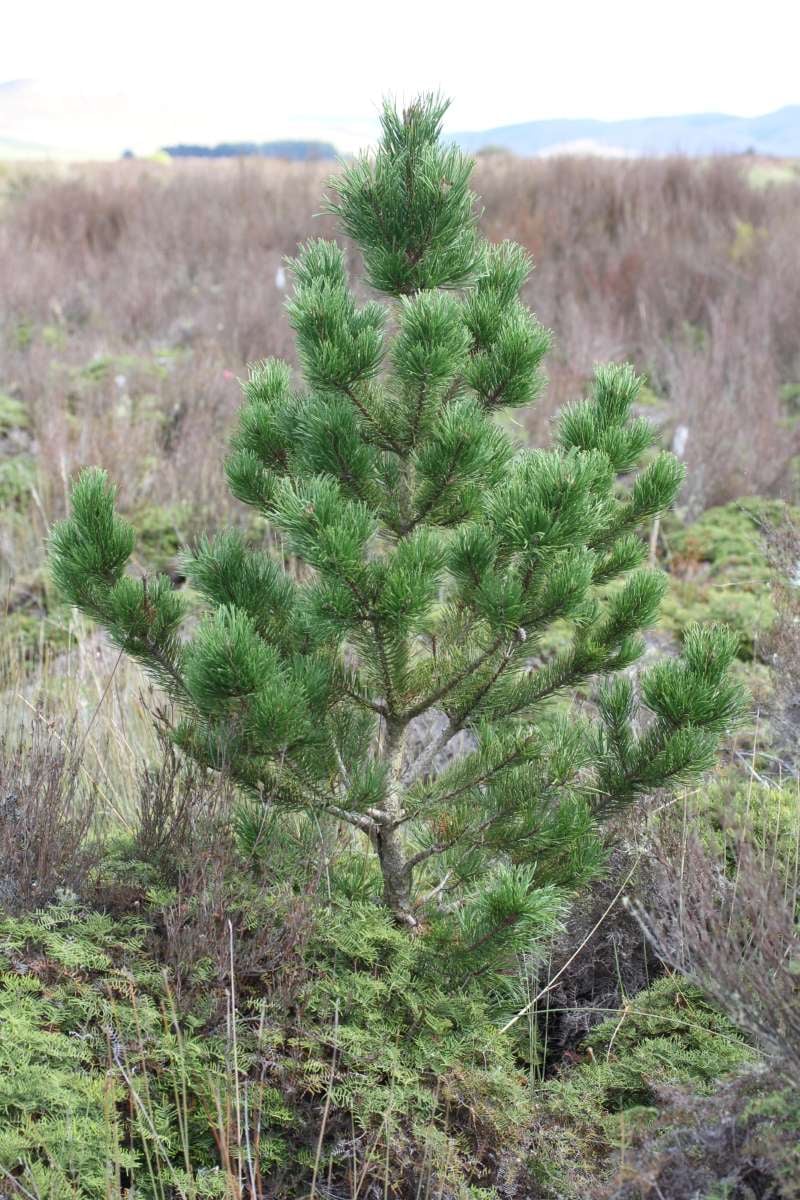
Wilding pines are conifers that look like typical christmas or pine trees, ranging from low, bushy shrubs to towering timber trees.
Foliage: Needle-like leaves attached to woody twigs, arranged in clusters of 2, 3, or 5 (depending on the species).
Cones & Seeds: Produces hard, woody cones containing light, winged seeds that drift several kilometres on the wind.
Growth Form: Ranges from low, dense multi-stemmed shrubs (Dwarf Mountain Pine) to towering timber trees reaching 40+ metres.
Common Species: Contorta / Lodgepole Pine (Pinus contorta), Corsican Pine (P. nigra), Scots Pine (P. sylvestris), and Douglas Fir (Pseudotsuga menziesii).
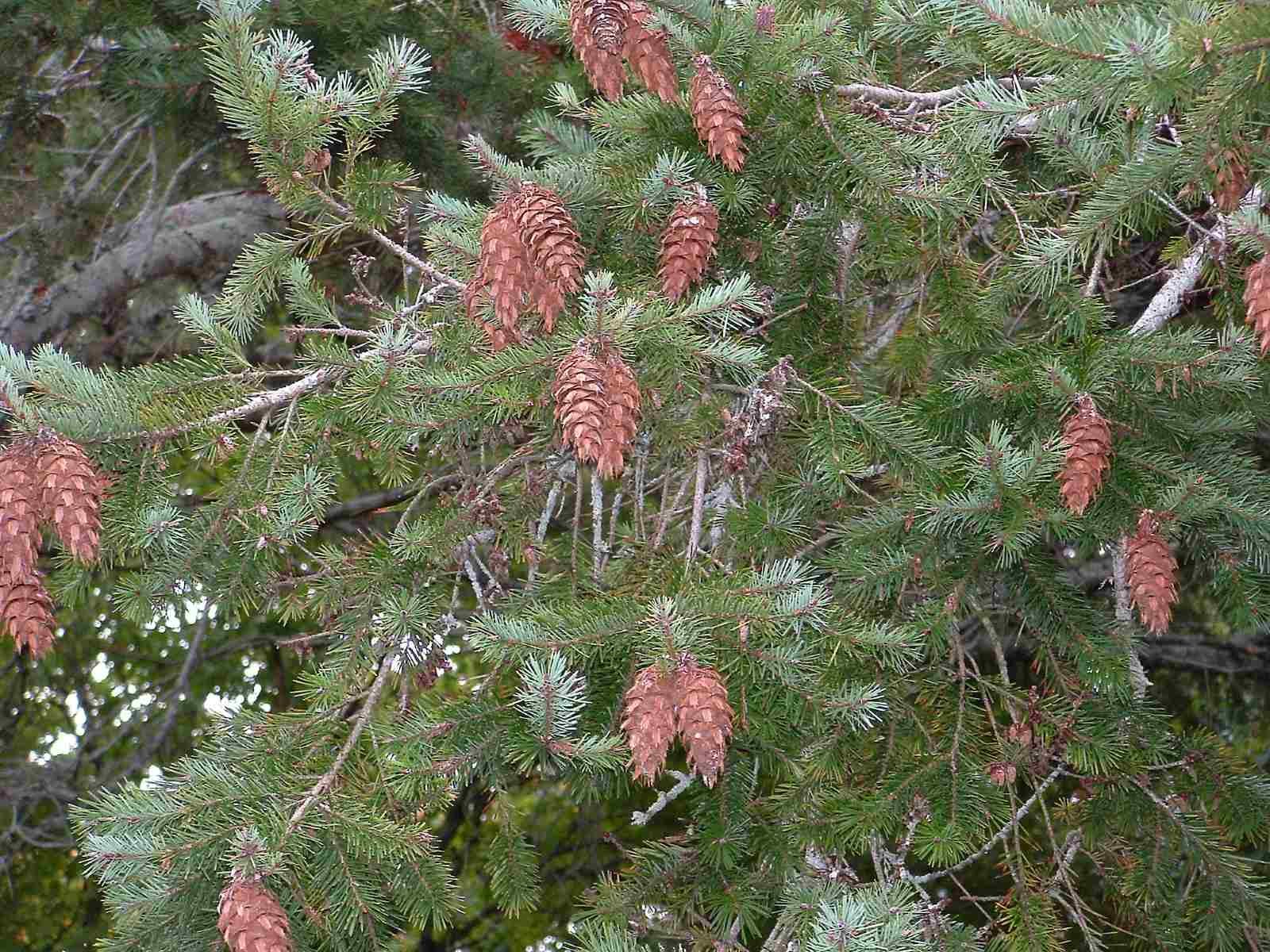
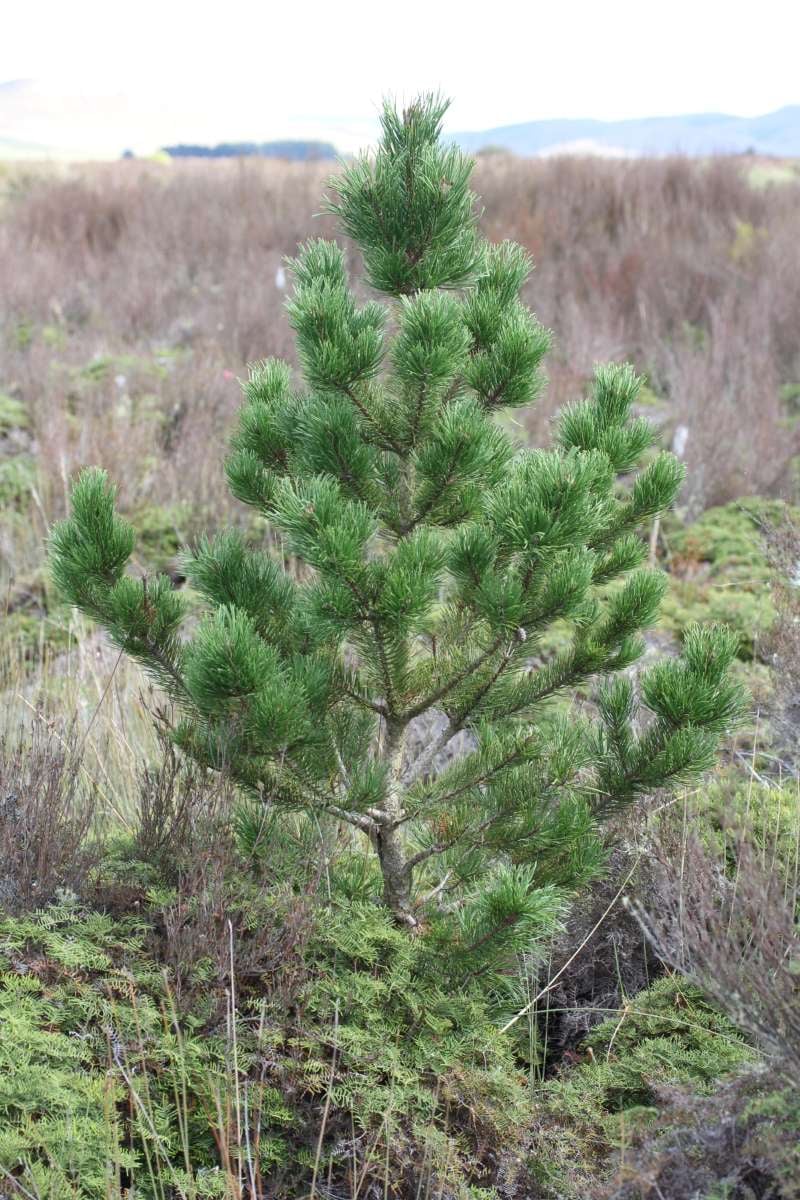
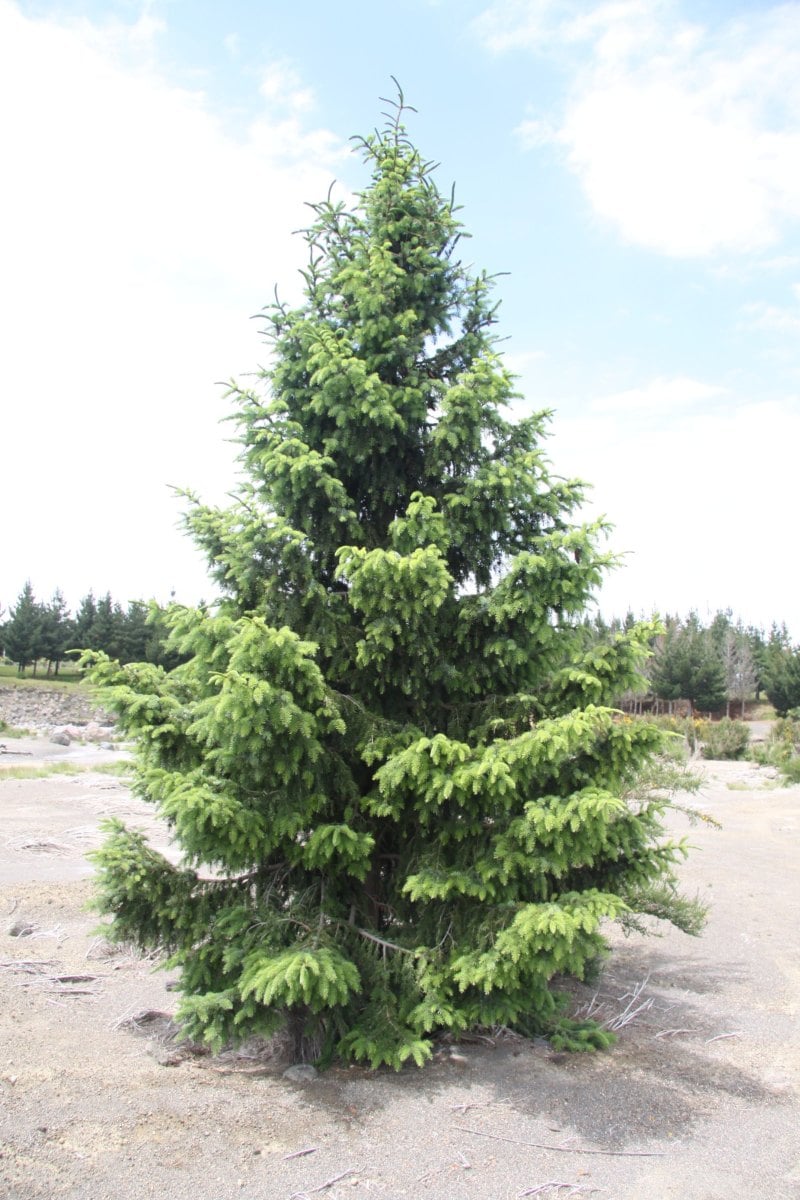
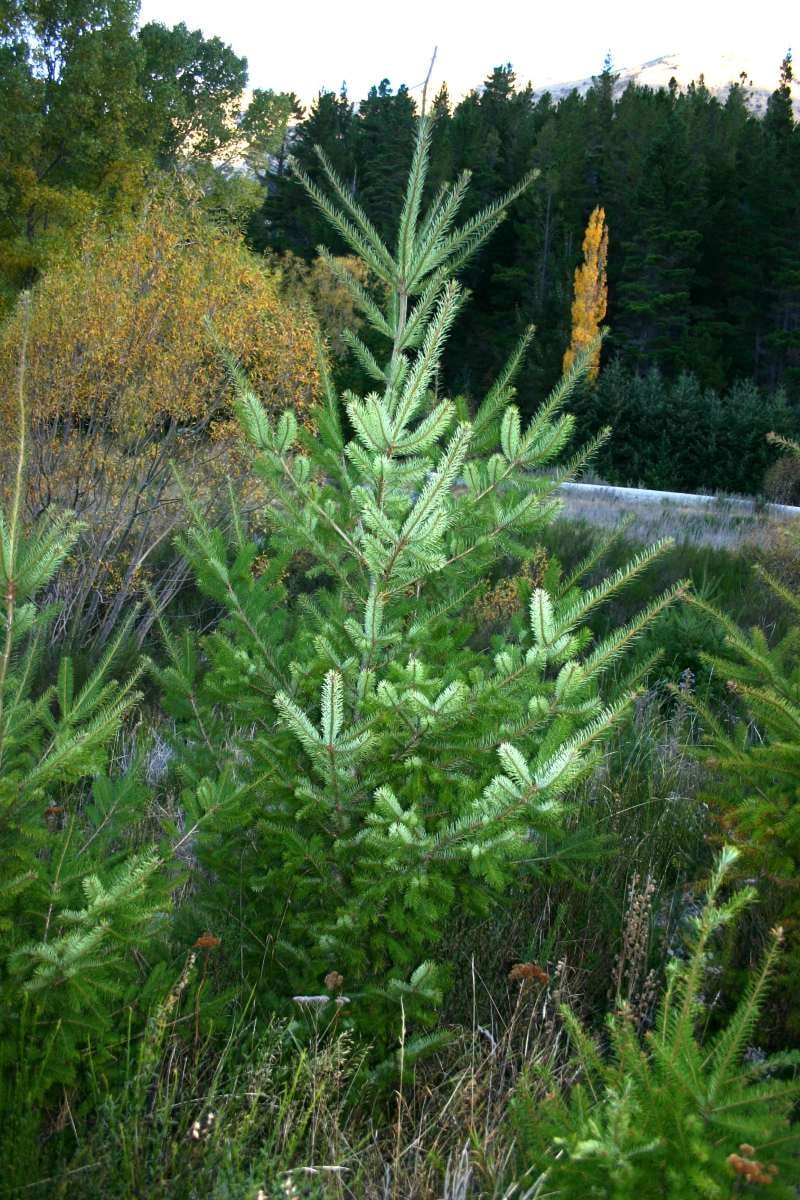
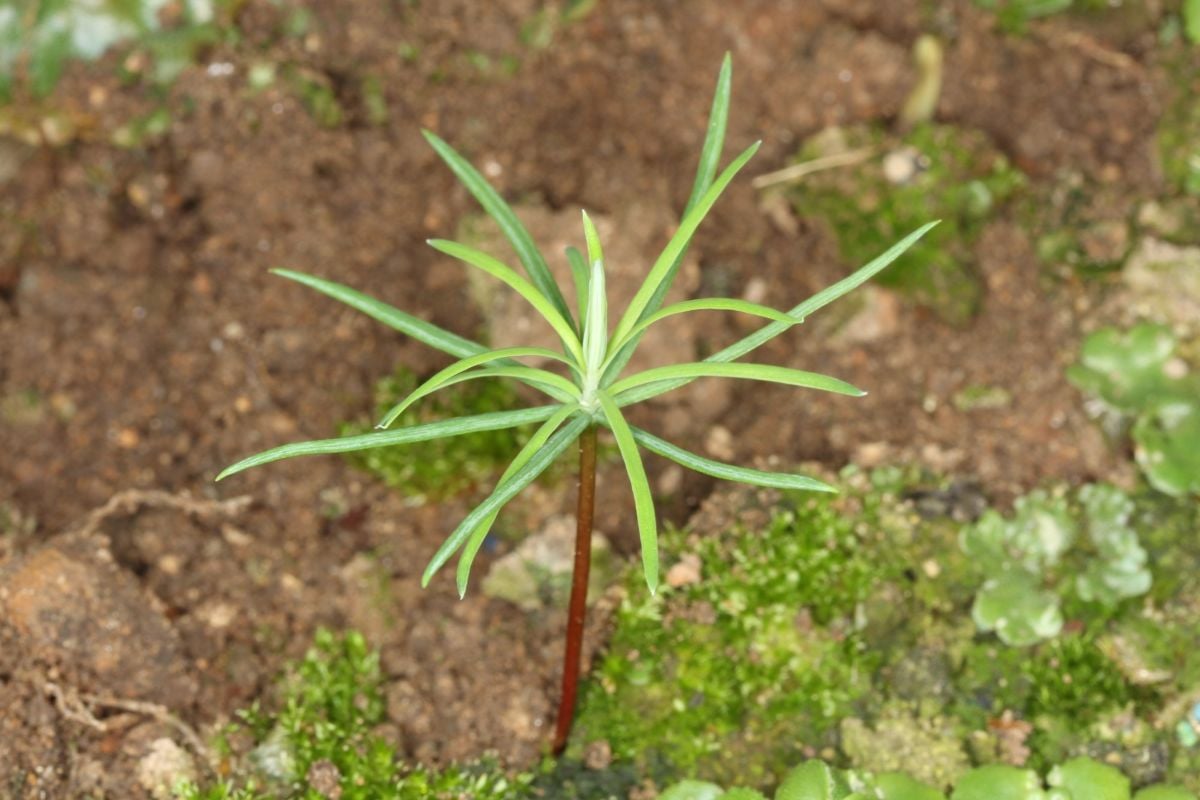
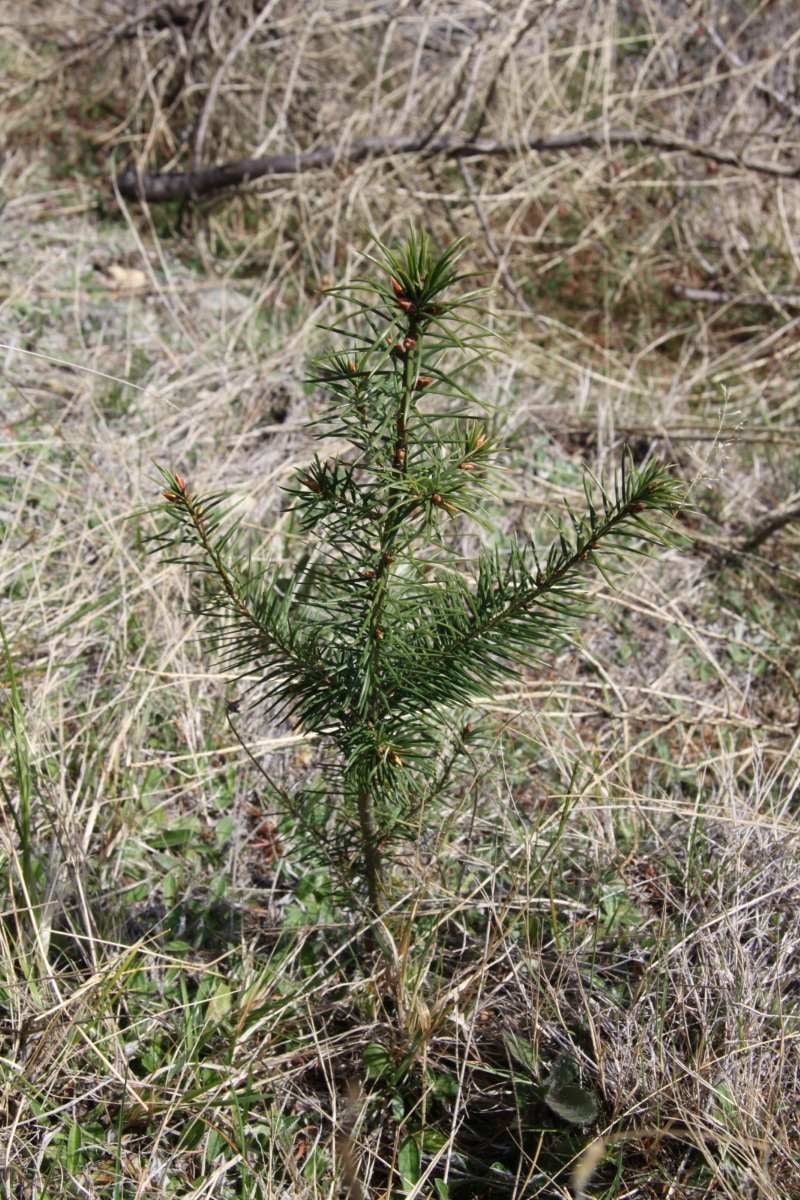
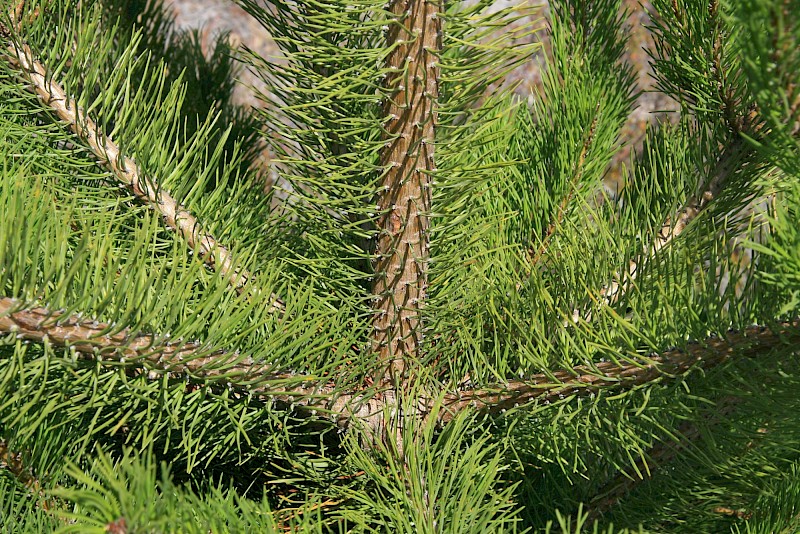
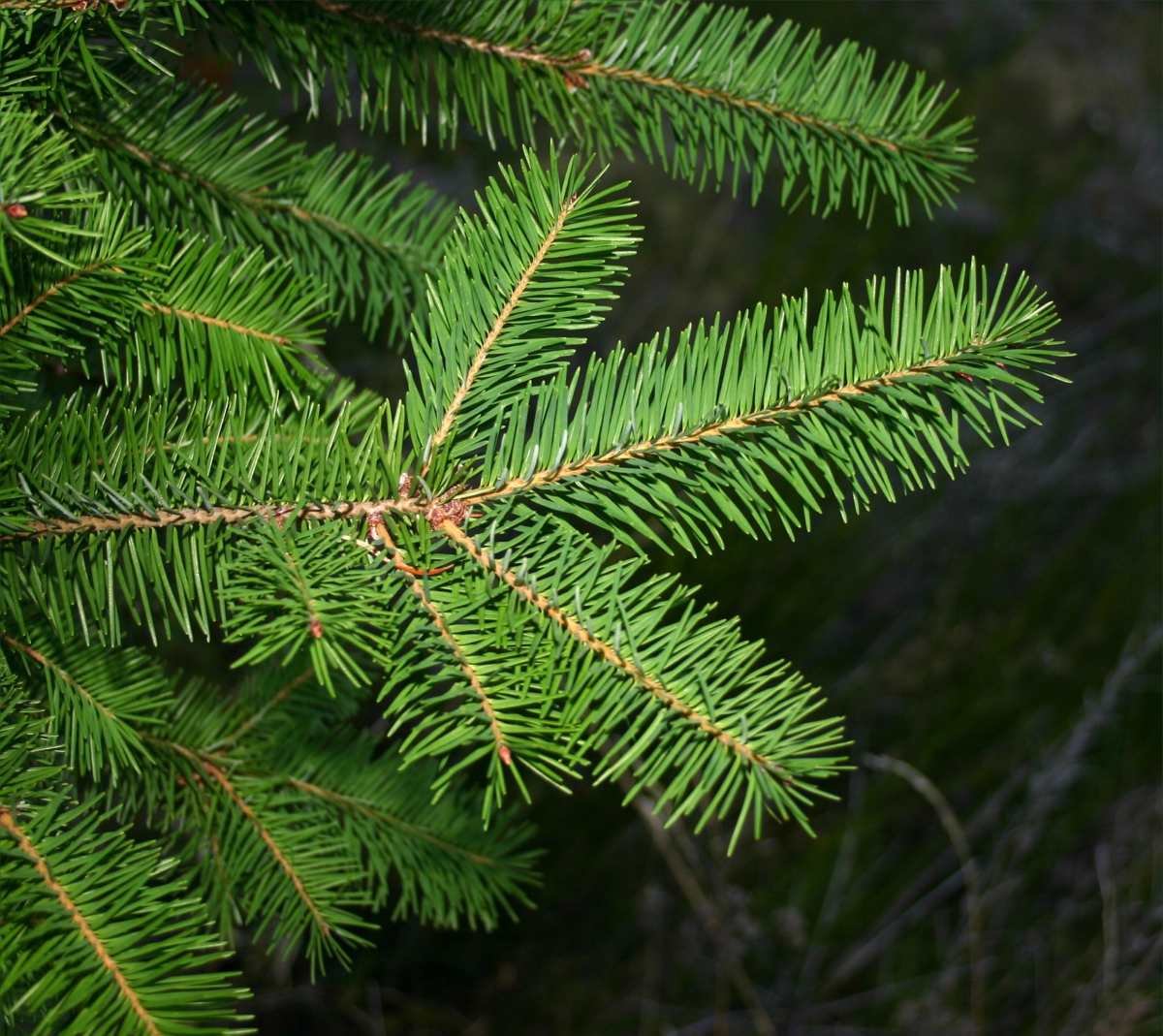
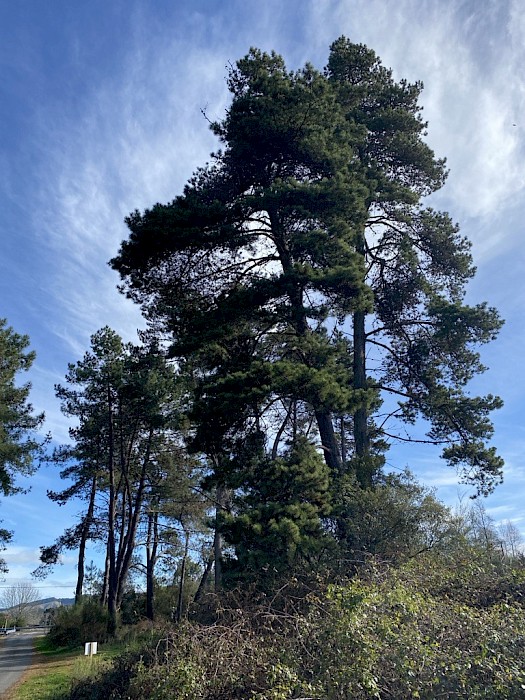
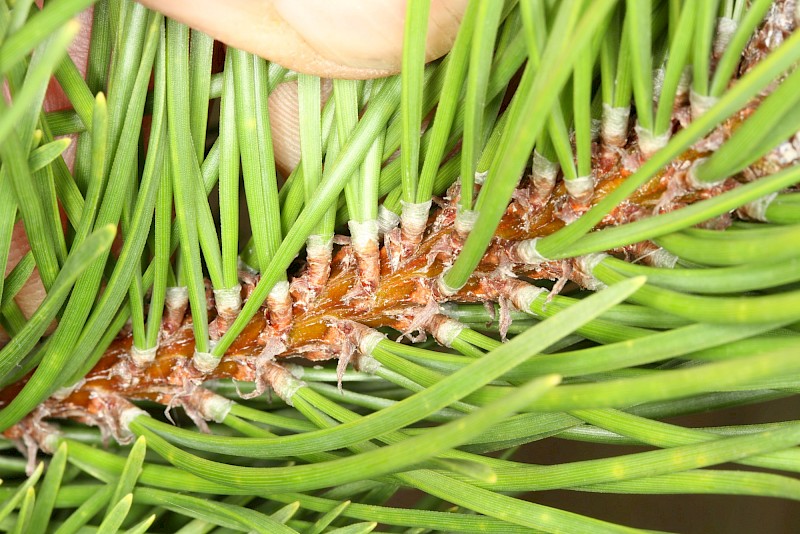
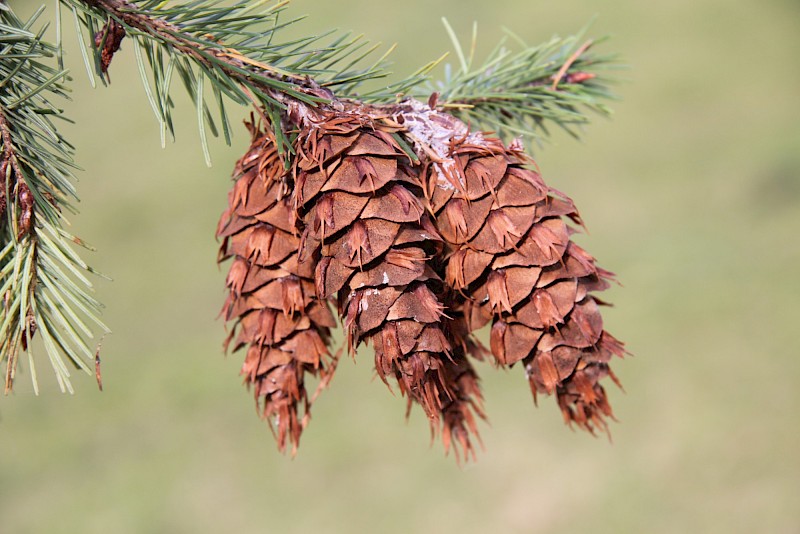
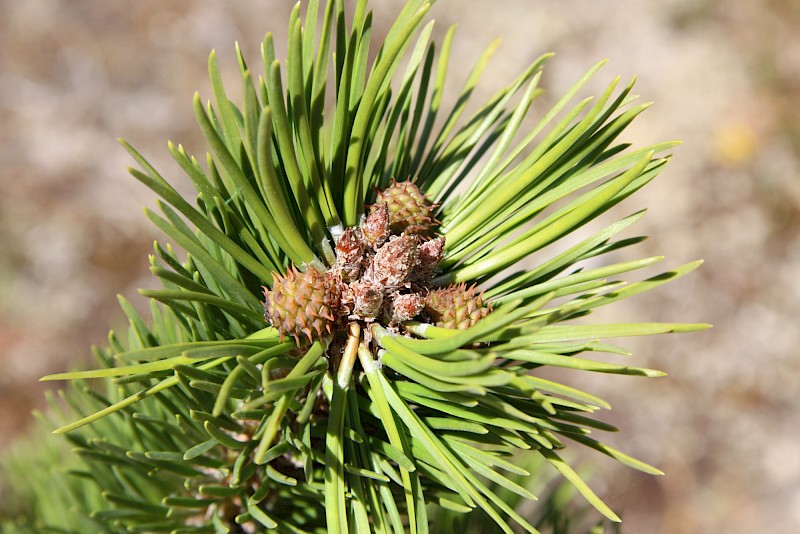
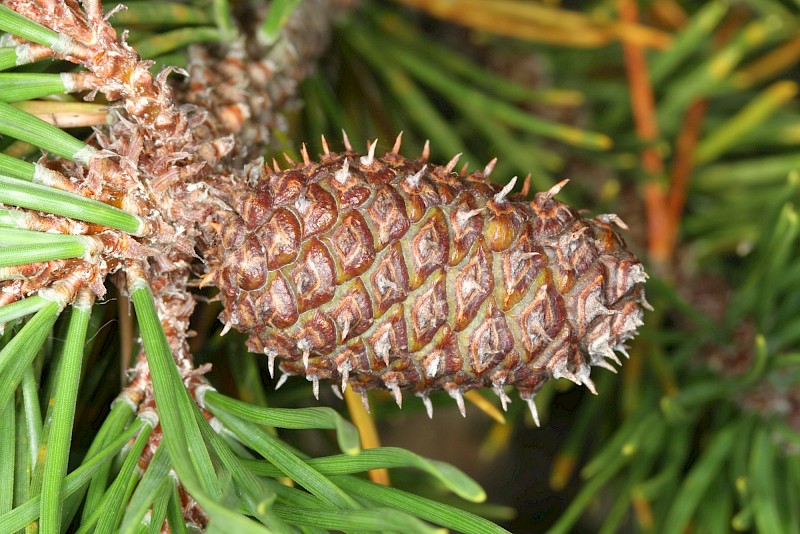
Photos courtesy of weedbusters
Research on NZ wilding conifers found effectiveness varies significantly by species, and that summer application gives meaningfully higher kill rates than winter across the board – this matters for choosing when to run cut-stump operations, not just which gel to use. MPI has released a ‘Cut Stump’ guide here.
Where possible us Picloram Plus+ gel for double action knockdown. See this article for more information.
Species-specific guidance (from field trials)
| Situation / Species | Recommended Gel | Why It Works |
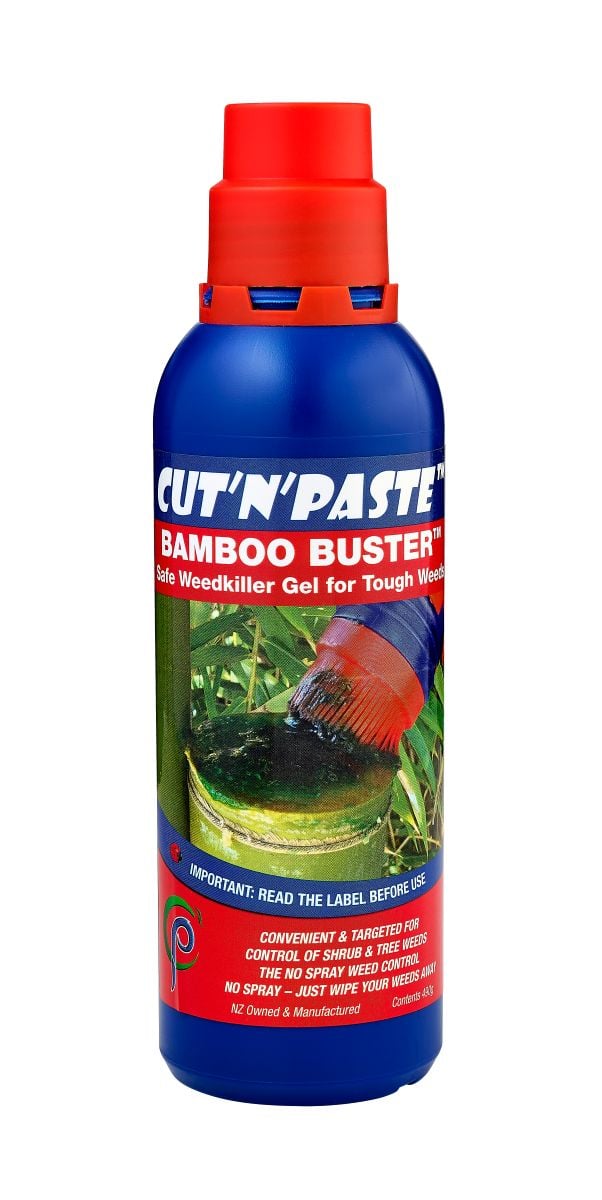
| Near Waterways, Natives, or Unknown Species | Bamboo Buster (240 g/L Glyphosate) or Glimax Professional (400 g/L Glyphosate) | Safer around waterways and desirable roots; zero soil movement; effective across all tested pine species. |
| Maritime (P. pinaster) or Corsican Pine (P. nigra) | Bamboo Buster / Glimax | Crucial: Glyphosate is the only reliable herbicide for these species. Other active ingredients fail or perform inconsistently. |
| Open Ground: Radiata Pine (P. radiata) Douglas Fir (Pseudotsuga menziesii) Scots Pine (P. sylvestris) Lodgepole / Contorta (P. contorta) Ponderosa Pine (P. ponderosa) European Larch (Larix decidua) | Picloram Plus (Excellent) or Picloram (Good) | High potency on open ground where non-target drift/soil residual is not a concern. |
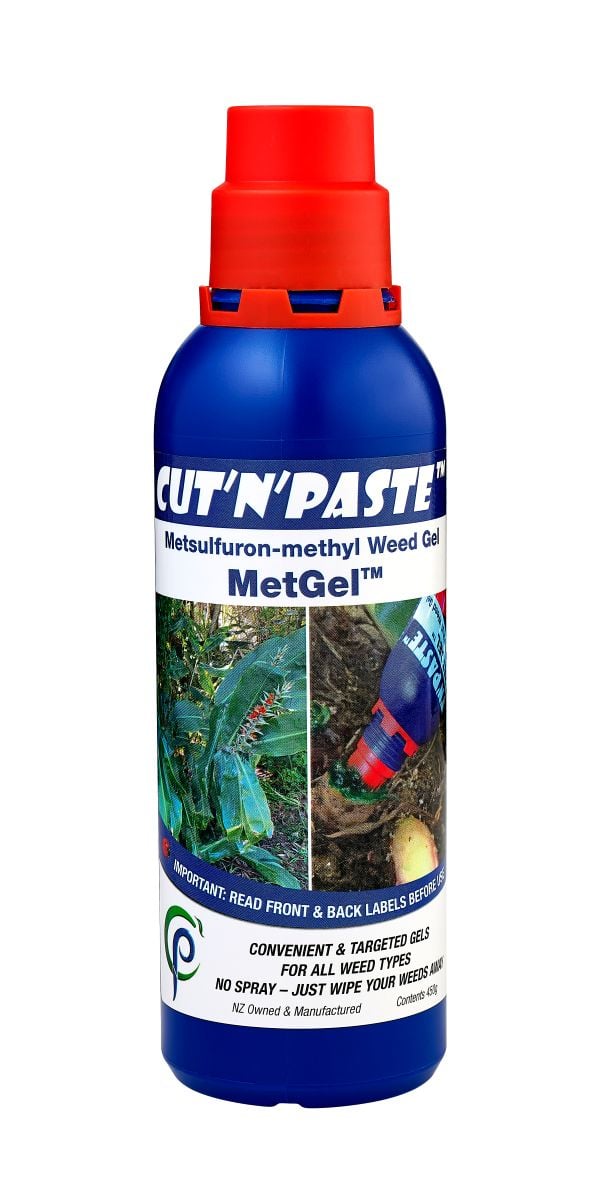
| Pine Infestation with Mixed Bulbs / Rhizomes | Picloram Plus or MetGel (Metsulfuron) | Knocks back stubborn woody regrowth alongside target rhizomatous weeds. |
Picloram Plus + gel is the gel of choice.
Contains 44.7g/kg Picloram (potassium salt), 4.47 g/kg Aminopyralid (triisopropanolamine salt)
Use when: Open ground, no valued vegetation/waterways nearby, and species is known to respond well (lodgepole, Scots pine, Douglas fir, larch, ponderosa). Not a good choice for pinaster or Corsican pine.
Caution: Half-life: 3-6 months in soil, water-mobile, can reach neighbouring roots after rain.
See also the additional safety warnings here.
When you need an alternative: Glyphosate gels: Bamboo Buster (240 g/L, “double strength”) / Glimax Professional (400 g/L)
Use glyphosate instead or Picloram when: Near waterways, natives, riparian margins, or pine regen you want to keep — and now also confirmed as the one gel effective across all pine species, including pinaster and (per trials) still among the best options for Corsican pine even though results there are patchy.
- Drawn into the root system, doesn’t travel through soil to affect untreated plants
- Neutralised in soil rather than spreading
- Low soil toxicity, no added surfactants
Bamboo Buster: standard/default strength for typical stumps.
Glimax: stronger, no-surfactant — tougher/larger stumps, max strength with low off-target toxicity.
MetGel / Metsulfuron gel (10 g/L+)
Use when: Radiata, Douglas fir, larch, or ponderosa. Do not use on pinaster — confirmed ineffective on that species specifically, separate from the soil-residual concerns.
Half-life: ~5-63 days, notably damaging to nearby young non-target seedlings via soil activity.
Treatment Methods
While small seedlings can be easily hand-pulled year-round, especially when the soil is moist, it is often better to cut and paste to ensure 100% kill rate success. There are two primary methods used with Cut ‘n’ Paste herbicide gels for Wilding Pines:
Method 1: Cut Stump using Chainsaw / hand tools (Saplings & Small Trees)
Key Technique: Cut small – medium sized trees down as low to the ground as possible using loppers, chainsaw or a hand saw.
Before you cut: Ensure you cut BELOW all green needles and branches – if any remain below the cut line, the tree can continue to resprout and grow back.
- Immediately after you cut: Brush away sawdust and apply your chosen Cut ‘n’ Paste Gel liberally across the entire freshly cut stump surface within 15 seconds of cutting. The Gel will be absorbed into the stump and down in to the root system to destroy the remaining plant from within.
Method 2: Drill & Inject / Ringbarking (Large Standing Trees)
For trees too large to fell safely, kill the tree standing without heavy machinery.
Key Technique: Drill downward-sloping holes around the circumference of the trunk (spaced 8–10 cm apart), or make deep axe cuts (frilling) into the sapwood around the base.
Immediately after you drill: As soon as you have drilled holes, fill them or smear the axe cuts with your chosen Cut ‘n’ Paste Gel. The herbicide is exceptionally effective on large, mature trees as it translocates quickly throughout the trunk’s vascular system to kill the pine tree without requiring heavy machinery.
Important Notes:
- ⚠️MetGel & Picloram Safety Warning: Both MetGel (metsulfuron) and Picloram have significantly more residual soil activity than the glyphosate gels, and can move through ground moisture — metsulfuron’s soil half-life is roughly 5–63 days, picloram’s is 1–3 months. Do not use either near desirable non-target plants, within the root zone of prized trees, or around waterways and wetlands.
- If working near waterways, wetlands, or prized native root zones, use Cut ‘n’ Paste double-strength Bamboo Buster or Glimax Professional – both glyphosate formulas seal the stump and prevents any lower foliage from keeping the root system alive.
- Safety First: Wear gloves and protective clothing and observe all safety protocols, especially when using machinery, chainsaws and other tools.
- When using any herbicide ensure you READ THE LABEL THOROUGHLY, follow all instructions and directions for the purchase, use and storage of the product.
- Commercial applicators may require Growsafe certification (not required for domestic use) when using Picloram or MetGel. Check with GROWSAFE / NZAET for your situation.
We also have a blog post here with additional information: and resource links.
According to the National Wilding Conifer Control Programme, research predicts up to 7.5 million hectares could be lost to wilding pine invasion in New Zealand. This could “have an economic cost of $4.6 billion, due to the negative impact of wilding pines on primary production, biodiversity, hydroelectrical power generation and irrigation” [see this link]
Target Windward “Takeoffs” First: Pine seeds are light and winged, easily travelling several kilometres on strong winds. Always target seed-producing parent trees (takeoffs) upwind or at higher elevations first to stop seeds continually scattering into cleared areas.
- Stems can be left to mulch but do occasionally resprout. Do NOT use uncontrolled burning.
Follow-Up Treatment Timeline:
Pine seeds can remain viable or blow in from nearby properties.
First Check (3–6 Months): Inspect standing trees treated via drill-and-inject/frilling. Look for needle yellowing and browning. Re-apply gel to any missed saplings or green stump regrowth.
Annual Sweep (12 Months): Conduct an annual sweep of the cleared area every spring or early summer to hand-pull new seedlings before they develop deep roots.
Long-Term Maintenance (Every 3–5 Years): Because wilding pines take 5 to 8 years to reach cone-bearing age, carrying out a site sweep every 3 to 5 years guarantees no new seedlings will ever mature enough to produce seeds and re-infest the area.