Moth Plant Competition – Winners Announced :: Find Out


Blackberry – The Thorny Rambler
Home » Help » Weed Directory
Reclaim your property from this sharp-thorned pest
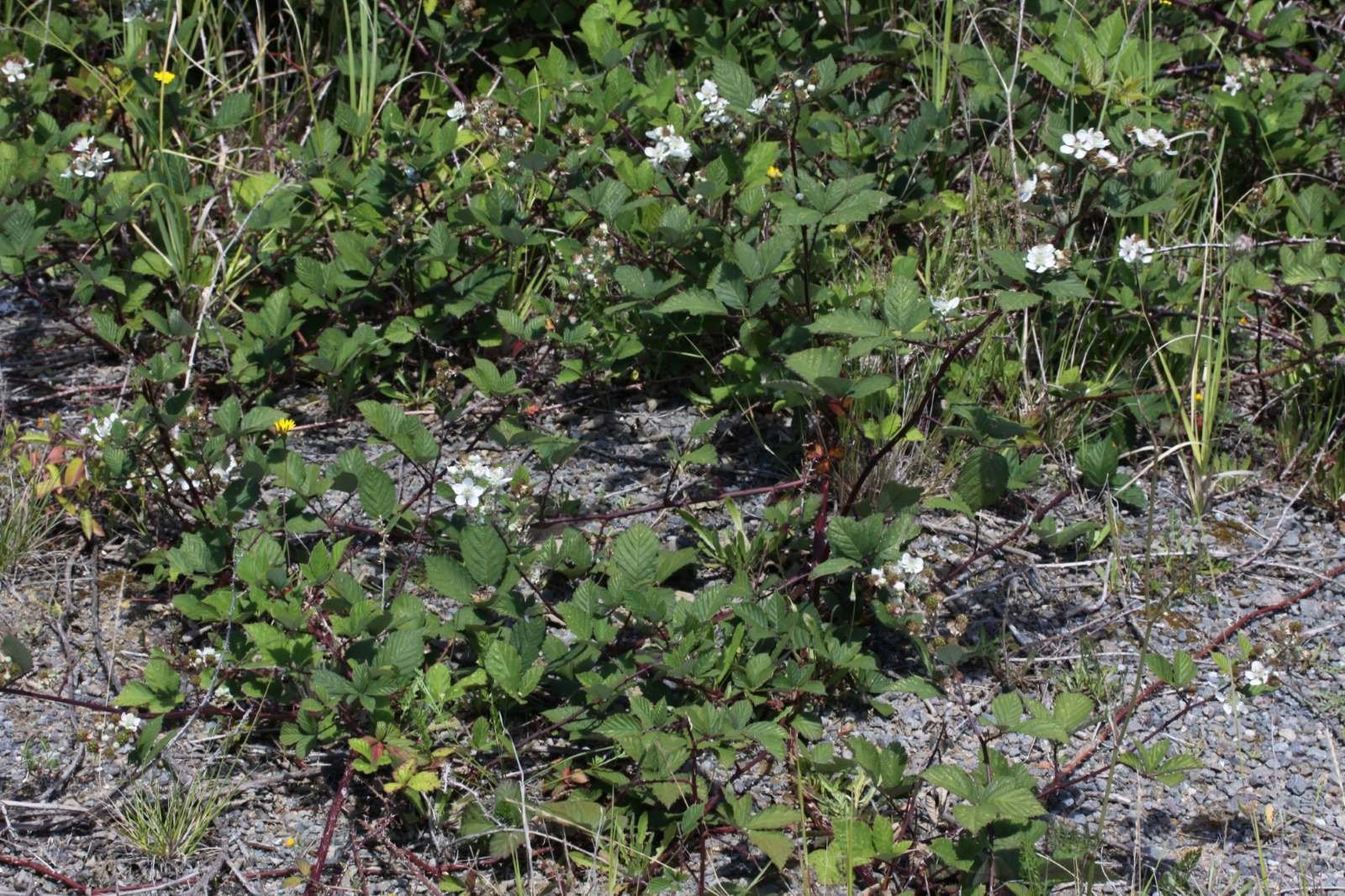
Blackberry (Rubus fruticosum) - also commonly known as Bramble - is a notorious, highly aggressive pest plant introduced from northern temperate regions. While many people fondly associate it with summer fruit picking, wild Blackberry is a destructive environmental weed across New Zealand. It invades stream banks, forest margins, swamps, tussock land, and open pastures, rapidly forming massive, impenetrable, long-lived thickets.
Once established, Blackberry smothers virtually all low-growing plants, blocking the establishment of native seedlings and severely impeding access through land. Its extensive root crowns, creeping rhizomes, and arching stems - which take root wherever they touch the damp ground - allow it to spread relentlessly. To make matters worse, it is extraordinarily resilient, happily tolerating drought, flooding, and almost any soil type (though it struggles in dense, full canopy shade).
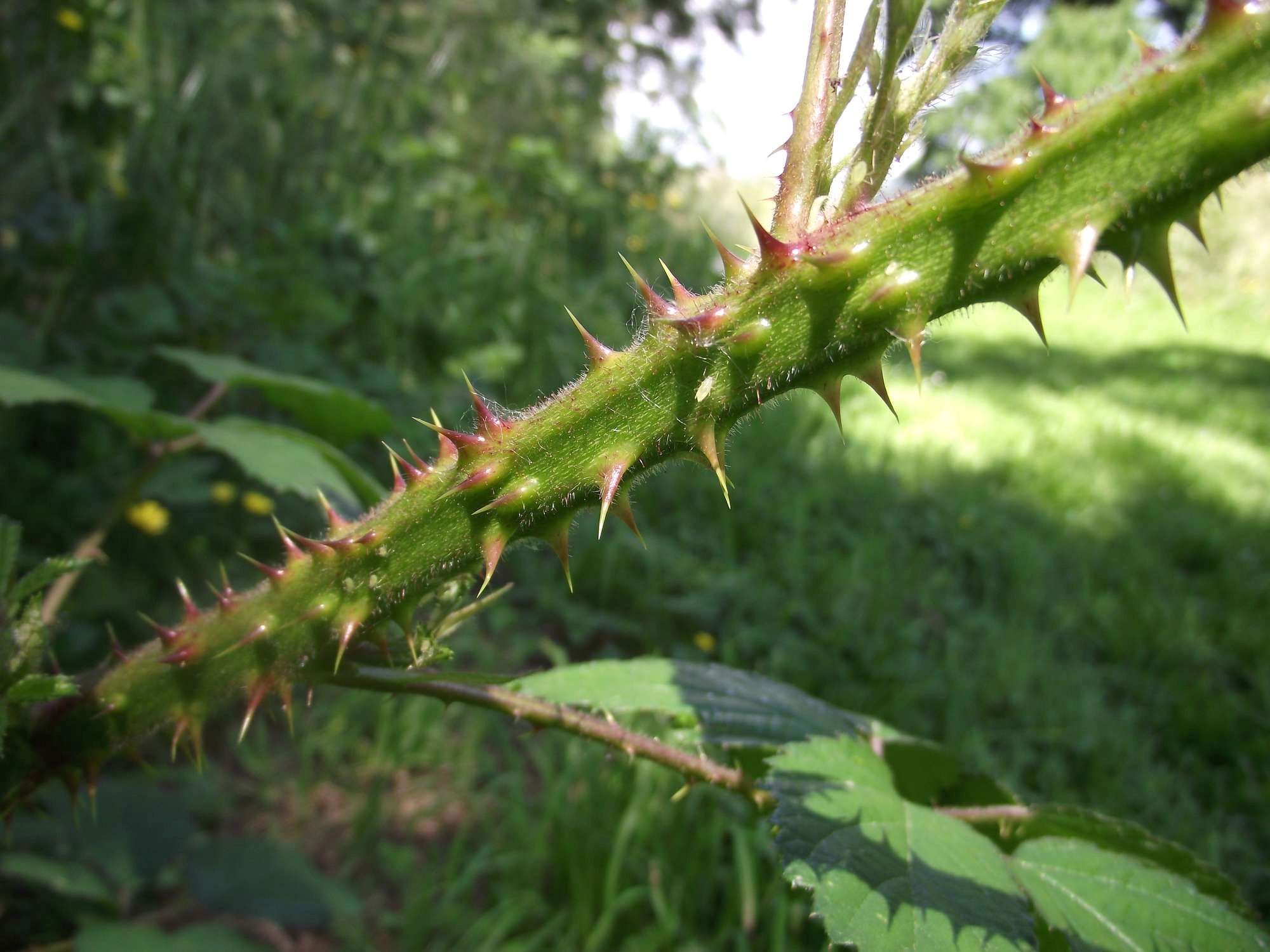
Recognising Blackberry is straightforward due to its sharp, thorny stems and distinct fruiting habit:
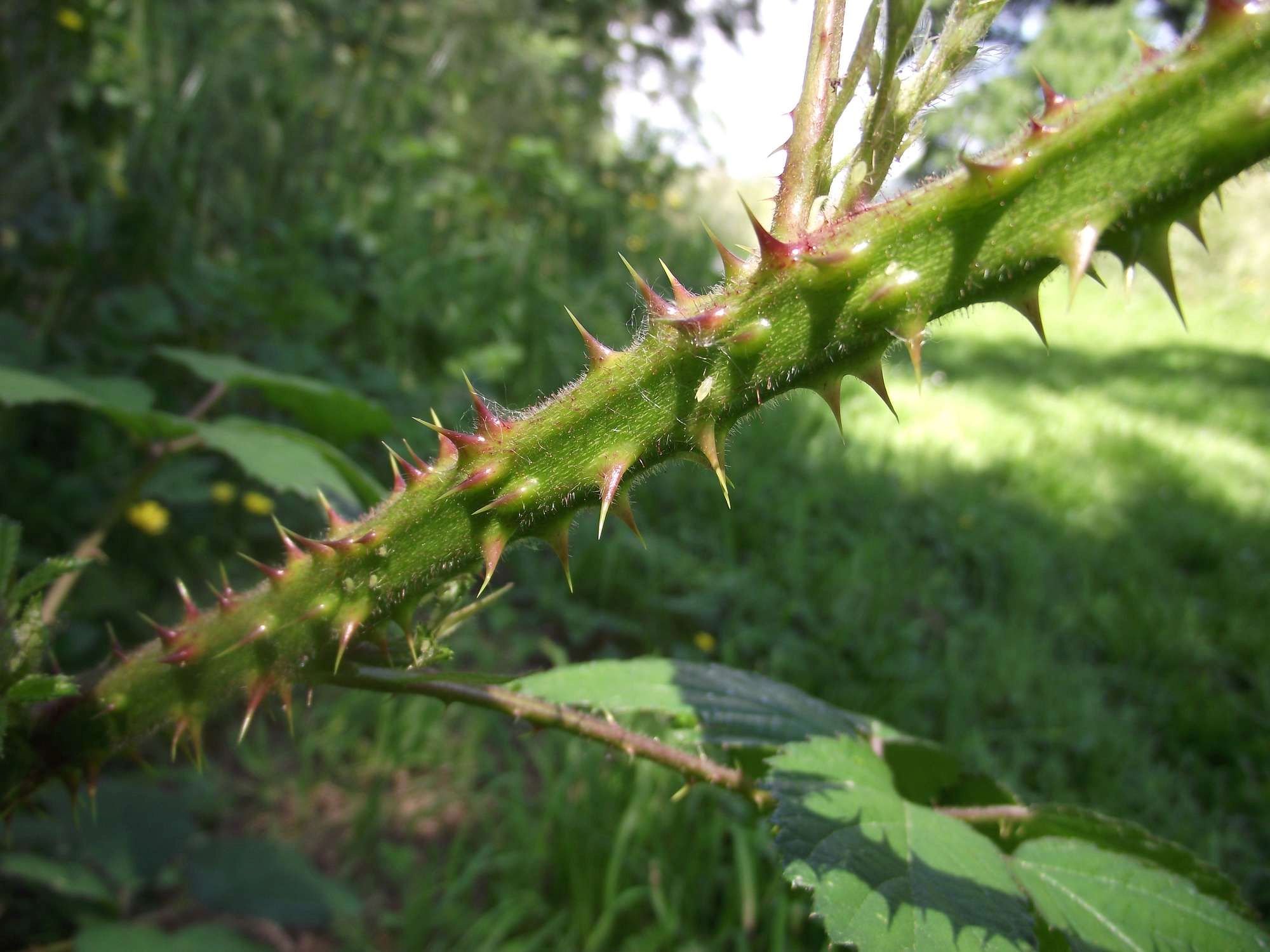
The Stems: Scrambling, arching, and heavily covered in sharp prickles. Stems are green or reddish, semi-erect, and tangled, frequently taking root at the tips when they contact soil.
The Leaves: Flat, alternate, dark-green leaves with distinctly cut, jagged edges. They are usually deciduous, dropping away in colder months.
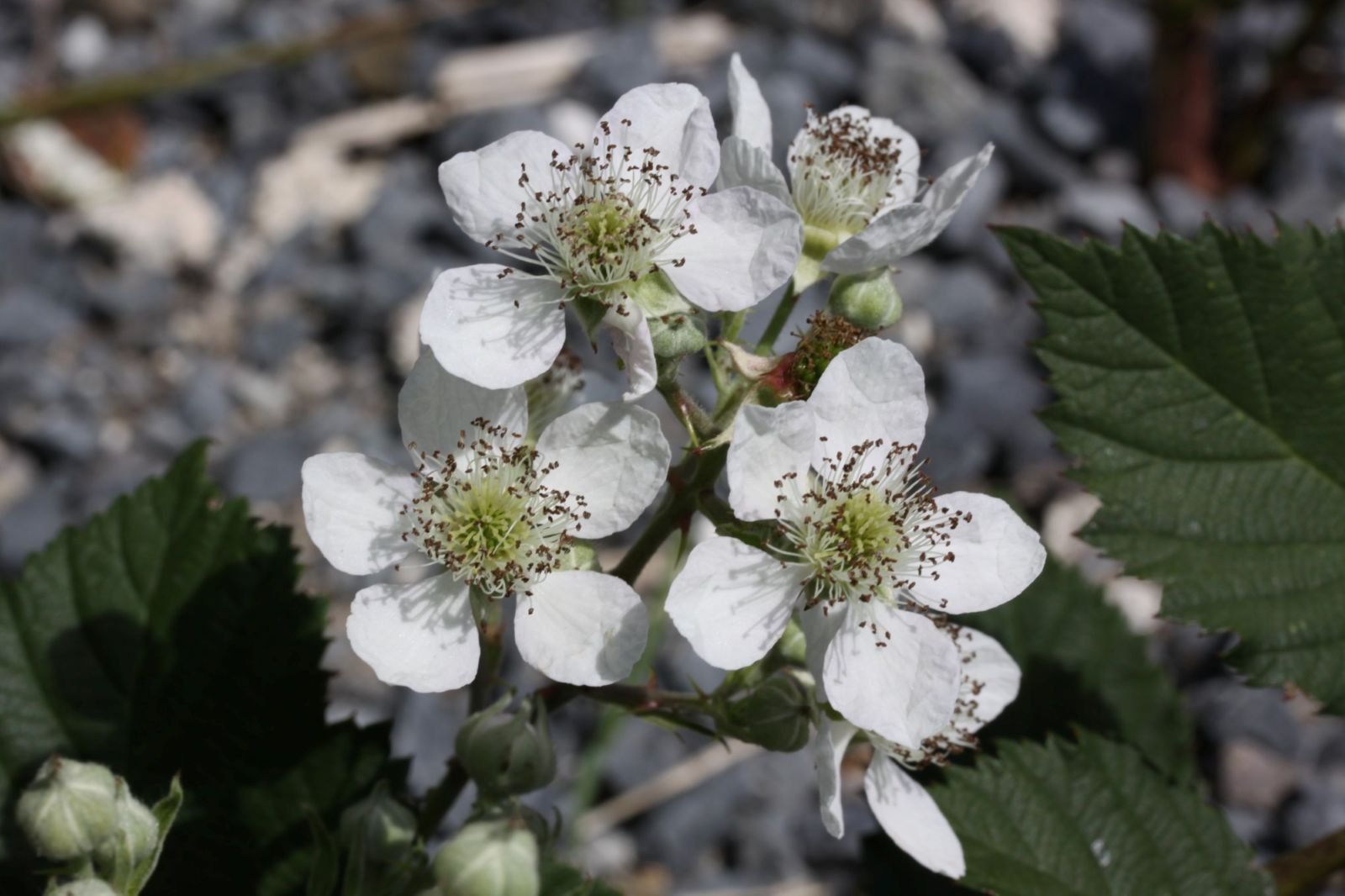
The Flowers: Clusters of white to pink 5-petalled flowers appearing from November through April.
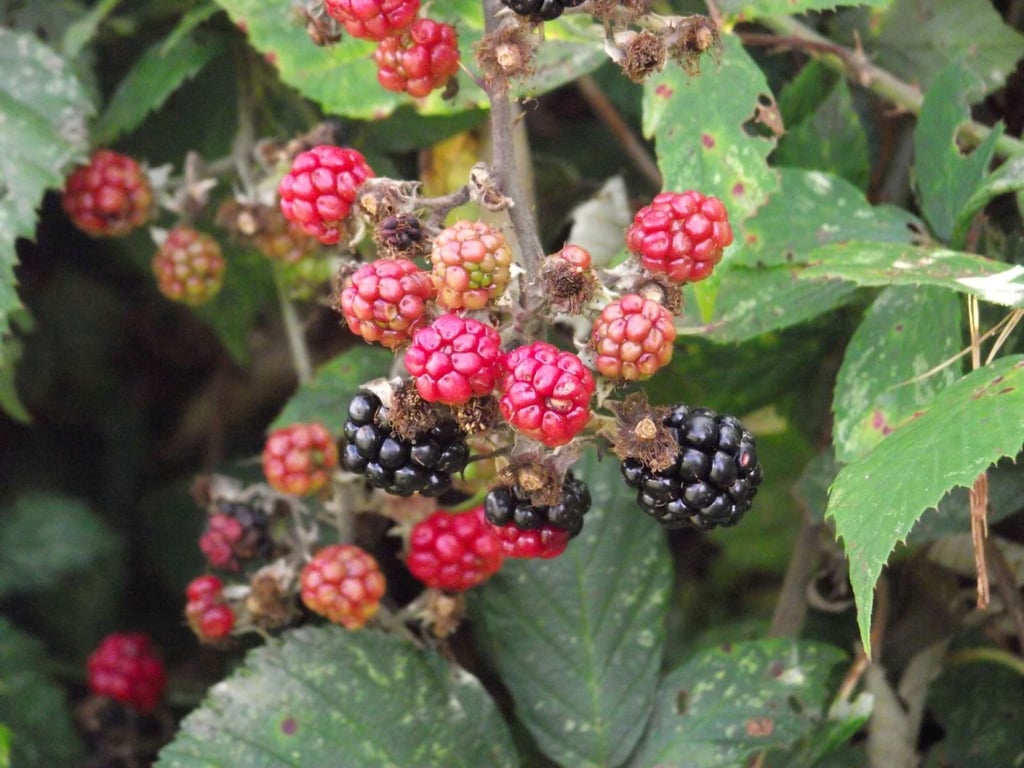
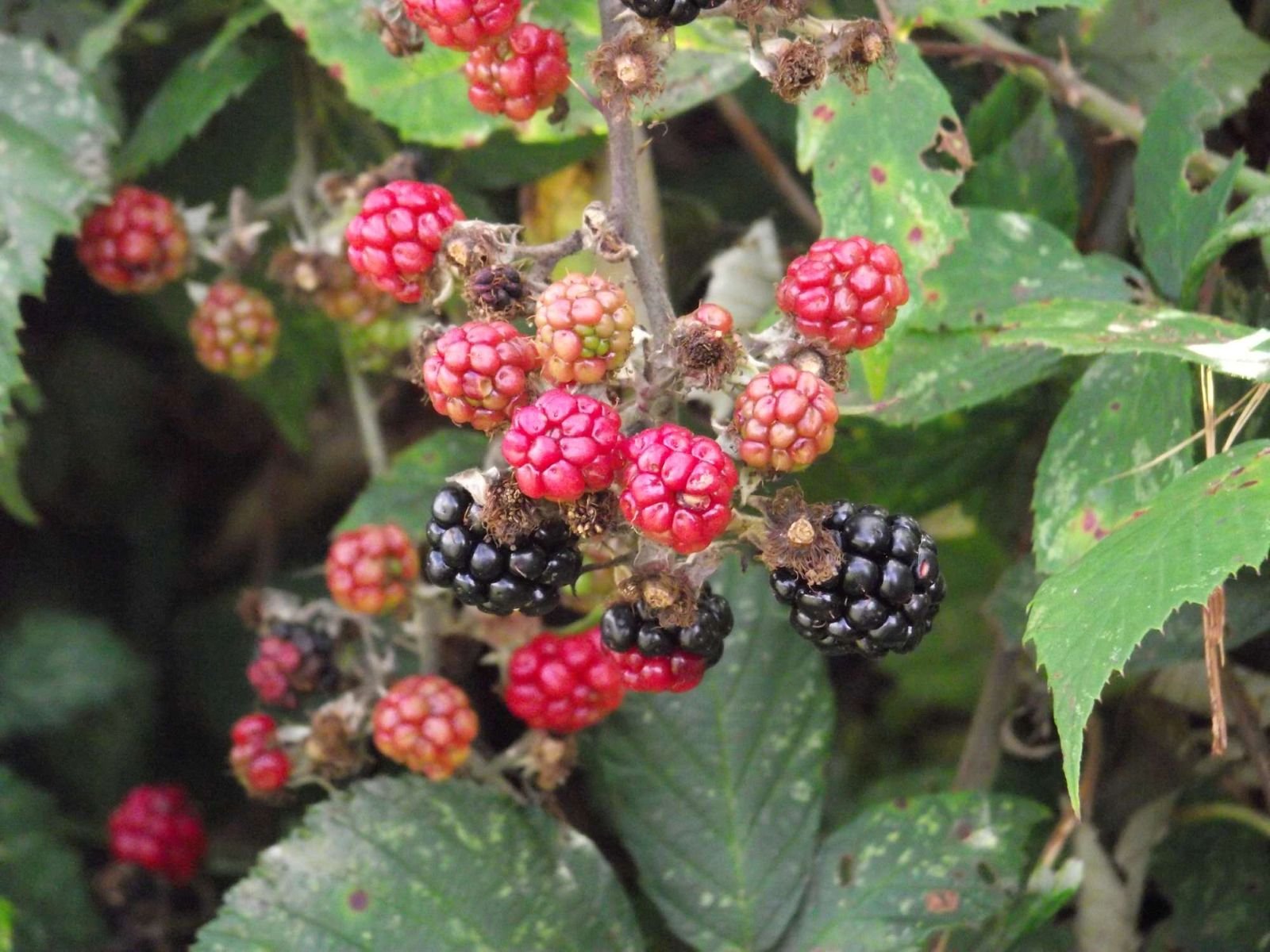
The Fruit: Clusters of berries that turn from green to red, ripening into shiny black fruit between November and May.
Lookalikes: Can be confused with cultivated raspberries, loganberries, or wild rose species, but Blackberry is distinguished by its heavy, scrambling habit and massive root crowns.
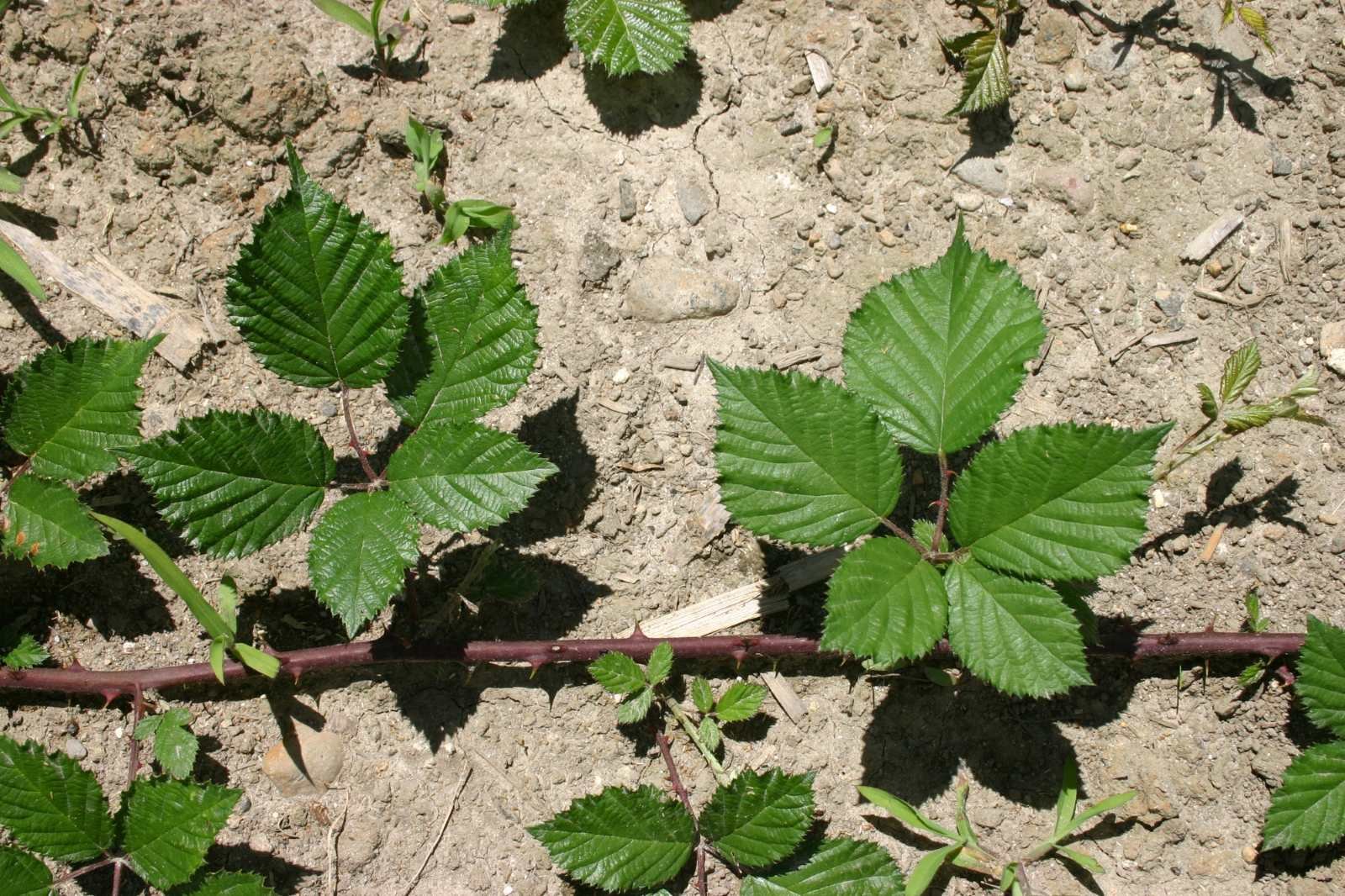
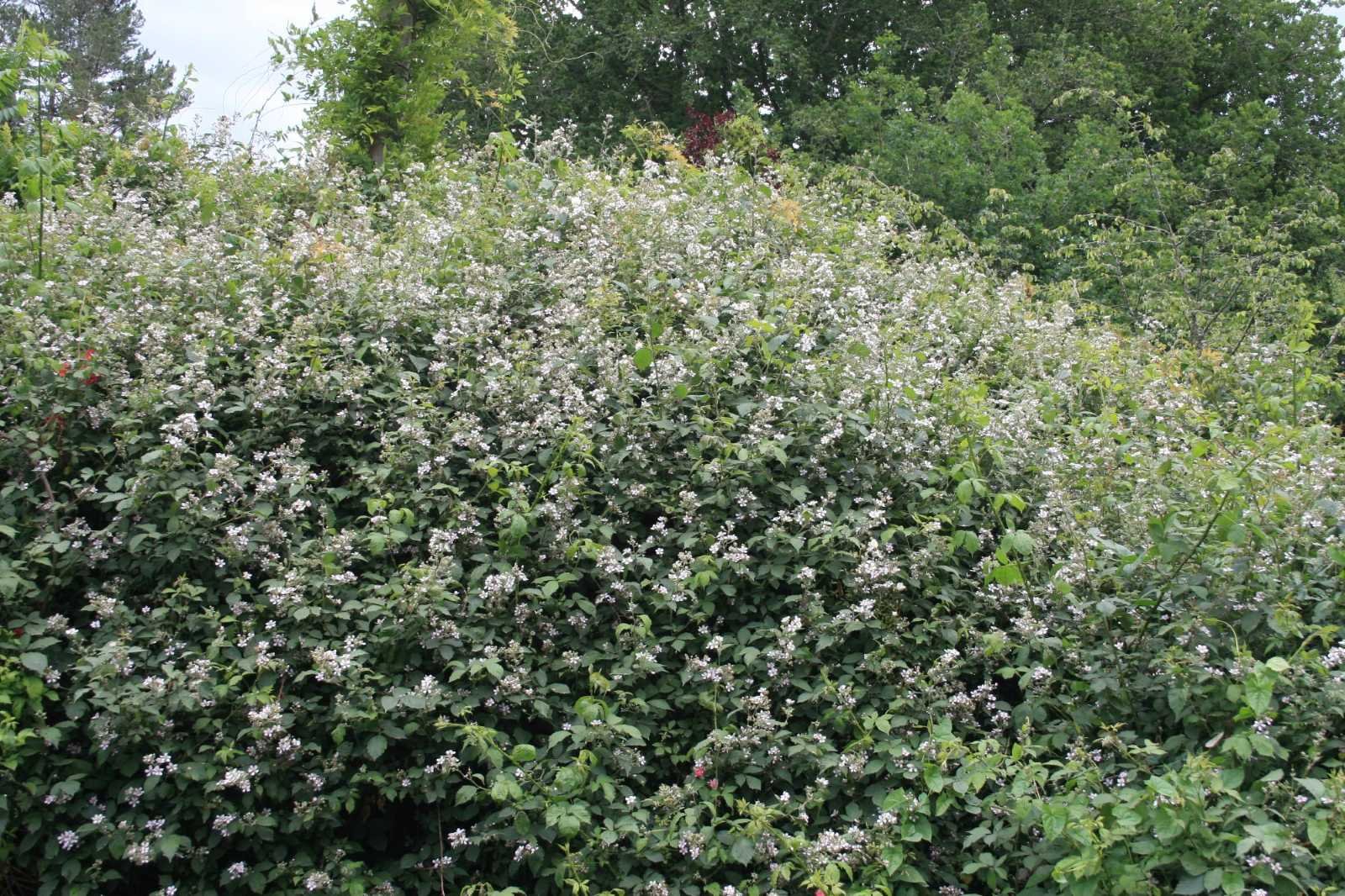
Because Blackberry possesses a massive underground network of rhizomes and root crowns, simply slashing or cutting back the top growth will not kill it – the roots will quickly send up vigorous new suckers and the plant will recover quickly after slashing or grazing. To eradicate it permanently, you must target the vascular tissue directly at the root base.
Method 1: The Base Cut (Best for Clear Access)
Step 1: Suit Up for Protection Before tackling Blackberry, put on heavy-duty leather gardening gloves, thick long sleeves, and sturdy trousers to protect yourself from the sharp, hooked thorns. If not, there will be blood (and tears)!!
Step 2: Clear the Canopy & Make the Base Cut Use a long-handled pruner or brushcutter to clear away the outer arching canes to reach the core root crown. Cut the main stems as close to the ground level as possible, making a clean, flat cut.
Step 3: Paste Immediately Within 15 seconds of cutting, apply a thick, 4–5mm layer of herbicide gel directly onto the raw cut surface of the stump before the cells seal up.
Method 2: The Glove Smear (Best when Roots are Inaccessible)
If thick, thorny tangles make it impossible to reach the base root crown safely, don’t force your way in! Put on a tough, disposable safety glove, squeeze a liberal amount of weed gel onto your gloved hand, and carefully pull the gel directly up through the live leaves and stems, without getting cut to pieces on the sharp thorns (choose the younger fresher leaves). The plant will absorb the active ingredients through its green tissues and transport them straight down into the roots. You may need to perform this action several times over a few weeks. Ensure you choose a day when it will not rain for 24 hours.
Choosing the Right Product for Blackberry
Which gel is right for you depends a little on how ‘bad’ the blackberry growth is – how far it has spread, and whether or not you have other “prized” plants nearby.
Option 1:
Choose one of our three glyphosate based gels: Our glyphosate gels target the weed’s root system and break down cleanly in the soil with minimal effect to nearby non-target plants. They contain low-toxicity ingredients and very low levels of plant-based APG detergents, making them safe for sensitive environments. (Do not use directly next to open waterways or active wetlands).
Original Weed Gel is the lowest strength gel. It’s useful if the weed is small or if you have lots of prized plants nearby.
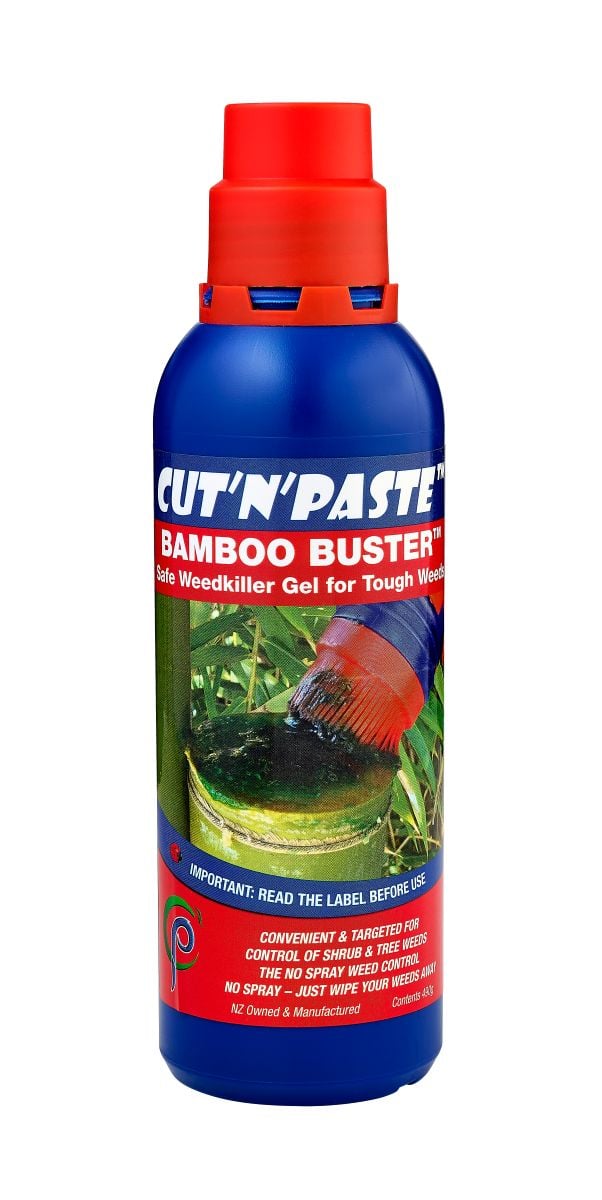
Cut ‘N’ Paste Bamboo Buster is our mid strength gel. Ideal for larger targeted control in flower beds or near valued species.
Glimax Weed Gel – or our max strength – The gold standard for huge, established Blackberry thickets with massive root crowns, or when using the “glove-smear” method on dense foliage where you need every drop of gel to count.
—-
Option 2:
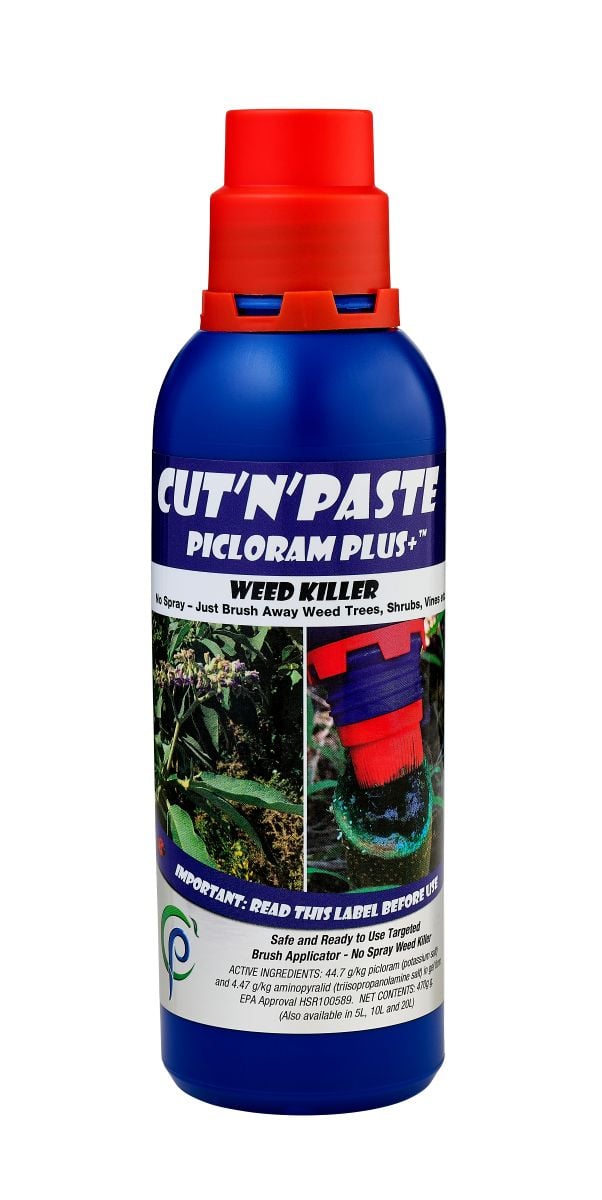
- Cut ‘N’ Paste Picloram Plus+ Weed Gel (Maximum Long-Term Kill): For stubborn, sprawling Blackberry patches where you want a decisive, lasting kill, choose Cut ‘N’ Paste Picloram Plus+ Weed Gel. This synergistic formulation pairs Picloram with Aminopyralid:
Superior Uptake into Suckers: Aminopyralid is rapidly taken up through leaves, stems, and fresh suckers, disrupting growth processes and driving deep into creeping rhizomes.
Soil Residual Activity: Picloram provides long-lasting soil activity around the root zone, preventing lingering rhizomes from sending up new shoot regrowth.
- Do not use if there are prized plants nearby.
—
Important Notes
- Remember that due to the concentration of glyphosate in the gel, it’s best not to use Glimax next to waterways (choose Bamboo Buster or Original instead as these are not as strong).
- MetGel & Picloram / Picloram Plus gels can be “soil residual”, persisting in soils for 6 months or more – spreading through root systems, potentially killing other nearby broadleaf plants – so if there are any concerns about nearby prized or valued plants, we’d suggest you to consider our medium strength product “Bamboo Buster” instead. While it is a good alternative option as it is not as strong, you’ll likely need multiple applications.
- Always read the label and follow the instructions carefully.
- We always recommend that you wear gloves and we strongly advise you to wear eye protection and decent protective clothing where necessary.
Difficult to Dig Out: Physical excavation works for tiny, young seedlings, but attempting to dig out established clumps is notoriously difficult. Any small fragment of rhizome left behind in damp soil will rapidly resprout.
Disposal of Scraps: Never leave cut Blackberry stems touching bare, damp dirt, as the arching tips can easily re-root (layering). Leave cut canes elevated off the ground to dry out completely, or burn them safely where permitted.
Preventing Regrowth with Native Canopy: Native plants will naturally overtop and suppress Blackberry over time if you establish good, dense canopy growth, as Blackberry cannot tolerate heavy shade.
Long-Term Monitoring: Birds eat the berries and scatter seeds across wide areas. While Blackberry seeds have a relatively low germination rate, you should still check the treated site regularly to pull up or dab any new baby seedlings before they establish heavy root crowns.
- But it’s fruit – I should keep it right? NO;
The Berry Temptation: It’s easy to look at a ripe, heavy crop of wild blackberries and think, “At least I can get a free harvest of fruit before killing it.” However, leaving the plant to fruit allows birds and animals to feast on the berries and spread hundreds of seeds across your land and neighbouring bush, guaranteeing years of new seedlings. Worse still, wild blackberry patches are frequently sprayed with unknown chemicals or herbicides by council contractors, making the berries risky to eat. It’s far better to wipe out the parent clump before the fruit ripens, and plant a controlled, thornless domestic blackberry (or blueberry!) in your garden instead!