Moth Plant Competition – Winners Announced :: Find Out


Hawthorn, Cotoneaster and Barberry
Home » Help » Weed Directory
Hawthorn, Cotoneaster and Barberry Are Gone
Hawthorn, Cotoneaster and Barberry, along with others such as Rhamnus (Evergreen Buckthorn) and wild blackberry are the "woody weeds" that can all be killed with Cut'n'Paste Weed Killers. These are tough & robust species and shrubby weeds, originally introduced as farm hedges, ornamental garden shrubs, or fruit sources. They have aggressively escaped into pastureland, forest margins, stream banks, roadsides, and urban reserves.
These woody invaders share common traits that make them ecologically damaging: they form dense, impenetrable thickets that block access, choke out regenerating native understorey, and produce heavy crops of berries that birds scatter across vast distances. Because of their extensive root networks, massive root crowns, and remarkable ability to resprout from cut stumps, tackling them requires a targeted, heavy-duty solution. All of the nasty weeds - thrive in open ground and along edges where soil life is lacking. They all follow the similar pattern in their weediness and the methodology for controlling and killing them is also similar: Cut'n'Paste Weed Gels.
While each of these woody weeds has unique features, recognising them helps you spot them early across your property:
Hawthorn (Crataegus monogyna): Deciduous, small tree with lobed leaves, sharp woody thorns, white or pink spring flowers, and bright red berries (haws).
Cotoneaster (Cotoneaster spp.): Evergreen or semi-evergreen shrub with stiff, arching branches, small glossy dark-green leaves (often pale underneath), clusters of small white flowers, and heavy bunches of red or orange berries in autumn.
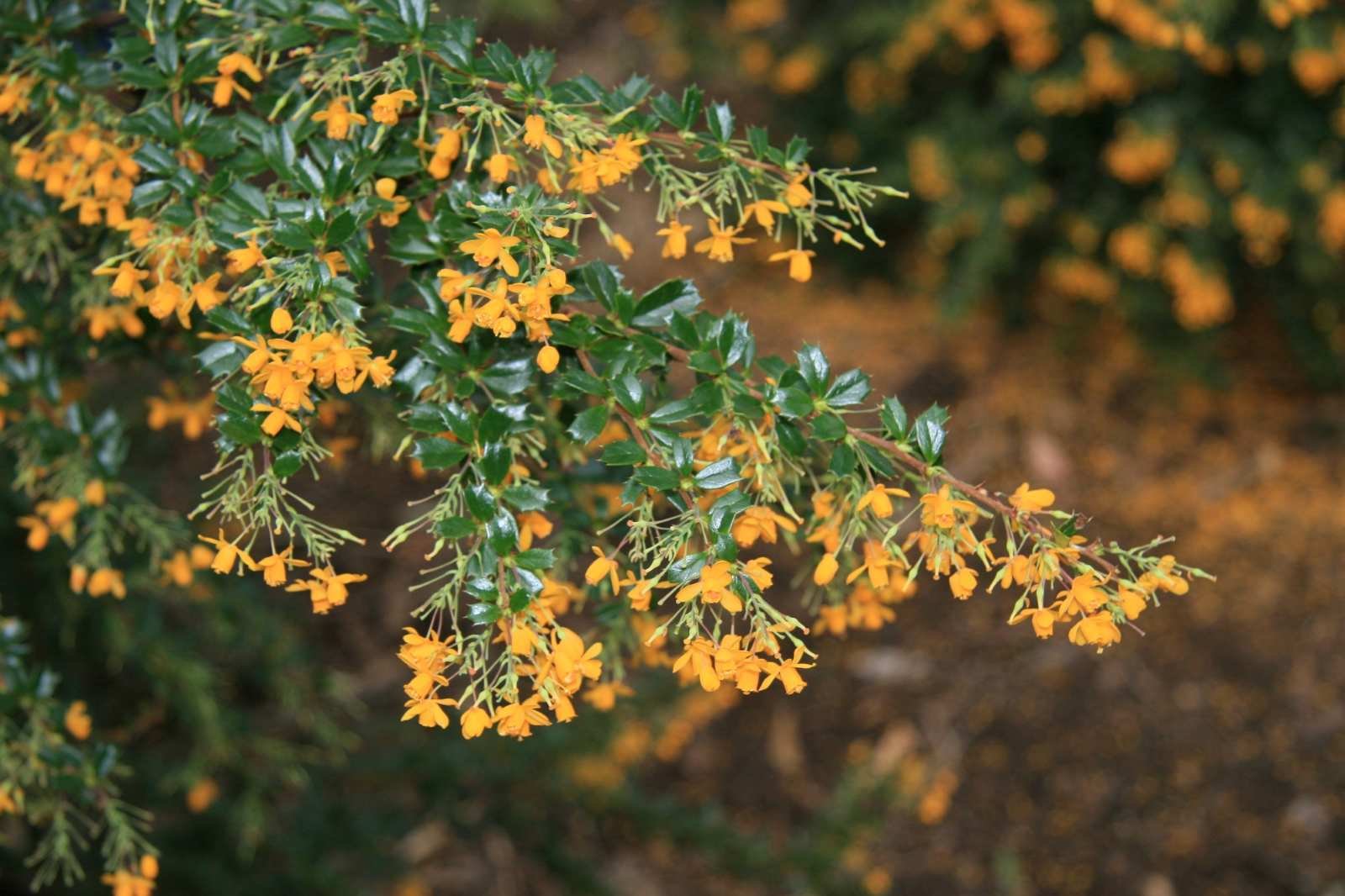
Barberry (Berberis glaucocarpa): Spiky shrub with bright yellow inner wood, serrated green leaves, needle-sharp three-pronged spines along the stems, and reddish-black berries.
Rhamnus / Evergreen Buckthorn (Rhamnus alaternus): Fast-growing shrub or small tree with oval, leathery green leaves with finely serrated edges, small greenish flowers, and dark red berries that ripen to black.
Blackberry (Rubus fruticosus): Scrambling, arching cane shrub covered in sharp prickles, jagged-edged leaves, white-to-pink flowers, and black berries.
Go to NZ Plant Conservation Network to see detailed description of these weeds at this link.
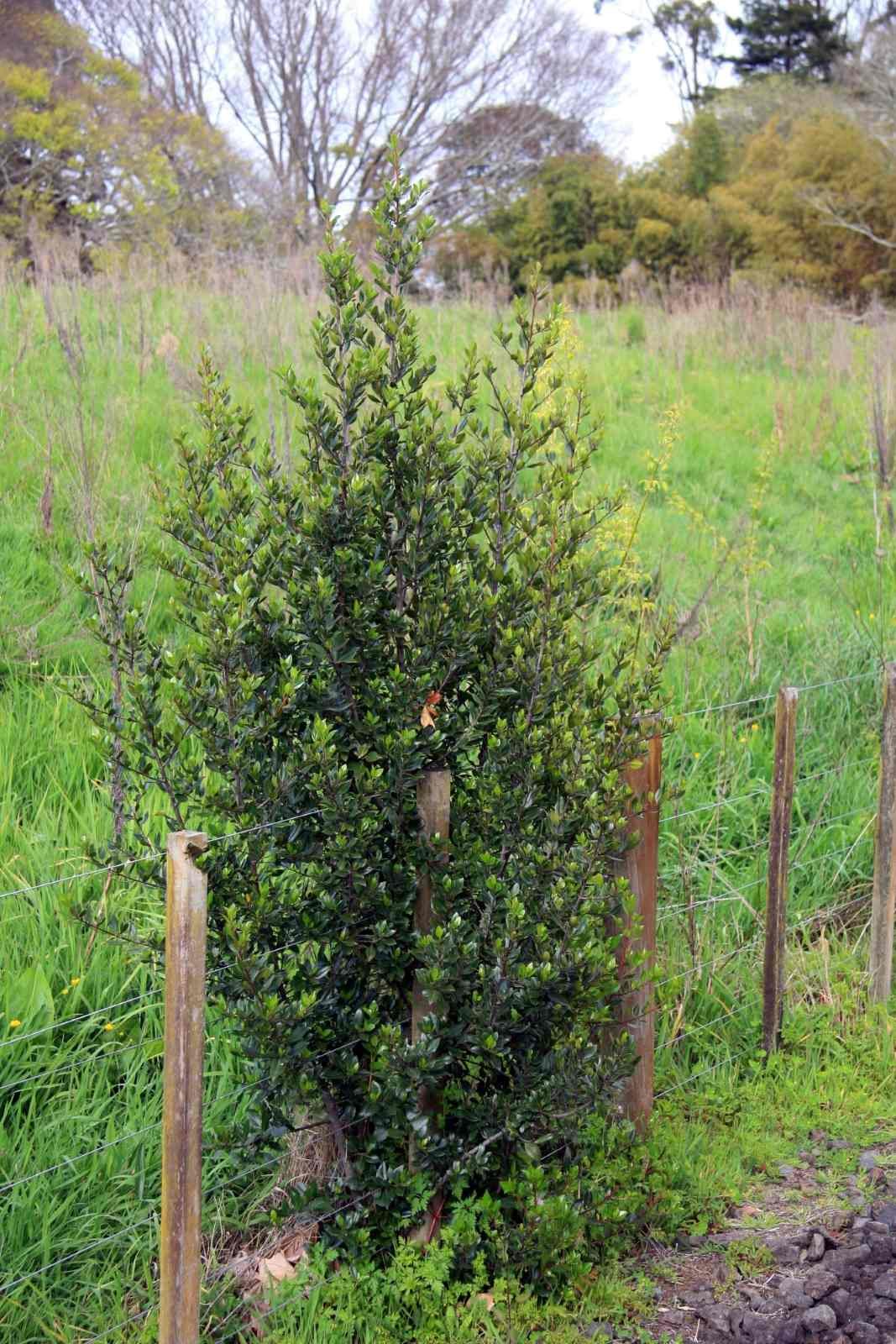
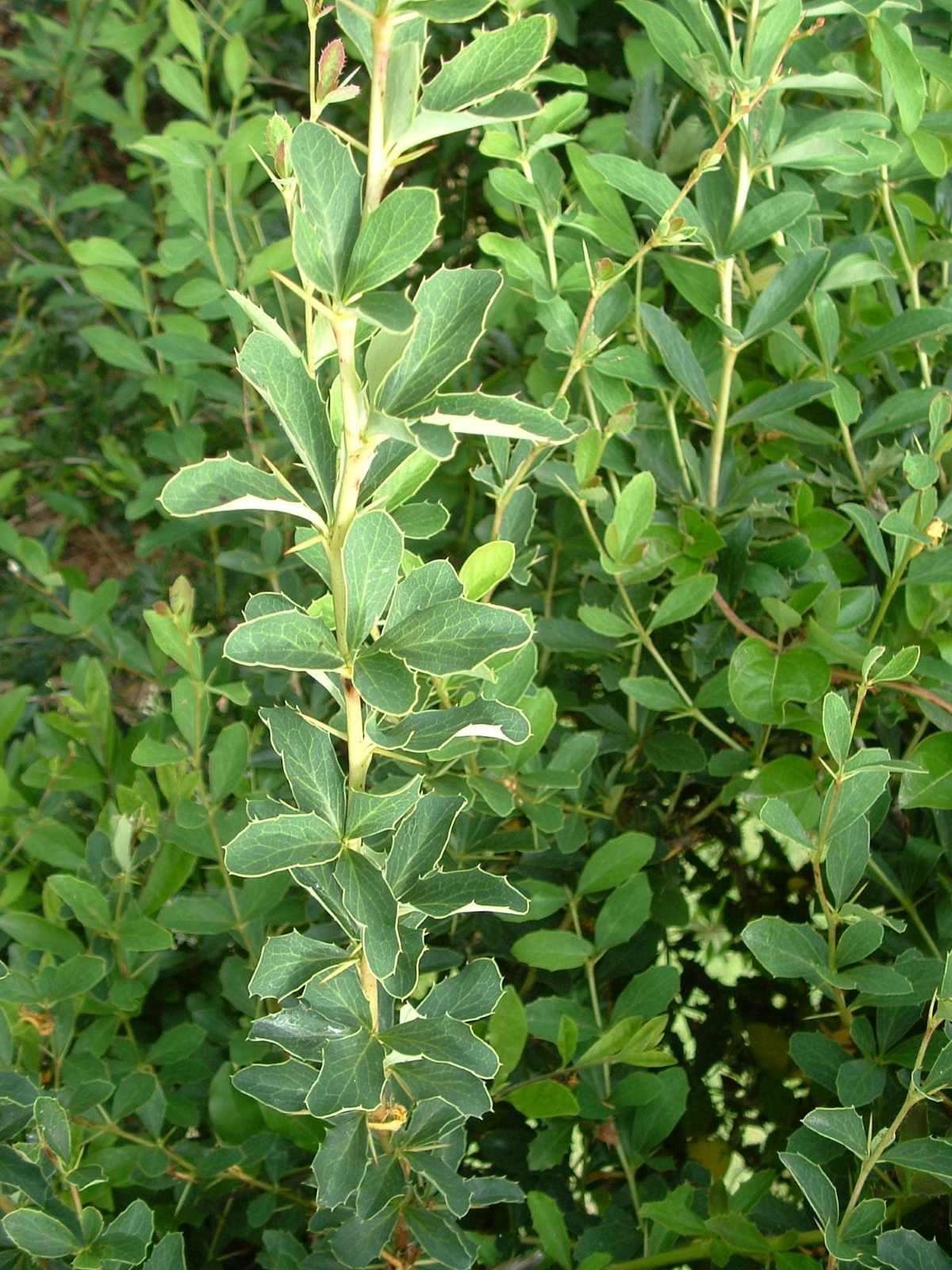
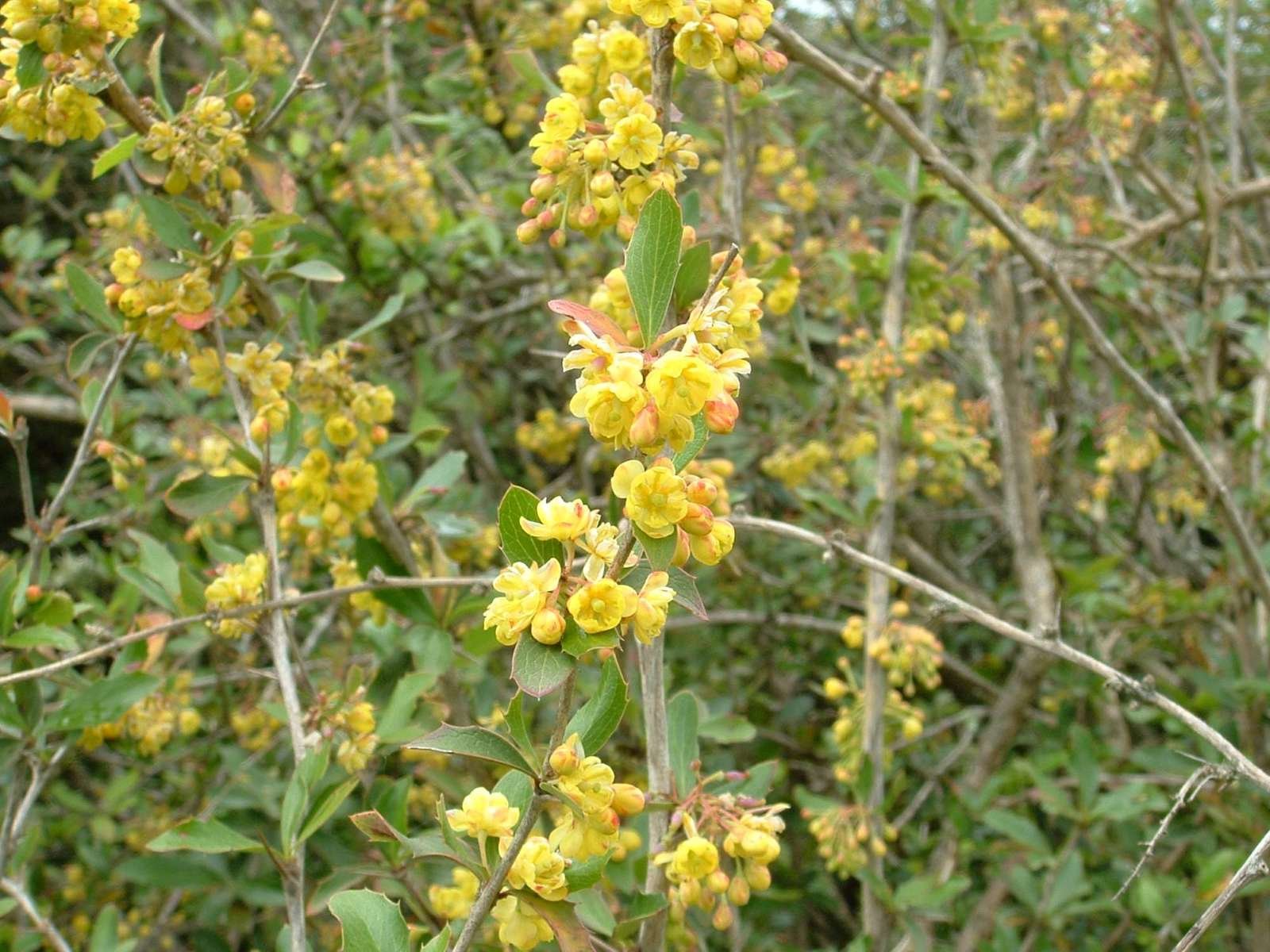
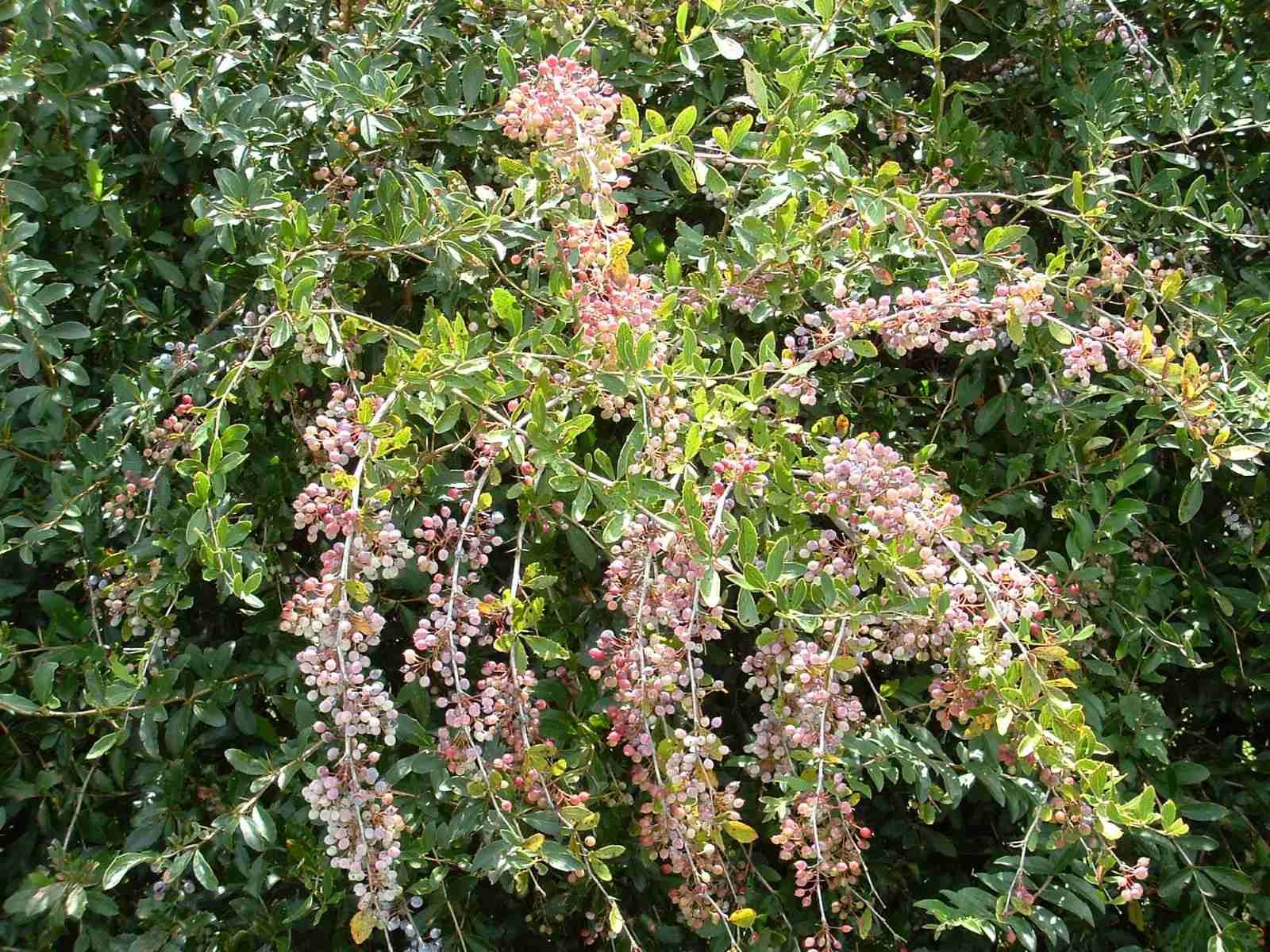
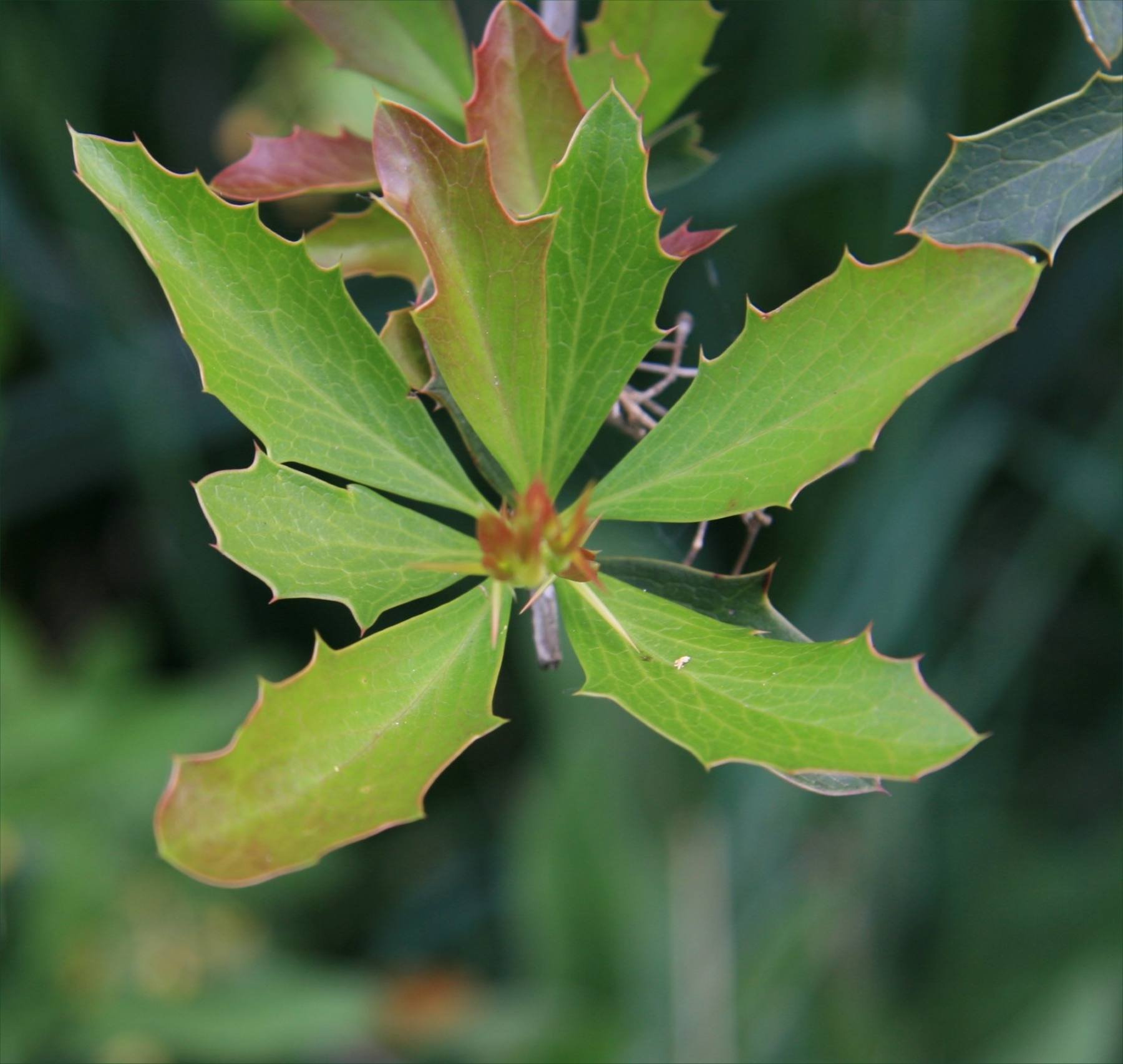
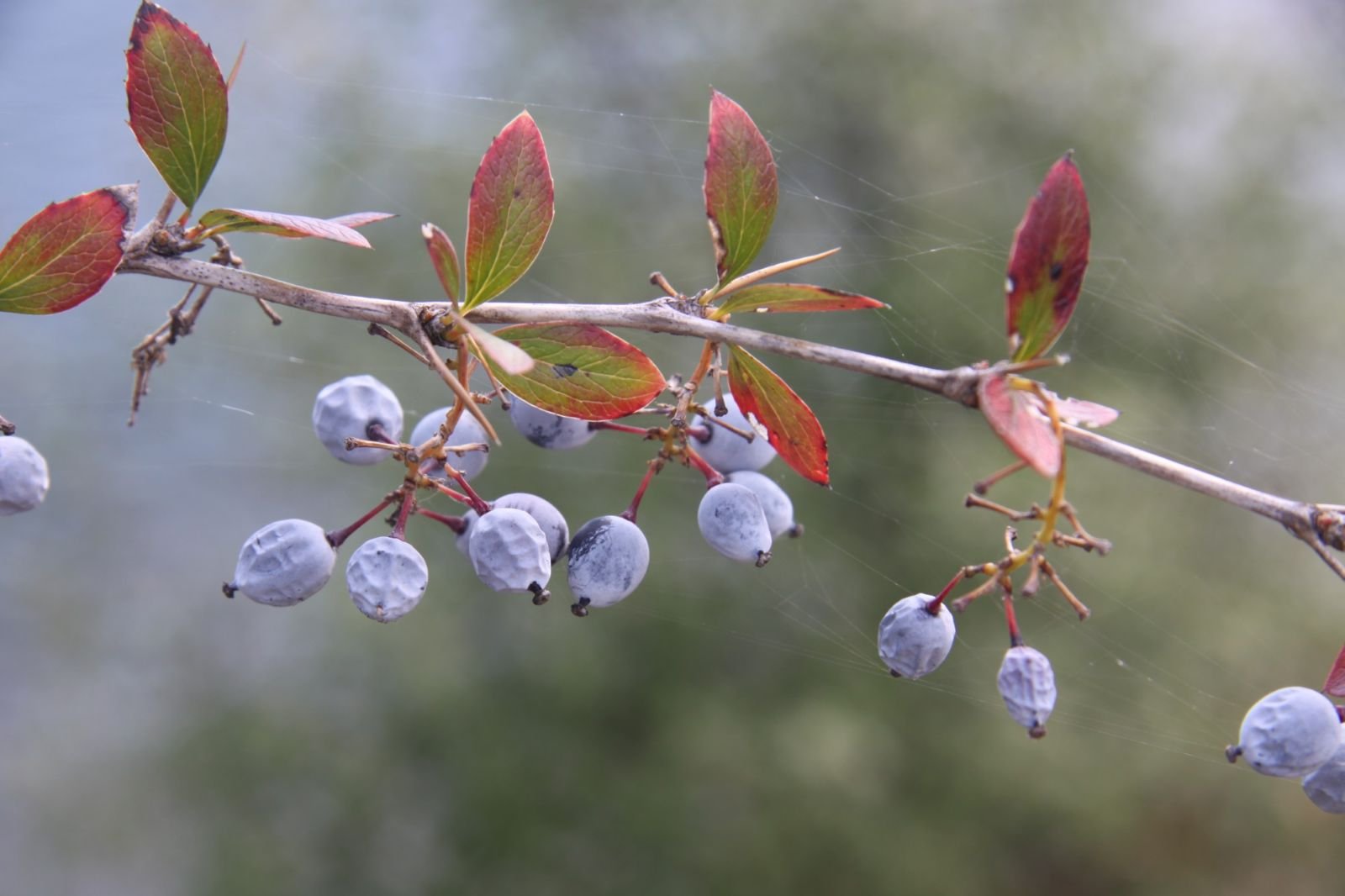
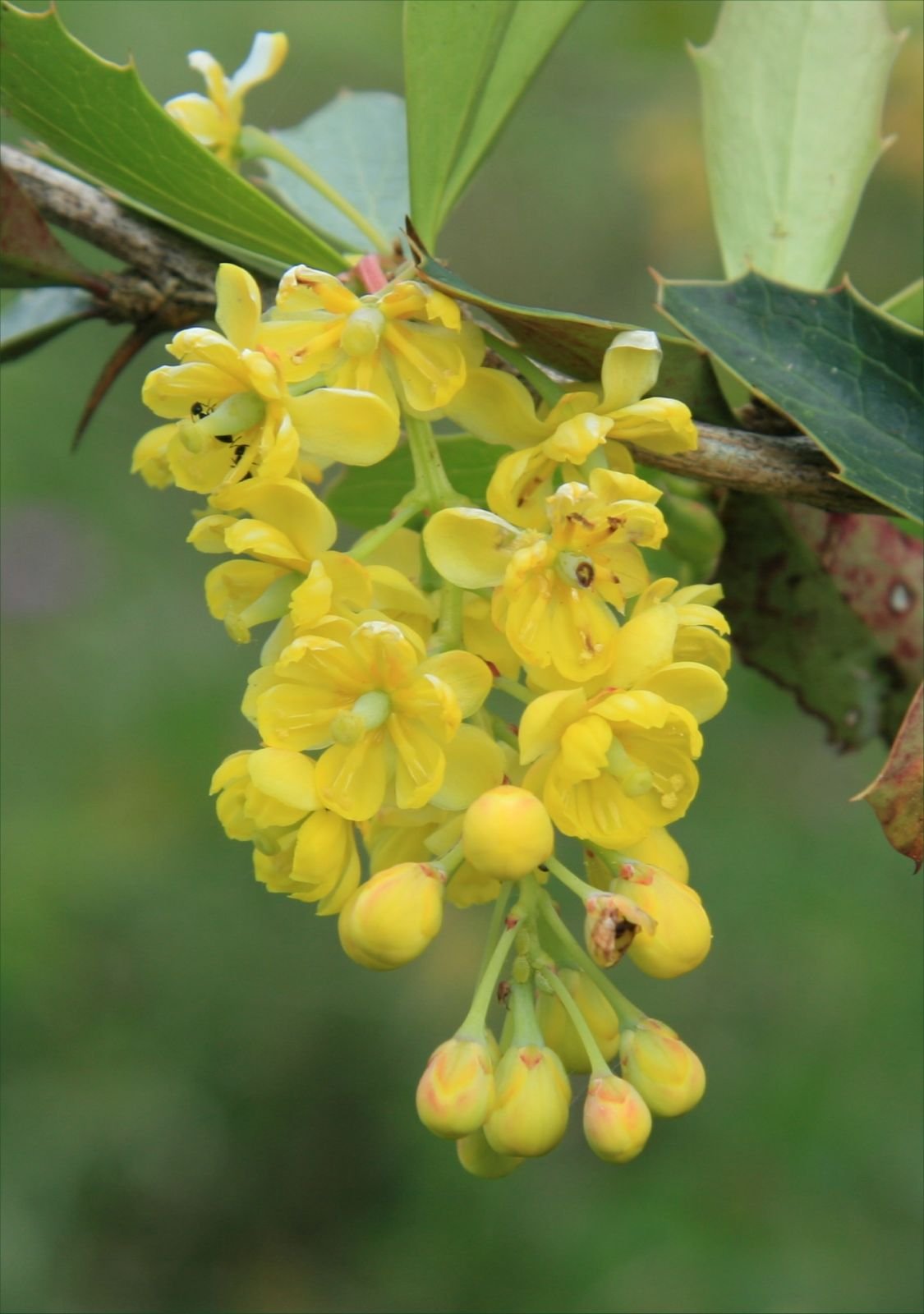
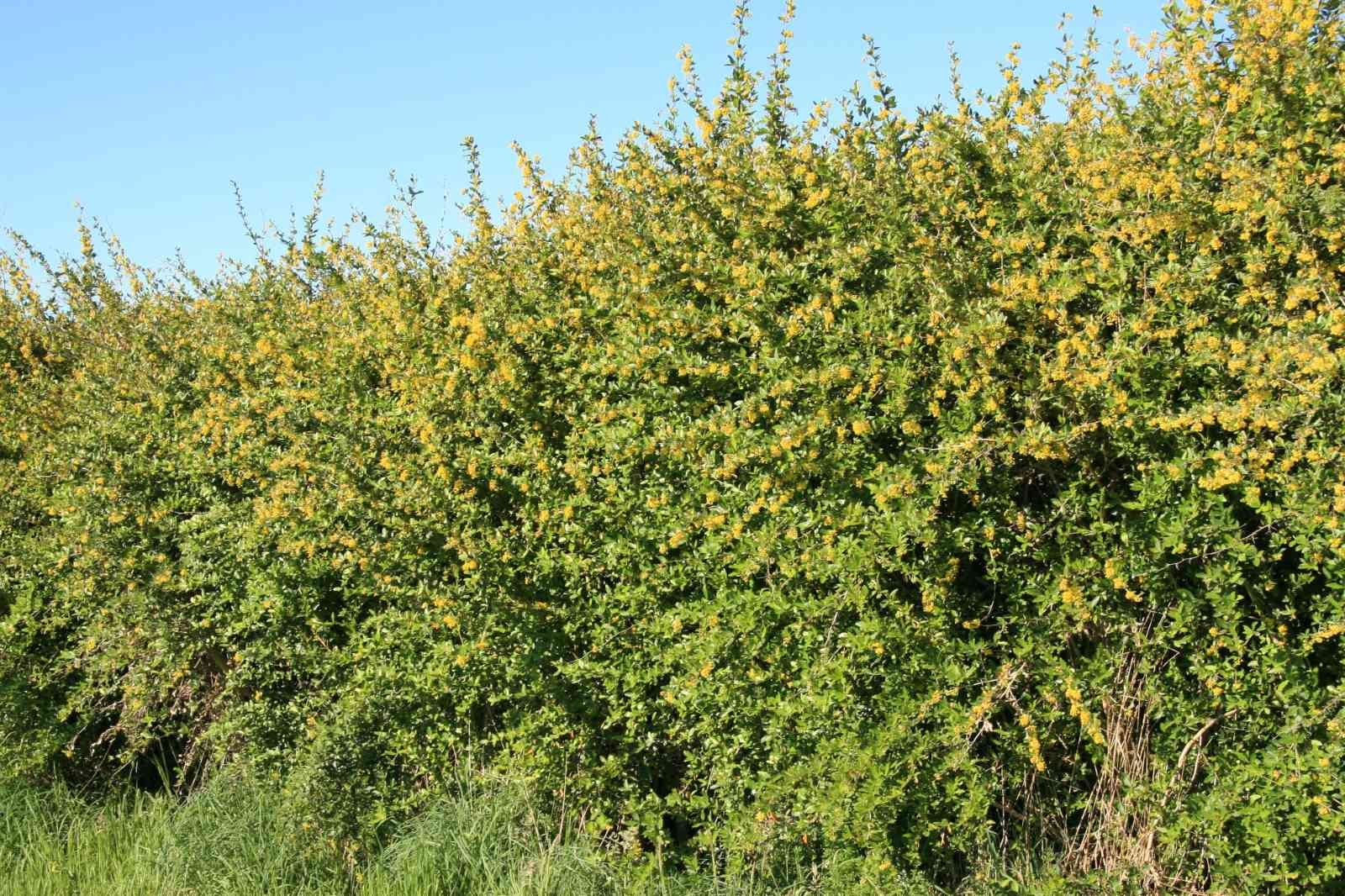
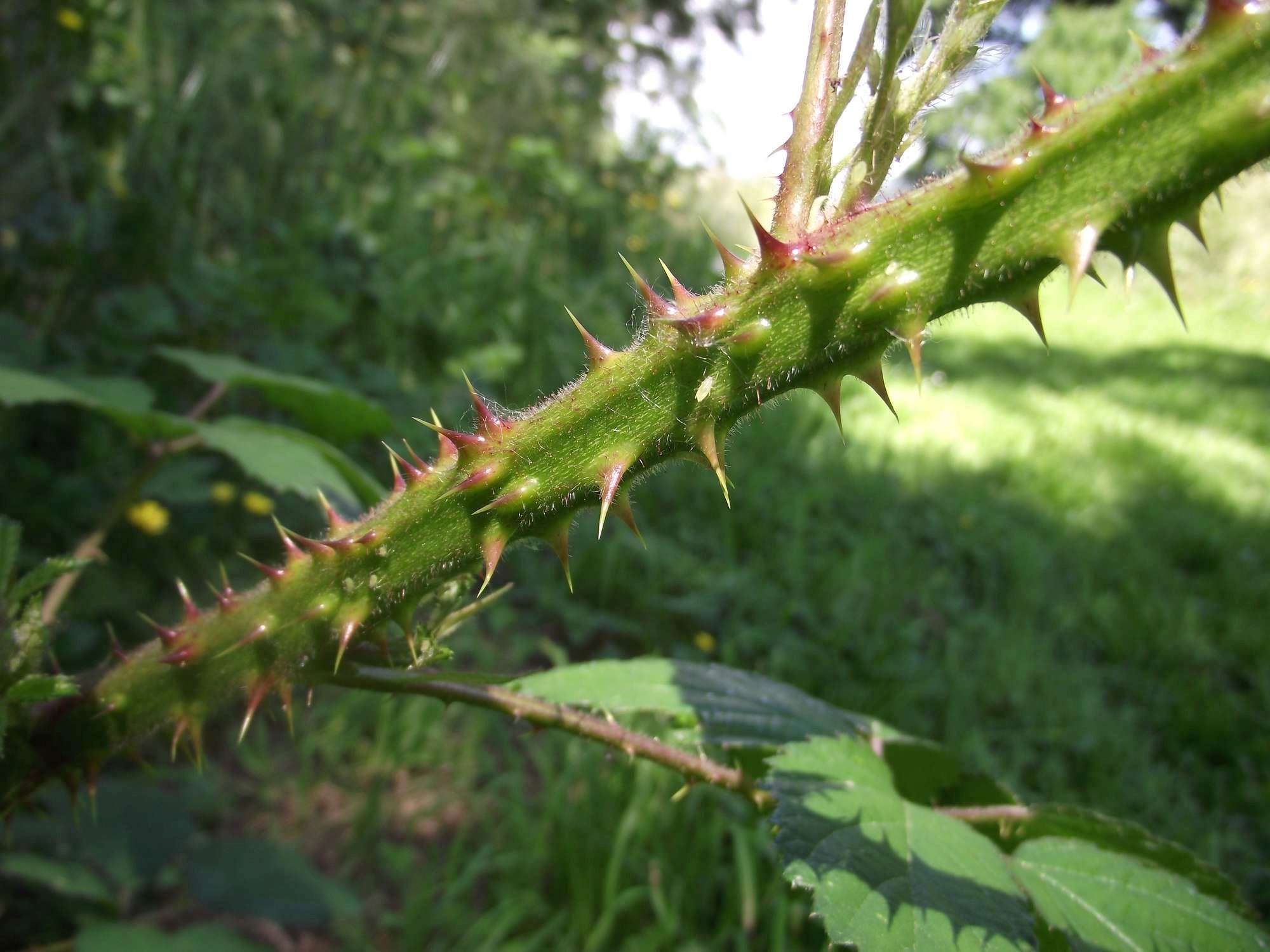
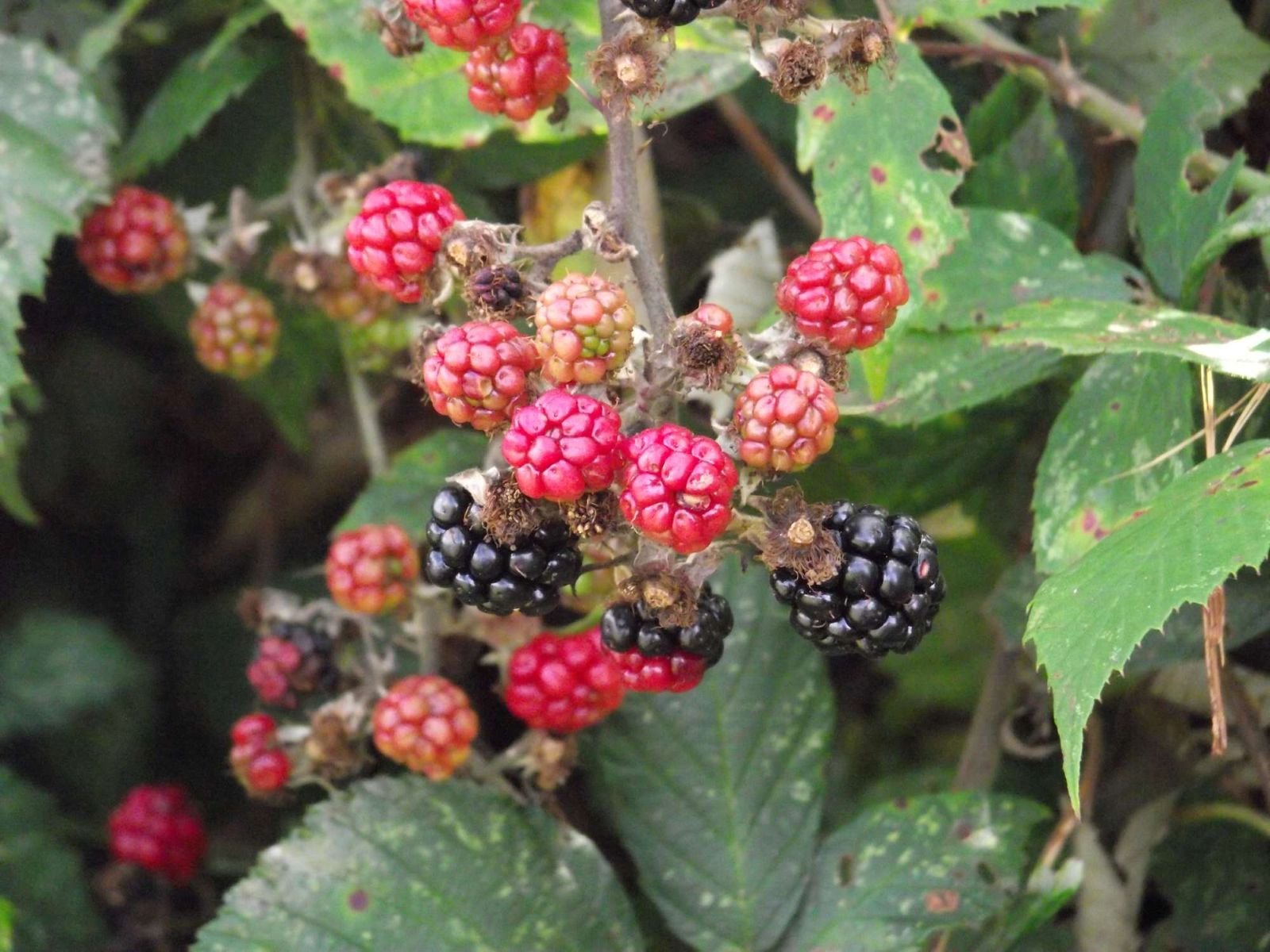
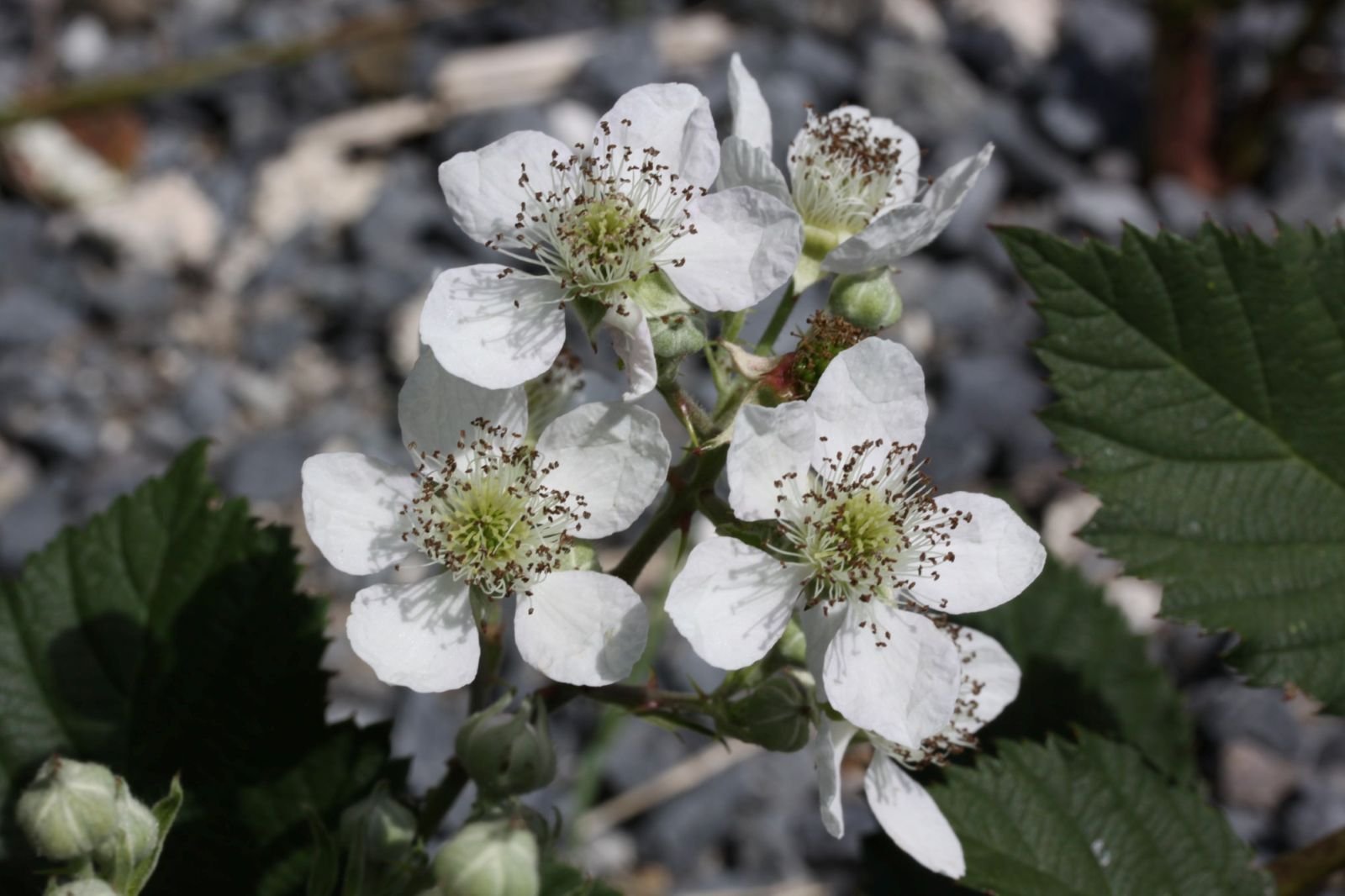
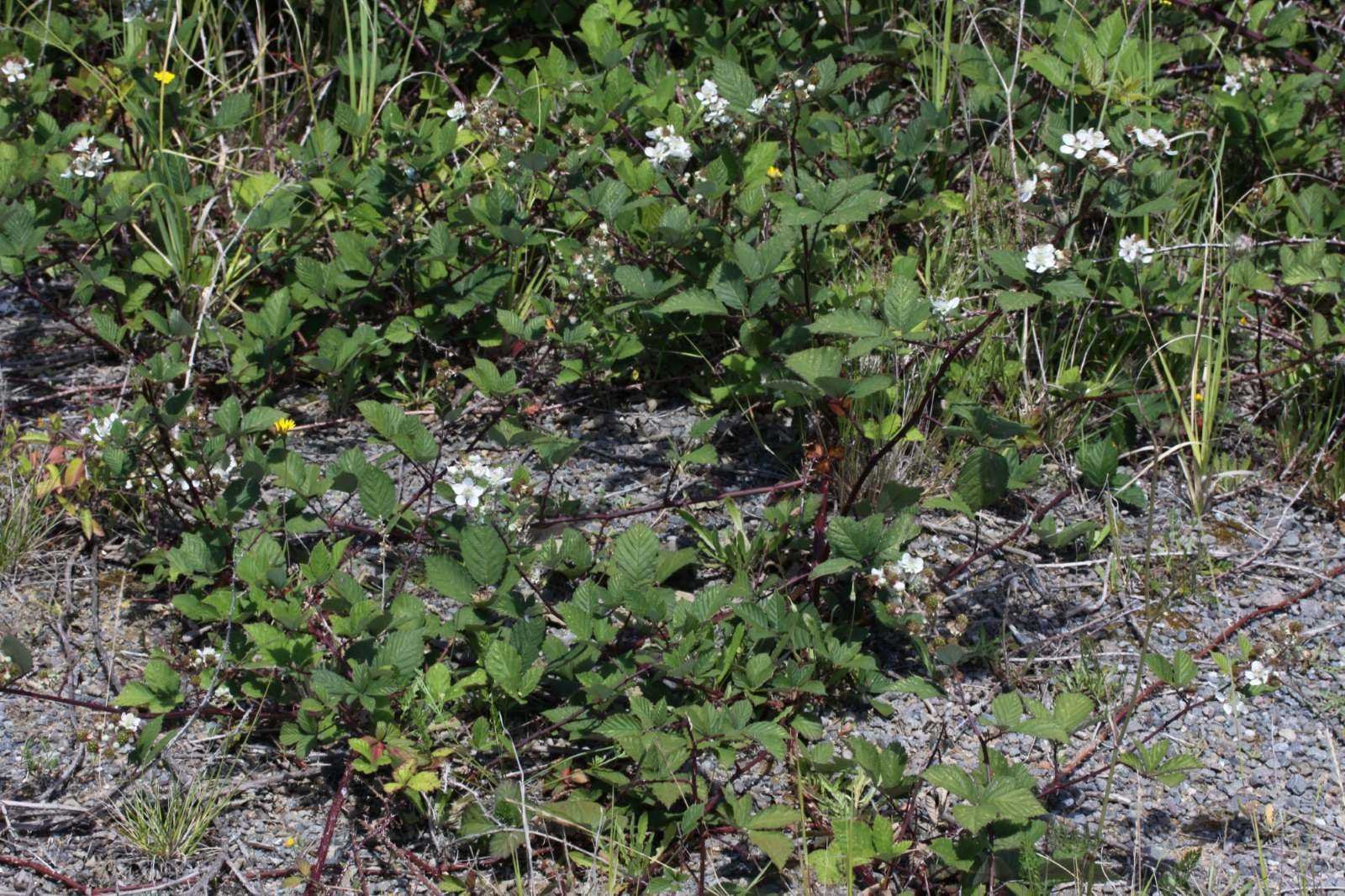
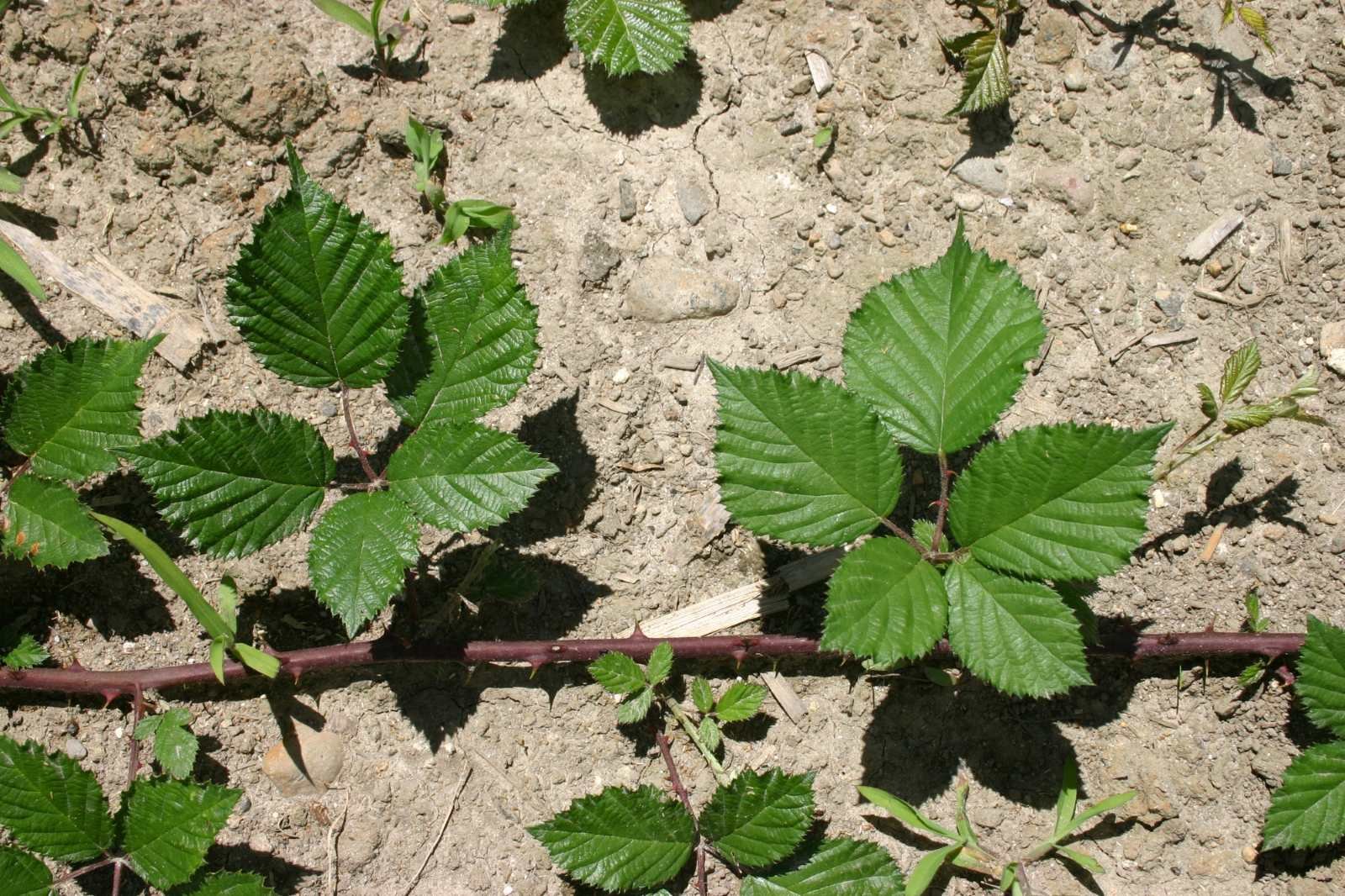
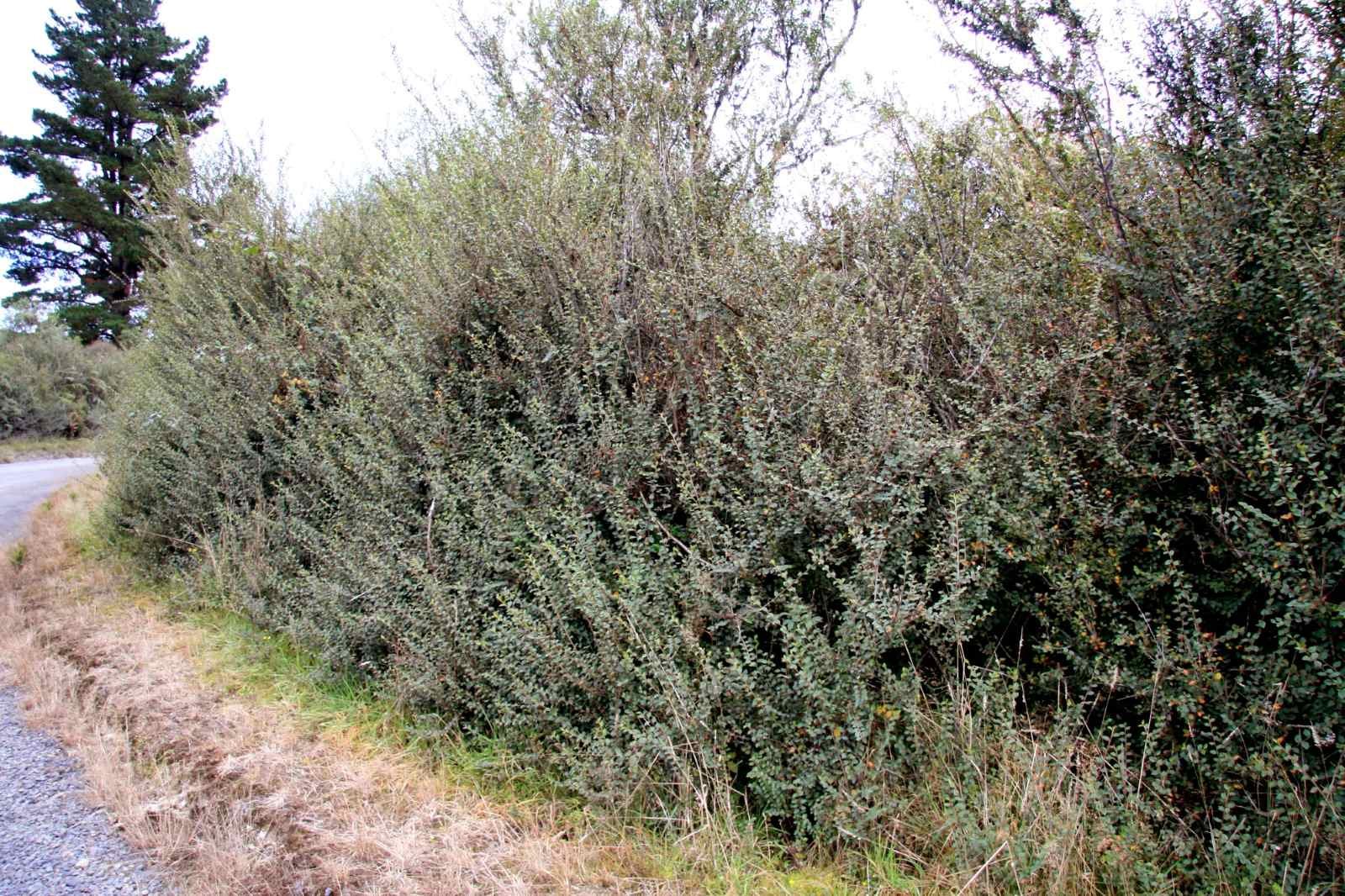
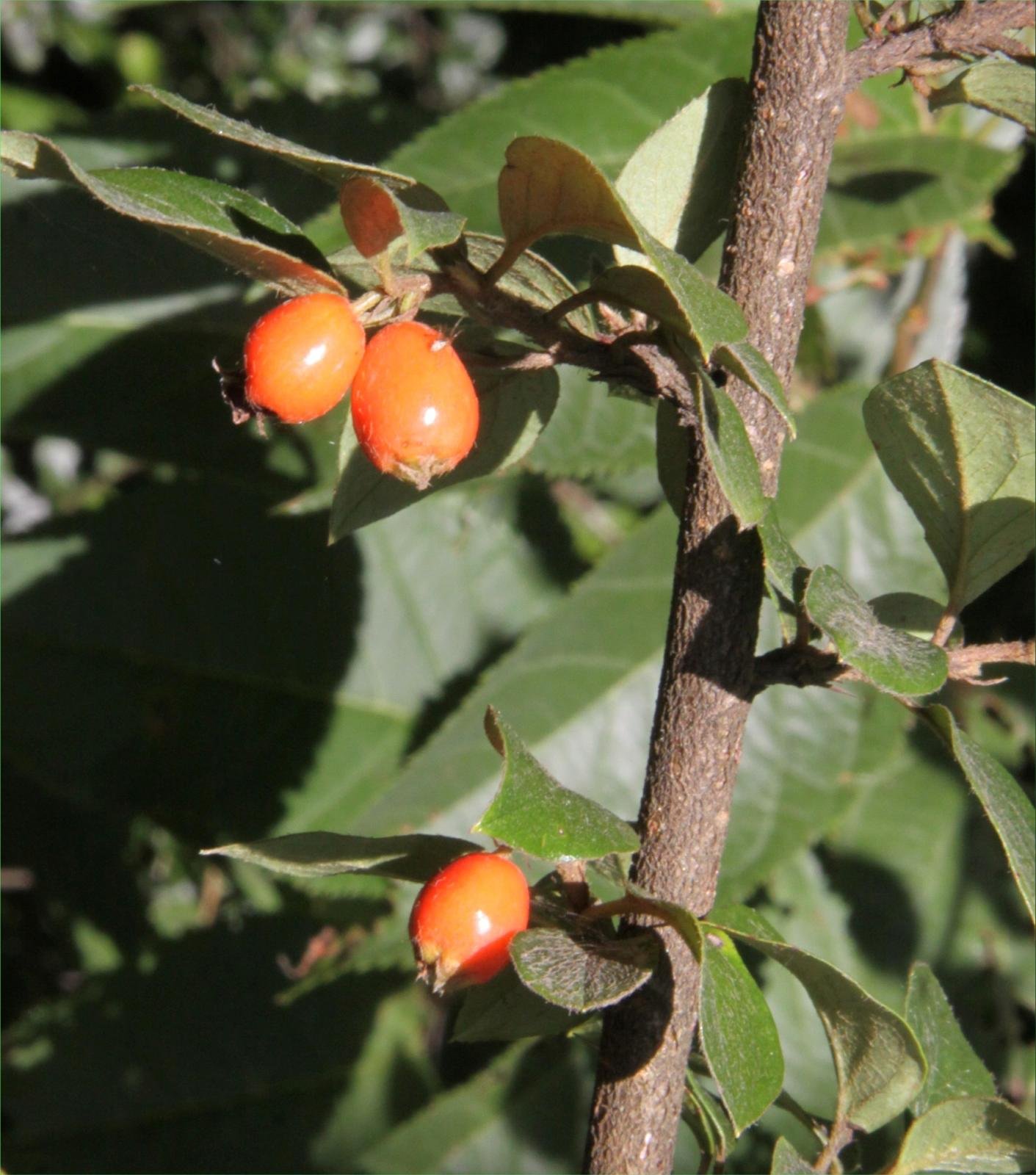
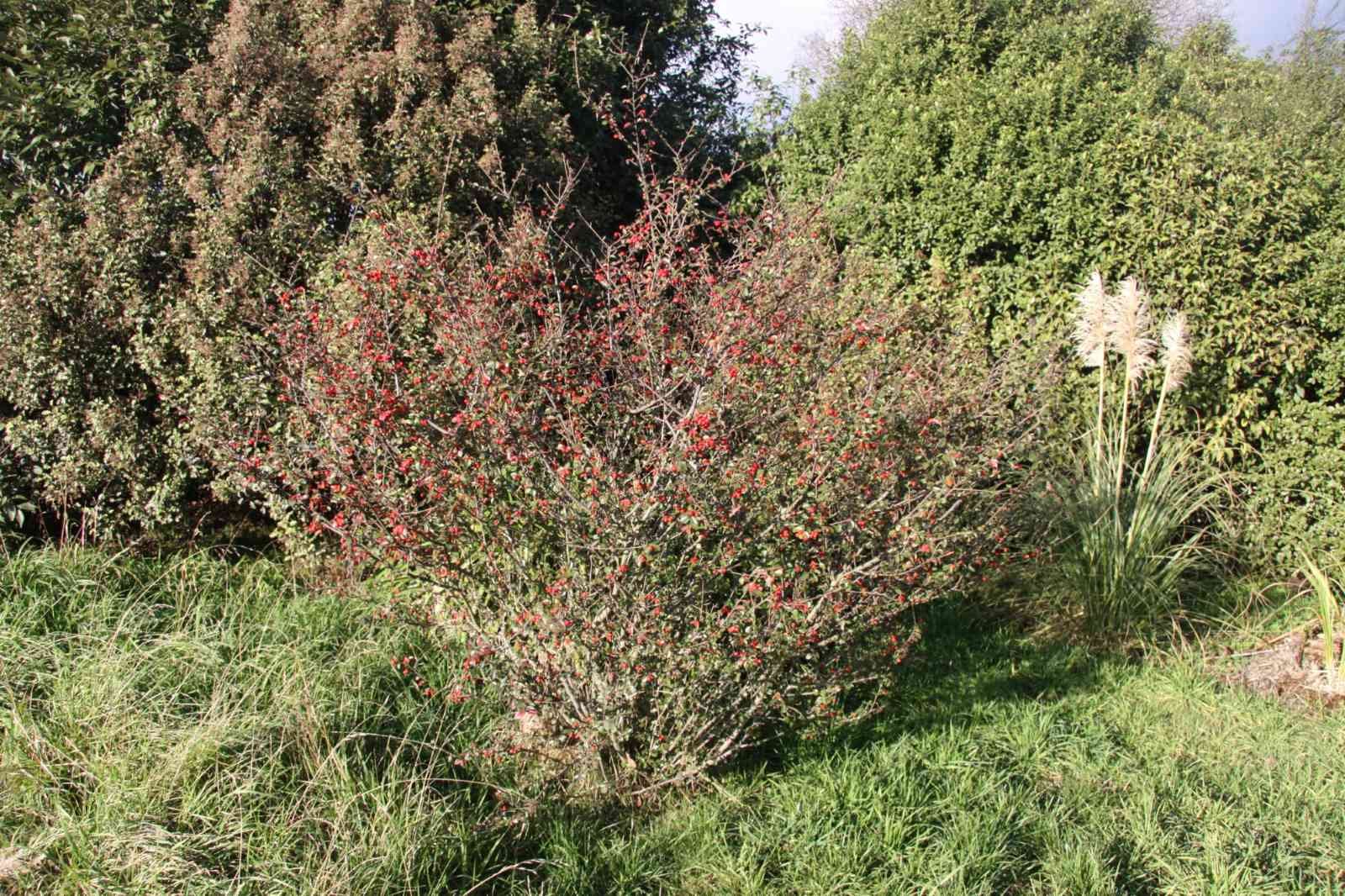
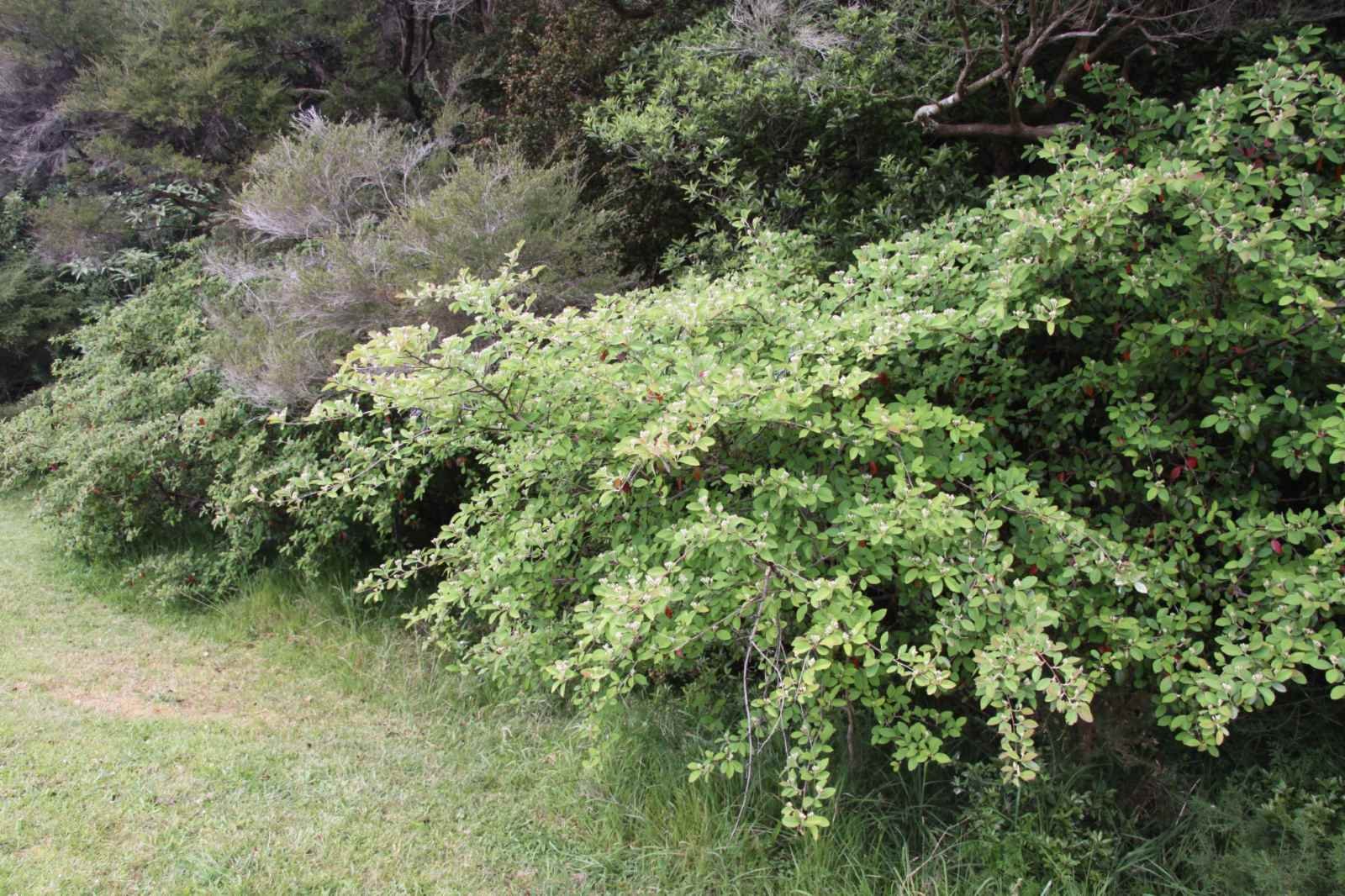
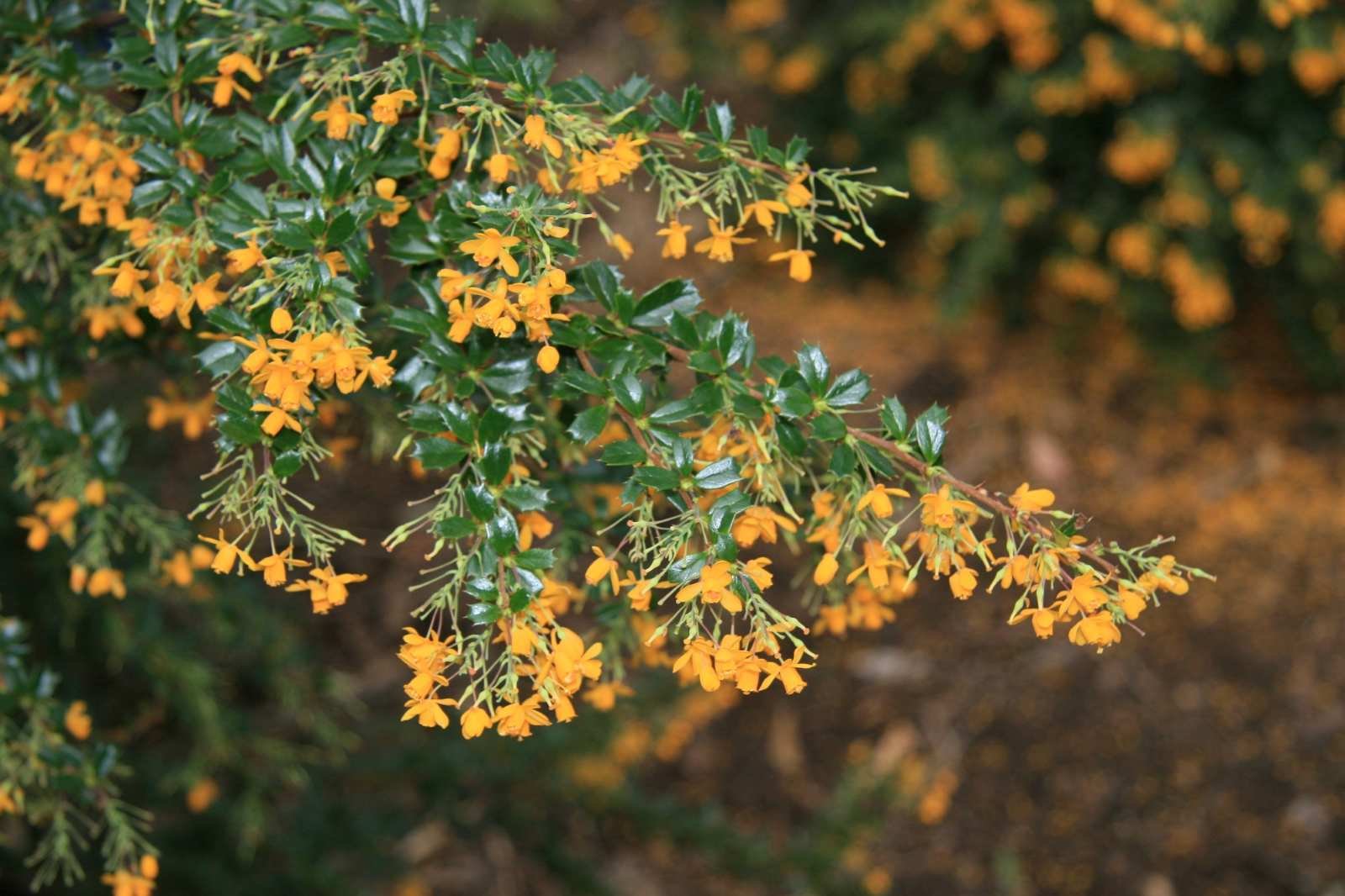
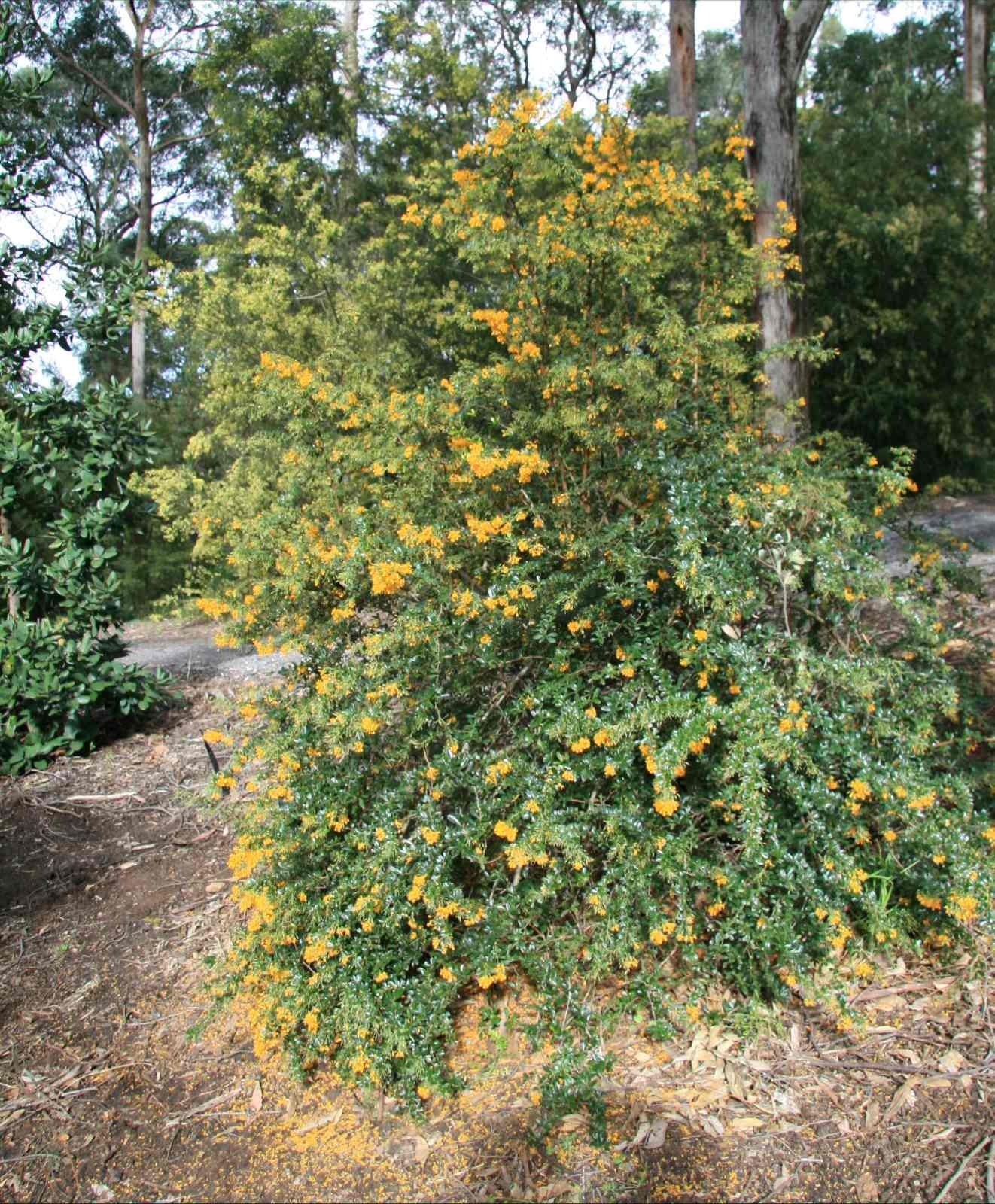
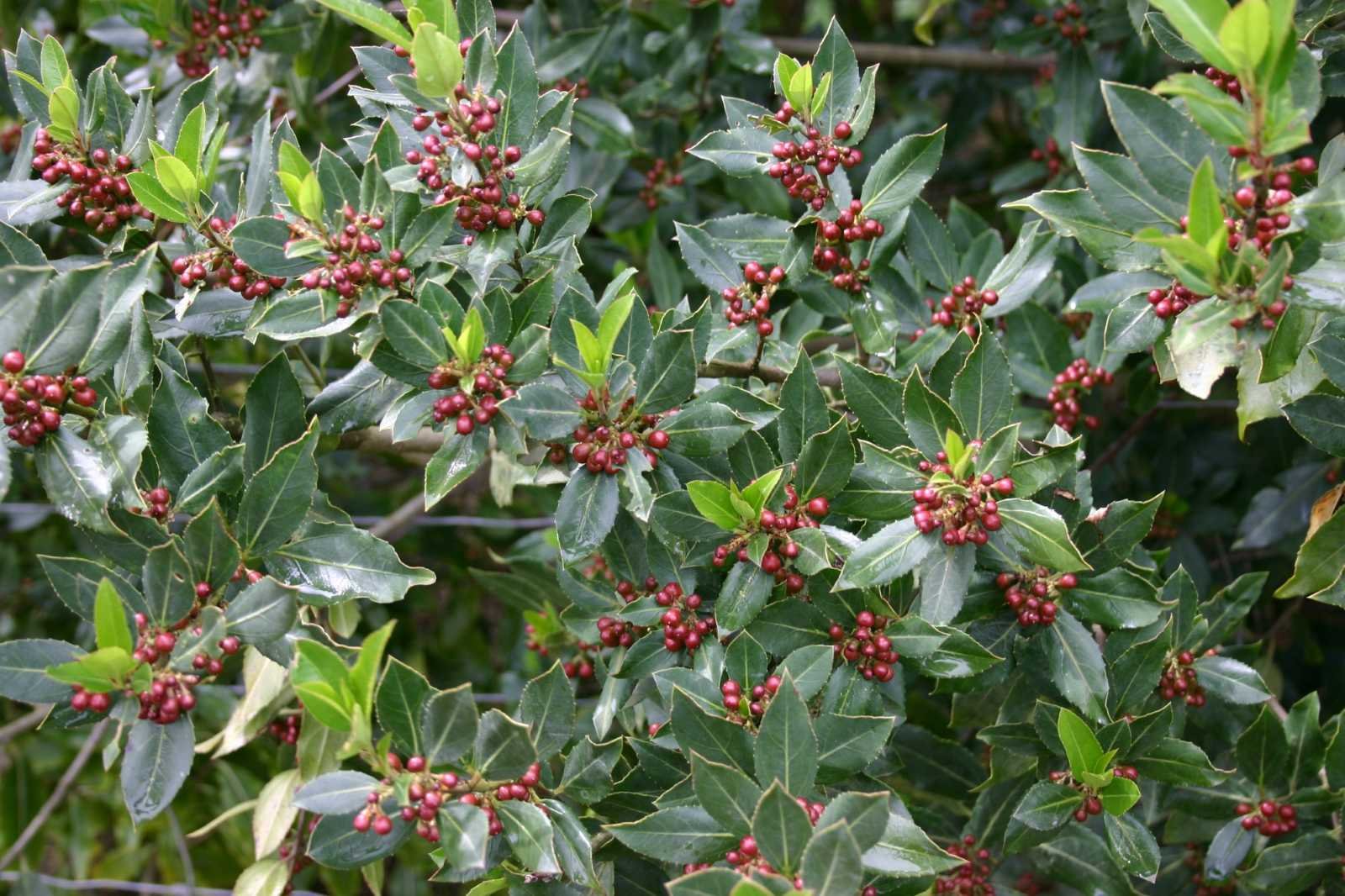
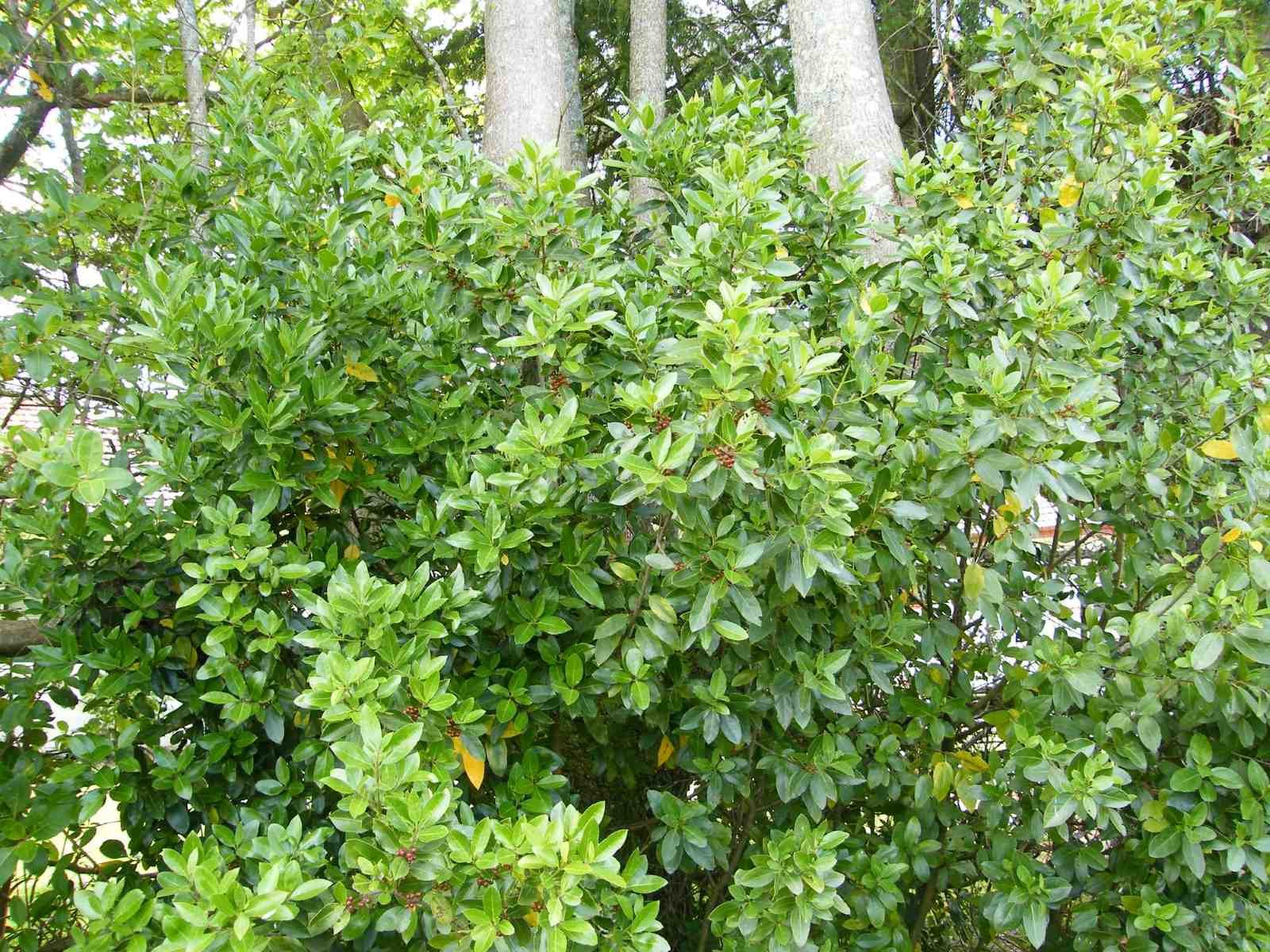
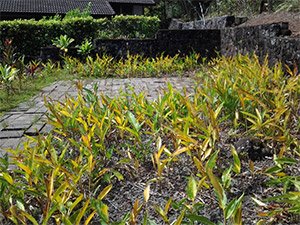
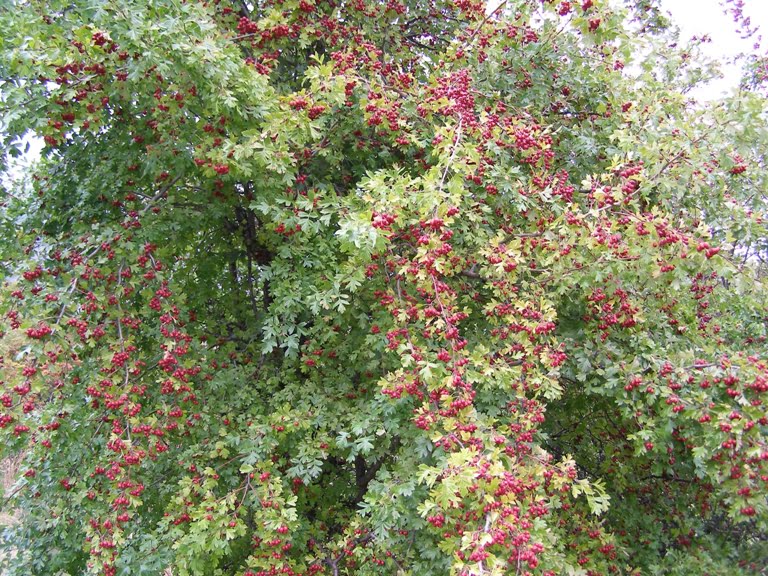
Photos Courtesy of Weedbusters
Woody weeds are notoriously resilient. Simply cutting them down or slashing top growth achieves very little—the root mass will quickly trigger aggressive multi-stemmed regrowth. To destroy them permanently, you must treat the plant’s vascular tissue using the cut-and-paste method or a glove-smear application.
Method 1: The Level Base Cut (Best for Clear Main Stems)
Gear Up: Put on heavy leather gloves over chemical-resistant nitrile gloves, safety glasses, long sleeves, and thick trousers to protect yourself against sharp thorns and prickles.
Cut Flat: Using loppers, a pruning saw, or a chainsaw, cut the main stems as close to the ground as possible (keep the stump flat and under 5cm high).
Paste Immediately: Within 15 seconds of cutting, apply a thick 4–5mm layer of herbicide gel across the entire raw surface of the stump before the cut cells seal up.
Method 2: The Glove Smear (Best for Tangled, Small Stems & Suckers – but be careful of the prickles!)
For dense patches of Hawthorn, Cotoneaster, or Blackberry where the stems are too small, slender, or tangled to make clean individual cuts, use the glove-smear technique:
Prepare Your Hands: Put on a pair of strong chemical-resistant / cut proof nitrile safety gloves.
Apply Gel: Squeeze a generous dollop of weed gel directly onto your gloved palm.
Smear Upward: Grab the live stems and foliage, pulling your hand upward through the leaves and green stems. The plant will absorb the herbicide through its foliage and vascular tissue, driving the active ingredient deep down into the root network.
Recommended Products for Woody Weeds
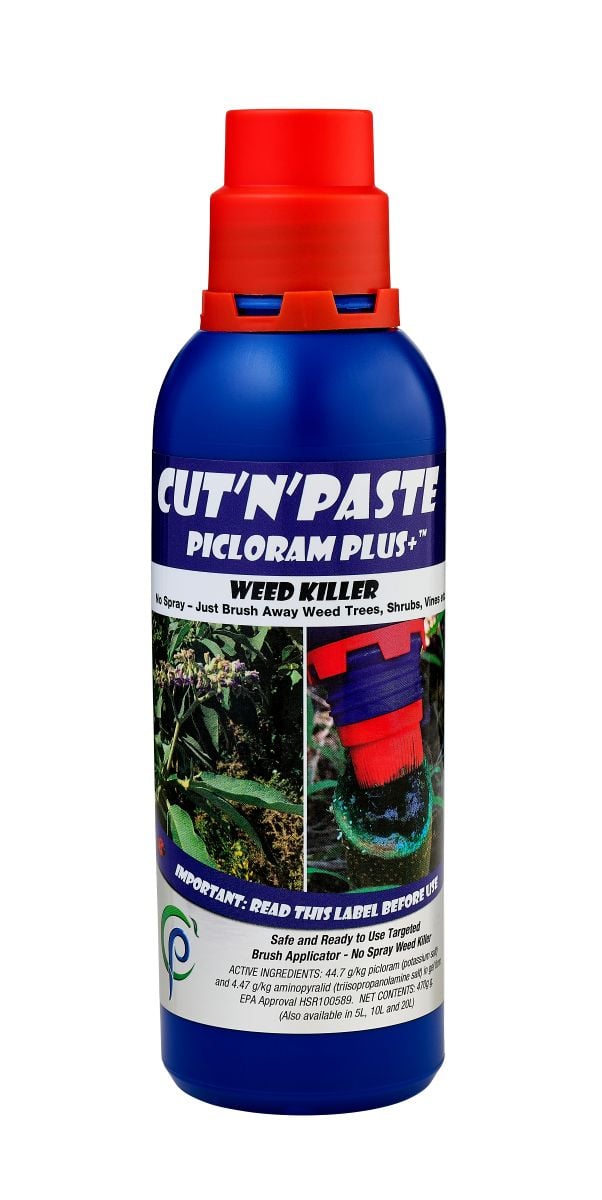
Top Recommendation: Cut ‘N’ Paste Picloram Plus+ Weed Gel (Maximum Power for Tough Woody Weeds)
For tough, shrubby woody weeds in open pasture, fence lines, or waste land, Cut ‘N’ Paste Picloram Plus+ is the ultimate choice.
Dual-Action Penetration: Combines Picloram and Aminopyralid to drive deep into stubborn woody root systems, preventing stump resprouting.
Superior Leaf Uptake: When using the glove-smear technique, the Aminopyralid component is absorbed rapidly through the leaves and stems, driving the active chemical right through to creeping roots and suckers.
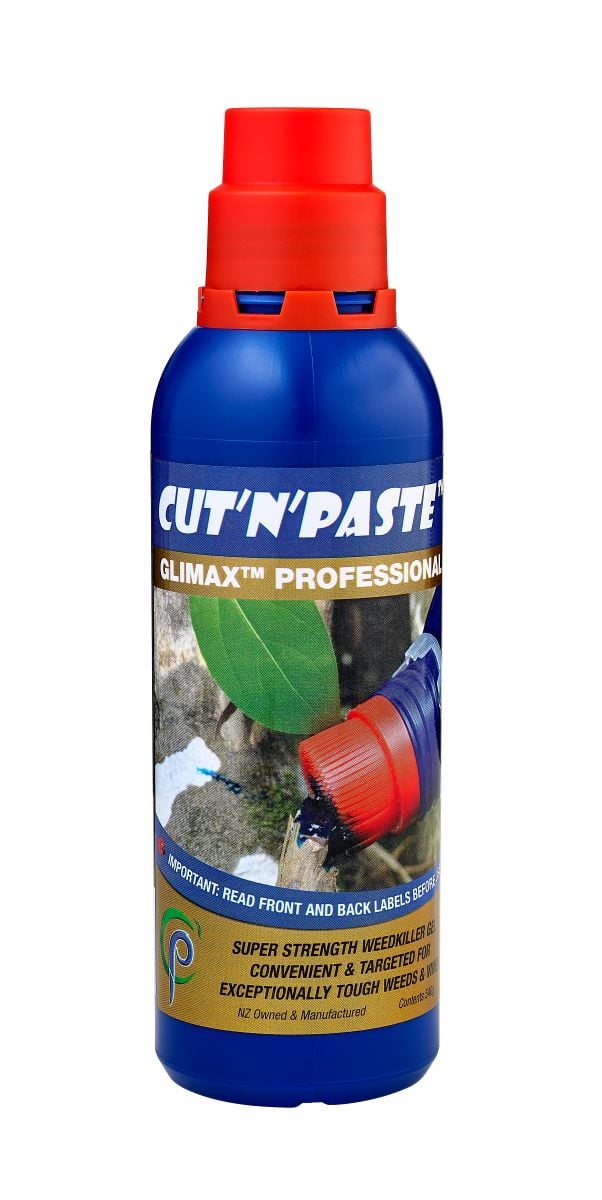
Alternative Option: Cut ‘N’ Paste Bamboo Buster or Glimax Professional (Safe near prized broadleaf plants) If your woody weeds are growing right alongside prized garden plants, native species, or inside delicate forest margins or near water ways, switch to Bamboo Buster or Glimax Professional.
Targeted Kill: High-concentration glyphosate targets the specific root mass of the pasted or smeared plant and breaks down cleanly in the soil with zero soil residual movement. (Do not apply directly next to open waterways or active wetlands).
Important Notes:
- ⚠️ Safety Warning: MetGel and Picloram / Picloram Plus+ have significantly more residual soil activity than the glyphosate gels, and can move through ground moisture. MetGel has a soil half-life of roughly 30–90 days, and Picloram roughly 2–6 months, perhaps longer in clay soils. Do not use either near desirable non-target plants, within the root zone of prized trees, or around waterways and wetlands.
- When using MetGel or Picloram, never apply it inside the drip line (canopy edge) of prized trees or broadleaf garden plants. On flat ground, keep a 3 to 5-metre safety buffer. On sloping ground where the weed is uphill from desirable species, extend that buffer to 5 to 10 metres.
- Weeds often grow along streams and in gullies. If you’re working near waterways, use Bamboo Buster. Do not allow any weed gel to enter the water.
- Only treat weeds / target plants / trees that are on your property, or that you have permission to treat. Be aware that some species might have protection status or have a notable status, or be a designated scheduled tree under the district plan – if in doubt, check with your local council.
- Safety First: Wear gloves and protective clothing and observe all safety protocols, especially when using machinery, chainsaws and other tools.
- When using any herbicide ensure you READ THE LABEL THOROUGHLY, and follow all instructions and directions for the purchase, use and storage of the product.
- Commercial applicators may require Growsafe certification (not required for domestic use) when using Picloram or MetGel. Check with GROWSAFE for your situation.
- If in doubt, seek professional advice.
When using Picloram Plus+, never apply it inside the drip line (canopy edge) of prized broadleaf trees or garden plants. On flat ground, keep at least a 3 to 5-metre safety buffer. On sloping ground where the weed is uphill from desirable species, extend that buffer to 5 to 10 metres to account for soil water movement during heavy rain. If you are closer than that, stick to Bamboo Buster or Glimax!
Thorn & Spine Safety: Never leave cut stems of Barberry, Hawthorn, or Blackberry lying across tracks, lawns, or paddocks. The tough thorns remain razor-sharp long after the wood dies and can easily puncture boots, livestock hooves, quad bike tyres or even your feet.
Mastering the Glove Smear: When using Method 2 (the glove smear), ensure you wear high-quality, heavy-duty chemical-resistant nitrile gloves. Always squeeze a small, manageable amount onto your hand at a time to prevent drips onto nearby desirable pasture or native seedlings.
Managing Seedbank Re-growth: Removing dense thickets lets sunlight hit bare soil, which will trigger thousands of dormant seeds—dropped by birds over previous seasons—to sprout. Revisit the site every 6 months to pull out small, baby seedlings by hand while the soil is damp, or dab them with gel before they establish woody roots.
Safe Disposal of Berries: If treating woody weeds while they are carrying ripe berries (Cotoneaster, Barberry, Rhamnus, or Blackberry), do not leave cut branches lying on damp ground. Clip off the fruiting tips and bag them up for disposal at a refuse transfer station, or burn the cut wood safely where permitted to stop seed spread.
Shade Out Seedlings: Most woody weeds are sun-loving invaders that struggle under a heavy canopy. Replanting cleared areas with dense native trees or pasture grass will naturally shade out emerging seedlings and prevent long-term re-infestation.