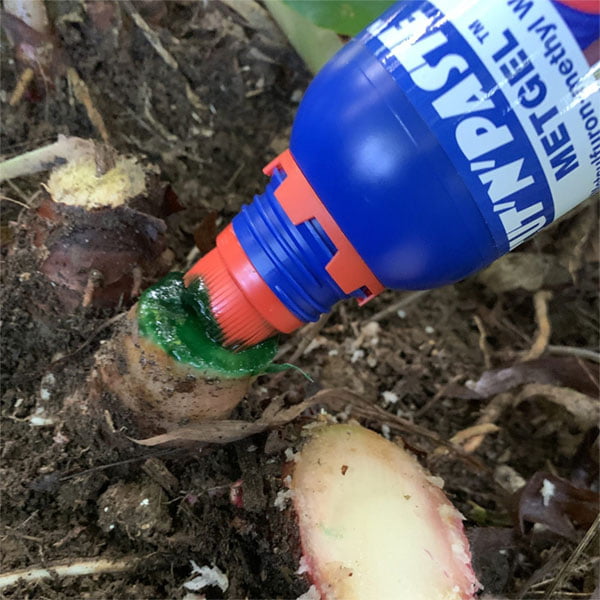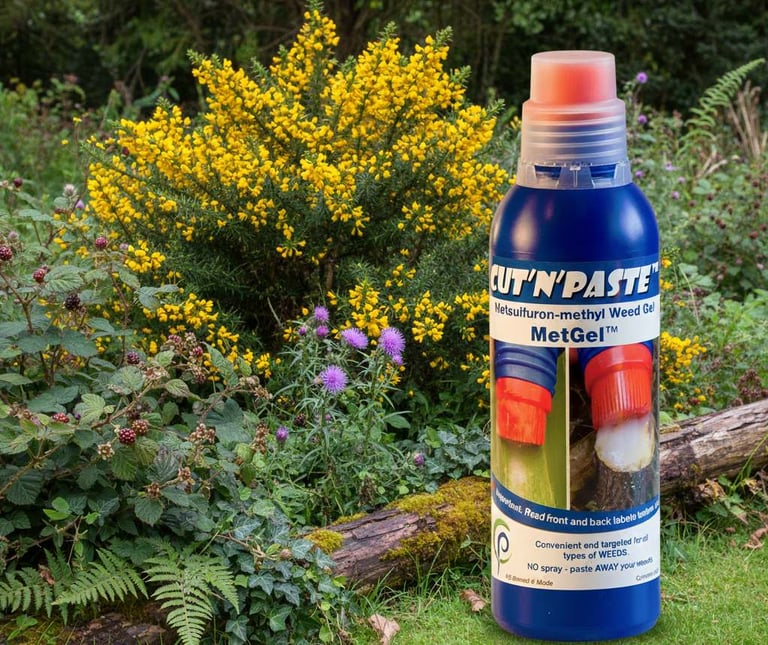

Cut’n’Paste and Project DeVine
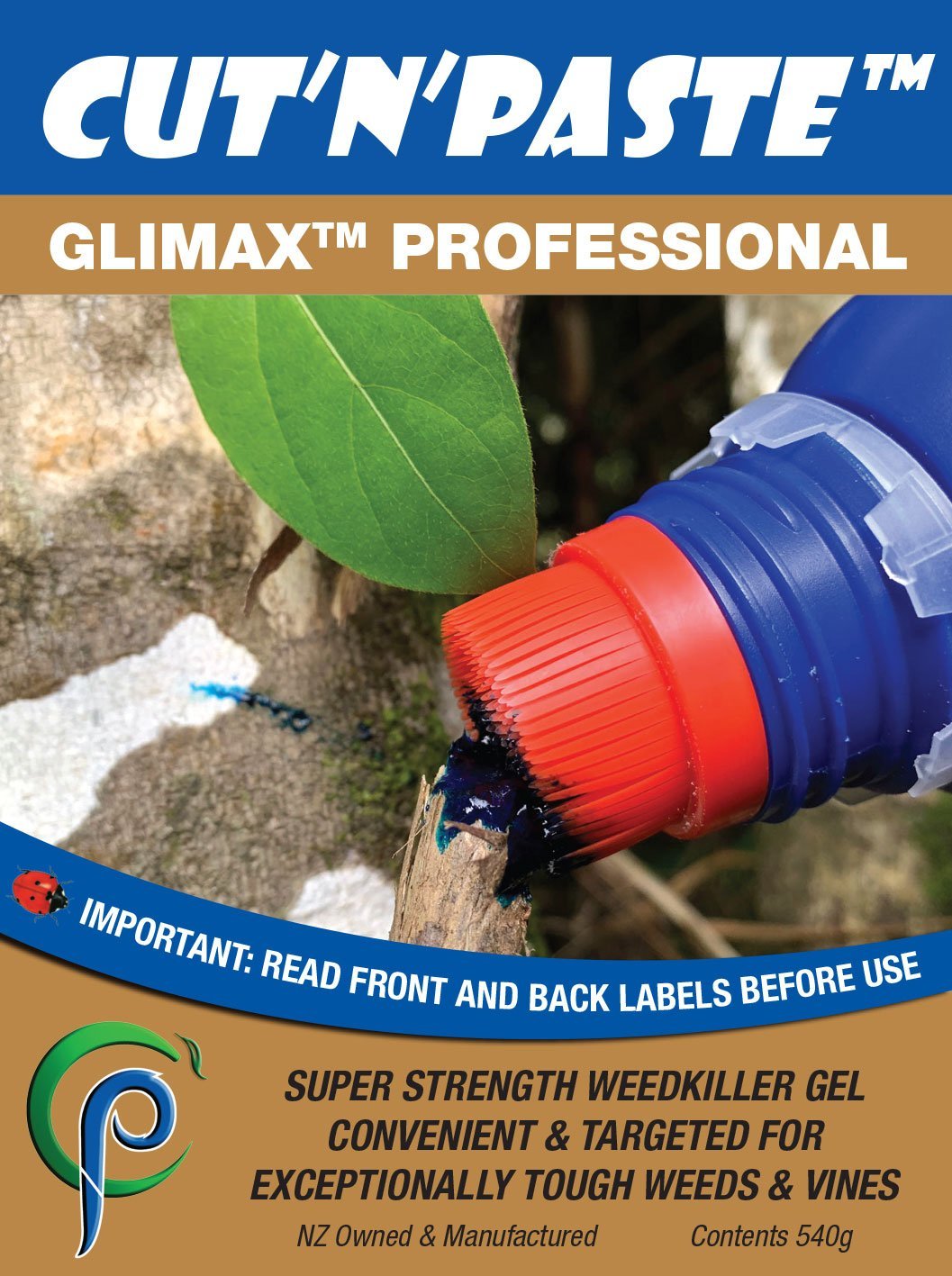
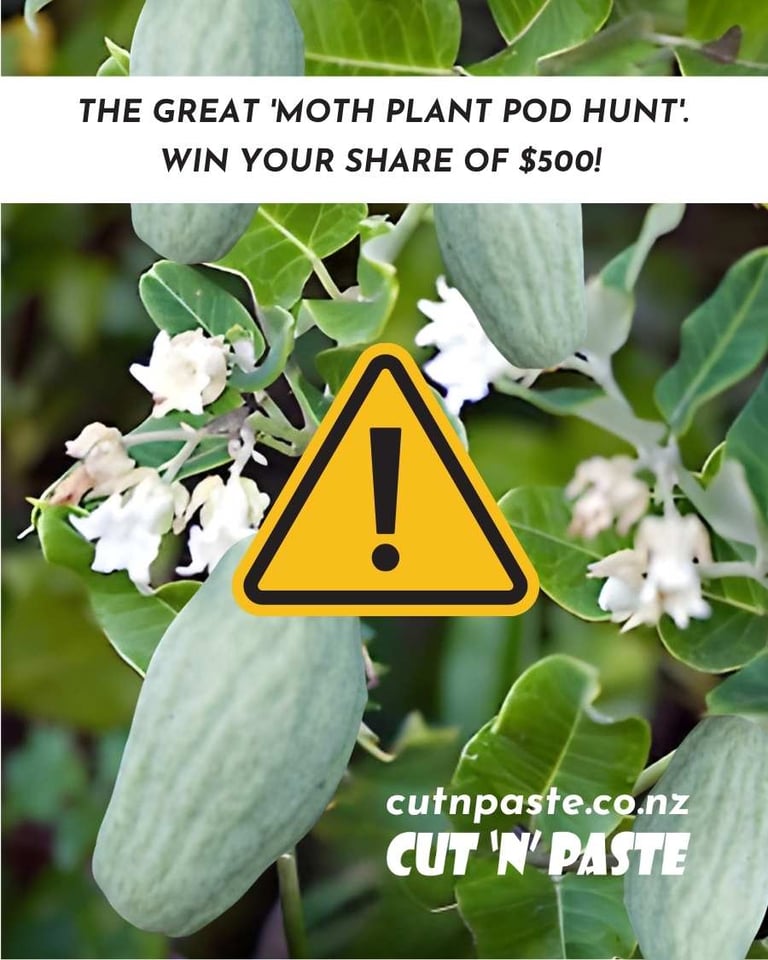
Vines are the main target of Project DeVine community trust, great name, and they are making amazing progress on banana passionfruit and Old Man’s Beard and have increased their staff and funding enormously due to the ongoing charitable work of Chris Rowse and his team.
This is what Chris Rowse the Project director has to say about Cut’n’Paste
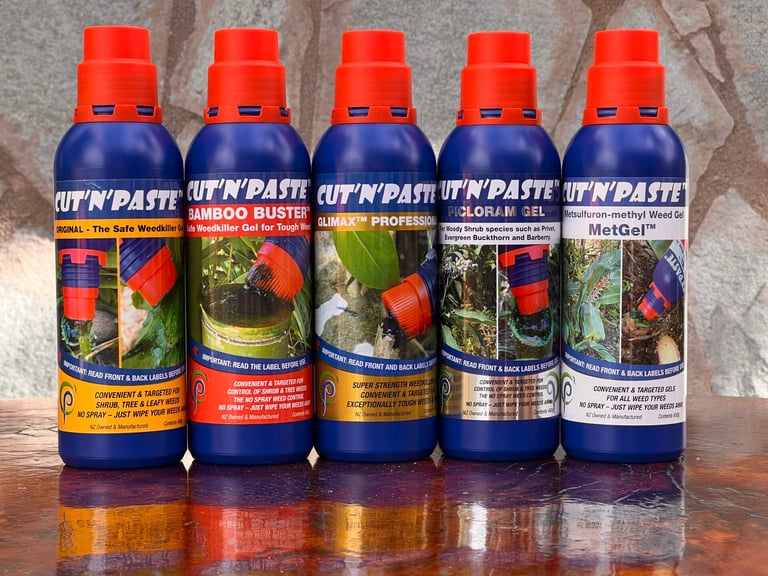
“Project De-Vine Environmental Trust have used Cut ‘n’ Paste products since we started out with a paid team of weedbusters. We are very satisfied with the kill effectiveness of the different options in their range for the wide range of species we control with funded and contract work using our field teams of 22 full-time staff. To date we have killed over 850,000 banana passion vines and 250,000 old man’s beard vines manually using Cut‘n’Paste products as well as many other species. We supply them for weedbusting working bees for the attendees use at the time and to take them home to kill pest plants on their properties. Nelson Building Society sponsor us annually, through their four local branches, to give out Cut ‘n’ Paste glyphosate gel bottles free via our office or Tasman and Nelson Council offices. This is given out to community weedbusting groups and individuals.
Project De-Vine Environmental Trust”
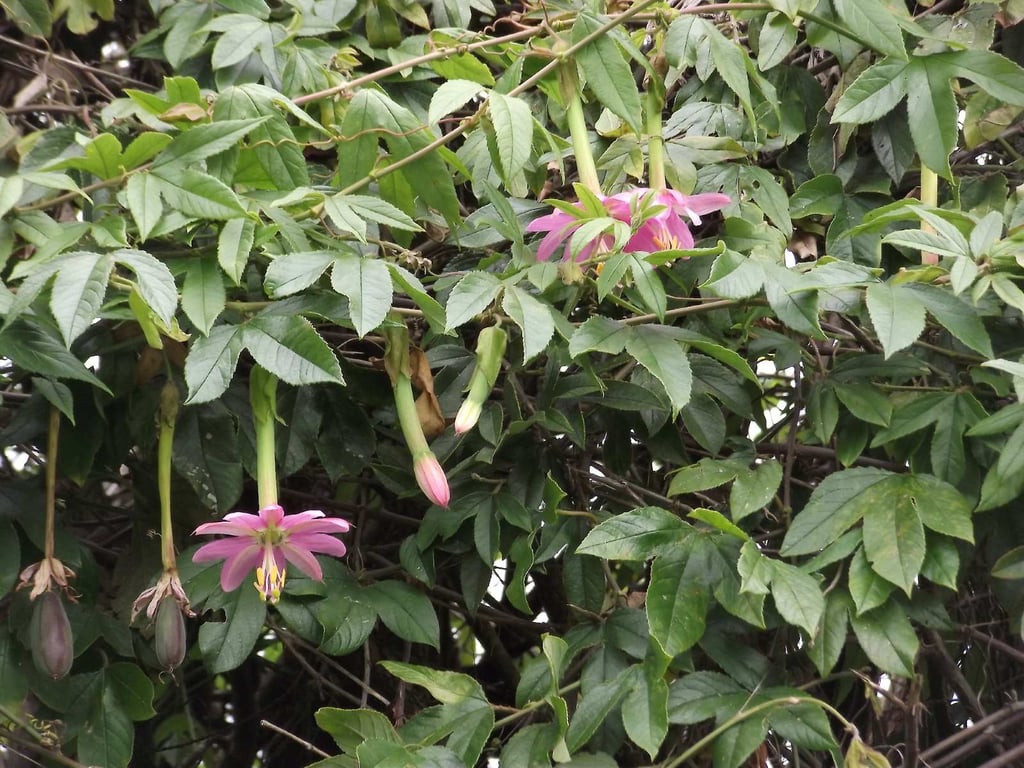
Photo: Carolyn Lewis
Cut’n’Paste has supported Project DeVine with discounted products over the last years and are very proud of the work they are doing.
The Project De-Vine Story
Project De-Vine’s journey began in 1999 when Chris Rowse and Silvia took on banana passion vines in Golden Bay. From the roots of Rocklands Road Weedbusters in 2007, Chris’s vision expanded to include broader pest control. Successfully securing grants, Project De-Vine evolved into an independent charity, fostering relationships with DoC, TDC, and others. With a commitment to financial sustainability through contract work, PDVET actively manages pests across Golden Bay. Notably, the organization’s impact extends to Abel Tasman National Park, wetland restorations, and the East Mohua Trapping Network. Our 4-phase reporting system, GIS mapping, and community engagement define our data-driven conservation efforts. To date, PDVET has received over $2.72 million in grants, contributing significantly to environmental conservation in Golden Bay and beyond.
Aims of the Project
Nov 28, 2023
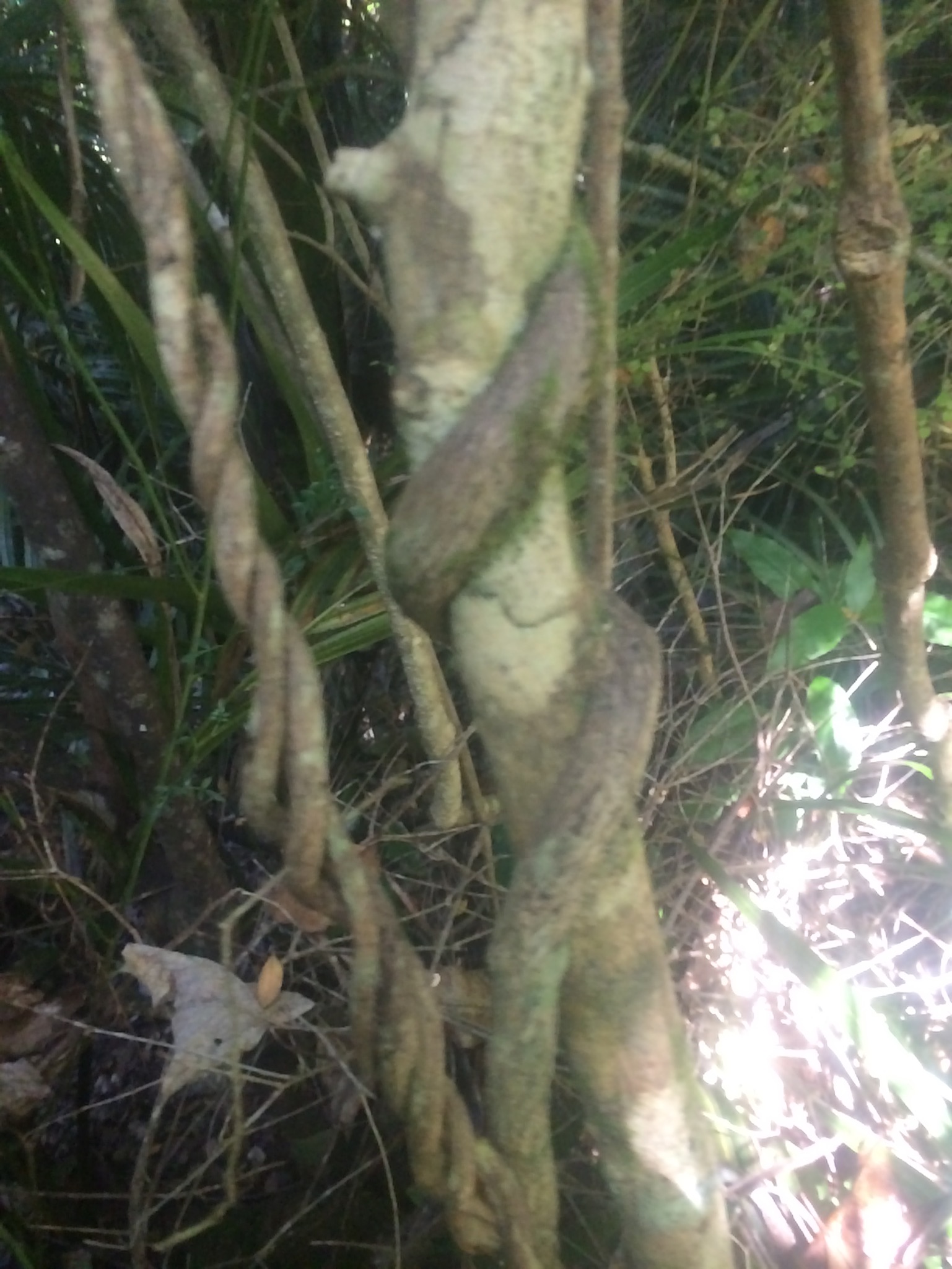
The Project focuses on invasive vines that threaten our native forest and animals in Golden Bay. The vines targeted are Banana Passion Vine, Old Man’s Beard and Climbing Asparagus. These vines smother and strangle our forests forever changing the unique biodiversity of species that live in them.
Through the successful raising of funds for weed control, Project De-Vine has been able to establish a paid team of workers who carry out the vine control work. They work as contractors on private properties in funded areas as well as undertaking contract work on Tasman District Council and QEII lands.
Volunteers assist our paid team during working bees on some properties to support local owners and promote vine control work. Project De-Vine works closely with the Tasman District Council, the Department of Conservation and Project Janszoon, a trust set up to assist DOC to control pest plants and animals in Abel Tasman National Park (ATNP) and re-establish key native birds.
A close working relationship between these groups has enabled better targeting of control efforts with more effective outcomes. By working in the areas adjacent to ATNP, Project De-Vine is playing a vital role in the buffer zone around the park to control the spread of vines. So far, Project De-Vine has moved progressively from the Pikikaruna range escarpment around Rocklands Road, through to a wider area from Birds Road to Rameka Creek.
A third area joins on to the other projects and extends from Birds Road to include all of the township of Pohara to Matenga Road at the start of Ligar Bay, where work is about to begin.
Seeding finance recently obtained extends to a fourth area, from Ligar Bay, via rural properties behind Tata Beach to Wainui and up to the boundaries of ATNP.