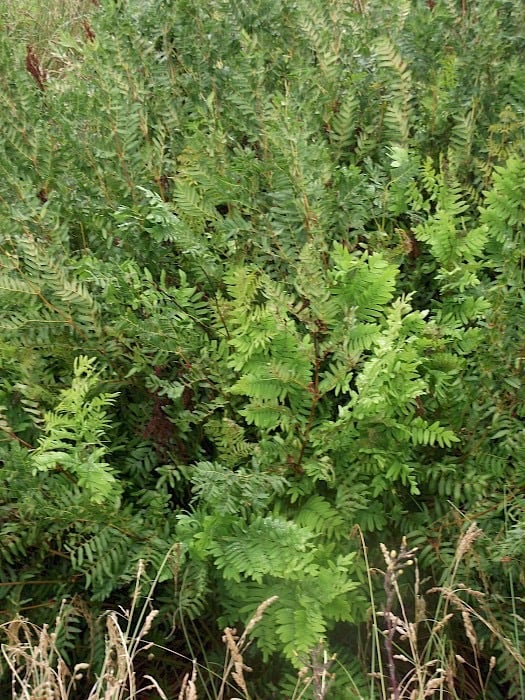

BOP Regional Council uses Cut’n’Paste on Wooly Nightshade
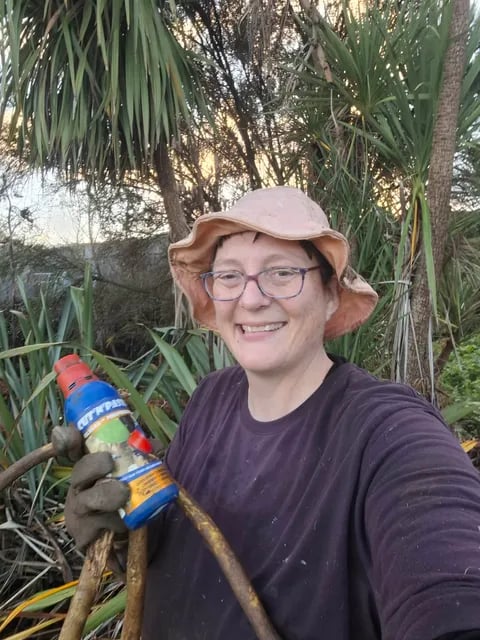
Bay of Plenty BOP biosecurity officer shows how to control Wooly / Woolly nightshade using Cut’n’Paste Weed Gels
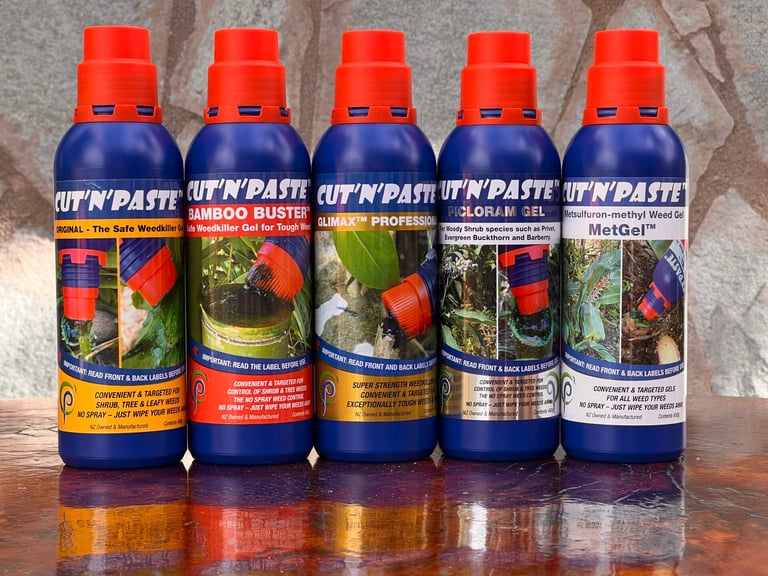
Cut’n’Paste is a well established weed control company that supplies councils throughout NZ and here we see it used by the Bay of Plenty for the control of Wooly Nightshade a pervasive weed in the north island of NZ. This weed has become a menace creating dense forests that exclude native species.
Wooly nightshade BOP
Botanical Name
Solanum mauritianum
Family
Solanaceae (nightshade)
Also known as
Tobacco weed, flannel-leaf, kerosene plant, Solanum auriculatum
Where is it originally from?
America
What does it look like?
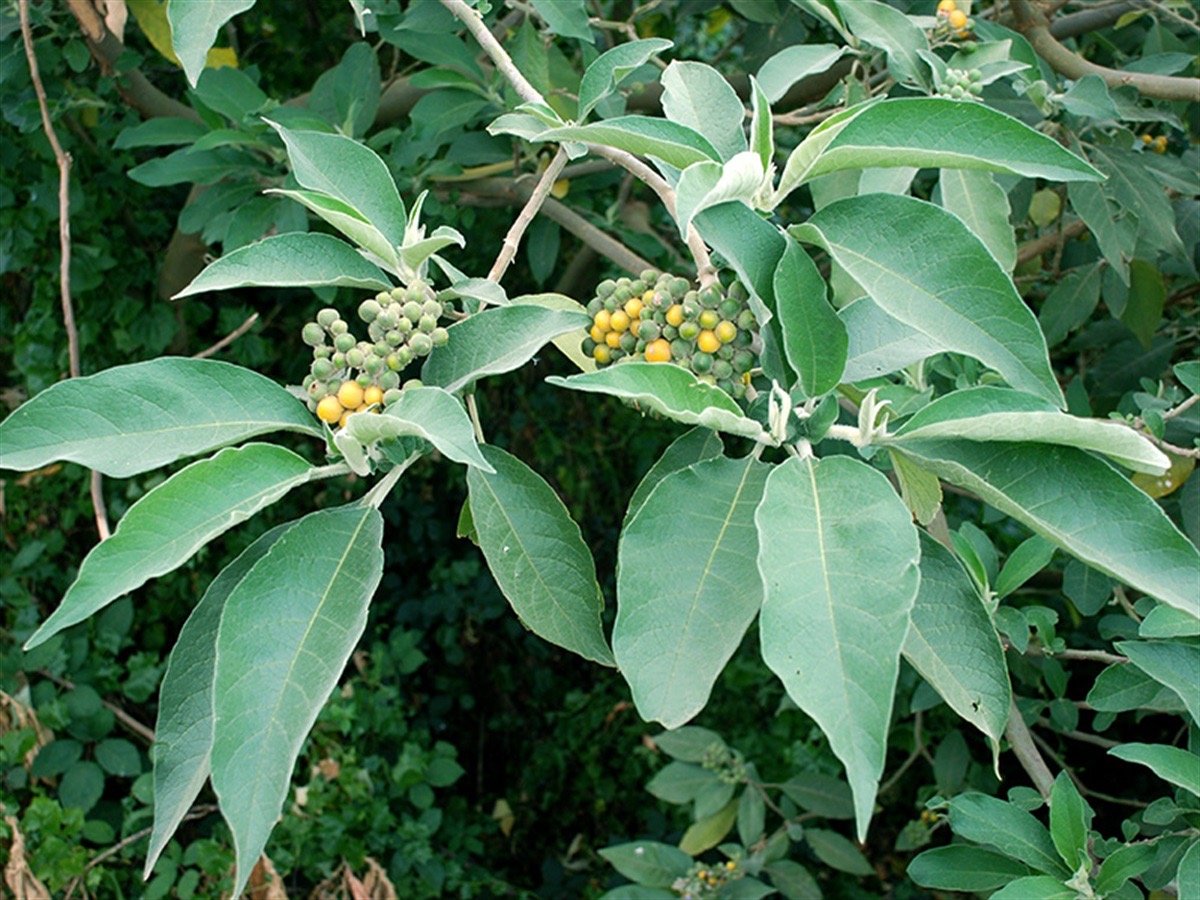
Spreading, capsicum-smelling shrub or small tree (<10 m tall) with all parts covered in dusty hairs, and whitish, branching, soft-woody stems. Velvety, oval, grey green leaves (10-35 x 3-15 cm) are whitish underneath with prominent ‘ears’ (25mm) at base which clasp the stem. Dense clusters of mauve to purple flowers (15-20 mm diameter, Jan-Dec) with yellow anthers are followed by clusters of round berries (1 cm diameter) that ripen from hard green to soft, dull yellow.
Are there any similar species?
Solanum marginatum has spiny leaves and stems. Brugmansia species have similar leaves but giant hanging white (occasionally mauve, red, orange) flowers with a sweet scent.
Why is it weedy?
Grows and matures rapidly, forming dense tall stands and producing many well-dispersed seeds most of year. Allelopathic (produces toxins that poison the soil), inhibits regeneration. Tolerates wet to dry conditions, salt, all well-drained soils, hot to cool temperatures, semi-shade, damage and grazing.
How does it spread?
Birds, especially native pigeon, spread the seeds. Common seed sources are gullies, roadsides, neglected farms, waste land. BOP and most councils in NZ are making great efforts to get this weed under control.
What damage does it do?
Forms dense, often pure stands. Inhibits or prevents establishment of native plant seedlings, and slows regeneration rate of native forests.
Which habitats is it likely to invade?
Heavily disturbed forest and light gaps, shrublands, coastal and estuarine margins, inshore islands, consolidated sand dunes, wetlands, some tussocklands, well-drained low-frost areas.