Moth Plant Competition – Winners Announced :: Find Out


Climbing Asparagus Scandens
Home » Help » Weed Directory
This type is not edible - it's a silent killer!
New Zealand’s native bush is a masterclass in ancient evolution, but it's always under siege by aggressive, fast-growing exotic weeds. For many of us, the sight of a "green" forest, a hedgerow, walkway - even a local park - might look healthy, but on closer inspection you can usually find invaders.
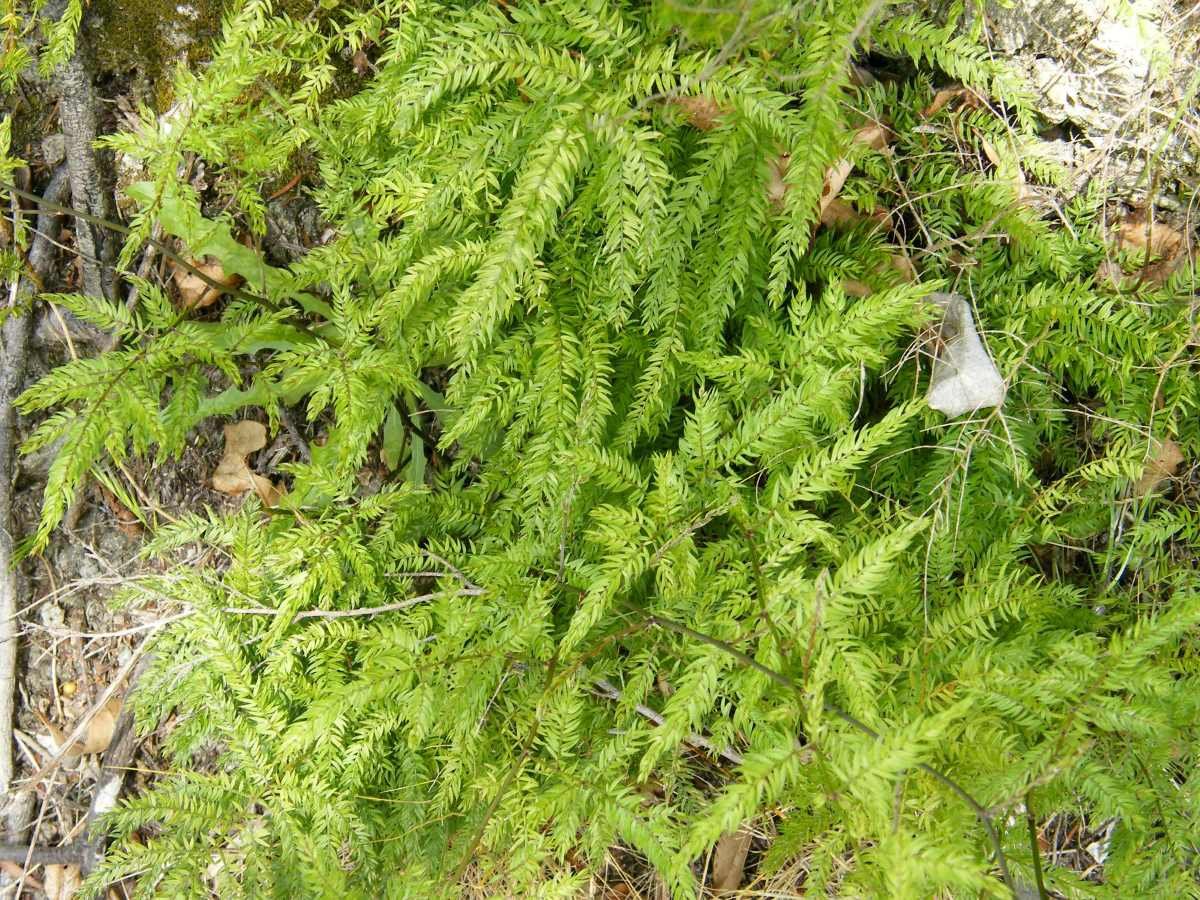
One of the most insidious threats come from Climbing Asparagus (Asparagus scandens) - it's a master of disguise, often looking like a soft, feathery fern to the untrained eye. But beneath that lush greenery lies a smothering and strangling "machine" currently wreaking havoc on our forest floors and understories. A flowering plant native to South Africa, it's a hardy scrambling or climbing perennial
The danger it poses is twofold. First, it forms dense, tangled mats across the forest floor. These mats act like a 'carpet of doom', preventing native seeds from the likes of Kauri, Kohekohe, and Nikau from reaching the soil or seeing the sun. If a seedling does manage to poke through, the second threat kicks in: the climbing/strangling. The plant uses its wiry stems to spiral up saplings and shrubs, eventually becoming so heavy and dense that it "chokes" the host plant, breaking limbs and blocking photosynthesis.
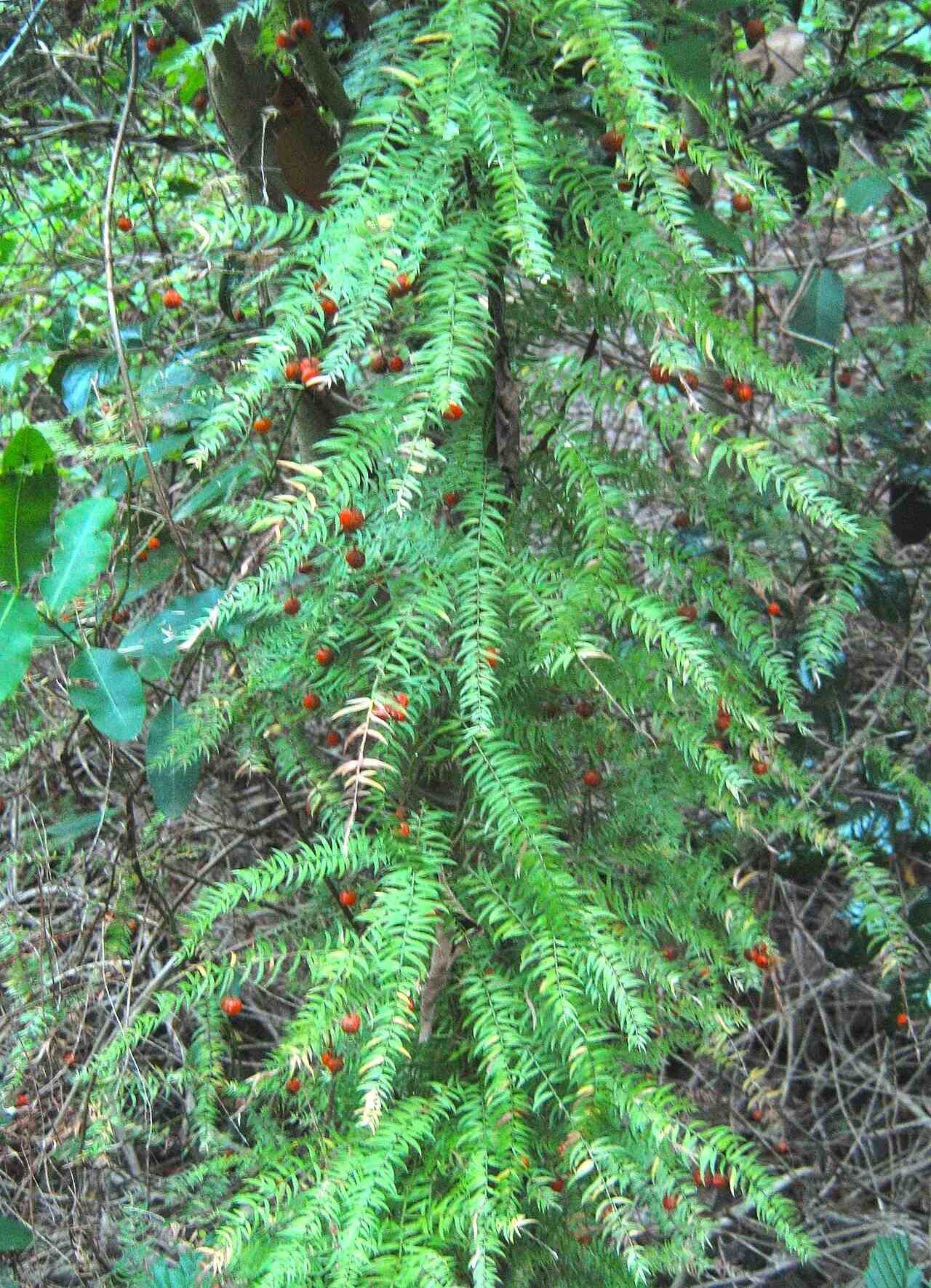
Because it spreads via tiny red berries eaten by birds, it can leap across landscapes, appearing in isolated pockets of bush where no other weeds are present. Left unchecked, it transforms a complex, multi-layered native ecosystem into a simplified monoculture of tangled green wire. To save our understory, we have to learn how to spot it—and more importantly, how to stop it.

Spotting it early is key. Look for these distinctive features:
The Leaves (Cladodes): They aren’t true leaves but flattened stems. They are tiny (approx. 5–15mm long), bright green, needle-like, and usually arranged in flat horizontal sprays.
The Stems: Thin, tough, and wiry. They are slightly zig-zagged and don’t have tendrils; they simply “scramble” and twine around anything they touch.
The Flowers & Fruit: In spring/summer, it produces tiny white or pinkish bell-shaped flowers. These turn into small round berries that transition from green to a bright, waxy red in winter.
The Roots: If you pull a plant up, you’ll see a mat of white, tuberous roots. These tubers store water and energy, allowing the plant to survive droughts and bounce back if you only pull the top off.
Note: Don’t confuse this with the similarly named vegetable found in the supermarket! Although they are close relatives, this Climbing Asparagus is definitely not for eating. It is much finer, more “feathery,” and instead of growing in straight spears, it acts like a wiry vine that tangles everything in its path.
Click to enlarge
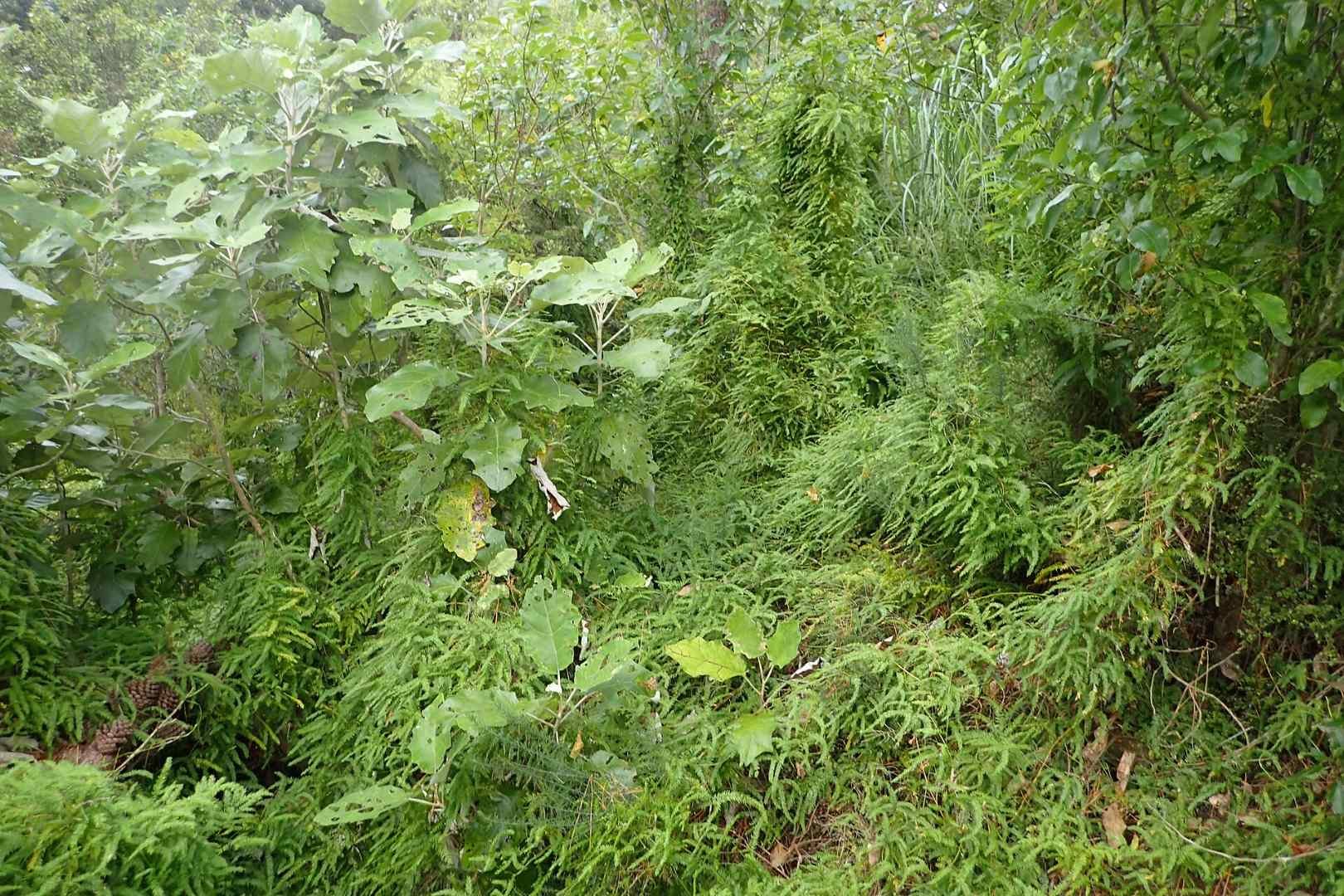
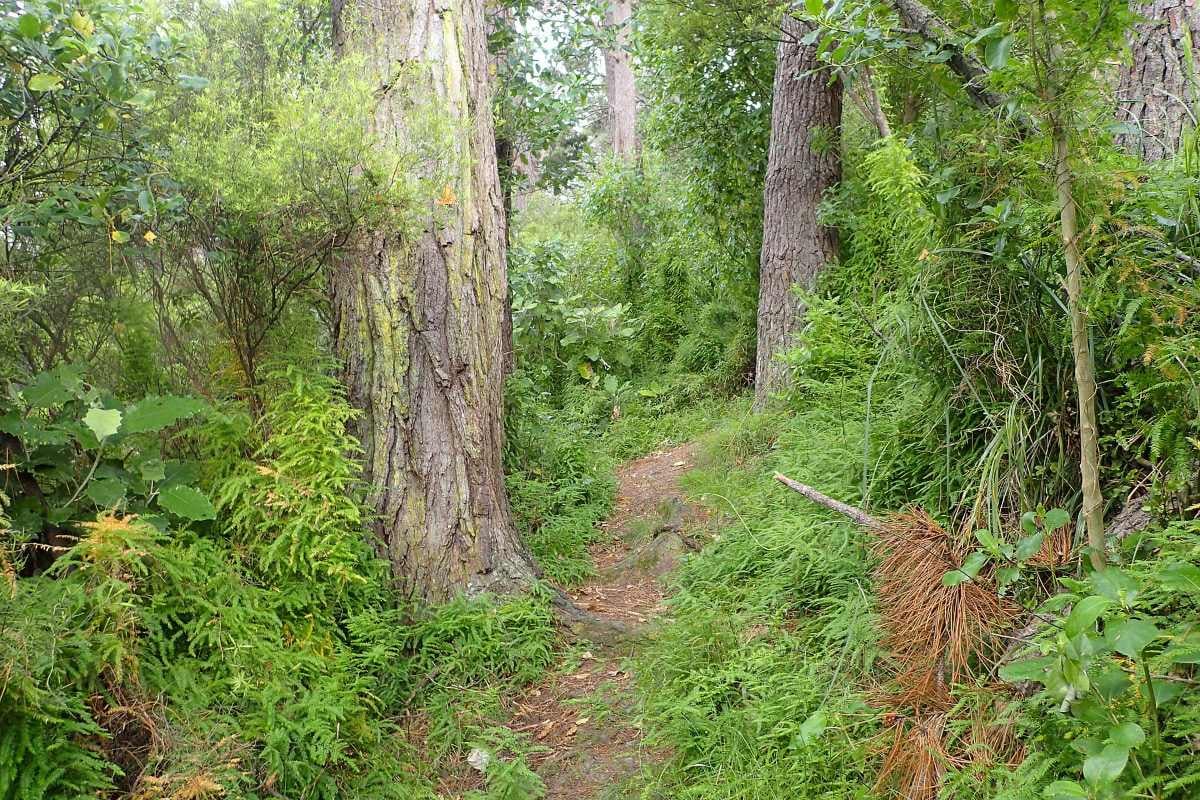
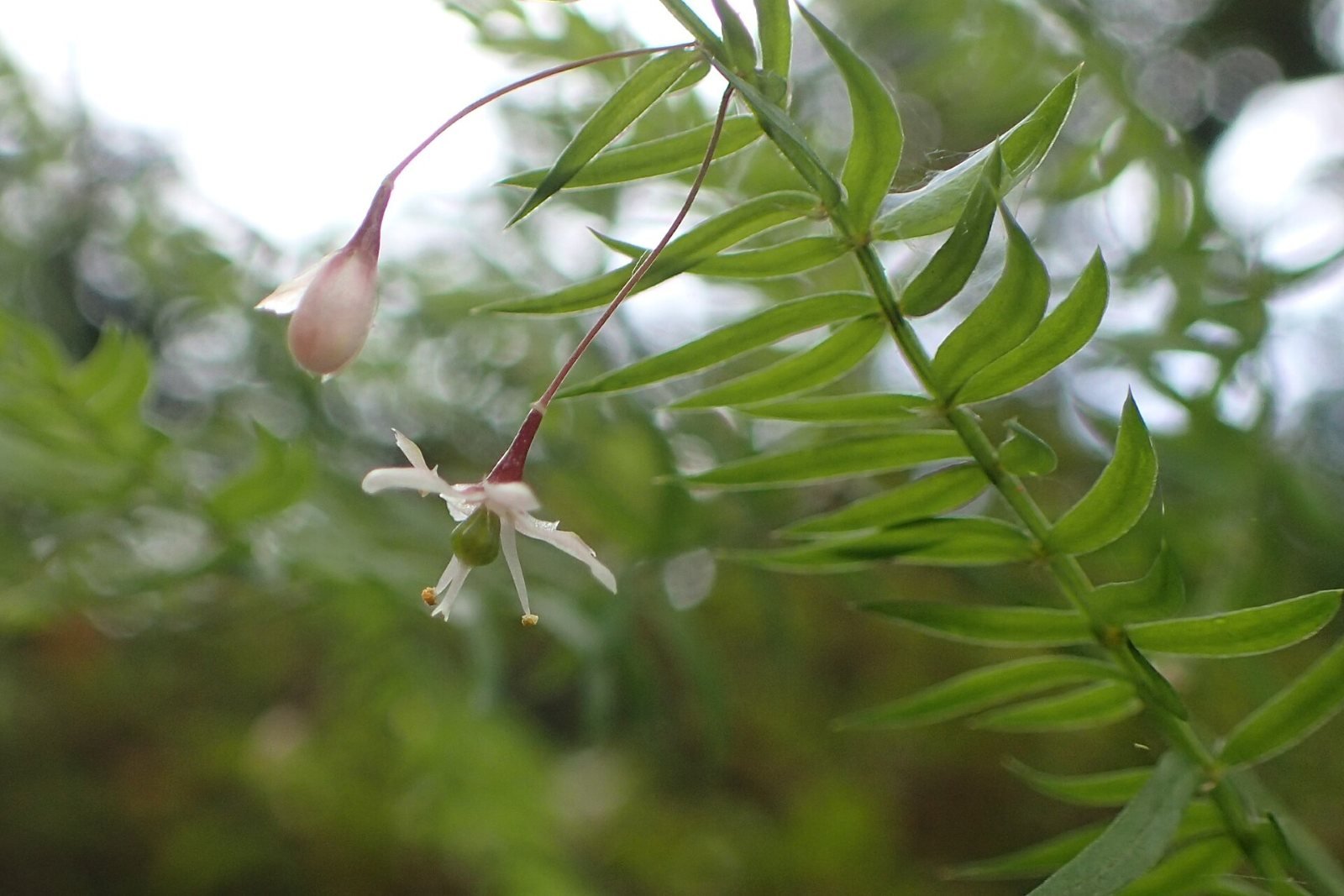
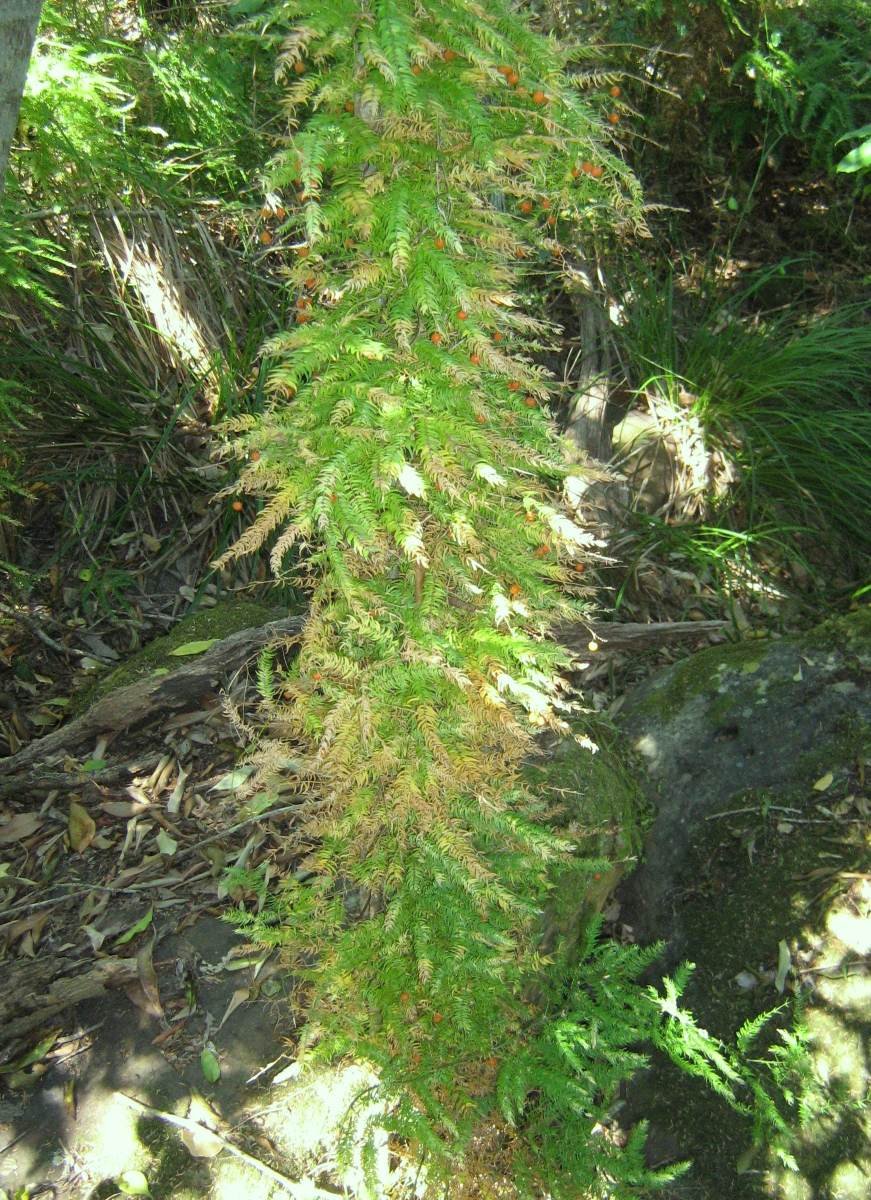
Climbing Asparagus often grows intertwined with precious native ferns and seedlings – so spraying is risky. Instead, you need a systemic herbicide that will travel down into those stubborn tubers. With Cut’n’Paste weed killer, you’ll target the weed while leaving the natives untouched. It can be a bit of a lengthy process because the Climbing Asparagus often spreads out across a wide area.
- Grab some gloves (nitrile is best) to make it easier and safer to apply to bunches of leaves.
- Gather together a handful of vines in one hand and simply wipe the weedgel onto the leaves with the brush in the other hand.
- Pull the weedgel upwards along the weed plant leaves. That will go down into the roots and it won’t grow back.
- Repeat around the area, targeting as many handfuls and bunches as you can.
Say goodbye to your weeds. Watch them die away over the next week or two.
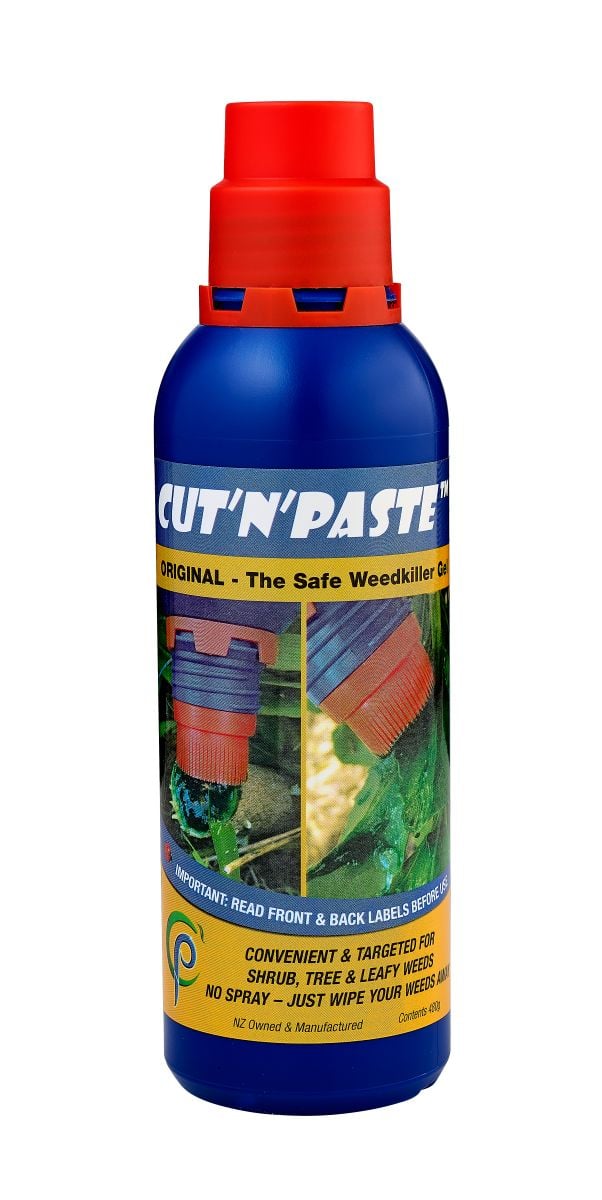
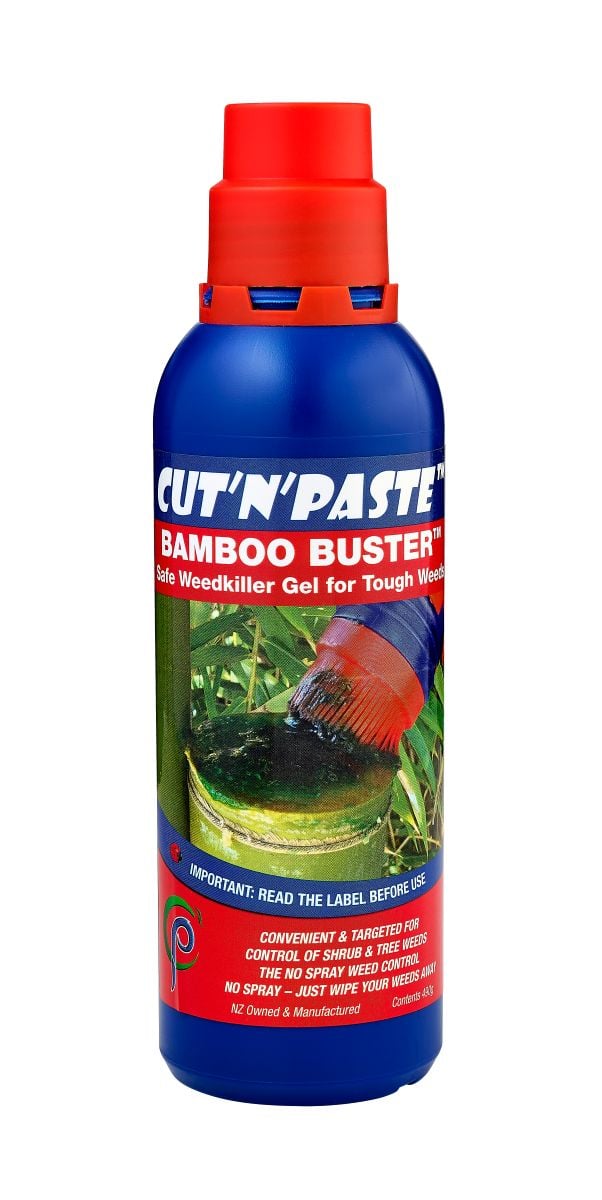
- Recommended Gel: Cut’n’Paste Original or Bamboo Buster
- For tough infestations: Some professionals use MetGel, which is highly effective on tubers but requires more care where natives are nearby, as it can remain active in the soil for longer and potentially travel in wet conditions.
Important Notes:
- ⚠️ Safety Warning: MetGel and Picloram / Picloram Plus+ have significantly more residual soil activity than the glyphosate gels, and can move through ground moisture. MetGel has a soil half-life of roughly 30–90 days, and Picloram roughly 2–6 months, perhaps longer in clay soils. Do not use either near desirable non-target plants, within the root zone of prized trees, or around waterways and wetlands.
- When using MetGel or Picloram, never apply it inside the drip line (canopy edge) of prized trees or broadleaf garden plants. On flat ground, keep a 3 to 5-metre safety buffer. On sloping ground where the weed is uphill from desirable species, extend that buffer to 5 to 10 metres.
- Weeds often grow along streams and in gullies. If you’re working near waterways, use Bamboo Buster. Do not allow any weed gel to enter the water.
- Only treat weeds / target plants / trees that are on your property, or that you have permission to treat. Be aware that some species might have protection status or have a notable status, or be a designated scheduled tree under the district plan – if in doubt, check with your local council.
- Safety First: Wear gloves and protective clothing and observe all safety protocols, especially when using machinery, chainsaws and other tools.
- When using any herbicide ensure you READ THE LABEL THOROUGHLY, and follow all instructions and directions for the purchase, use and storage of the product.
- If in doubt, seek professional advice.
Disposal is Critical: If there are red berries on the vines you’ve cut, do not leave them on the ground. Bag the fruiting sections and dispose of them in a landfill or a deep compost pit. Each berry is a potential new infestation because they attract birds which help to disperse them.
The “One-Year Check”: Climbing Asparagus is persistent. Those underground tubers can sometimes survive a first treatment. Re-visit the site 6–12 months later to “touch up” any regrowth.
Watch the Sap: While not as toxic as Moth Plant, the sap can be a mild skin irritant for some people. Wearing gloves is always a smart move.
The Rhizome Rule: If the plant is very small, you can hand-pull it, but you must get the central rhizome/clump out. If you leave the tubers behind, it will almost certainly grow back. For anything larger than a seedling, Cut’n’Paste is much more effective.