Moth Plant Competition – Winners Announced :: Find Out


Japanese Honeysuckle – The Scented Killer
Home » Help » Weed Directory
Japanese Honeysuckle - The Scented Killer
Japanese honeysuckle (Lonicera japonica) is well known for its "lovely honey" scent and distinctive yellow bell like flowers - but don’t be fooled by that sweet smell. It’s an exceptionally tough, invasive vine that regularly outcompetes native shrubs, strangling them and smothering them in a dense blanket of climbing foliage and choking them off until they wither and die.
Birds spread the vines by eating the seeds and because this vine layers and strikes new roots wherever it touches the forest floor, it creates a tangled network that is notoriously difficult to manage.
Cut'n'Paste will be right by your side to help you tackle this invader.
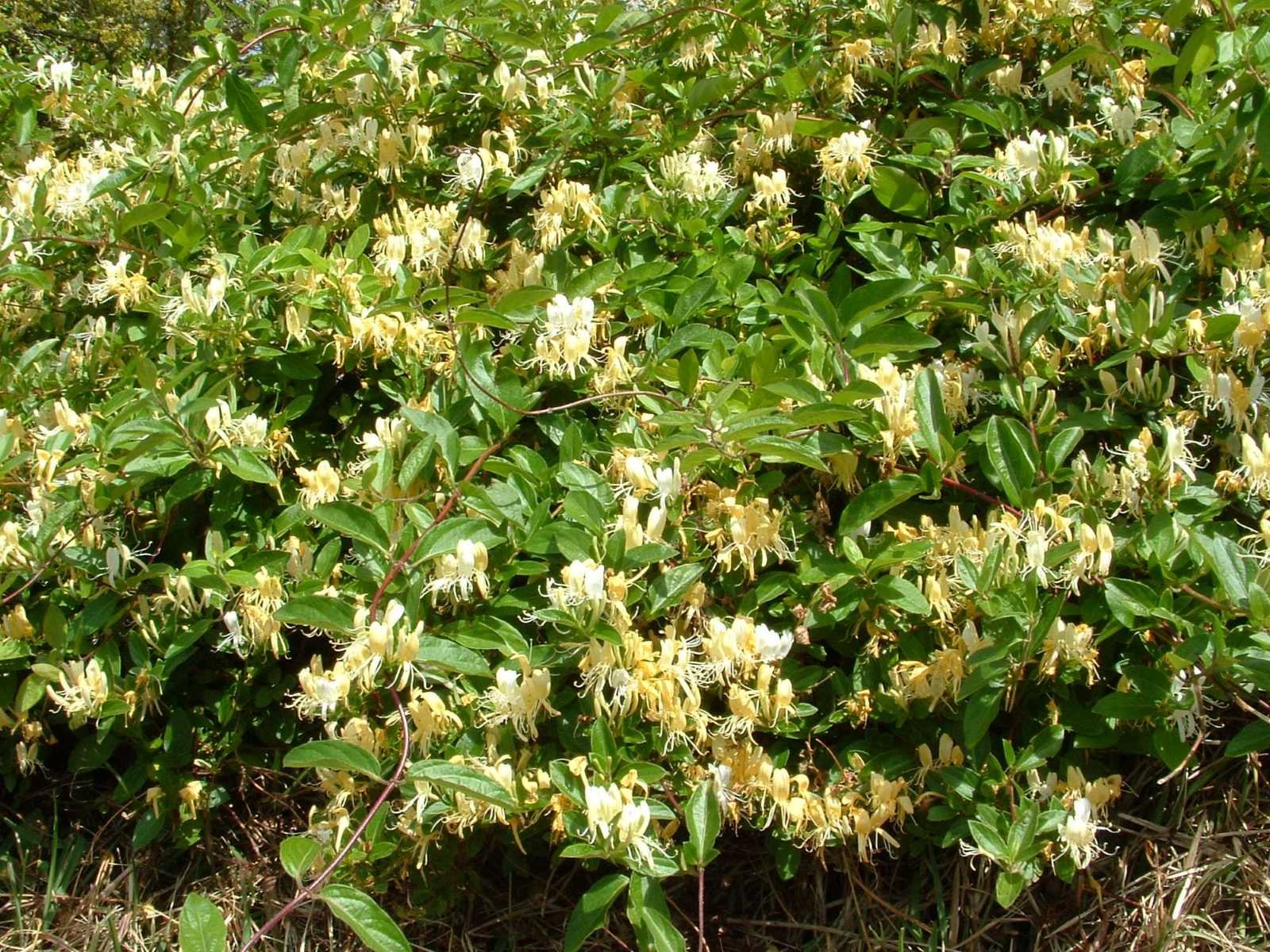
Look for a tough climber with wiry stems that twine tightly in a clockwise direction, changing from a purplish fuzz when young to a heavy woody texture with age. Its shiny dark green leaves grow in opposite pairs and uniquely transform in the winter chill (June to August), developing distinct wavy or lobed edges alongside clusters of small, glossy black berries. While its famous sweetly scented tubular flowers – which open white and age to yellow – are highly visible from September to May – and of course highly pungent – so follow your nose. It’s very easy to recognise in summer from the beautiful sweet scent and sweet nectar filled flowers. But don’t be fooled. There’s nothing sweet about it when its smothering and strangling native trees and bushes in your garden of local reserves. Winter is a great time to trace these tangled woody mats back to the ground line for treatment.
For further assistance in identifying it, visit NZ plant Conservation Network website or weedbusters website. Here’s a gallery of images courtesy from them, to help you identify it.
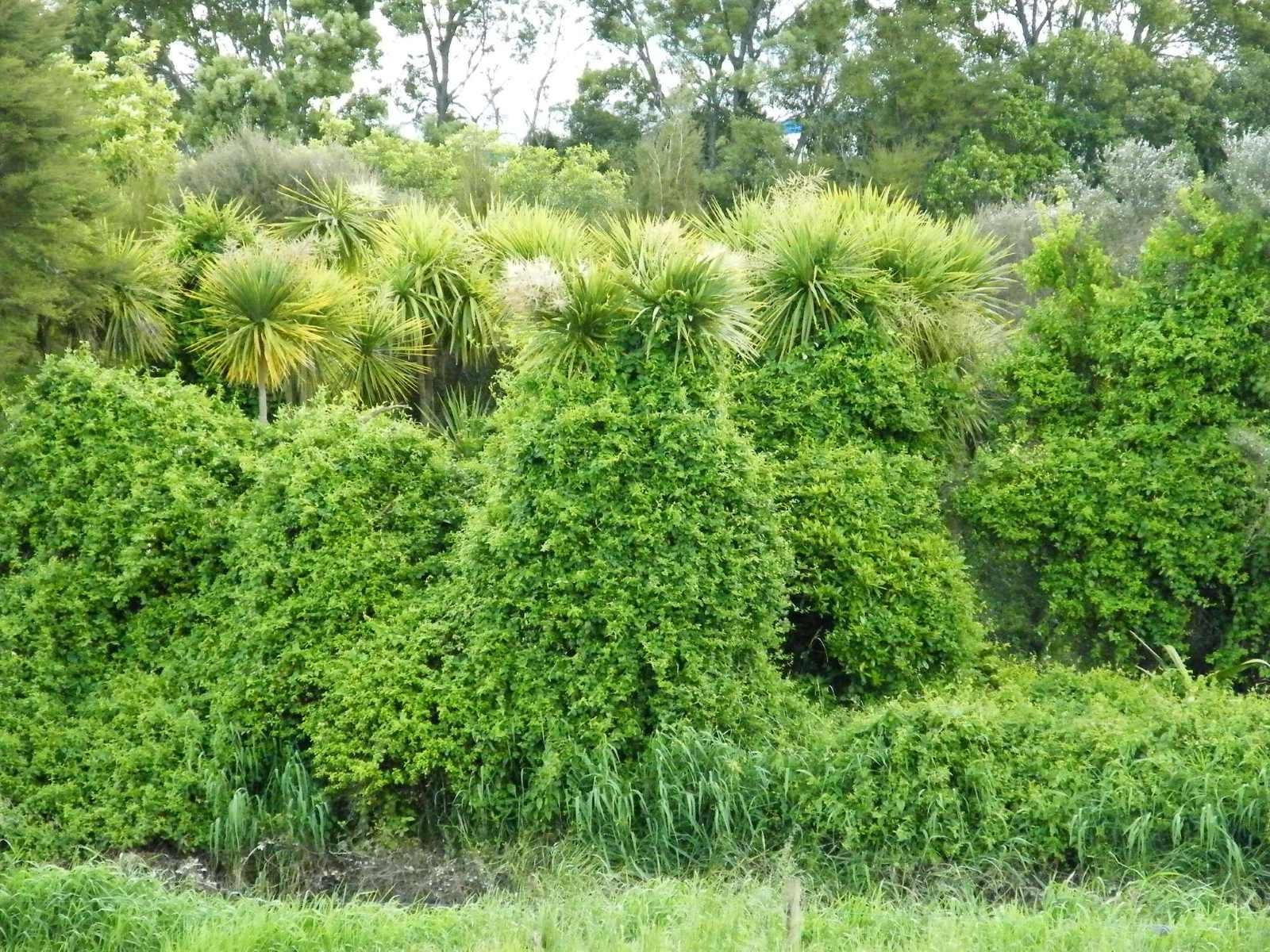
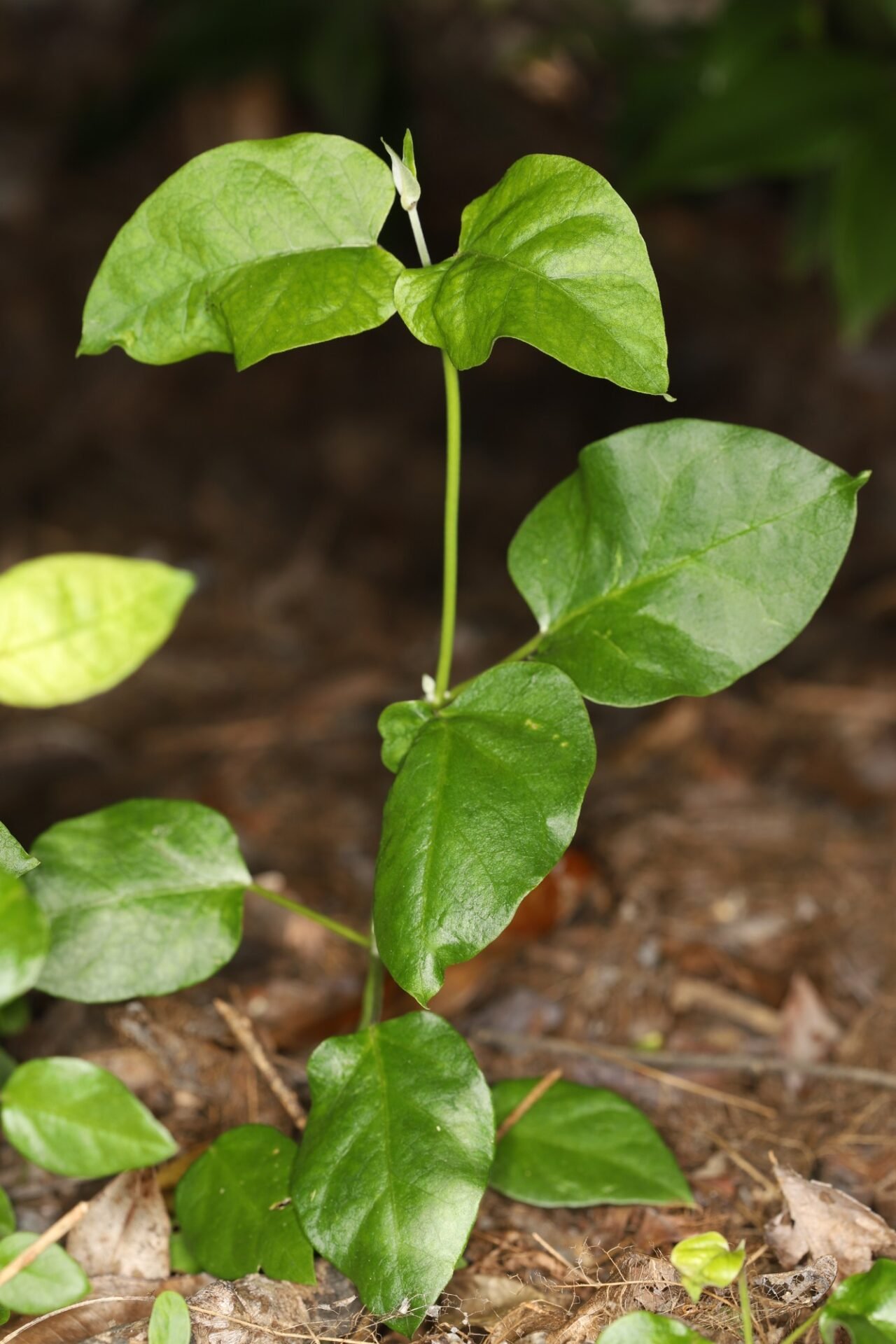
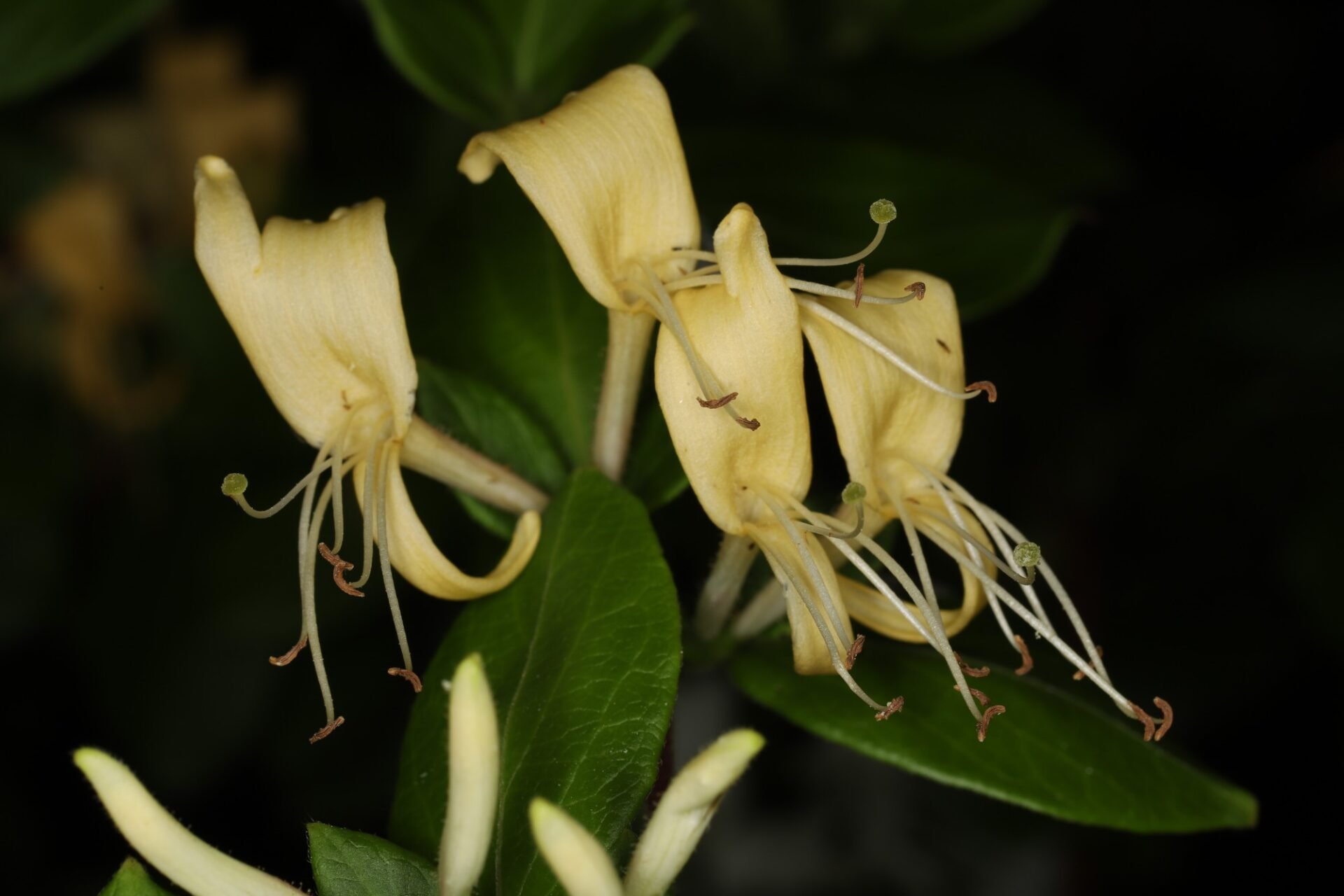
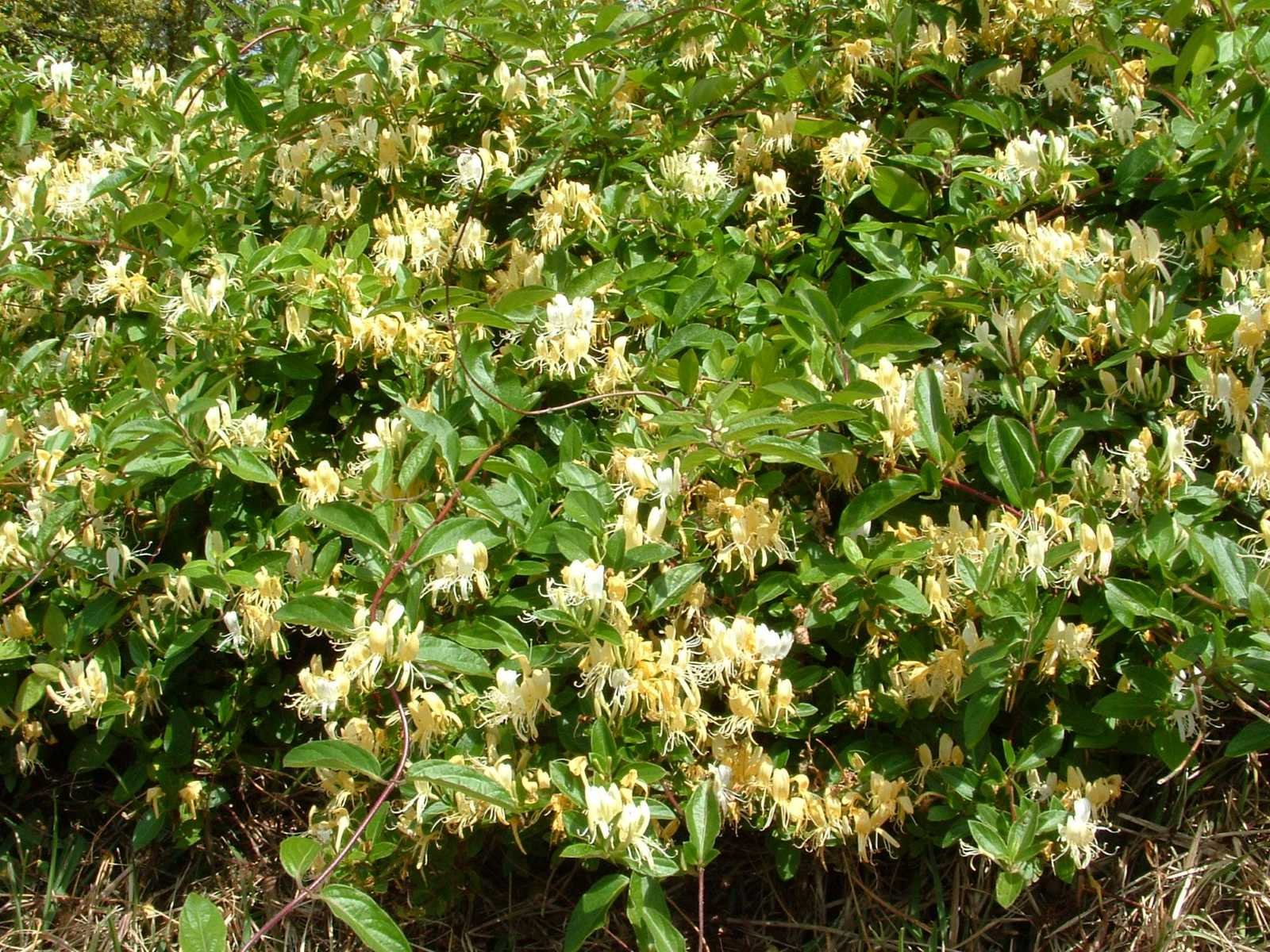
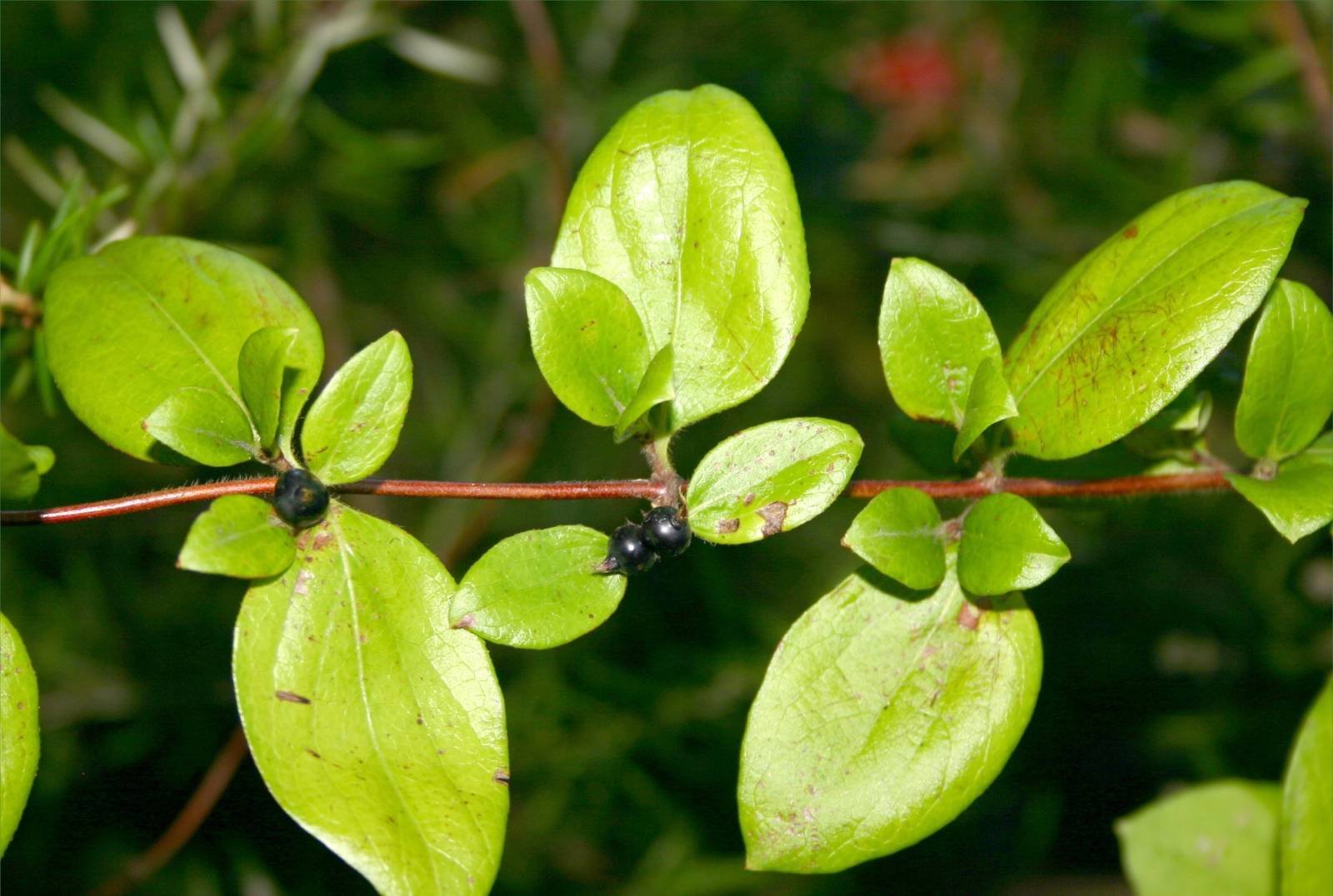
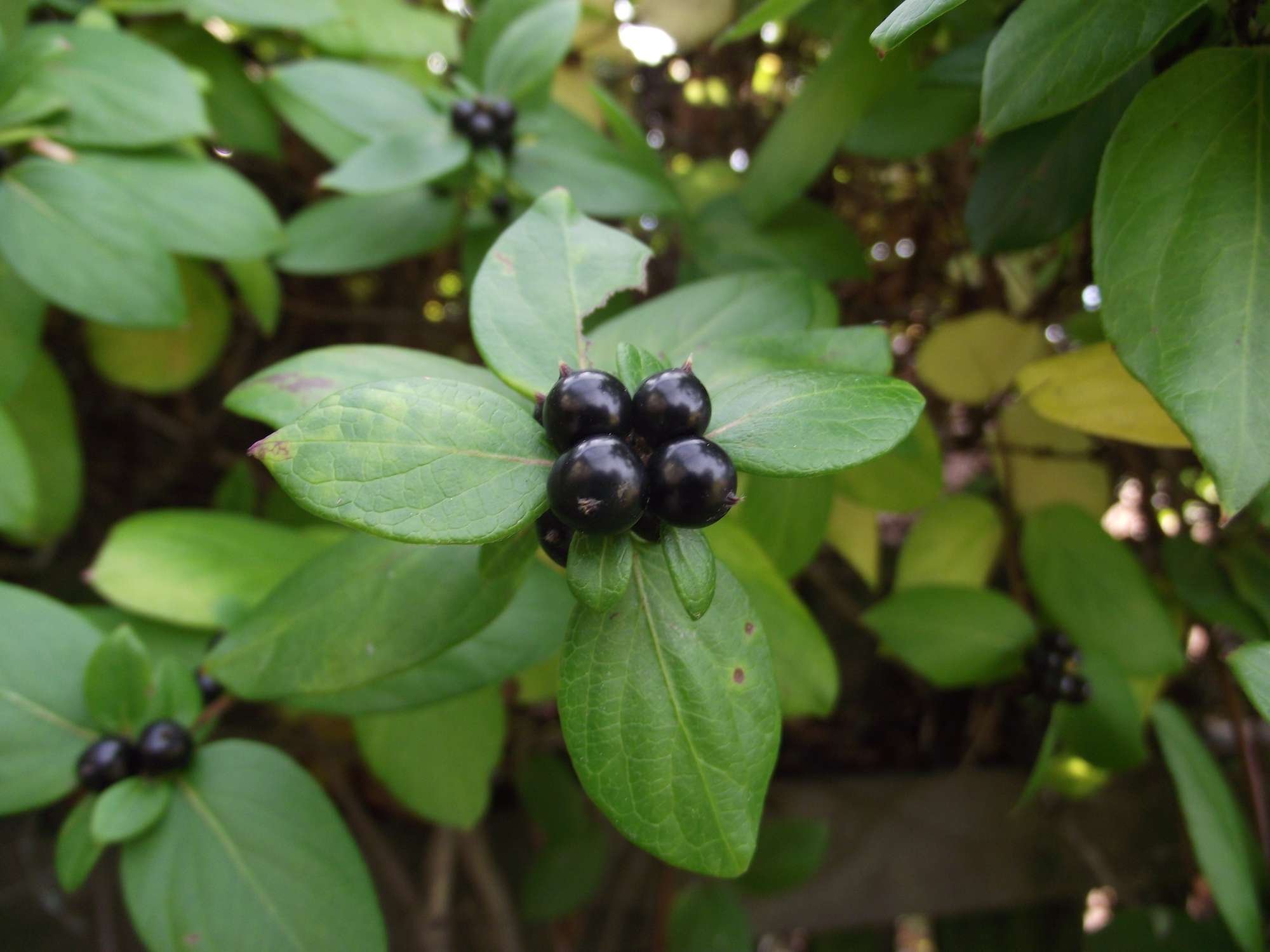
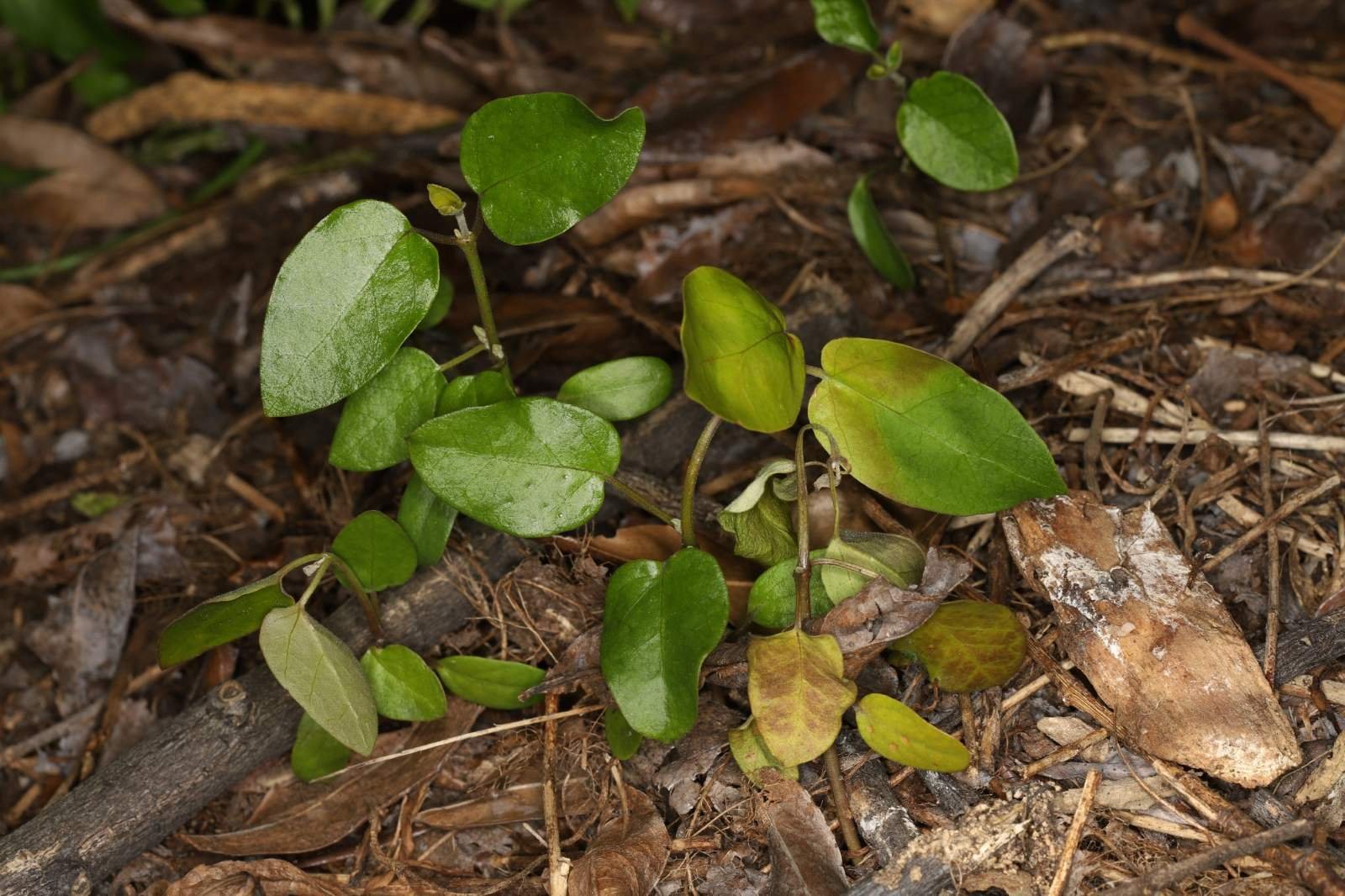
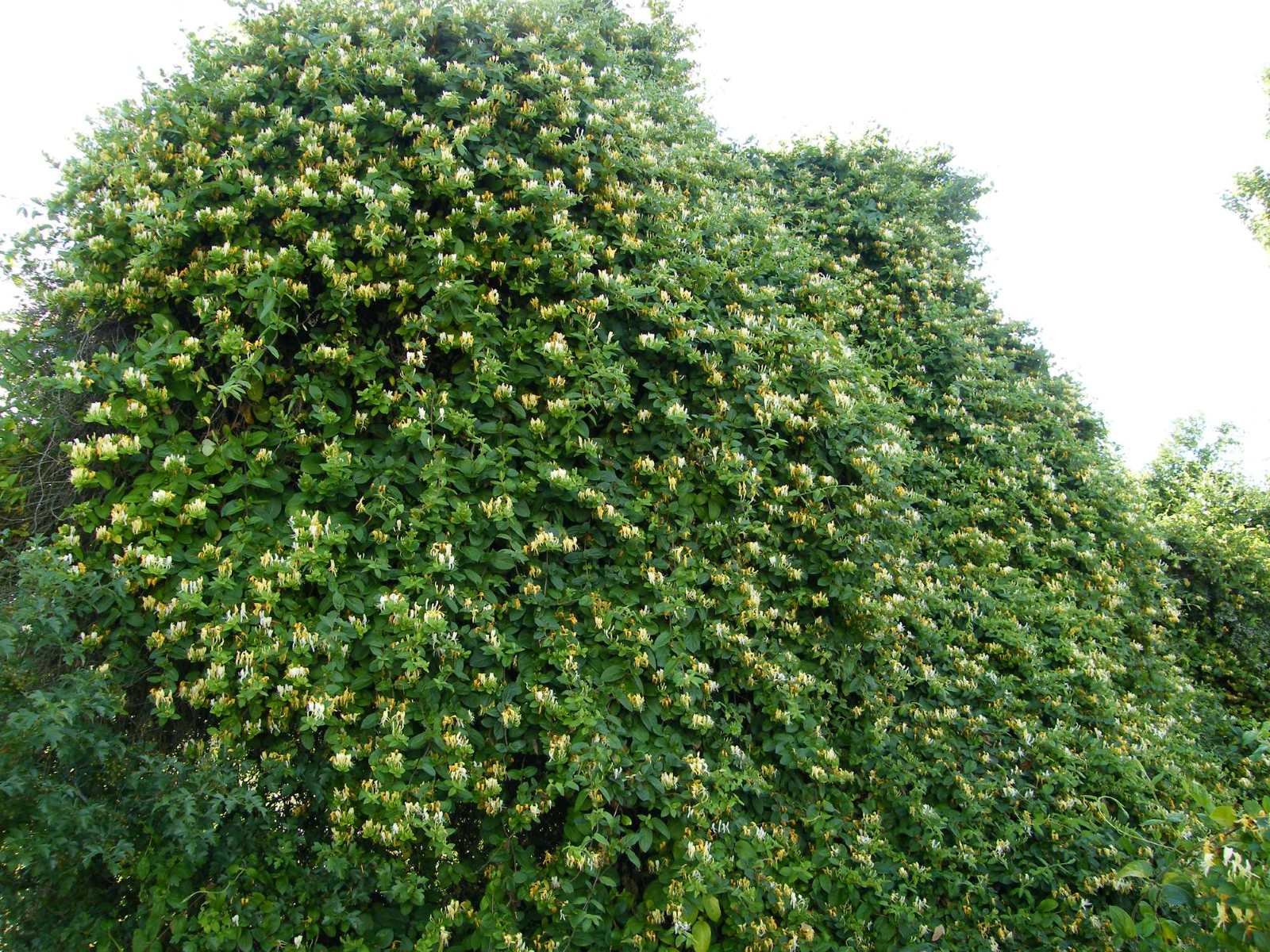
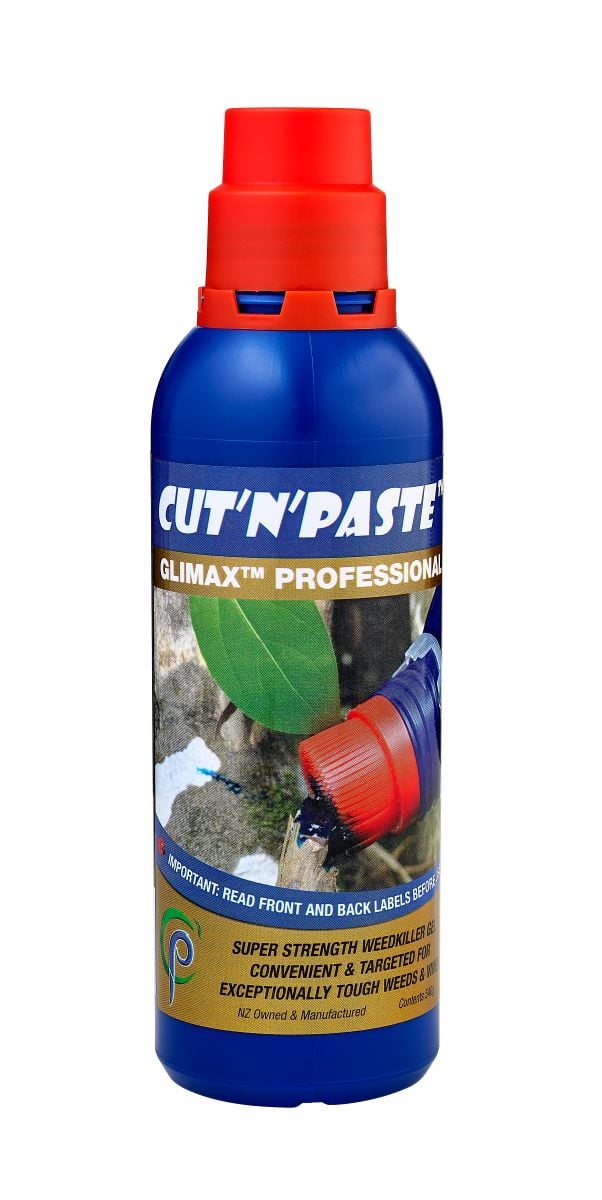
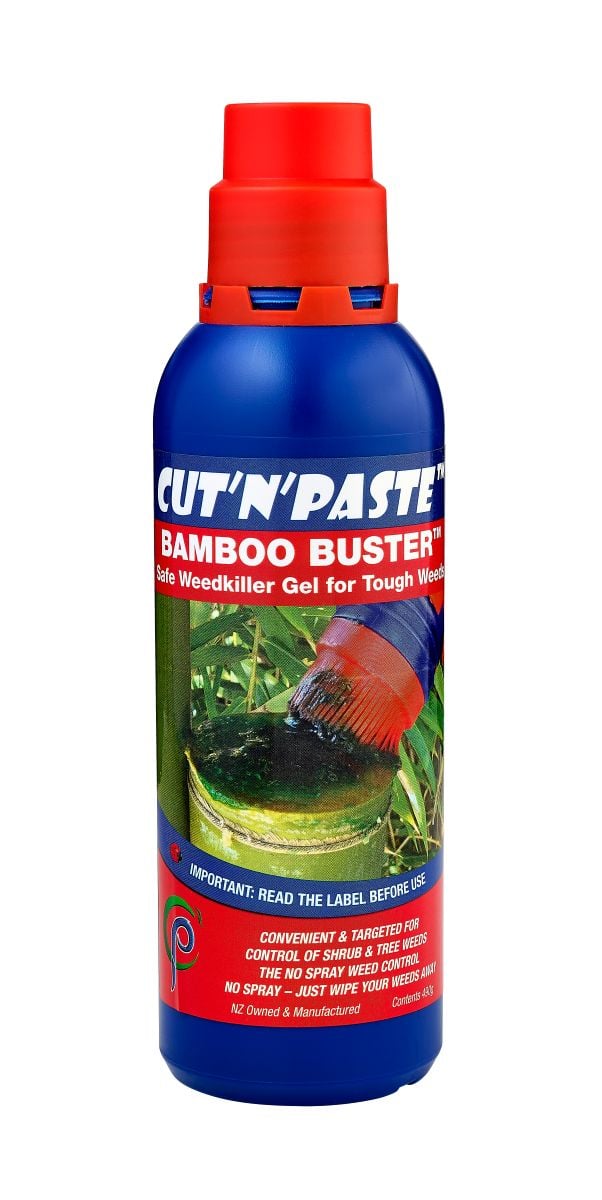
Bamboo Buster or Original Weedgel is perfect for the dense, tangled sections where finding the main stem is difficult- and especially where you have prized nearby other plants or trees. If you are not near any waterway, you can try the triple strength Glimax Professional. Some users have also reported success when using MetGel or Picloram, but care must be taken with these as they can translocate to other plants – so don’t use these if you are not sure. Instead, stick with either Original, Bamboo Buster or Glimax so that you know you wont kill the host tree.
Instructions:
Option A: If you can find the base of the weed then cut it off and apply the weedgel to the vine stump. Where there are several stems cut and paste them all.
Option B: If the patch is too tangled to find the base, select clusters of leaves and paste your gel onto their undersides. The plant will absorb the formula through the foliage and translocate it through the entire network.
The Golden Rule of Foliage Pasting: When applying directly to leaves, always target the underside. The top of the leaf acts like a shield, but the bottom is full of tiny pores that draw the gel straight into the plant’s system! Make sure you wear gloves.
Dispose of cutaway segments to refuse transfer station or burn.
Important Notes:
- ⚠️ Safety Warning: MetGel and Picloram / Picloram Plus+ have significantly more residual soil activity than the glyphosate gels, and can move through ground moisture. MetGel has a soil half-life of roughly 30–90 days, and Picloram roughly 2–6 months, perhaps longer in clay soils. Do not use either near desirable non-target plants, within the root zone of prized trees, or around waterways and wetlands.
- When using MetGel or Picloram, never apply it inside the drip line (canopy edge) of prized trees or broadleaf garden plants. On flat ground, keep a 3 to 5-metre safety buffer. On sloping ground where the weed is uphill from desirable species, extend that buffer to 5 to 10 metres.
- Weeds often grow along streams and in gullies. If you’re working near waterways, use Bamboo Buster. Do not allow any weed gel to enter the water.
- Only treat weeds / target plants / trees that are on your property, or that you have permission to treat. Be aware that some species might have protection status or have a notable status, or be a designated scheduled tree under the district plan – if in doubt, check with your local council.
- Safety First: Wear gloves and protective clothing and observe all safety protocols, especially when using machinery, chainsaws and other tools.
- When using any herbicide ensure you READ THE LABEL THOROUGHLY, and follow all instructions and directions for the purchase, use and storage of the product.
- If in doubt, seek professional advice.
Any of our glyphosate gels will work on Japanese honeysuckle especially when applied to the cut stems. Use Glimax if possible, as it is our strongest concentration. Bamboo Buster works great if it’s applied to the stems when you can’t get to the rest of the plant because it buried in the bushes. You can also use Original Weedgel too, if you prefer to paste onto the leaves. This way you can attack it bit by bit until you win the battle.
Andy Spence, the creator of Cut N Paste once said
“On Waiheke Island, one of the first things that I noticed on leaving the ferry for the first time on a nice sunny day was the wonderful scent – the scent of dense infestations of Japanese Honeysuckle.”