Moth Plant Competition – Winners Announced :: Find Out


Wandering Willie (Tradescantia fluminensis)
Home » Help » Weed Directory
Famous for causing allergic skin reactions in dogs
A succulent-like groundcover that creates thick carpets in shady, damp areas. It prevents native seeds from hitting the soil. Note: It’s famous for causing allergic skin reactions in dogs.
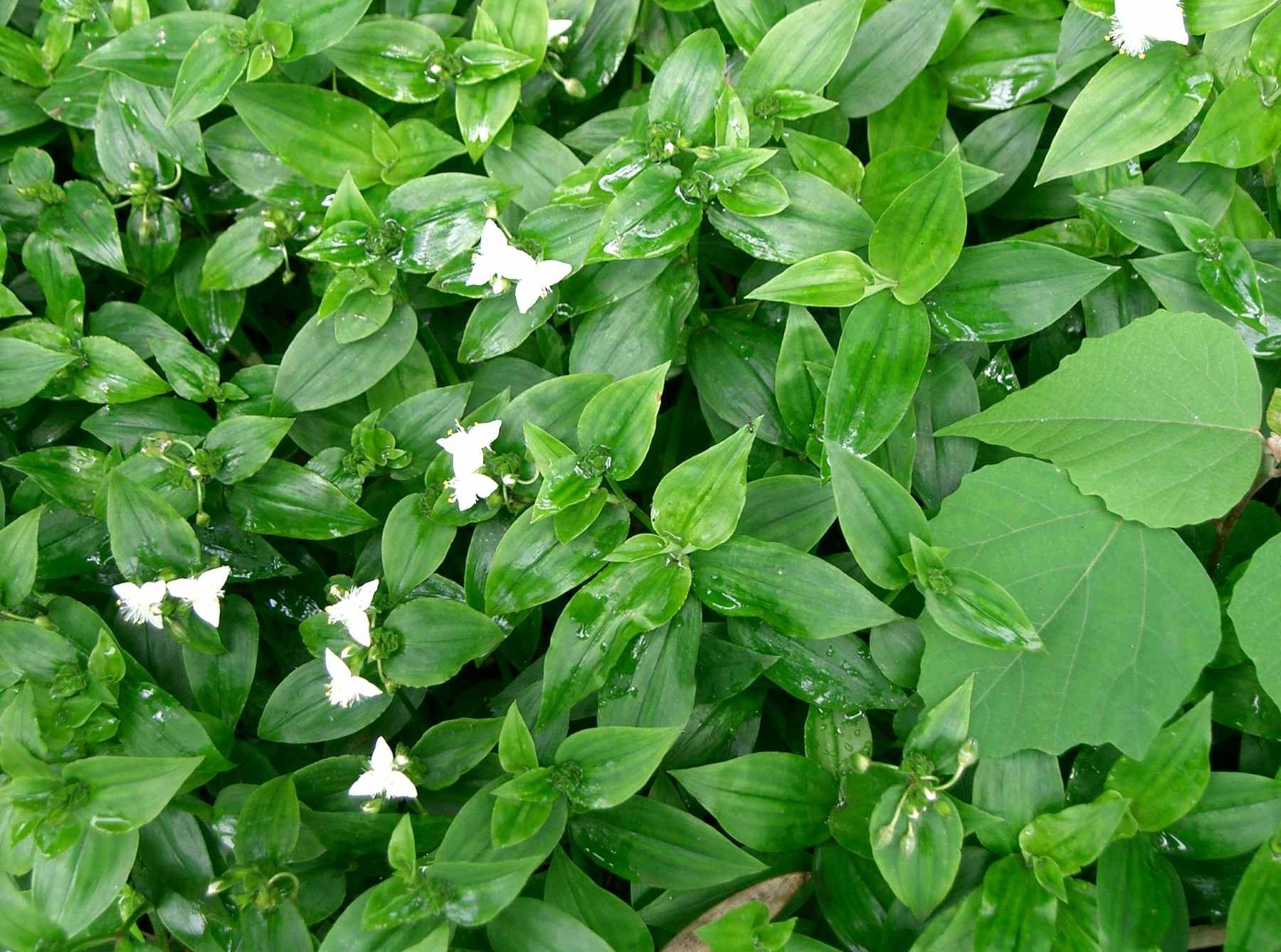
Shiny, Oval Leaves: Bright green, smooth, and slightly fleshy leaves with a pointed tip.
Brittle Stems: Thick, “juicy” stems that snap easily at the joints (nodes) when pulled.
Ground Carpet: Grows in dense, overlapping mats, usually in damp, shaded areas.
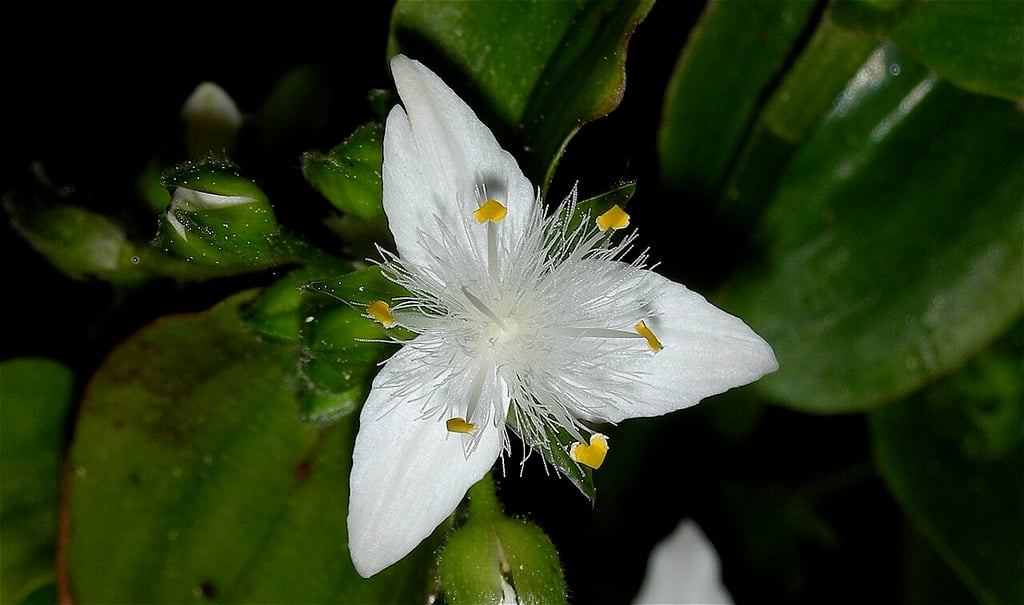
White Flowers: Small, star-shaped flowers with exactly three white petals.
Rooting Joints: Roots grow out of the stem wherever it touches the soil.
No Blue: If the flowers are blue, it’s likely the native “Scurvy Weed,” not the weed.
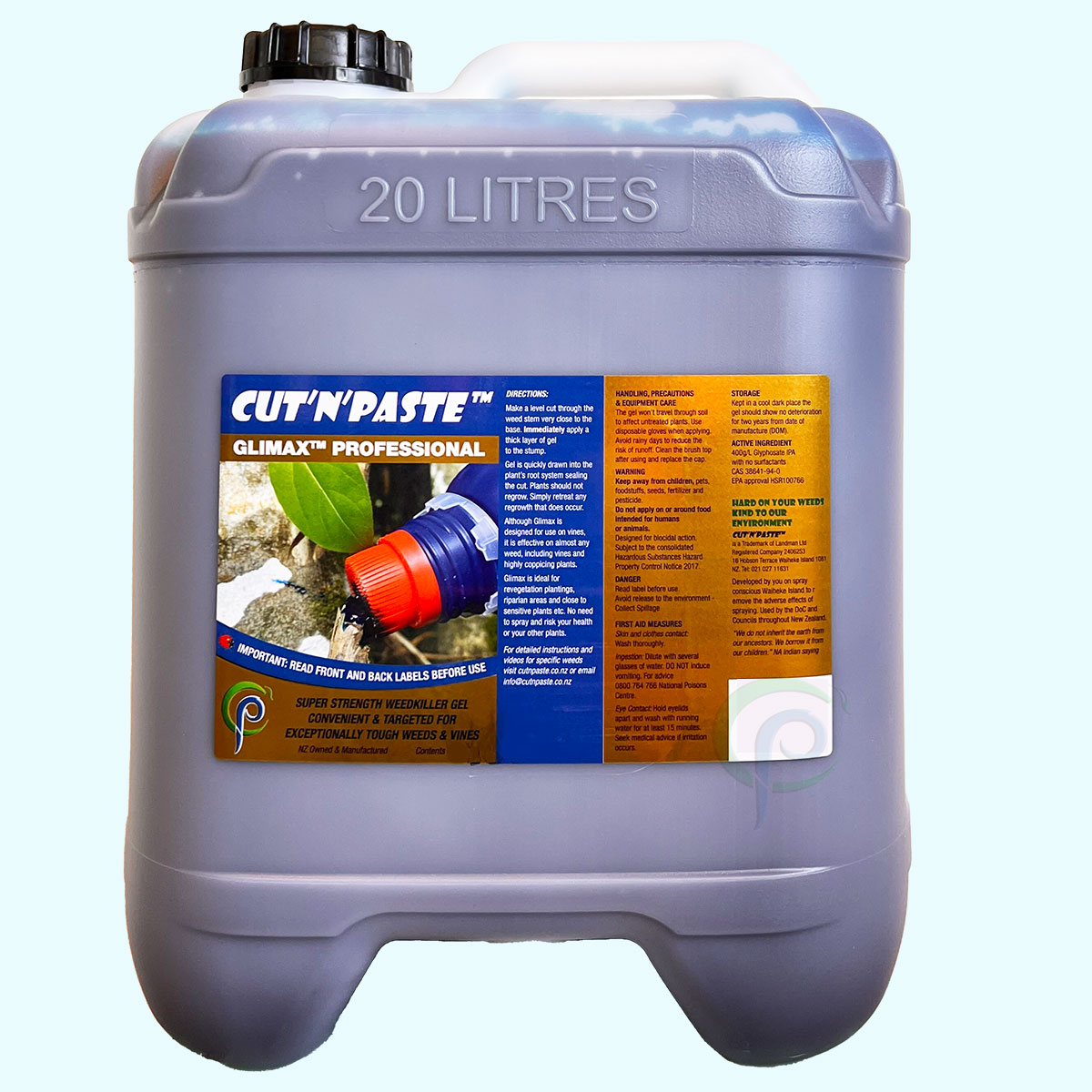
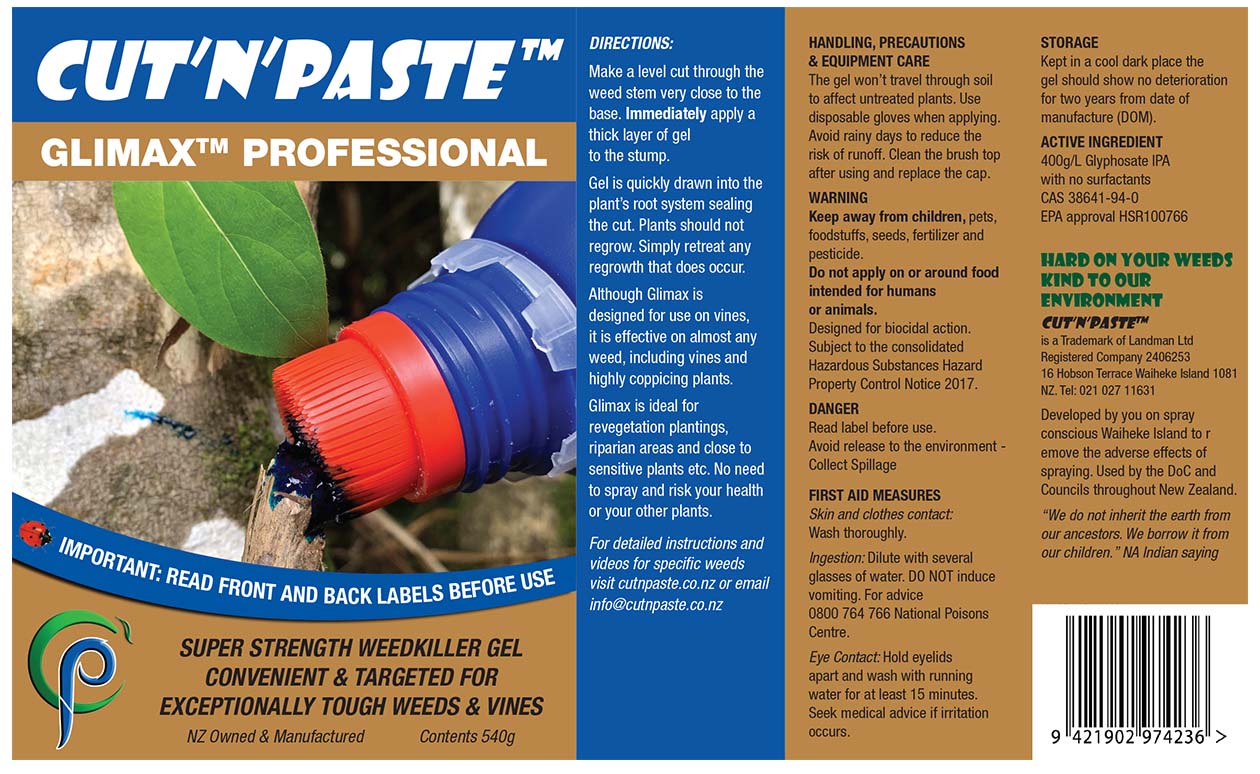
Use Glimax or Use “MetGel” (Blue Bottle): This is the most effective Cut’n’Paste product for broadleaf groundcovers like Tradescantia.
No Cutting Required: Do not cut the stems; the plant needs the leaves to absorb the herbicide.
Wipe the Leaves: Use the applicator brush to smear a thin layer of gel over the top of the green leaves.
Target 50%: You don’t need to hit every leaf—aim to coat about half the leaves in a patch.
Avoid Walking: Don’t step on the treated area, as breaking the brittle stems stops the gel from reaching the roots.
Apply in Dry Weather: Ensure it won’t rain for at least 12 hours so the gel can soak in.
Wandering Willie is famous for its “immortality.” Never put it in your home compost or green waste bin.
The Rot Method: Put pulled fragments into a heavy-duty black plastic bag, add some water, seal it tight, and leave it in the sun for 12 months. It will turn into a black, harmless liquid.
The Landfill: If you can’t wait, take it to a managed transfer station (landfill) where it is buried deep.