Moth Plant Competition – Winners Announced :: Find Out


Jasmine the Scented Killer
Home » Help » Weed Directory
Jasmine has a beautiful scent but it's a killer!
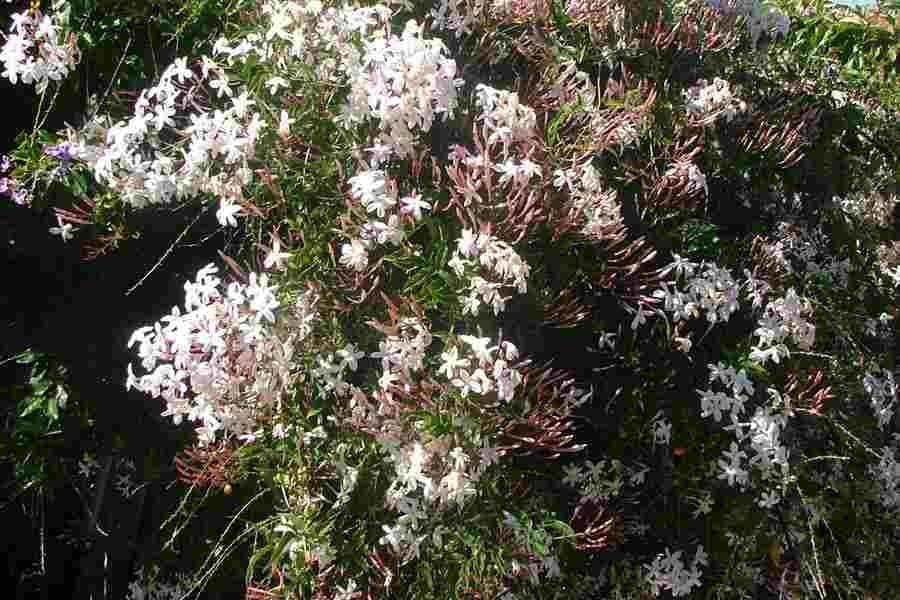
Jasmine has a beautiful, sweet scent, but Chinese Jasmine (Jasminum polyanthum) is an aggressive invasive climber that smothers native bush and spreads rapidly through underground runners. Not to be confused with Star Jasmine (Trachelospermum jasminoides).
Chinese Jasmine smothers native bush, prevents forest regeneration, and spreads aggressively via underground runners (rhizomes) and the runners and stems that root wherever they touch soil - frequently creeping under houses, fences, and footpaths to pop up on neighbouring properties as well.
In NZ, a lot of the spread of Chinese Jasmine comes from fragments dumped in green waste. Under New Zealand's Biosecurity Act 1993 and Regional Pest Management Plan - in Auckland and other places it is illegal to share, sell, propagate, or distribute Chinese Jasmine (Jasminum polyanthum).
Learn how to spot the difference between the garden-friendly Star Jasmine and the invasive Chinese Jasmine (Jasminum polyanthum) - and how to treat it safely using Cut'n'Paste weed gels.
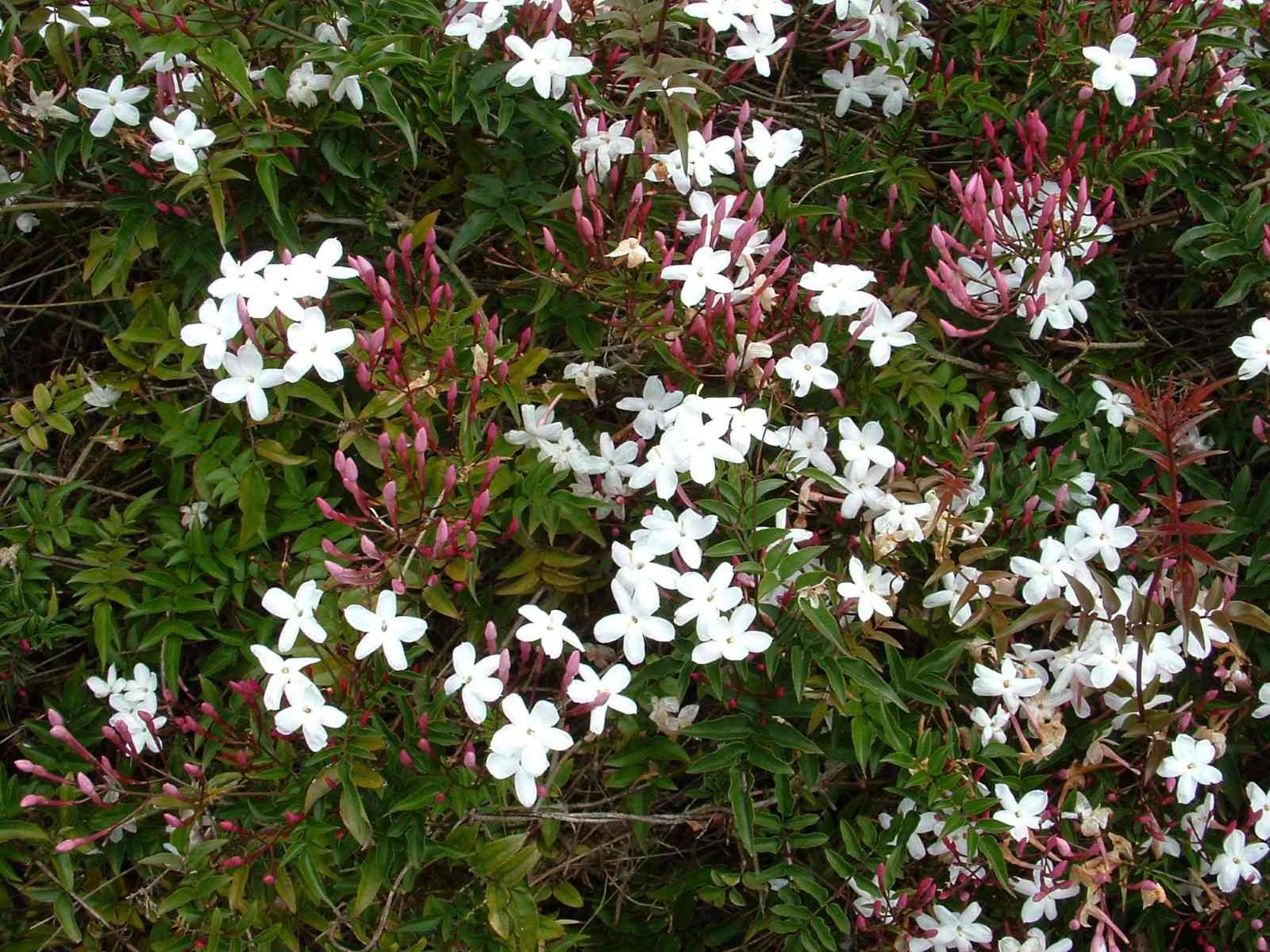
Most people are very familiar with the beautiful scent of flowering Jasmine. It is frequently planted for its fragrant blooms, but Chinese Jasmine (Jasminum polyanthum) does not know when to stop. Once established, it easily escapes gardens to invade native bush, growing up and over established trees and smothering understorey plants. Its tough vines travel under houses, footpaths, and fences via subterranean runners (rhizomes), popping up on neighbouring properties metres away.
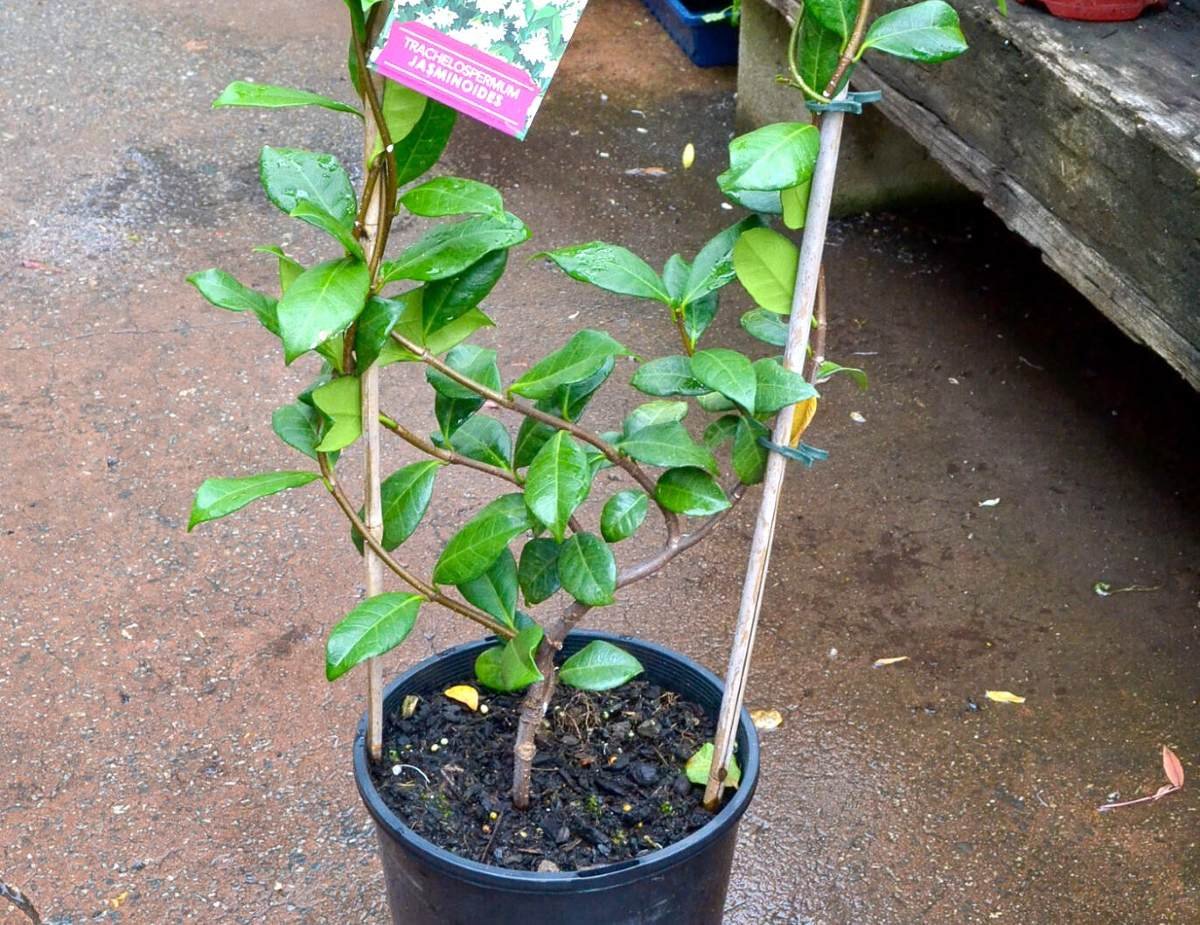
Important: Don’t confuse the identity with Star Jasmine (Trachelospermum jasminoides), a popular, non-invasive domestic climber.
Chinese Jasmine (the bad stuff) vs. Star Jasmine (the good stuff)
| Feature | Invasive Chinese Jasmine (Jasminum polyanthum) | Domestic Star Jasmine (Trachelospermum jasminoides) |
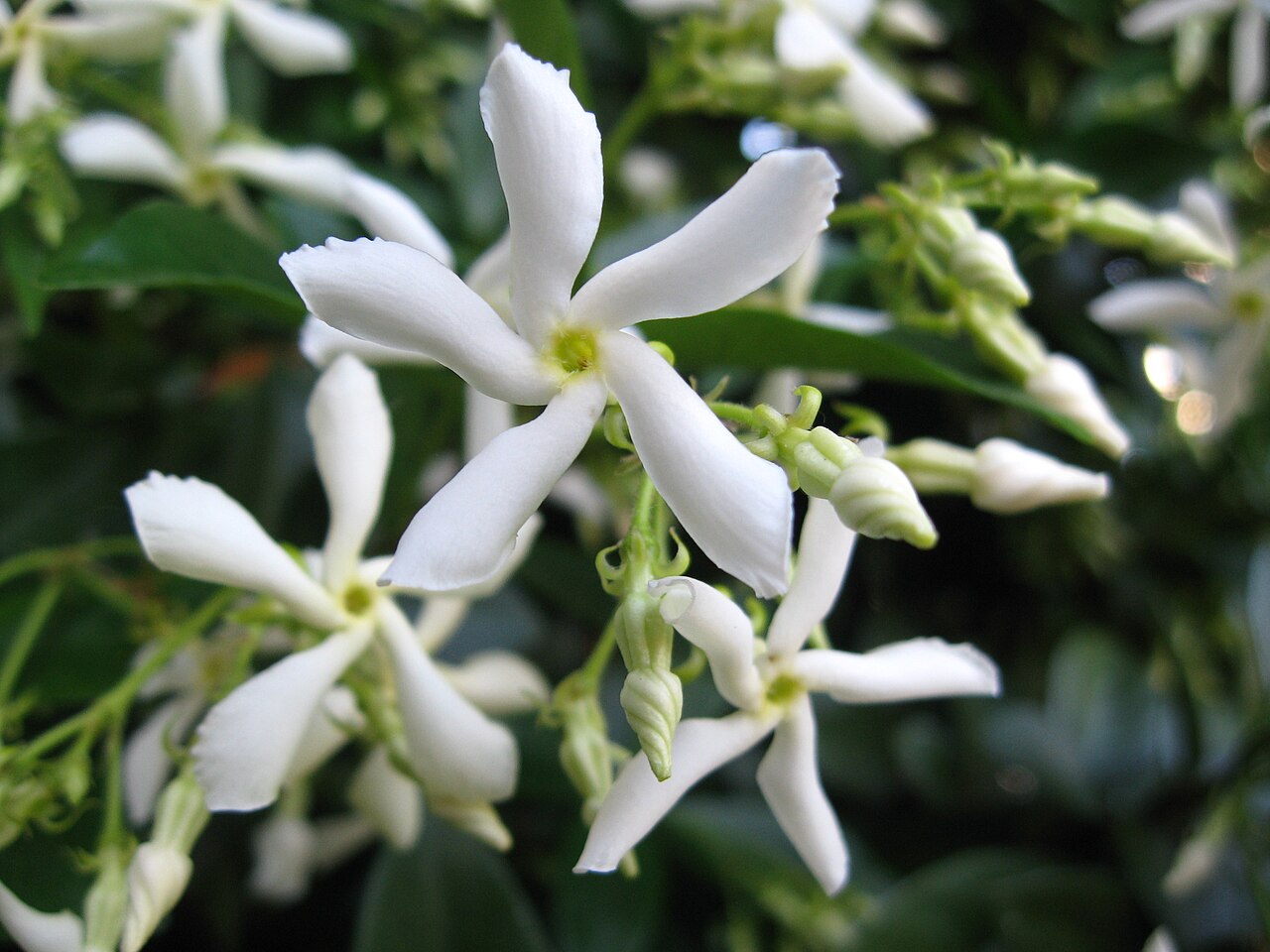
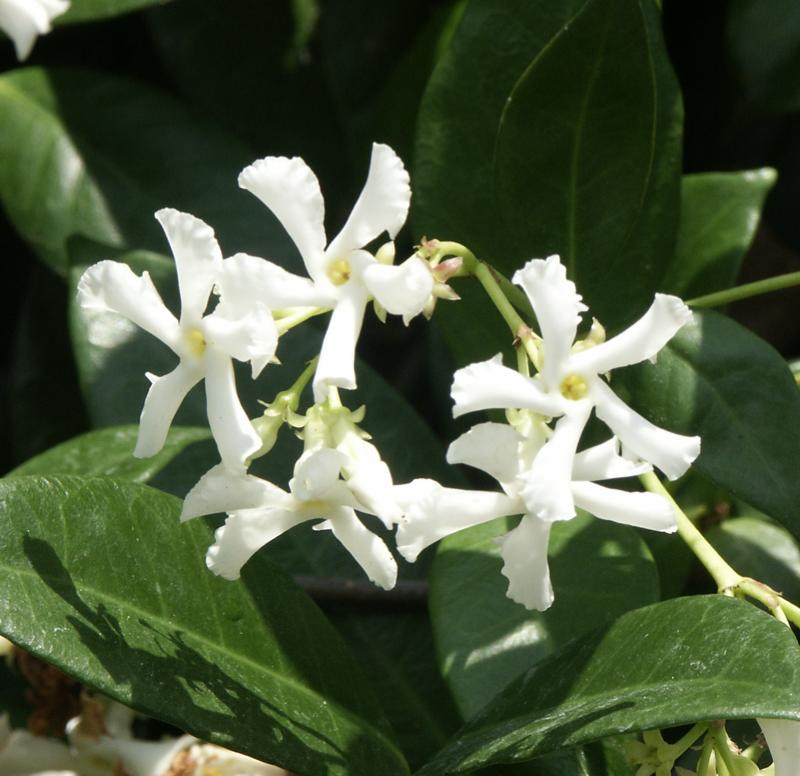
| Flower Buds | Distinctive pink-to-purplish buds opening into white flowers. | Greenish-white buds; no pink colouring. |
| Leaves | Compound leaves made of 5 to 7 leaflets along a leaf stem. | Single, glossy, leathery leaves – oval shaped – attached directly to the stem in opposite pairs. |
| Stem Sap | Clear, watery fluid when stems are broken. | Thick, milky white sap oozes when stems or leaves are cut. |
| Growth Habit | Aggressive vine forming dense mats and spreading via rhizomes. | Controlled climber or groundcover with a non-invasive root system. |
Chinese Jasmine (the bad stuff)
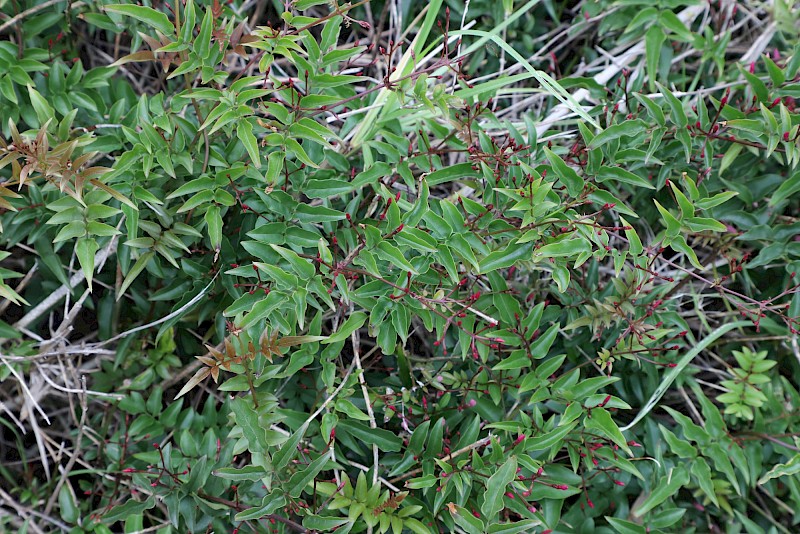
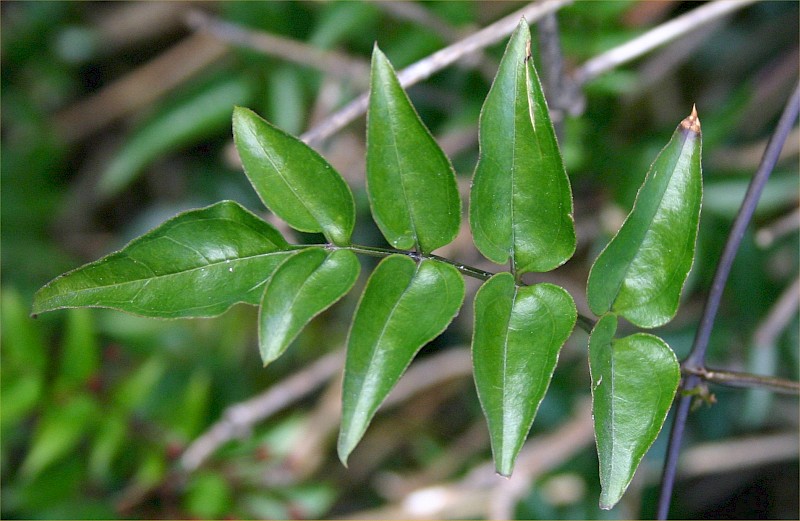
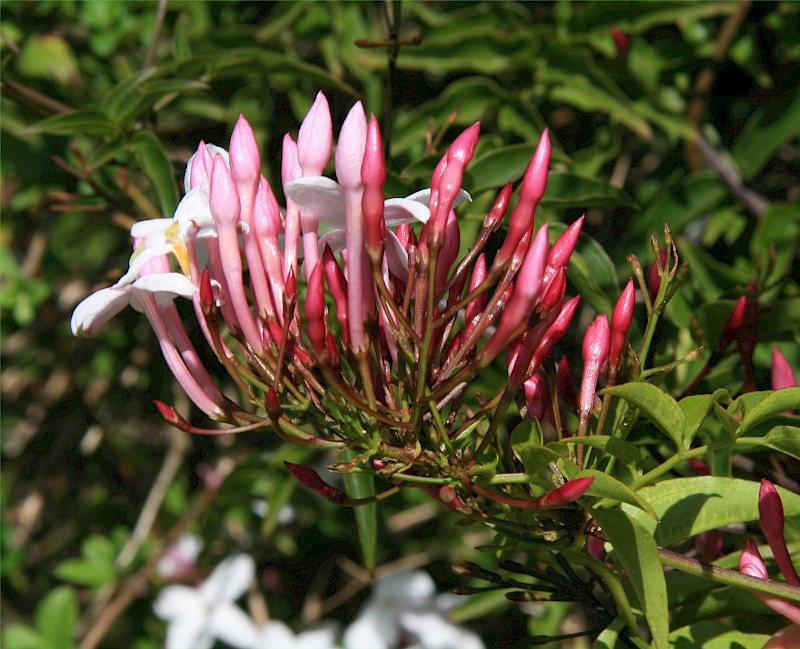
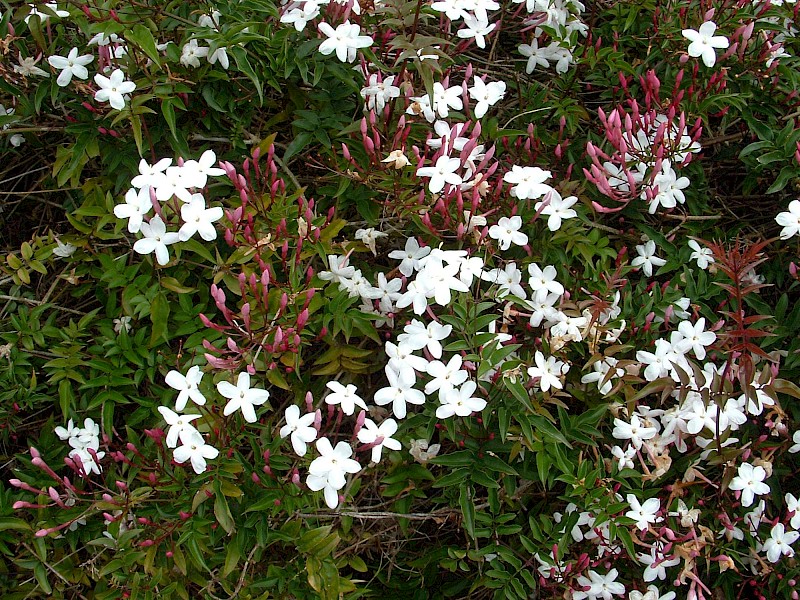
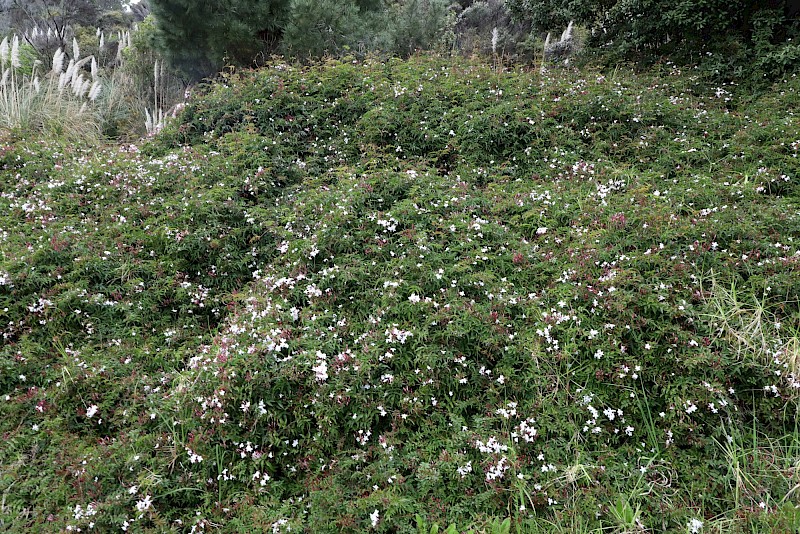
Star Jasmine (the good stuff) – Spot The Difference (check the leaves and petal shape)
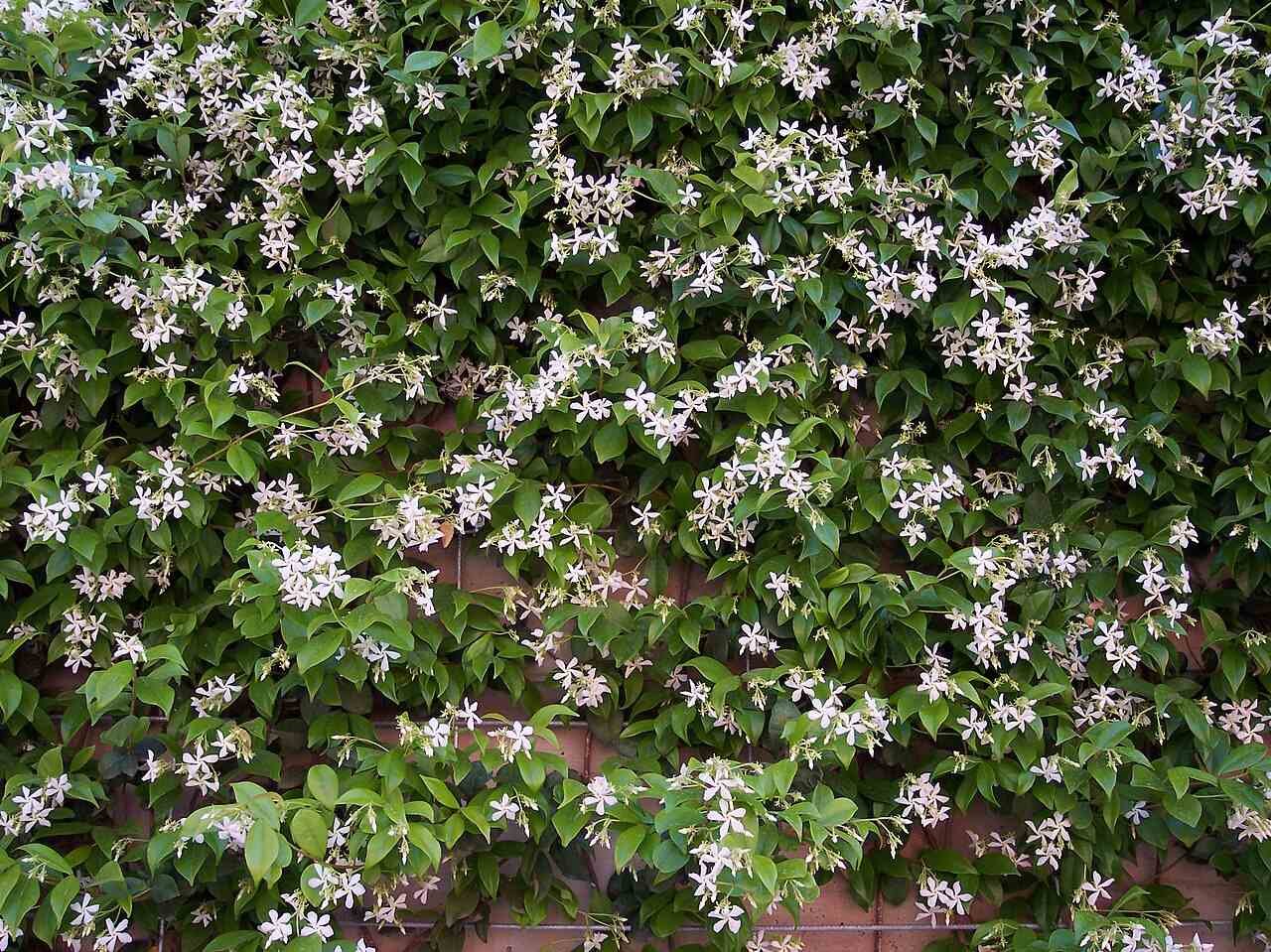
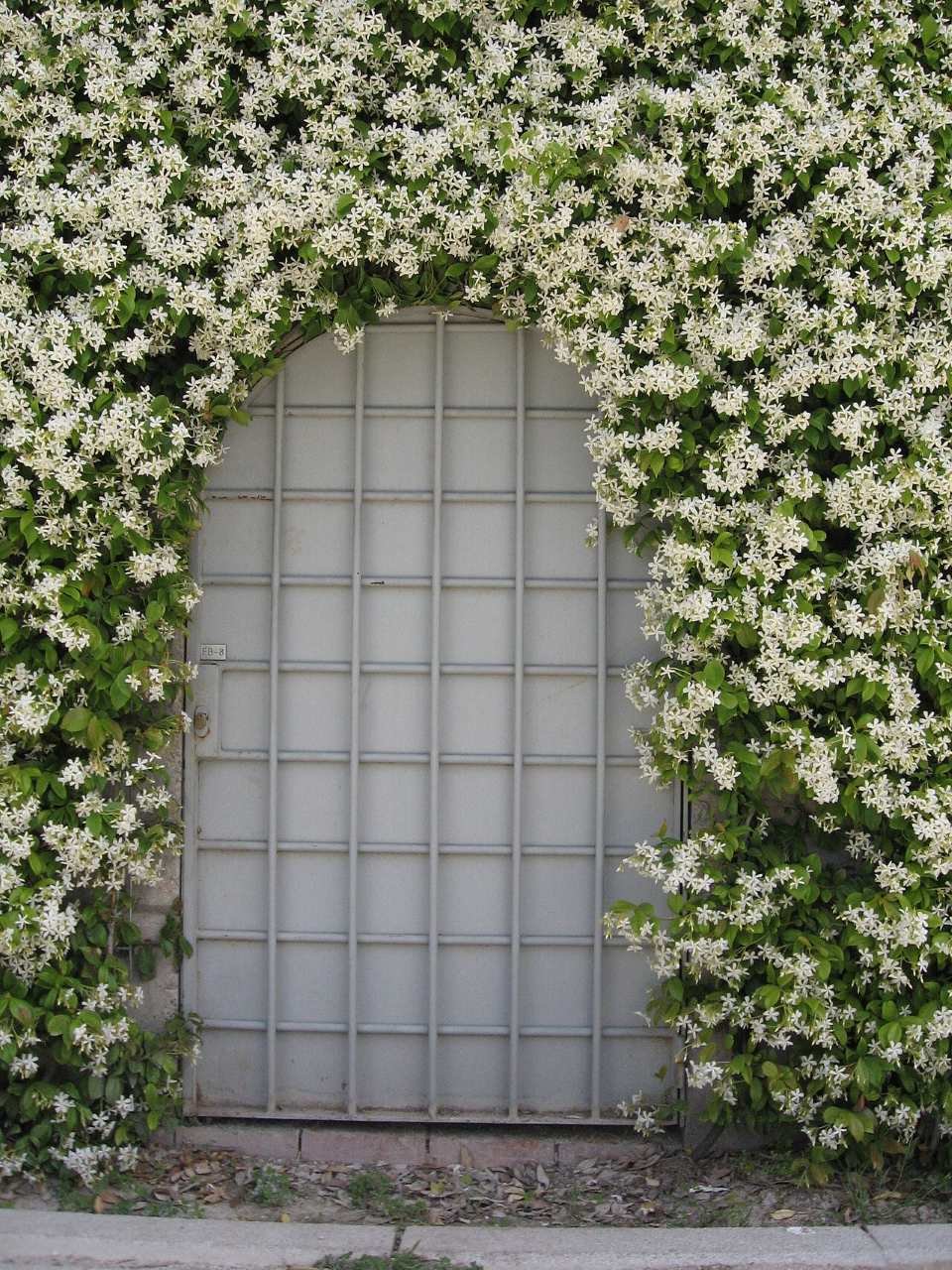
Because Jasmine is often intermingled with desirable trees and garden plants, targeted application using Cut’n’Paste weed gels is the safest and most effective methodology.
| Recommended Gel | Best Used For | Notes |
| Glimax Professional Weed Gel | Precise treatment near ornamental plants | Max – strength glyphosate-based weed killer herbicide; systemic killer with very low soil residue and short life in the weed plant. Caution: Not to be used near waterways or wetlands. |
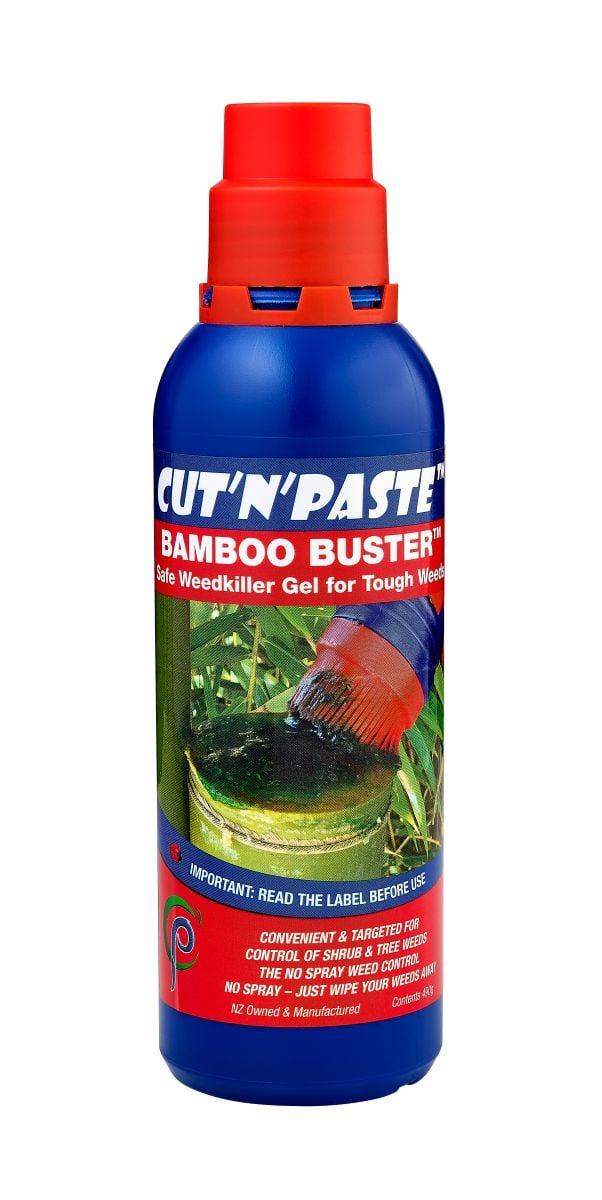
| Bamboo Buster Weed Gel | Tough, thick, or woody vine bundles | Double strength glyphosate gel ideal for larger vines and persistent root systems. Also has very low soil residue and short life in the weed plant. |
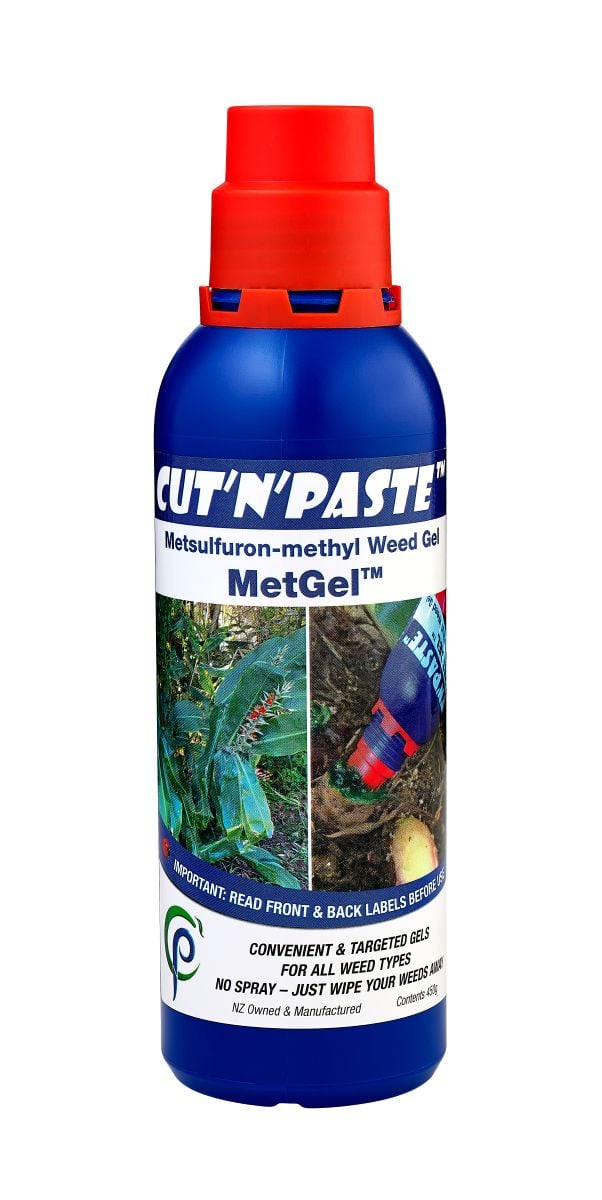
| MetGel Weed Gel | Large infestations away from native plants | Highly effective residual gel. Caution: Do not use near desirable plants, as soil run-off can damage nearby roots. |
Persistence: You will need to persist until all vines are dead. Jasmine can regrow rapidly from even small pieces of untreated stem or rhizome.
Root Spread: Rhizomes and underground shoots can travel many metres from where you are treating, spreading completely under buildings or footpaths.
Potting Jasmine: If you really want to keep Chinese Jasmine for its scent, keep it safely restricted in a large pot or container set on a concrete patio where it cannot touch soil or escape into the ground.
Other Vine-Like Weeds: This bundling and cut-and-paste method also works effectively for other invasive vines, including Japanese Honeysuckle, Black-Eyed Susan, and Blue Morning Glory.
Safe Disposal: Do not leave cut stems lying on bare soil, as they can root and re-establish. Hang cut stems up off the ground in a tree fork to dry out, or bag them for disposal.
If you really want to keep Jasmine buy the non invasive type or keep it in a large pot on a patio or somewhere where it cannot escape. This approach can work for other vine like weeds like Japanese honeysuckle and Black Eyed Susie and Blue Morning Glory.