
Detailed Weed Gel Usage Instructions
Cut’n’Paste Weed Gels make it easier and safer to deal with persistent weeds
Please read our detailed Weed Gel Use Instructions.
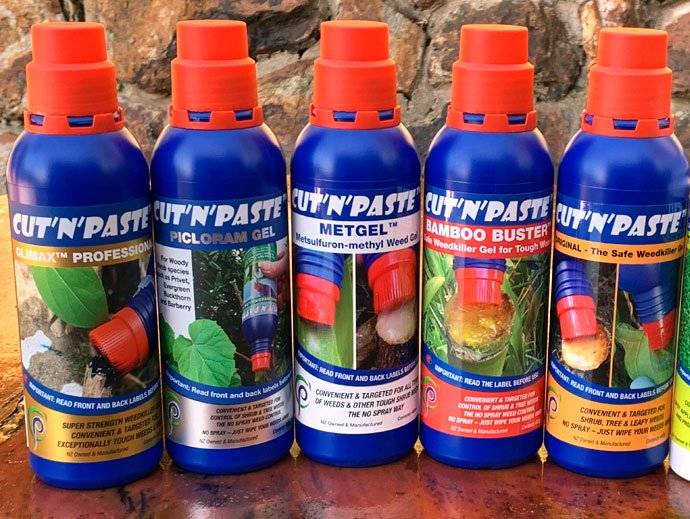
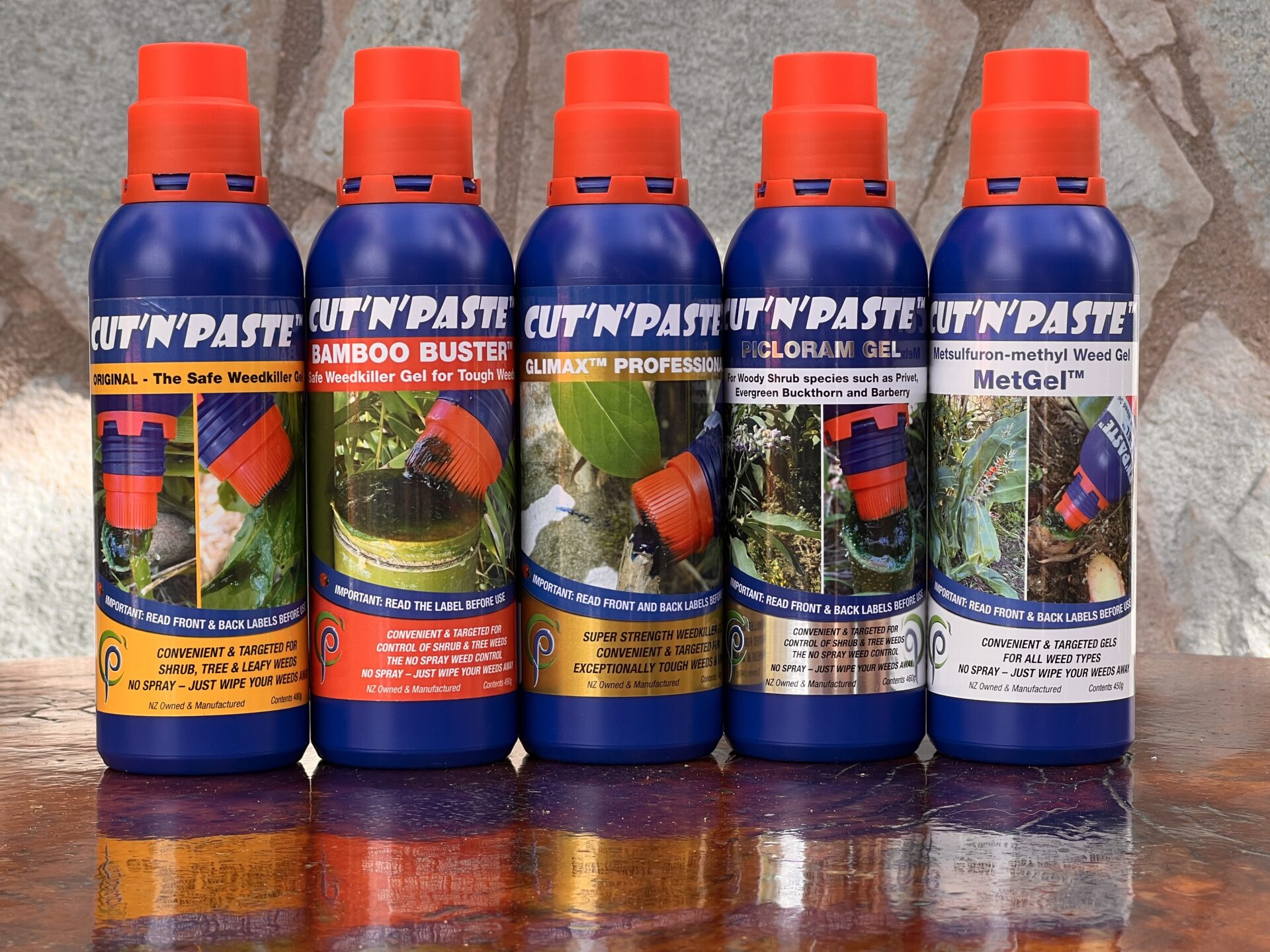
With Cut’n’Paste products, say bye-bye to Wooly Nightshade, Ivy, Willows, Lantana, Ginger, Convulvulus, Boneseed, Boxthorn, Thistles, Inkweed, Kikuyu, etc., etc., in bush reserves, riparian plantings, rockeries, your rose garden, conservation projects, and beyond. Large trees and shrub weeds are easily killed with glyphosate-based Bamboo Buster and Glimax or our Picloram gel, and our MetGel metsulfuron gel will easily weeds with bulbs and rhizomes like ginger and arums.
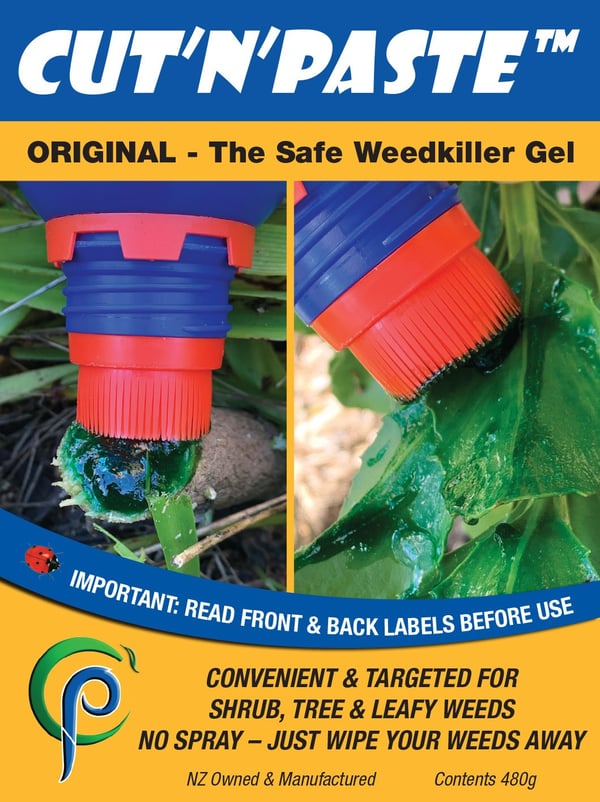
Master precision weed control with Cut’n’Paste Original Weed Gel. This innovative formula excels at eliminating leafy invaders, from ground-hugging spreaders to towering shrubs. Say goodbye to wasteful spraying – now you can target weeds with pinpoint accuracy.
Simply cut, paste, and watch even the most persistent leafy offenders wither away. As a savvy gardener or land manager, you’ll appreciate the ability to eradicate weeds amid delicate plantings without collateral damage. With Cut’n’Paste Original, you’re not just treating weeds; you’re performing botanical microsurgery, ensuring only your target feels the effect.
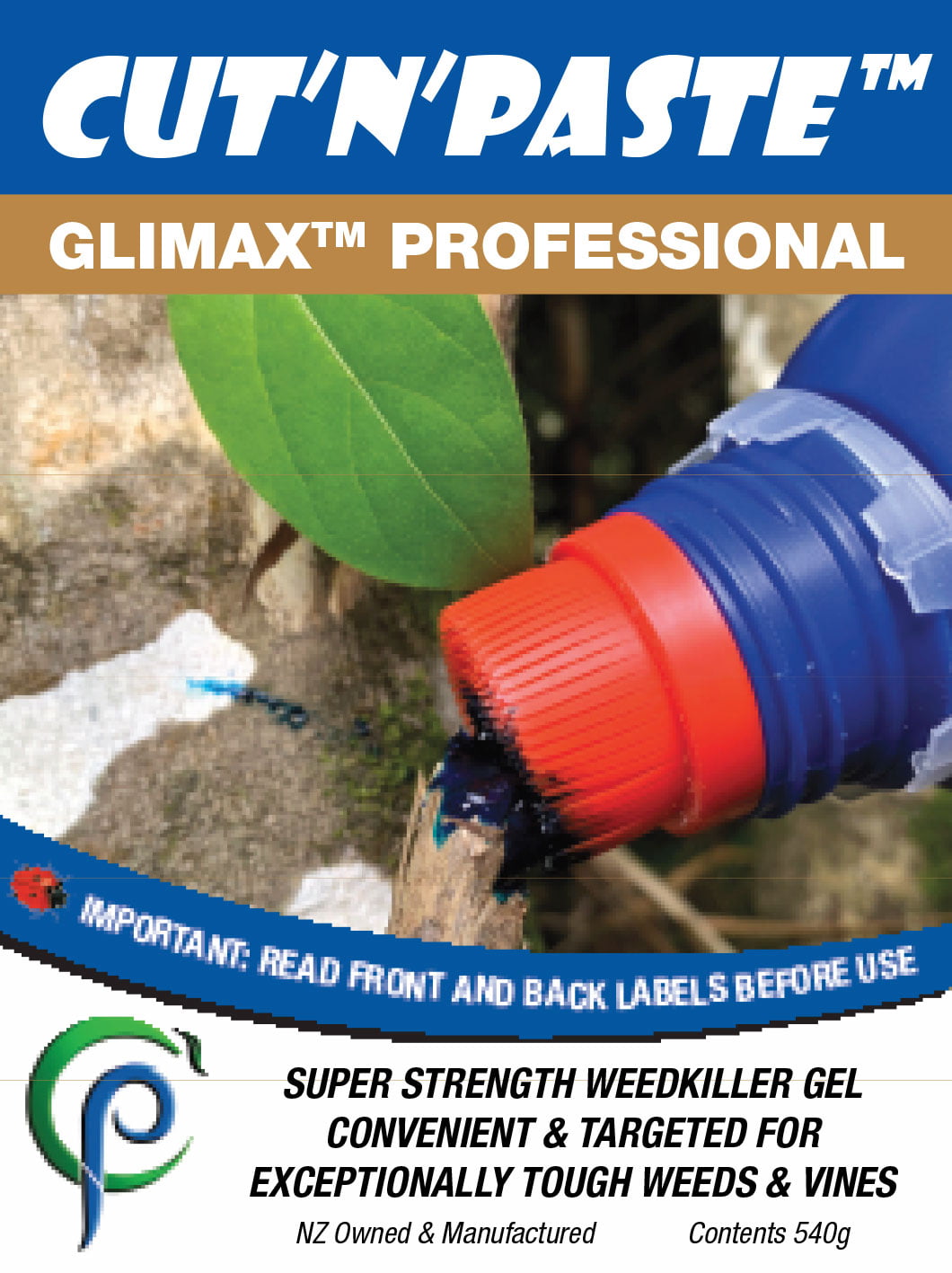
Discover the opportunity to conquer even the toughest weeds with Glimax Professional. Transform your overgrown, weed-infested spaces into pristine landscapes with our most potent glyphosate-based weed gel. Take ownership of your environment – whether you’re a professional tackling challenging projects or a conservationist restoring natural habitats. With Glimax Professional, you have the power to reclaim and perfect your outdoor areas, ensuring no return visits and maintaining environmental responsibility. Your land, your control, your success.
You can combine gels, wiping Glimax, Bamboo Buster or Picloram together with a little MetGel onto the cut stumps.
Every home and garden needs Cut’n’Paste. Only our Original gel contains 1% APG surfactants (alkyl polyglucosides) which have extremely low toxicity to animals. MetGel, Bamboo Buster, and Glimax have no surfactants at all and therefore almost zero toxicity to soil organisms.
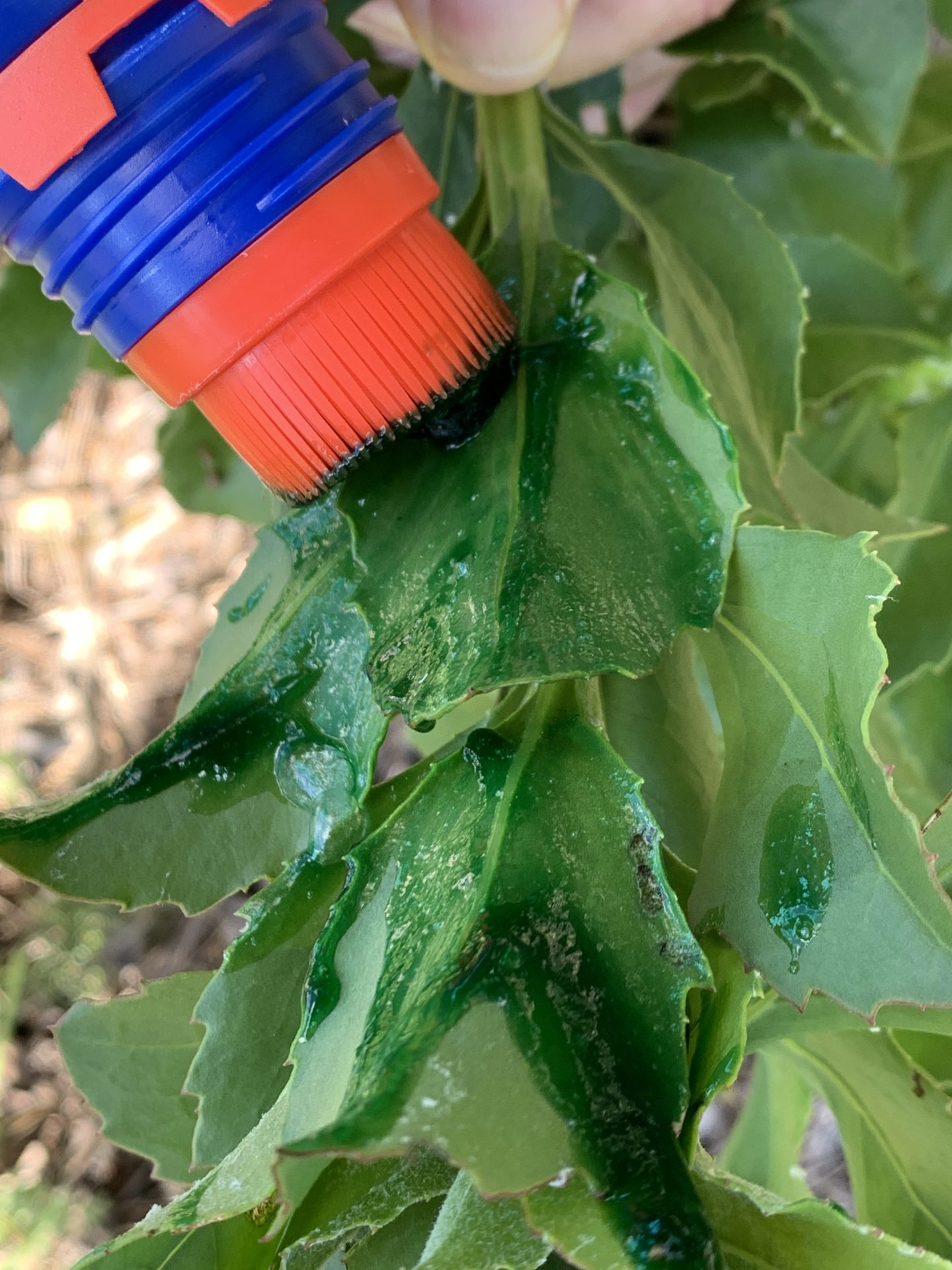
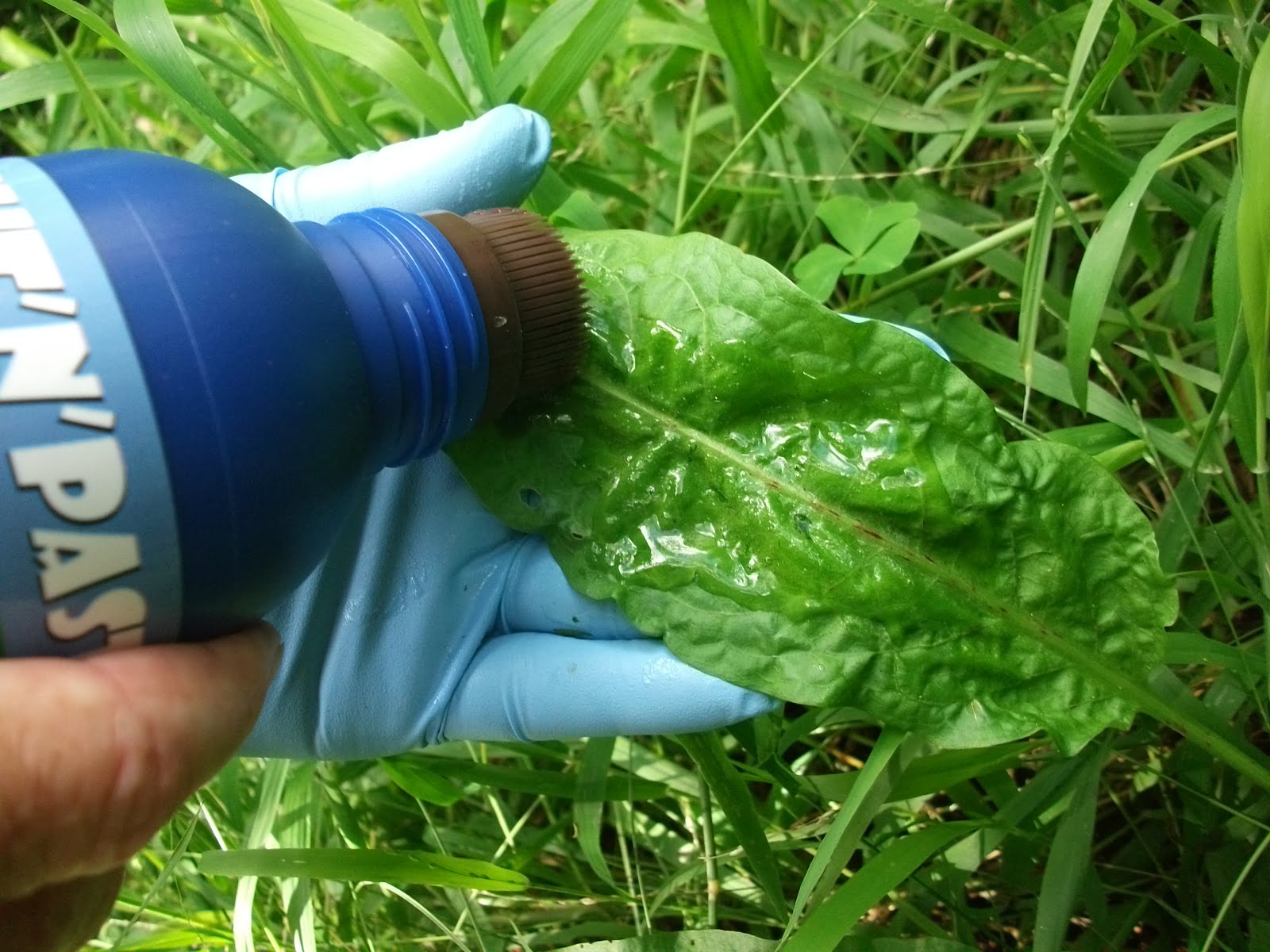
Convulvulus, Kikuyu, and other long vine-like weeds are easily treated by squeezing a little Original Gel onto some leaves and stems or smearing the paste holding the leaf flat on your palm. You can also simply use the brush to smear onto stems.
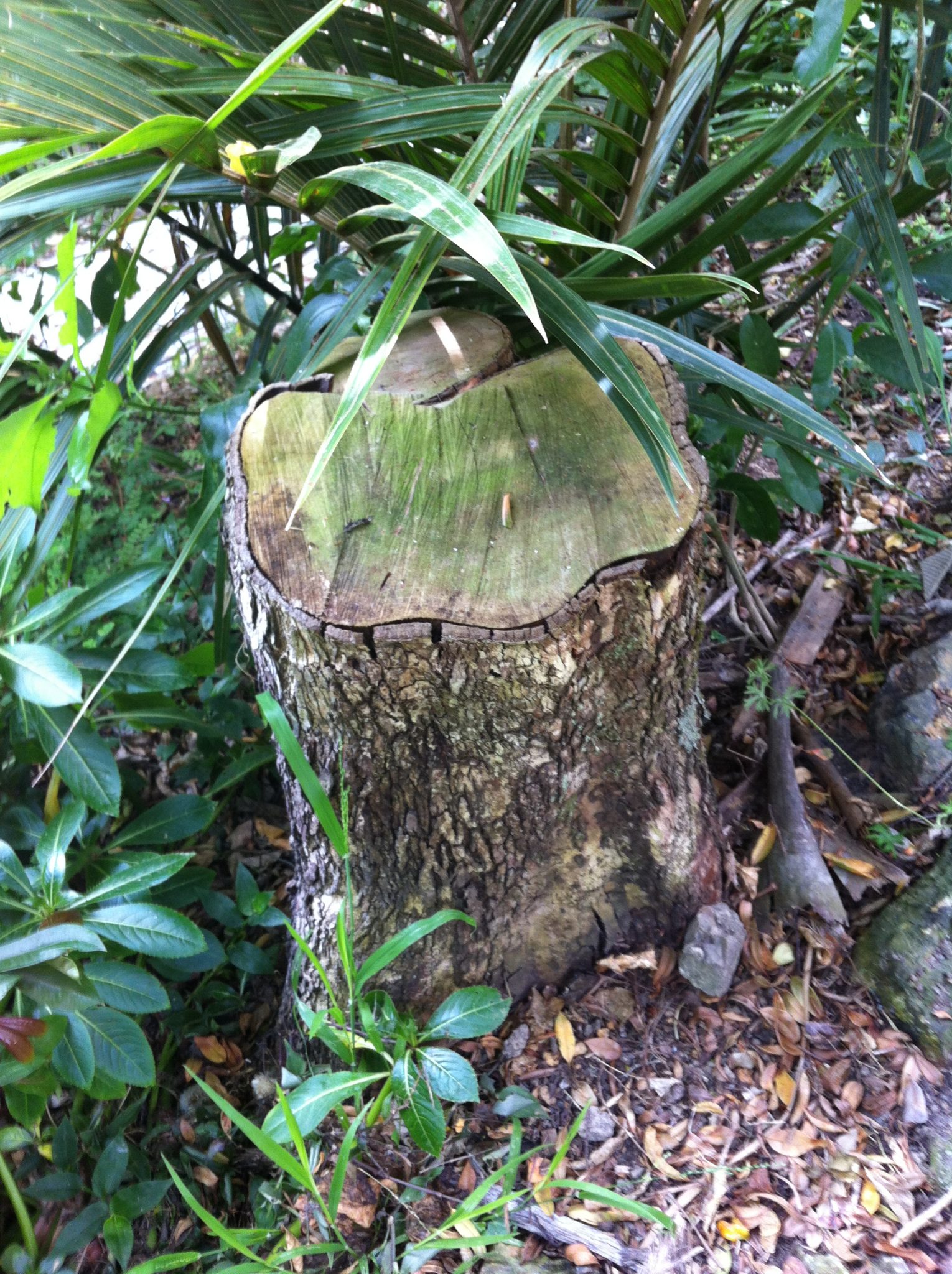
Large shrubs and trees are treated by cutting a level stump close to the ground and applying around about 3mm of gel.
Experiment with what works best in your situation with the weeds you deal with. In rockeries, eradicate persistent weeds hiding under stones by simply wiping the gel onto some leaves.
How To Get Best Results From weed gel:
- Optimal Timing:
- Most effect during vigorous growth in spring and autumn.
- Avoid application when rain is due within 4 hours to prevent paste run-off onto desirable plants.
- Time treatment for periods of dry weather.
- Reapplication:
- Re-treat any new growth on previously treated stumps by recutting into live tissue.
- Large Plants and Stumps:
- Cut down very large plants and immediately apply gel to the stump.
- Paste the entire surface area of the stump, especially the outer bark where nutrient uptake occurs. Also scrape and treat any exposed roots of the weed.
- Apply the paste immediately after cutting to prevent plants from sealing their vascular systems thereby reducing effectiveness (critical for species like bamboo).
- You can even combine gels, wiping Bamboo Buster or Picloram together with MetGel onto the cut stumps.
- Shrubs and Small Plants:
- Paste the scraped green trunks of some shrubs for absorption through the tissue just under the bark.
- For small shrubs, ensure treated stems do not contact desirable plants by holding them down with a nearby stone or tie.
Following these guidelines will help you achieve the best results with your weed gel application, ensuring effective and targeted weed control.
For more information please consult our other help pages
No more crawling through the bush…
No more crawling through the bush to get those wooly nightshades with a backpack and hoses and getting caught up on branches. Just a bottle of gel in your pocket and one of our good folding saws in hand, and you have all the equipment you need for the job.
Cut’n’Paste Original, our first product:
- Effective when smeared onto the underside of leaves of small weeds.
- Generally, no more than 10% of the leaves need to be pasted to have an effect.
- The pasted leaves will wither quickly, and then the Glyphosate will spread through the rest of the plant and roots, causing progressive die-back.
- Especially useful in rockeries for dealing with creeping weeds and grasses with just a smear of gel.
- The gel enters the plant through the cut stem or leaves, killing right down to the roots and preventing regrowth.
Treating small smothering vines:
- Jasmine and morning glory can be successfully treated by gathering and tying together a bunch of vines and cutting between the ties.
- Paste both ends of the cut bunches with double-strength Bamboo Buster gel, Glimax Professional. (or MetGel if the roots are not bound around other treasured plants)
- For large vines like Old Man’s Beard, use Glimax Professional Max Strength Glyphosate gel. This wont harm the host tree
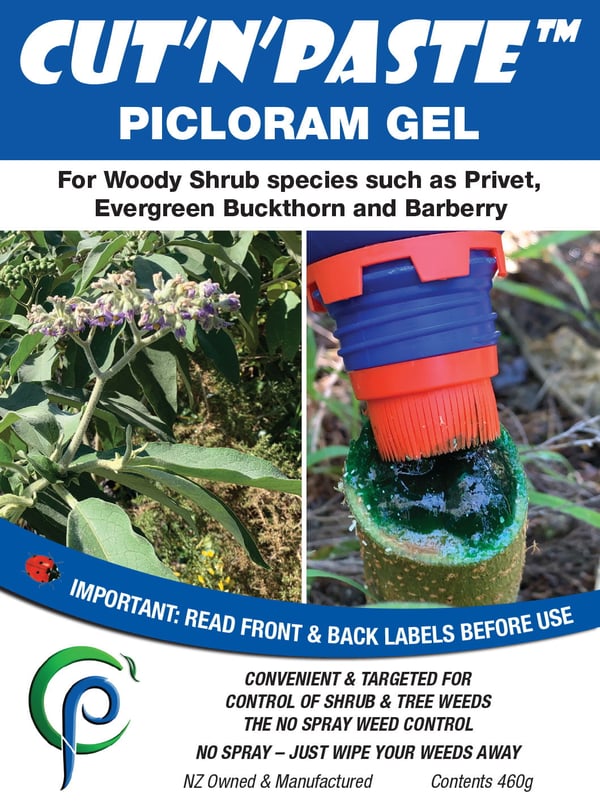
- Large Shrub and Tree weeds can be treated with Picloram where there are no natives nearby
With these methods, you can easily manage weed control without the hassle of heavy equipment and complicated processes.
Maximising Plant Absorption of Weed Gel
How can you get the plant to absorb as much of the paste as possible ? Always think –
- Immediate Application: Always paste a cut stem as soon as possible after making a level flat cut so that the plant will suck up the paste as it withdraws its sap. Scrape and paste any exposed roots too.
- Target Young Leaves: Apply to the undersides of young leaves, which have stomata (minute openings that let in air and let out moisture) for the best absorption.
- Make sure the gel gets onto the level cut stumps immediately after cutting and apply about a 3mm layer.
Cut’n’Paste Products:
- Versatility: Designed to handle all types of weeds, including kikuyu, convolvulus (bindweed), periwinkle, grasses, thistles, horsetail, creeping, and climbing weeds as well as huge weed shrubs and trees.
- Safety: Glyphosate products are inactivated in the soil, so they can be used on a plant next to a desirable plant without affecting it. Gels are ideal as they avoid all the Environmental problems associated with Glyphosate spraying.
- Care with our MetGel and Picloram Gels: These are designed for weeds that are glyphosate resistant and have a residual effect on the soil and need to be used with caution as they are able to spread to nearby plants, especially where there is soil water movement.
- Rain Caution: When applying to leaves on or above a desirable plant, be aware that rain can wash herbicide onto plants beneath.
- Mistake: Simple break off or cut off the treated areas asap.
By following these tips, you can ensure effective and efficient weed control with your Cut’n’Paste products.
Which Weedkiller Do I Need?
Maximising Effectiveness on Large Stems
What if the stems are large?
- Immediate Stump Treatment:
- If the stems are large, cut the weed or tree down to ground level and immediately paste the whole stump with a thick layer (about 3mm) of one of the Cut’n’Paste™ gels. Choose which gel to use from our guides on the site. Scrape and paste any exposed roots.
- Hold the bottle upside down, squeeze the gel onto the brush and apply it with gentle pressure to the whole surface of the cut stem. Too much pressure can damage the brush and will not apply the gel as well.
- The plant will absorb the herbicide, which will then spread through the plant and kill the roots.
- Cut’n’Paste Original™ controls creeping and spreading weeds without risking surrounding plants and without the need to dig out difficult root systems.
- When stems are small, the best results on all weeds are obtained by pasting the leaves or greenery with the appropriate gel.
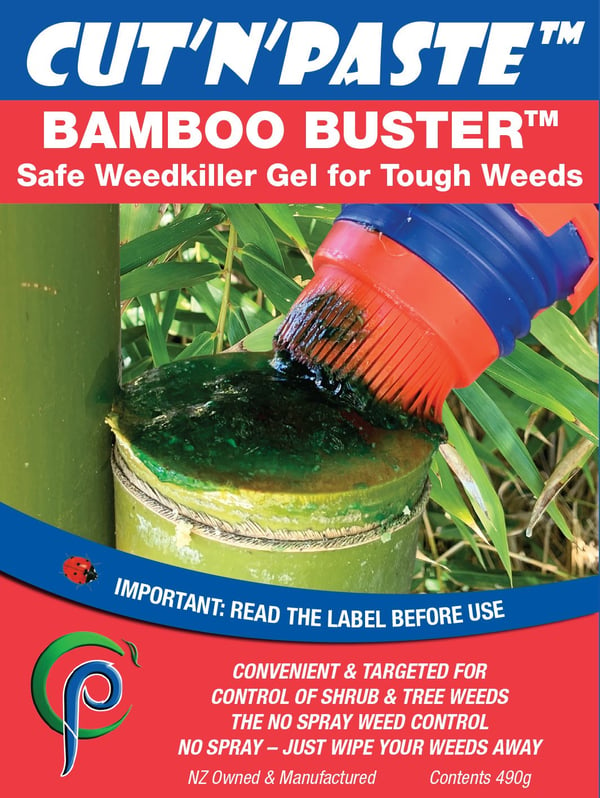
- Bamboo Buster (240g/L glyphosate-based):
- Designed especially for bamboo.
- We also recommend Bamboo Buster™ for some vigorous coppicing species like Chinese privet, rhamnus, barberry, elderberry, and gorse.
- Large tree weeds such as Chinese privet and rhamnus (evergreen buckthorn) are very tough to kill, but you should achieve a 100% kill with the following guidelines.
- Using this method on gorse will also return the same results.
- Glimax is an alternative as is Picloram when there are no valued plants nearby.
- Cutting and Pasting Larger Diameter Plants:
- In cutting and pasting, we have found a small percentage of larger diameter plants can regrow, say over 75mm in diameter (the risk is greater the larger the plant).
- What happens is this: if you cut a plant to, say, 6 inches off the ground and then paint the stump, it may shoot up again from the sides, and you then have multiple stems to deal with. The center of the plant has been killed, but the periphery remains alive. Re-cut into fresh tissue and paste immediately and scrape and paste exposed roots. You can even combine gels, wiping Bamboo Buster or Picloram together with MetGel onto the cut stumps.
- This is particularly true with rhamnus (evergreen buckthorn), but also with other plants like privet (both Chinese and tree) and monkey apple (acmena), possibly also wooly nightshade, as larger plants often have long surface roots that can regrow.
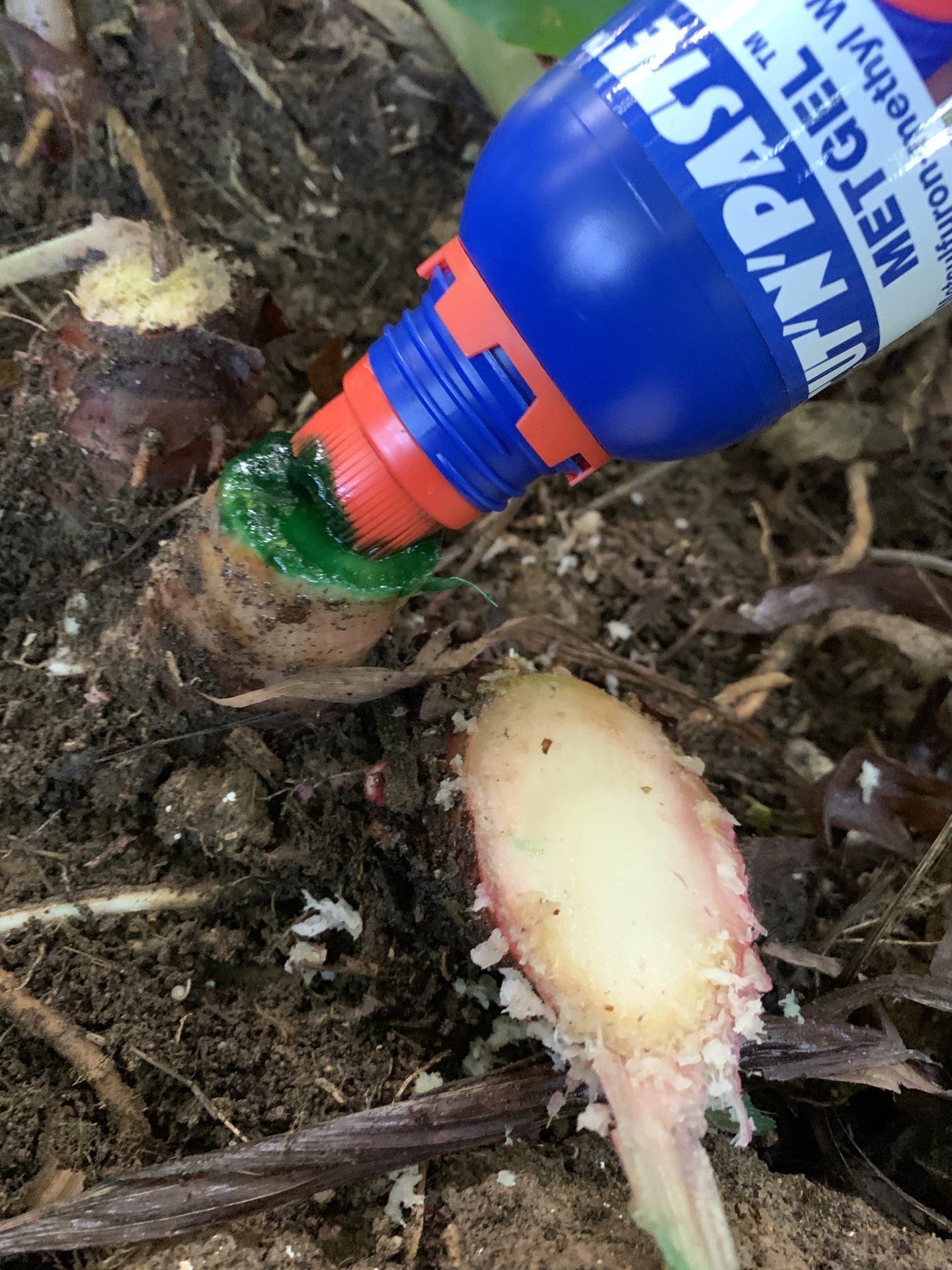
Using Bamboo Buster, Glimax or Picloram :
By following these steps, you can enhance the effectiveness of Bamboo Buster or Picloram in controlling regrowth of larger diameter plants.
- Cut Close to the Ground:
- Cut as close to the dirt as possible and scrape bark off any exposed roots.
- Scrape Exposed Roots and trunk:
- If it’s not possible to get close to the dirt, scrape a good percentage of bark off the exposed parts of the plant, including exposed lateral roots before applying the gel.
- Treating Exposed Roots:
- If there are roots actually off the ground, cut these off at both ends and treat the exposed wood at both ends in the same way.
- Applying Paste Liberally and Immediately:
- Make sure all exposed roots are liberally pasted. A 3mm layer is recommended.
Using these methods you will achieve a 100% weed kill rate.
Our range of Cut’n’Paste weed gels are effective on all weed types.
Plants Recommended for Cut’n’Paste Products
Any species of broadleaf and grass is suitable for Cut’n’Paste. Please inform us if it doesn’t work to your satisfaction, and we can advise accordingly. We make a gel for every weed and situation.
Some Plants to Note:
- Privets or Rhamnus can be challenging to kill and may require retreatment. Use Bamboo Buster or Picloram, or one of these in combination with some Met Gel.
- With gorse, cut below the lowest branches and shoots, or paste onto any remaining small shoots if cutting is unfeasible. We recommend Picloram, Met Gel, or Bamboo Buster for Chinese privet, tree privet, rhamnus, acmena, and other highly coppicing trees.
Additional Information:
- Cut’n’Paste Original, Bamboo Buster, and Glimax are approved by the EPA Warning Biocidal in Action. slightly toxic to aquatic organisms (HSR100736).
- Viscosity is around 60-90,000 centipoise.
- All products have green dye except MetGel and Glimax, which are blue.
Brochure Link:
By retaining this information, you can make informed decisions about the use of Cut’n’Paste products for effective weed control.
Notes:
Cut’n’Paste MetGel has the highest toxicity rating WARNING Hazardous to soil organisms, hazardous to the aquatic environment Acute and Chronic Category very toxic to Aquatic life with long-lasting effects and is sent as dangerous goods and so the shipping charges are slightly greater.
- Picloram Gel has a toxicity rating of Skin sensitisation Category 1, Hazardous to soil organisms
- Viscosity is approximately 60,000 centipoise.
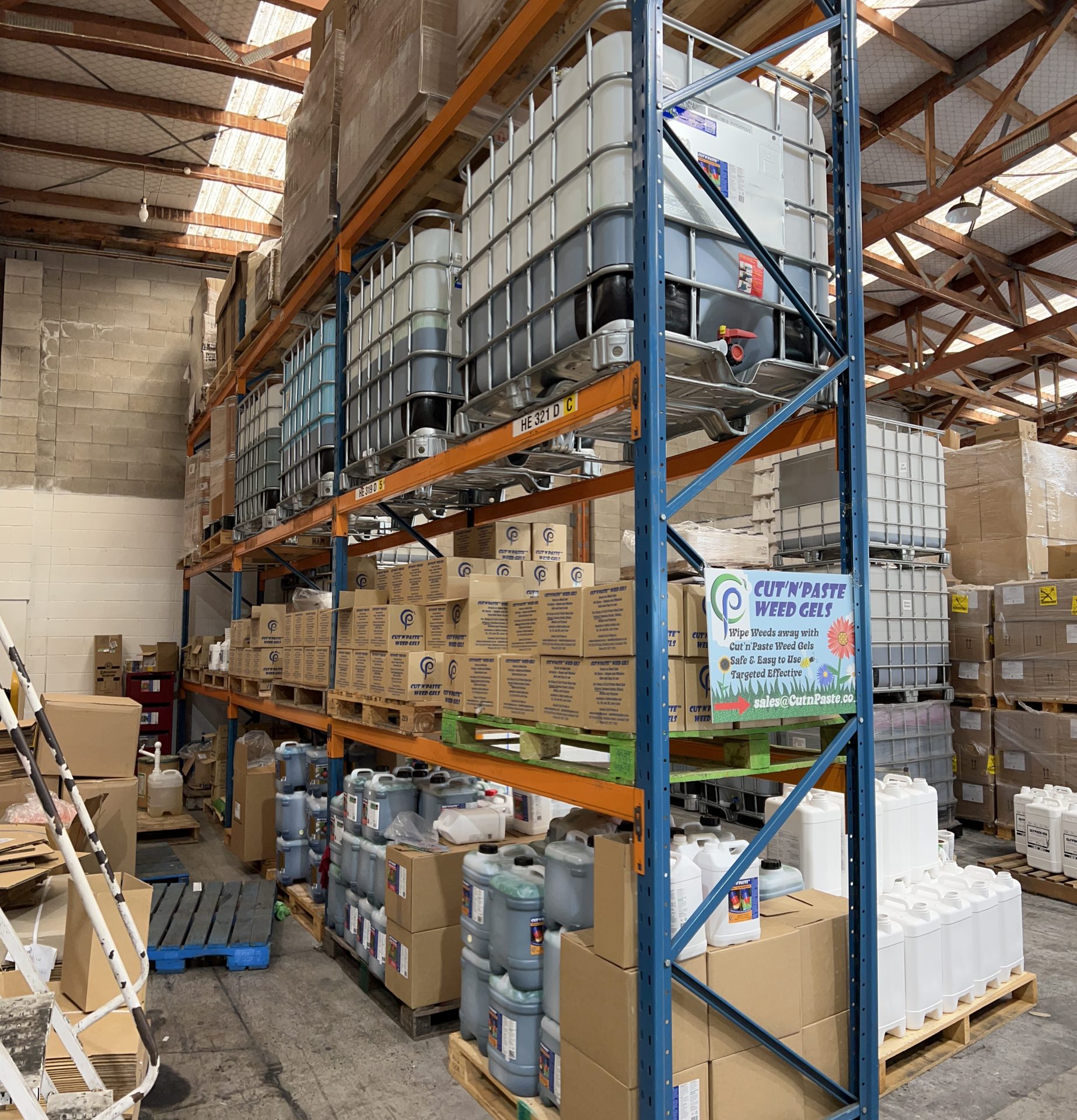
These herbicides are all you need for nearly all weed control:
Detailed Weed Gel Use Instructions
- Use a Cut’n’Paste Glyphosate gel where:
- You need highly targeted weed control.
- You want to take care not to harm other plants, such as in gardens or bush.
- You don’t want to spray because it might drift onto other plants.
- You don’t want to use sprays because it might harm animals or people.
- You want a cheaper alternative.
- Picloram or MetGel Gels – for shrubs that don’t respond well to Glyphosate.
- Glyphosate as a spray – when you need to start from scratch to kill all plants off before replanting.
- Broadleaf-specific herbicide spray such as Picloram, Grazon or Metsulfuron:
- More toxic but only affects broadleaf weeds, leaving most grasses unaffected to suppress further broadleaf weed regrowth.
- Useful after killing everything off with Glyphosate, allowing grass seed to provide ground cover and suppress weed growth.
- Effective where weeds are growing in grass.
- Helps maintain grass cover to hold slopes together and prevent weed germination.
Remember: Only spray when you have to, as you will then have to replant. Where possible, pull out or Cut’n’Paste the weeds leaving the rest to grow.
Glyphosate:
- The world’s most widely used herbicide, effective against almost all weed species with low toxicity to humans and invertebrates.
- In NZ, used since the late 1970s for controlling annual and perennial weeds in various situations.
- Must be delivered to the site of action within the target plant.
- Built-in APG surfactant in Cut’n’Paste Original increases glyphosate activity and is environmentally acceptable for use in aquatic situations.
- Binds tightly to soil, will not leach, and can be safely applied over tree root zones. Non-volatile, so it will not drift onto other vegetation.
- Very low toxicity to humans and animals, stopping certain amino acids essential for plant growth from forming. Minimal hazard to users, but follow label instructions if accidentally consumed.
- Glyphosate has been severely misused for decades, applied year after year as sprays on the same land steadily reducing soil fertility due to killing soil algae and a cascade of dependant species. Developing glyphosate-resistant seeds for crops has resulted in glyphosate entering the food chain. However, glyphosate used in gels avoid these problems by being highly targeted and used away from farming and food stuffs to simply remove our environmental weeds.
Guidelines for Good Results:
- In dry, shady, or cold conditions, use more paste and expect slower, less reliable results.
- For plants with few leaves or sticky sap, pasting the stem can be effective.
- For plants with shiny leaves, ensure good coverage of the underside if pasting the leaves.
Weed Database List
- For an overview of common weed species, visit this link.
- For external spreadsheet and instruction list of weeds, visit this link (pdf opens in new tab)
- EPA approval documentation, please see each individual product notes
Glyphosate’s Mode of Action:
- Inhibits an enzyme involved in synthesizing aromatic amino acids (tyrosine, tryptophan, and phenylalanine).
- Absorbed through foliage and translocated to growing points, effective only on actively growing plants (not a pre-emergence herbicide).
Effectiveness and Limitations:
- Not effective against mosses, except in some cases.
- Does not control equisetum (scouring rush), English or Algerian ivy, strawberry, white clovers, filaree, cheese weed, nutsedge, or bamboo without repeat treatments.
- Can control floating-leaved plants like water lilies and shoreline plants like purple loosestrife but not underwater plants like Eurasian watermilfoil.
- Requires several weeks for plants to die, often needing repeat application.
MetGel:
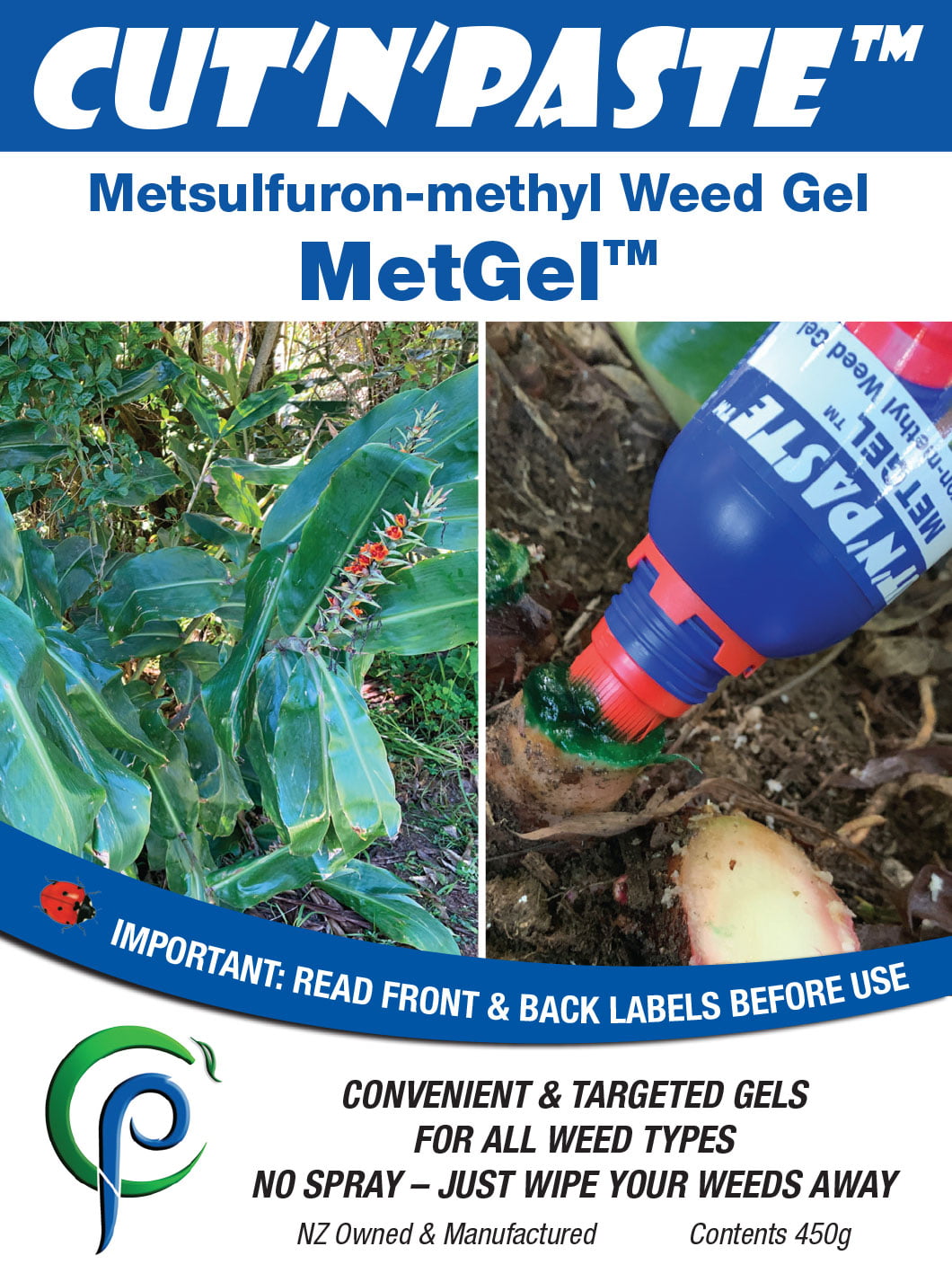
- Uses Metsulfuron to tackle Agapanthus, Ginger, Chinese privet, rhamnus, and arum lilies and other plants with rhizomes or bulbs.
- Favoured when there are no nearby plants in danger from soil residual effect or soil translocation
- Very low toxicity to animals and soil organisms but mobile in soil; should be used by experienced operatives.
- For more information, visit this link or email [email protected].
- Mode of Action
Cut’n’Paste Picloram:
- Favoured when there are no nearby plants in danger from soil residual effect or soil translocation
- Mode of Action