Moth Plant Competition – Winners Announced :: Find Out


Bamboo Weeds
Home » Help » Weed Directory
You may have seen a cute bamboo plant. But....
Bamboo Weed is the bane of many people's lives, taking over their gardens, growing through deck and floors and even breaking up concrete. Here's how to be free of it.
You may have seen a cute bamboo plant in a container at a garden centre and thought that it would be nice to have your own little stand of this cane plant. It would be great to be able to pick your own bamboo stakes for free. So with no more thought you purchase the cute plant. A few years later you find you have released a monster into your garden.
Or perhaps you have inherited a stand of bamboo when buying a new home and you wonder later on if the previous owners only sold the house to be rid of the bamboo. Now you have the best solution in our Cut'n'Paste Bamboo Buster.
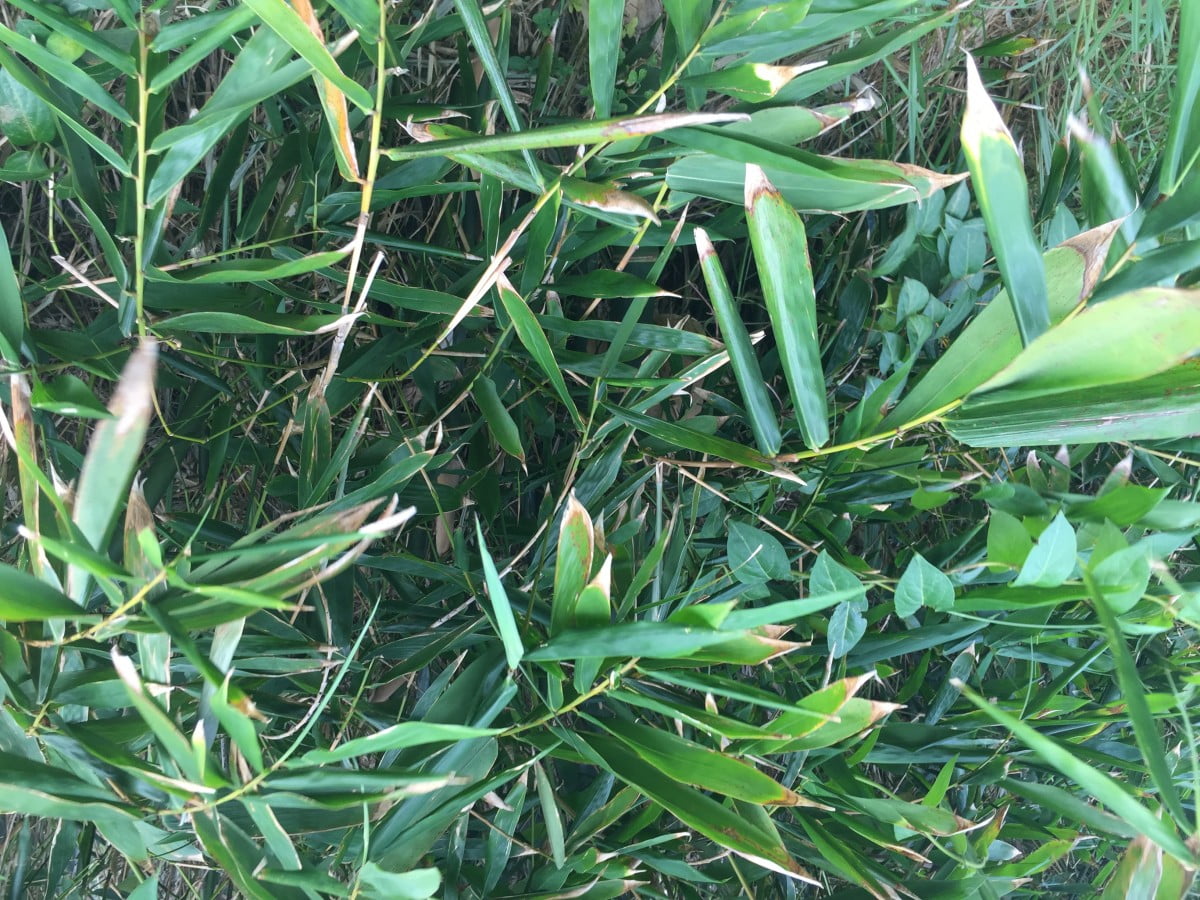
There are over 1000 species of Bamboo in existence. Some spread like wildfire and are much more of a problem weed than others and whilst many are not in New Zealand there are a great number of different types that cause problems for landowners.
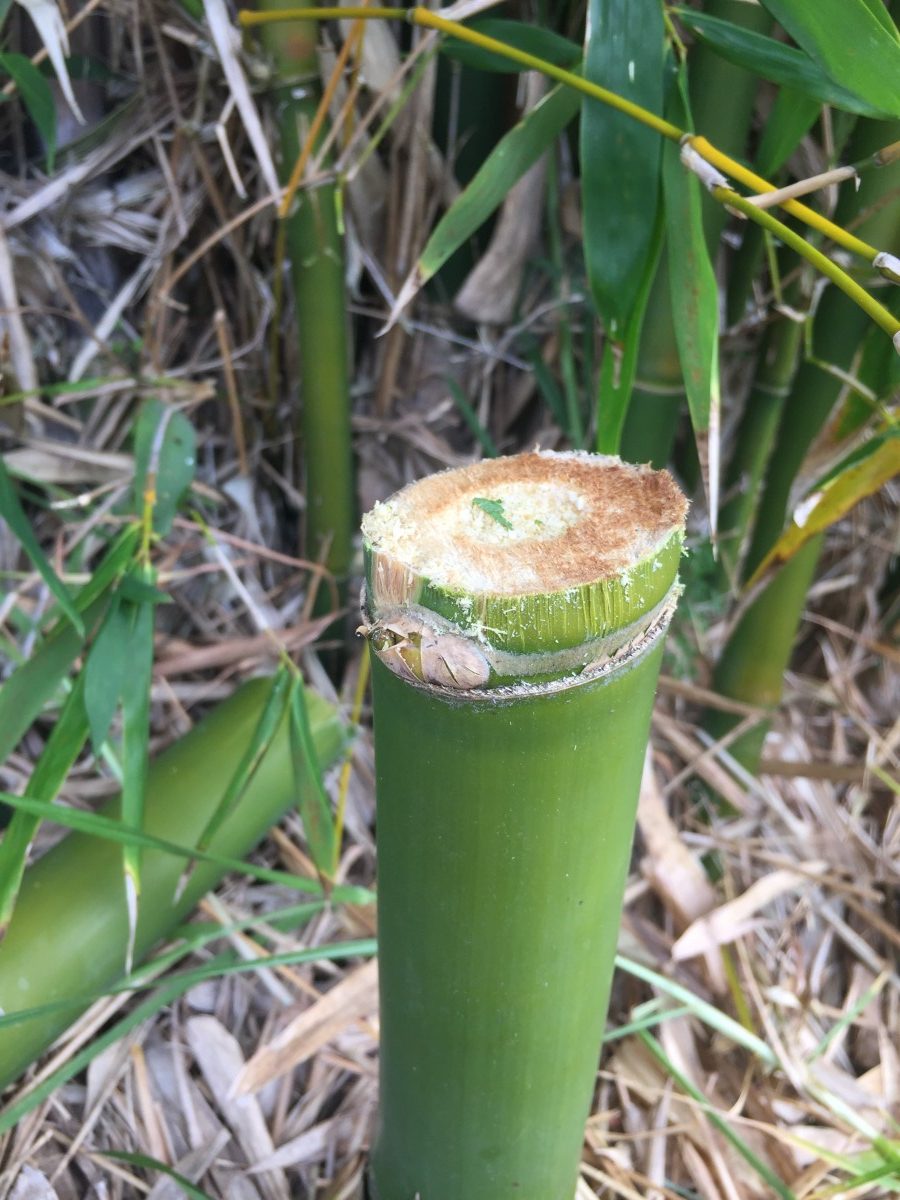
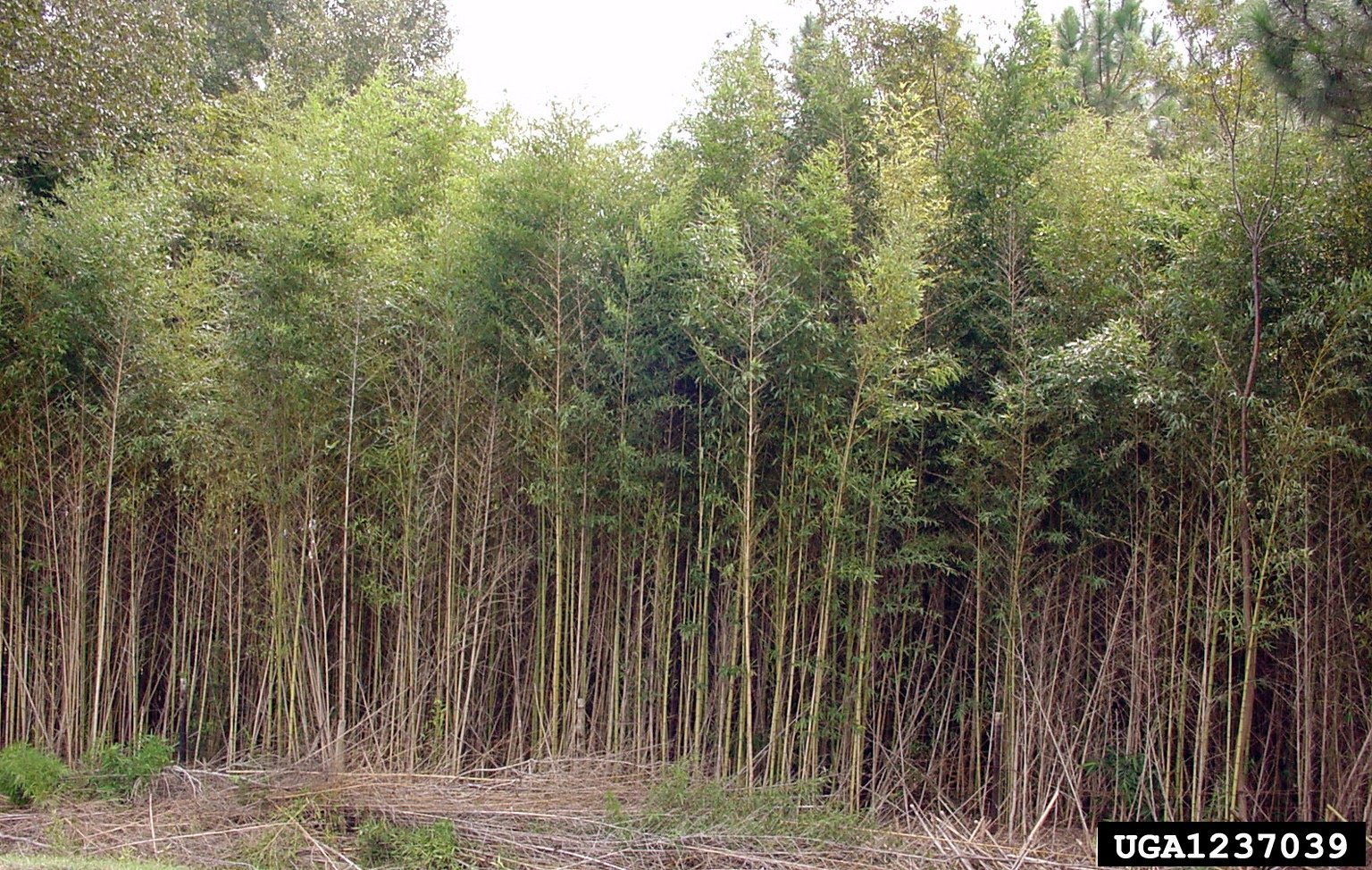
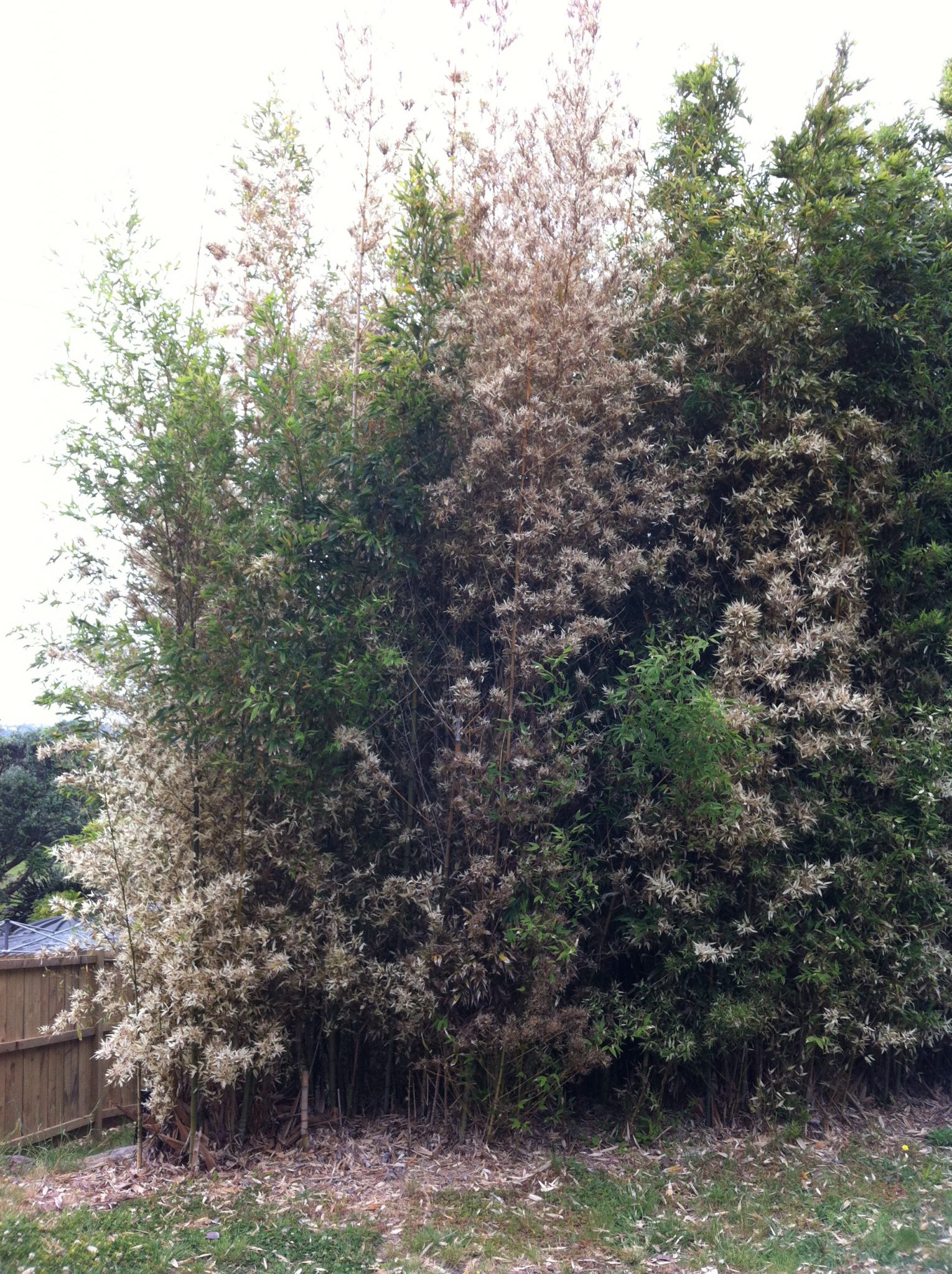
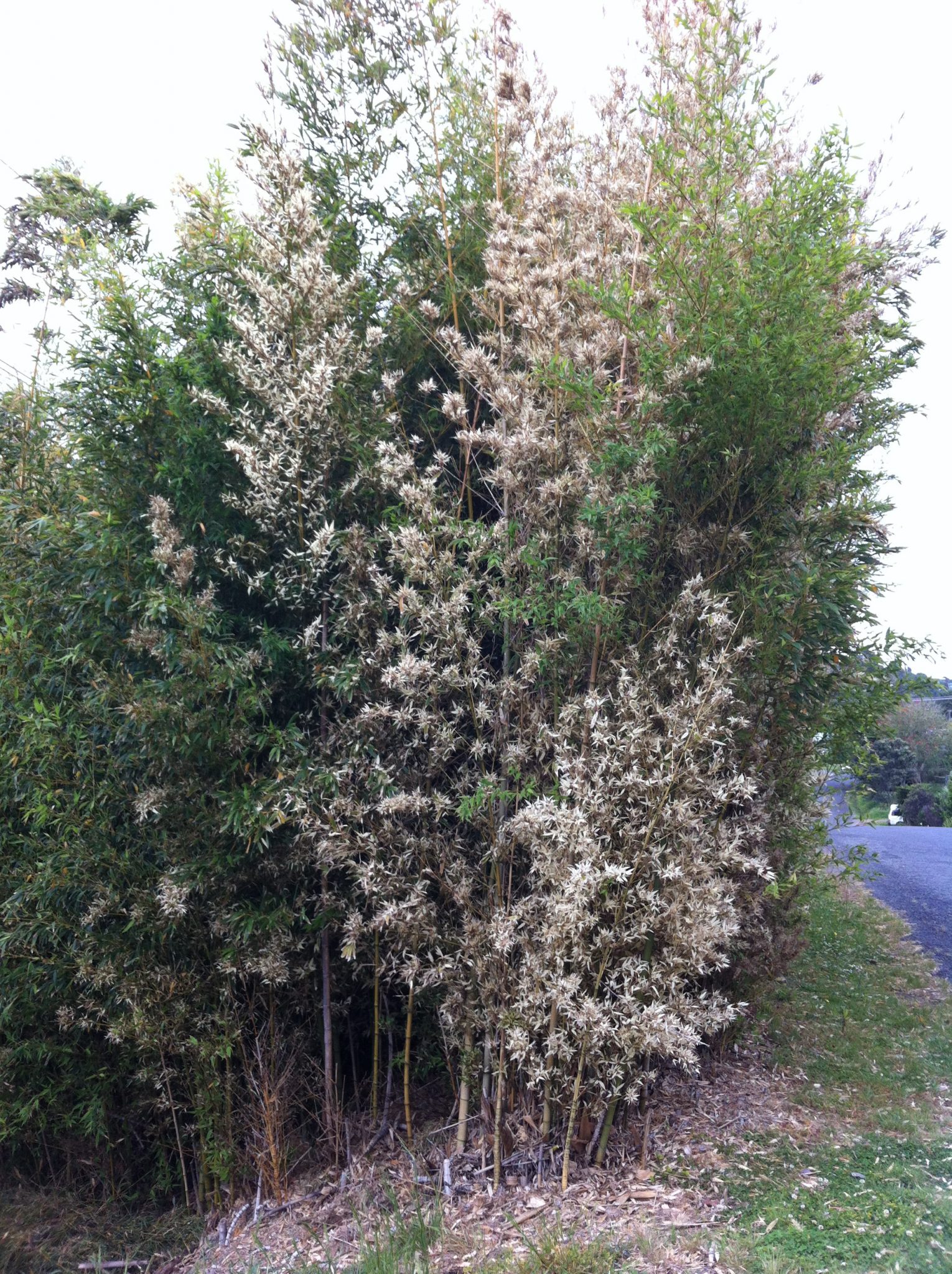
Here are some photos of a typical clumping bamboo.


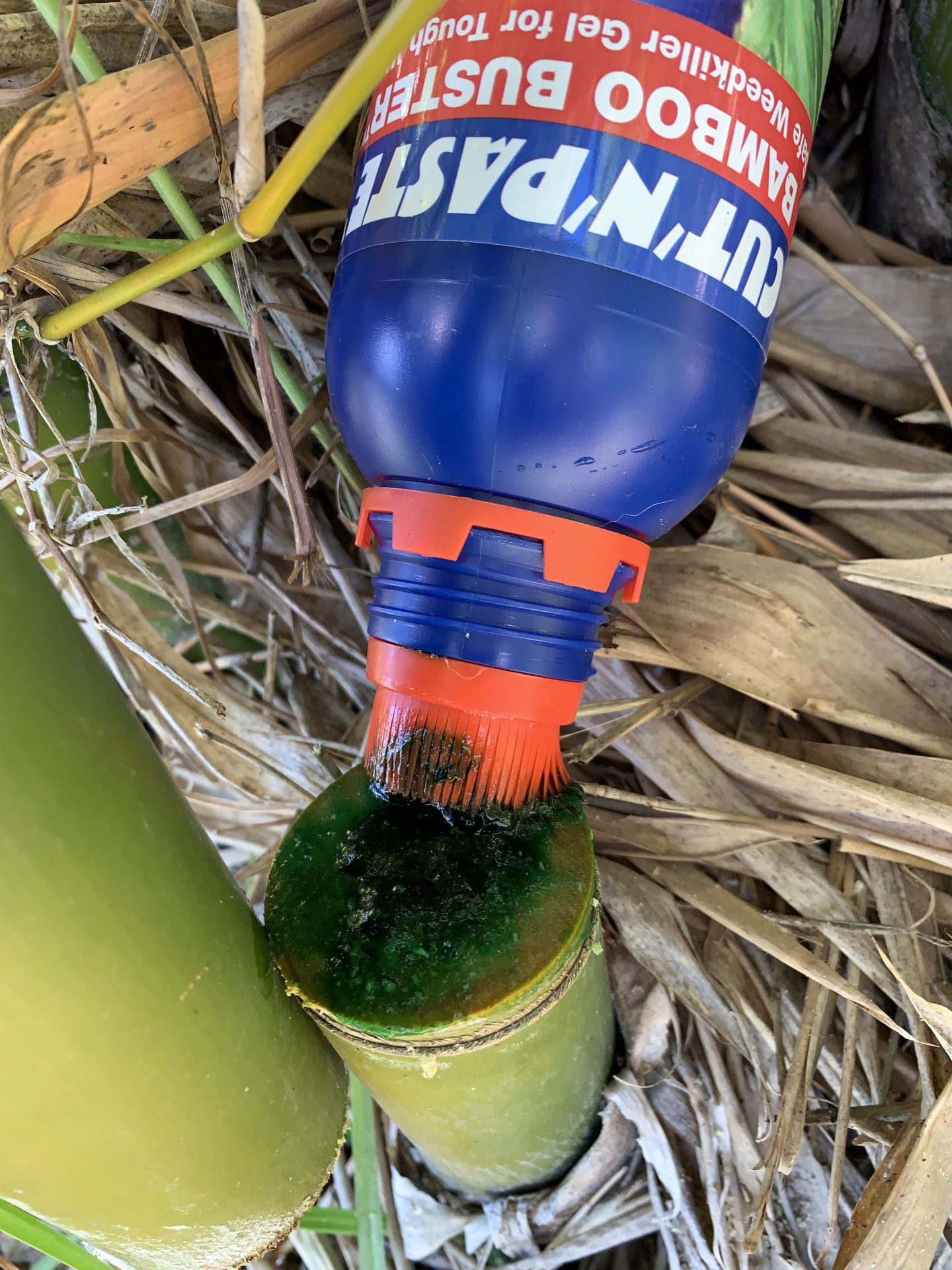
It is vital to apply the Bamboo Buster Weed Gel IMMEDIATELY after cutting the stem.
Cut the plant as near to the ground as you can, this also avoids tripping hazards and improved the kill rate. See in the photo how the stem has been cut just above a node, that little ring, this gives you a flat place to put the gel where it can be best absorbed into the plants vascular system and into the rhizomes, roots, of the bamboo.
It can spread through the rhizomes into adjacent stems so if you only have access to outlying plants you can affect others nearby.

Important Notes:
- ⚠️ Safety Warning: MetGel and Picloram / Picloram Plus+ have significantly more residual soil activity than the glyphosate gels, and can move through ground moisture. MetGel has a soil half-life of roughly 30–90 days, and Picloram roughly 2–6 months, perhaps longer in clay soils. Do not use either near desirable non-target plants, within the root zone of prized trees, or around waterways and wetlands.
- When using MetGel or Picloram, never apply it inside the drip line (canopy edge) of prized trees or broadleaf garden plants. On flat ground, keep a 3 to 5-metre safety buffer. On sloping ground where the weed is uphill from desirable species, extend that buffer to 5 to 10 metres.
- Weeds often grow along streams and in gullies. If you’re working near waterways, use Bamboo Buster. Do not allow any weed gel to enter the water.
- Only treat weeds / target plants / trees that are on your property, or that you have permission to treat. Be aware that some species might have protection status or have a notable status, or be a designated scheduled tree under the district plan – if in doubt, check with your local council.
- Safety First: Wear gloves and protective clothing and observe all safety protocols, especially when using machinery, chainsaws and other tools.
- When using any herbicide ensure you READ THE LABEL THOROUGHLY, and follow all instructions and directions for the purchase, use and storage of the product.
- If in doubt, seek professional advice.
Working as a team of two or three gets the best results. You must apply the gel IMMEDIATELY after cutting so speed and efficiency are paramount for the best effect. One cuts, one clears and one applies the gel.
Start at the bottom of the hill and work upwards, throwing the slash behind you as you go. One cuts, one clears and one applies the paste thus ensuring no stems are missed and the gel gets on ASAP. This way you can leave the slash on the ground to exclude light and cover the stump tripping hazards. Some people just mulch over the top and then replant when they are sure the bamboo is dead.
The dead rhizomes in the ground will just rot away over time, so don’t try to remove them.